5 Things That Lower Your Cash Offer and How to Improve Them
Selling your house for cash can be fast and easy. But you might wonder: what is a fair cash offer for my house? The truth is, several factors affect how much a cash buyer will pay. Some things lower the offer, while others help you get more money.
Cash buyers like Pezon Properties look at your home differently than regular buyers. They need to pay for repairs, hold the property, and still make a profit. Understanding what lowers your offer helps you make smart choices. You can improve these factors before you sell.
In this guide, you will learn the five biggest things that reduce cash offers. More importantly, you will discover simple steps to improve your situation. Whether you need to sell quickly or want the best price possible, this information will help you make the right decision.
Repair Costs: The Biggest Factor in Your Cash Offer
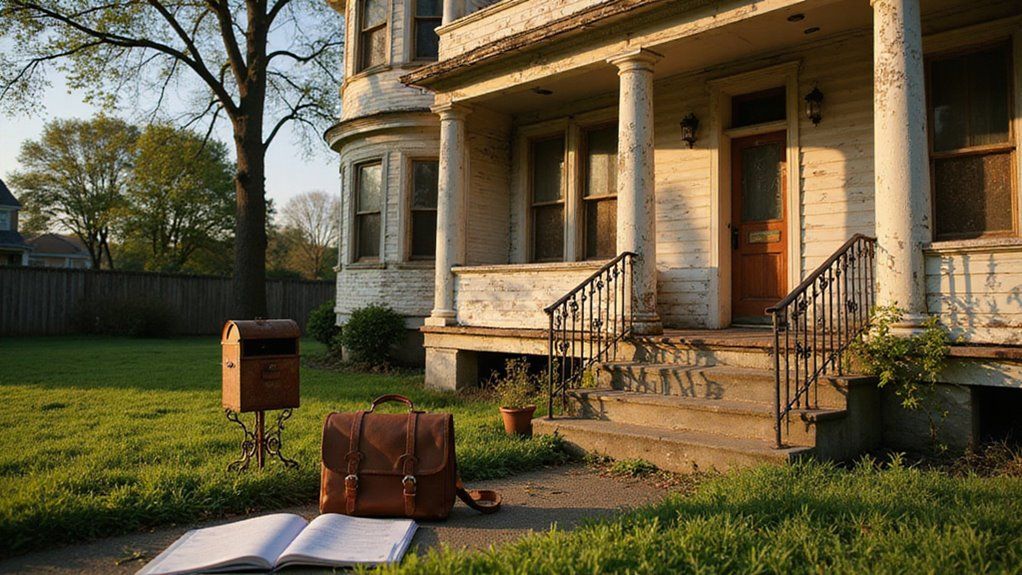
Repair costs are the number one reason cash offers come in lower than expected. Cash home buyers plan to fix up properties before reselling them. They subtract all repair costs from their offer price. This protects their investment.
Think about it this way. If your roof needs replacing, that costs about $8,000 to $15,000. The cash buyer must pay for this work. So they reduce their offer by that amount, plus a little extra for the hassle and risk.
Major repairs hurt your offer the most. These include roof replacements, foundation problems, outdated electrical systems, broken HVAC units, and water damage. Each of these costs thousands to fix. A home with multiple big problems might see offers drop by $20,000 to $50,000 or more.
Smaller repairs add up, too. Broken windows, damaged flooring, old appliances, and cosmetic issues all count. Even if each item costs only a few hundred dollars, ten small problems add up to thousands off your offer.
Here is what you can do. First, get a home inspection before you sell. This shows exactly what needs fixing. You will know which repairs matter most. Second, fix the easy stuff yourself. Patch holes in walls, replace broken fixtures, and clean thoroughly. These small improvements cost little but show the property is cared for.
Third, be honest about problems. Hiding damage never helps. Cash buyers in
Lancaster will find issues during their inspection anyway. Being upfront builds trust and can sometimes lead to better offers.
Consider this: fixing a $500 problem might increase your offer by $1,000 or more. Why? Because buyers add a risk buffer. They assume hidden costs. When you handle obvious repairs, you reduce their risk and boost your offer.
How Your Home's Condition Affects the Final Number
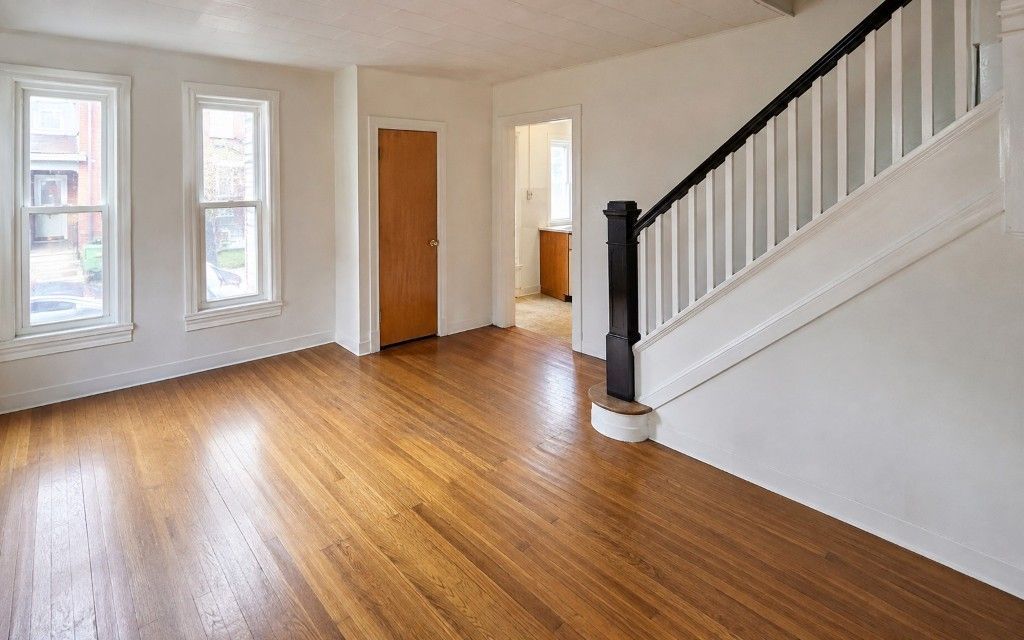
Your home's overall condition creates a strong first impression. Cash buyers judge the condition the moment they arrive. A well-maintained home signals less work and fewer surprises. A neglected property suggests problems everywhere.
Condition affects more than just repair costs. It impacts the buyer's entire strategy. A house in good shape might become a rental property. A fixer-upper requires complete renovation. These different paths lead to very different offers.
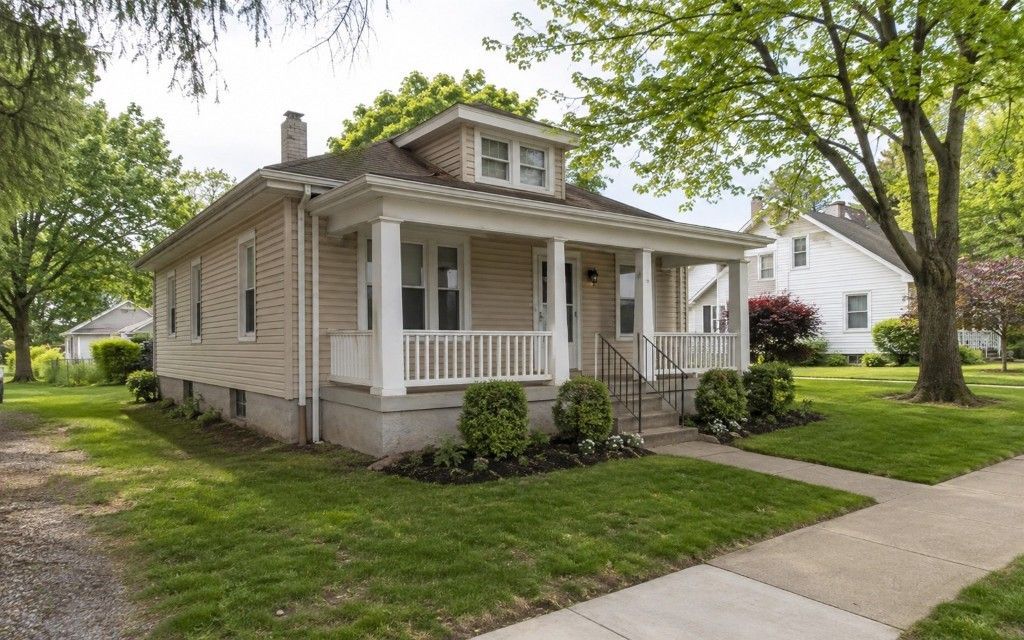
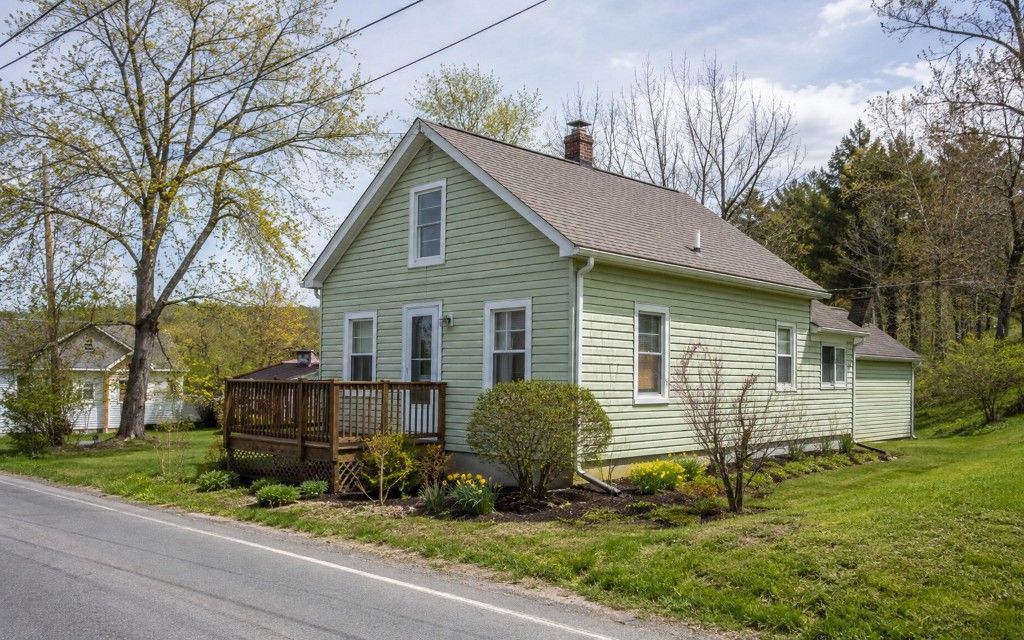
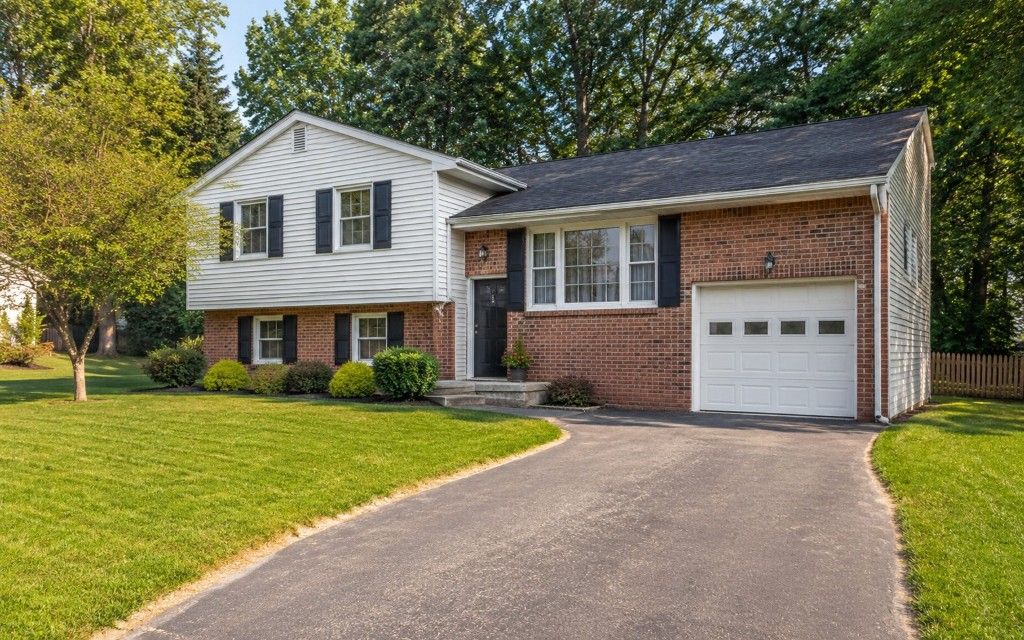
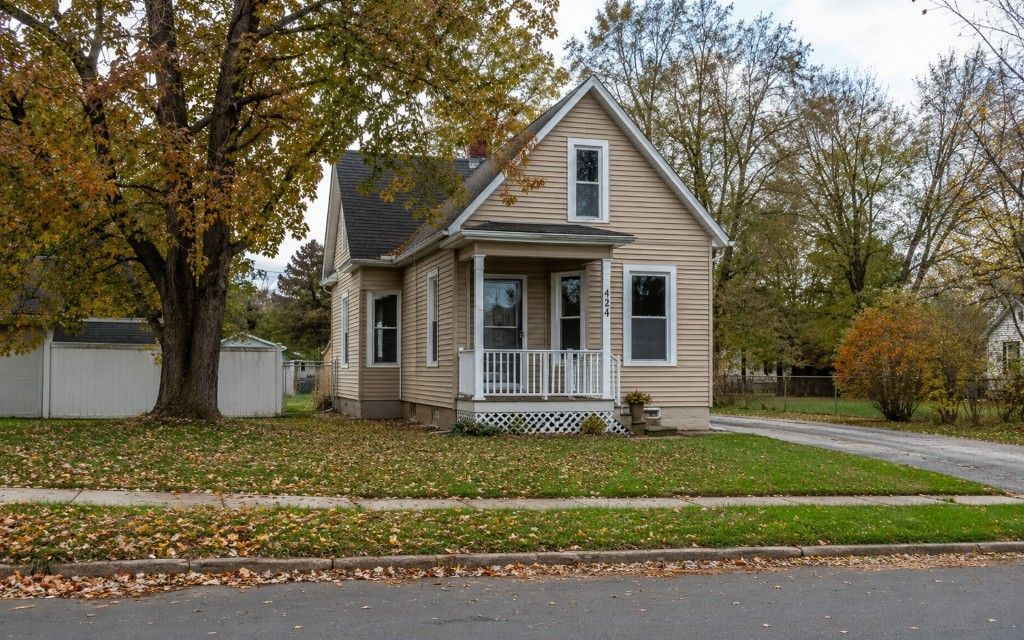
Curb appeal matters immediately. Overgrown yards, peeling paint, broken gutters, and junk in the driveway all send negative signals. The buyer starts thinking about cleanup costs before they even enter. First impressions stick, even for professional investors.
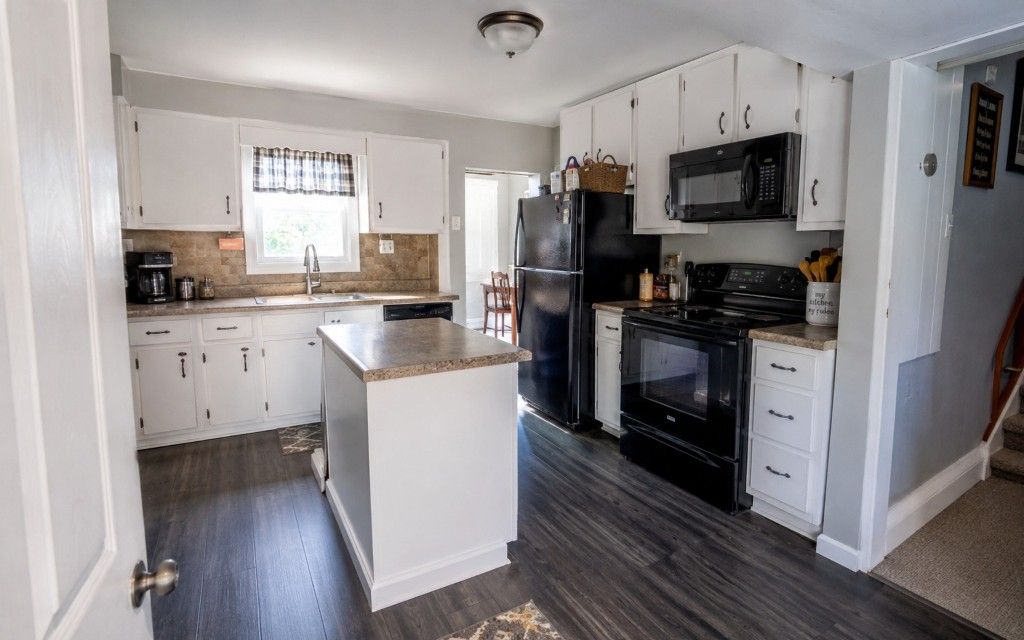
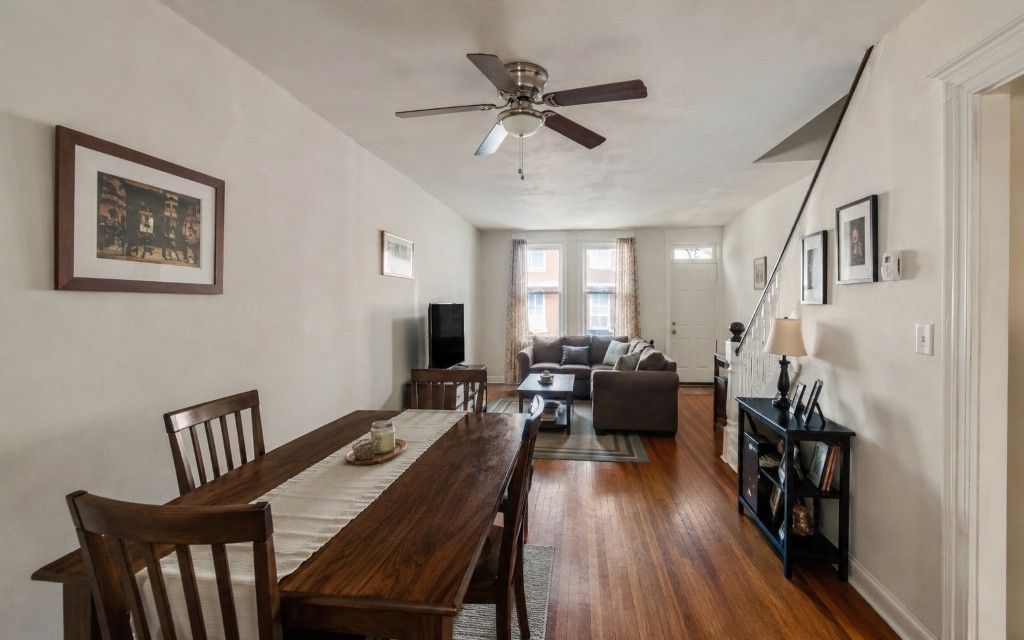
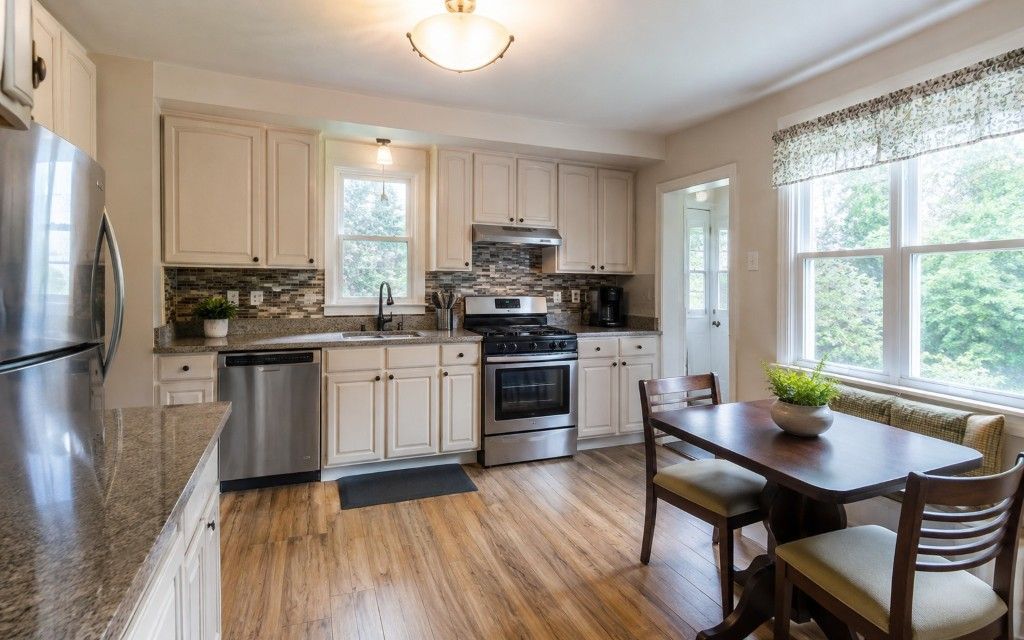
Inside the home, buyers look for signs of regular maintenance. Clean HVAC filters, working appliances, fresh paint, and organized spaces suggest a responsible owner. Stains, odors, clutter, and obvious neglect suggest bigger hidden problems.
The age of major systems also plays a role. A 20-year-old furnace might work fine today. But it could fail next month. Cash buyers account for this uncertainty. They often reduce offers based on the remaining lifespan of roofs, HVAC systems, water heaters, and appliances.
You can improve the condition without spending a fortune. Start with a deep cleaning. Remove all personal items and excess furniture. Clean every surface, including windows, floors, and bathrooms. A clean home feels cared for.
Next, handle basic maintenance. Replace air filters, fix leaky faucets, tighten loose doorknobs, and replace burned-out bulbs. These tasks cost almost nothing but show attention to detail. Mow the lawn, trim bushes, and remove any trash or debris from the yard.
Fresh paint makes a huge difference. You do not need to paint every room. Focus on areas with scuffs, stains, or outdated colors. Neutral colors work best. A few gallons of paint and a weekend of work can increase your offer by thousands.
Location and Neighborhood Impact on Cash Offers
Location affects every real estate transaction, including cash offers. Some neighborhoods attract more buyers and sell faster. Others sit on the market longer. Cash buyers adjust their offers based on where your home sits.
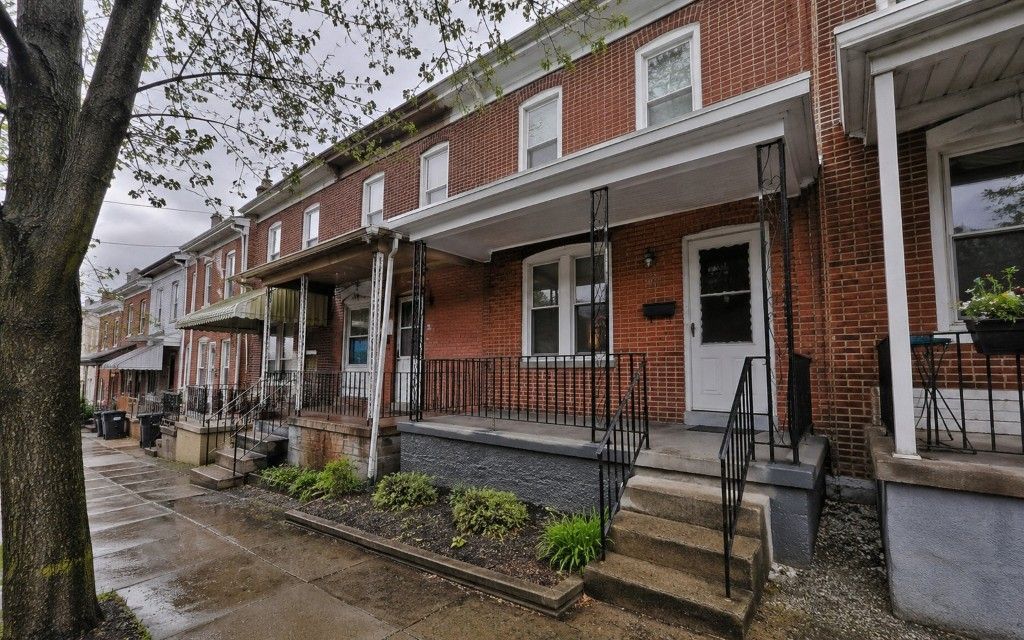
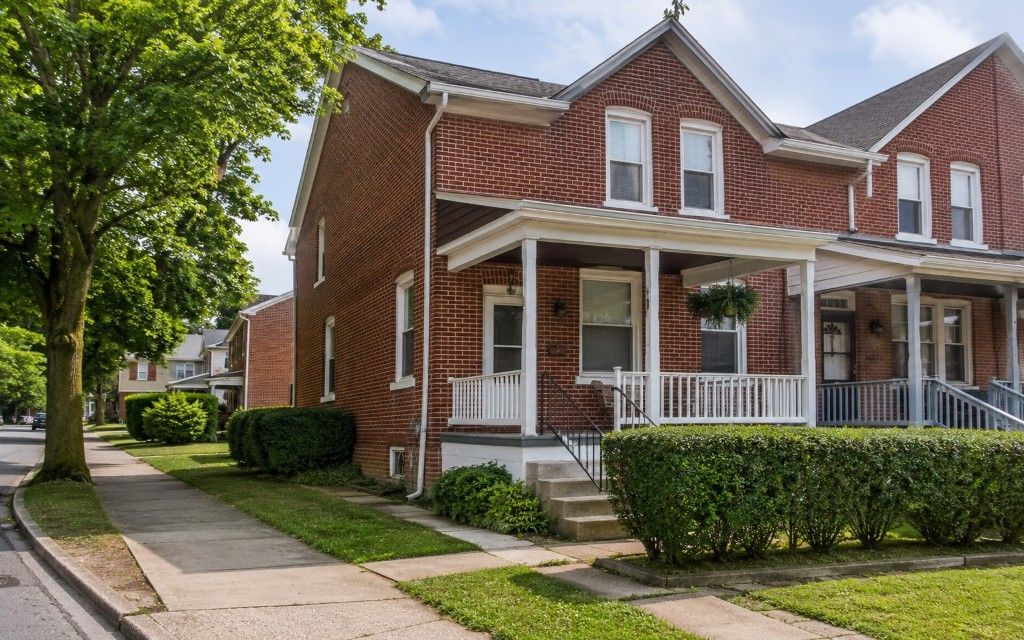
Desirable neighborhoods mean higher offers. If your home is near good schools, parks, shopping, and public transit, buyers can resell or rent more easily. They pay more because the location reduces their risk. Houses in popular areas always have demand.
Less desirable areas lead to lower offers. If crime rates are high, schools struggle, or the neighborhood looks run-down, buyers face challenges. They will need to hold the property longer or accept lower resale prices. This risk reduces what they can offer you.
Specific location factors include school district quality, crime statistics, nearby businesses and amenities, road noise or traffic, proximity to industrial areas, and future development plans. Each factor pushes the offers up or down.
Here is something important: you cannot change your location. But you can research what buyers want in your area. Companies like Pezon Properties know the Allentown market well. They understand which neighborhoods perform best.
You can highlight positive location features. Is your home within walking distance of a park? Near a new development? In a quiet cul-de-sac? Point these out. Sometimes buyers miss positive features during a quick visit.
Also, be realistic about location challenges. If your home backs up to a highway, accept that this affects value. Knowing the truth helps you evaluate offers fairly. A cash offer that seems low is strong given your location.
Research recent sales in your neighborhood. Look at similar homes that sold in the past six months. This gives you a baseline. Cash offers typically come in 10% to 30% below retail value, depending on condition and location.
Time Pressure and Motivation: Does Urgency Lower Your Price?
Your timeline and motivation affect your cash offer more than you might think. Cash buyers often sense when sellers feel desperate. This urgency can push offers lower. But understanding this dynamic helps you maintain control.
Sellers face different situations. Some need to relocate quickly for work. Others inherited a property and want it sold fast. Divorce, financial hardship, or avoiding foreclosure creates real-time pressure. Each situation affects negotiating power differently.
When you must sell immediately, buyers know you have fewer options. You cannot wait months for a traditional sale. This limited flexibility can reduce offers by 5% to 15%. Buyers understand you will likely accept less to solve your problem quickly.
However, urgency alone does not doom you to terrible offers. Professional cash buyers like Pezon Properties make fair offers regardless of your situation. They focus on property value and market conditions, not just taking advantage of desperate sellers.
Here is what matters: never reveal more urgency than necessary. You might need to sell fast, but the buyer does not need to know every detail. Share that you prefer a quick closing, but avoid explaining financial emergencies or personal problems.
Get multiple offers when possible. Even if you need to sell in 30 days, contact three or four cash buyers. Competition improves offers. When buyers know others are interested, they submit stronger bids.
Understand your true deadline. If you think you need to sell in two weeks but actually have four weeks, that extra time helps. Rushing to accept the first offer often costs thousands. Take a few days to compare options.
Be honest but strategic. If a buyer asks why you are selling, keep your answers general. "I am relocating" or "I inherited this property" works fine. You do not need to share that foreclosure starts next month or that you lost your job.
Sometimes urgency actually helps. If you can close in seven days instead of 30, some buyers will pay more. Fast closings save them money on holding costs and interest. This benefit might add several thousand to your offer.
Market Conditions and Seasonal Timing Factors
The real estate market constantly changes. These shifts affect what cash buyers can offer. Understanding market timing helps you know if your offer is truly fair.
In a strong seller's market, cash offers improve. When homes sell quickly and prices rise, cash buyers must compete harder. They increase offers to secure properties. You benefit from increased demand and limited inventory.
In a buyer's market, offers drop. When many homes sit unsold, and prices fall, cash buyers have more choices. They can be picky and offer less. Your negotiating power decreases when supply exceeds demand.
Seasonal patterns matter too. Spring and summer bring more buyers. Families want to move before the new school year. This increased activity can boost cash offers. Fall and winter see fewer buyers, which might lead to offers being lower by 5% to 10%.
Economic factors play a role. Interest rates, unemployment, local job growth, and lending standards all impact real estate. When the economy struggles, cash buyers become more cautious. They offer less because reselling becomes harder.
Local market conditions matter most. National trends mean less than what happens in
Bethlehem specifically. A neighborhood might thrive even when the broader market struggles. Research your specific area to understand current conditions.
You can time your sale strategically. Selling in late spring or early summer often brings better offers. But do not wait months for perfect timing. The carrying costs of an empty house can exceed any seasonal benefit.
Monitor recent sales in your area. If similar homes sold quickly at good prices, the market favors sellers. If properties sit for months with price cuts, expect lower cash offers. This context helps you evaluate whether an offer is fair.
Work with local experts who understand current conditions. Cash-buying companies active in your area constantly track market trends. They know what properties are selling for and what buyers want right now.
Remember that market timing is just one factor. Condition, repairs, and location still matter more. A well-maintained home in a good neighborhood will attract decent offers even in a slow market.
Frequently Asked Questions
What percentage of market value should I expect from a cash offer?
Most cash offers range from 70% to 90% of market value. The exact percentage depends on your home's condition, location, and needed repairs. A house in excellent shape in a desirable area might fetch 85% to 90% of retail value. A property needing major repairs in a slower neighborhood might receive 70% to 75%. This discount accounts for repairs, holding costs, and the buyer's profit margin. Cash buyers take on all the risk and hassle, which is why they cannot pay the full market price.
Can I negotiate a cash offer higher after receiving it?
Yes, you can often negotiate cash offers. Start by understanding why the offer came in at that amount. Ask the buyer to explain their calculations. If you disagree with their repair estimates or market value assessment, provide evidence. Recent comparable sales, contractor quotes for repairs, or professional appraisals can support your position. Also, consider getting multiple cash offers. Competition between buyers naturally pushes prices higher. Even if you cannot change the offer much, negotiating shows you are informed and might result in a few thousand dollars more.
Should I make repairs before getting a cash offer or sell as-is?
This depends on your situation and the repairs needed. Small, inexpensive fixes often make sense. Cleaning, painting, and basic maintenance typically cost little but can significantly increase your offer. Major repairs, such as roof replacement or foundation work, usually do not pay off. Cash buyers get contractor pricing and might pay half what you would. If you have time and money, fix obvious cosmetic issues. If you need to sell immediately or cannot afford repairs, sell as-is. Companies like Pezon Properties buy homes in any condition, so you always have options.

About the author
Mathew Pezon
Mathew Pezon is the founder and CEO of Pezon Properties, a cash home buying company located in Lehigh Valley, Pennsylvania. With several years of experience in the real estate industry, Mathew has become a specialist in helping homeowners sell their properties quickly and efficiently. He takes pride in providing a hassle-free, transparent, and fair home buying experience to his clients. Mathew is also an active member of his local community and is passionate about giving back. Through his company, he has contributed to various charities and causes.