How Cash Buyers Calculate Their Offers: The Real Formula Explained
Selling your home for cash can feel confusing. You may wonder how buyers arrive at their numbers. Is the offer fair? Are they trying to cheat you? Understanding what a fair cash offer for my house starts with learning the math behind these deals.
Cash buyers use a simple formula. They are not making up random numbers. Every offer follows the same basic pattern. Once you know this pattern, you can judge if an offer makes sense for your situation.
This article breaks down the exact formula companies like Pezon Properties and other cash buyers use. You will learn what gets subtracted from your home's value. You will understand why buyers need profit margins. You will see how your local market affects the final number.
By the end, you will know if a cash offer is fair. You will also understand when to accept and when to negotiate.
The Basic Cash Offer Formula Most Buyers Use
Cash buyers start with one important number: the after-repair value (ARV). This means what your house would sell for on the regular market after all repairs are done. Not what it is worth now, in rough shape, but what it could be worth fixed up.
Here is the basic formula:
Cash Offer = ARV minus Repair Costs minus Buyer Profit minus Closing Costs
Let's break this down with a real example. Say your Allentown home would sell for $200,000 if it were in perfect condition. That is your ARV. Now we subtract everything else.
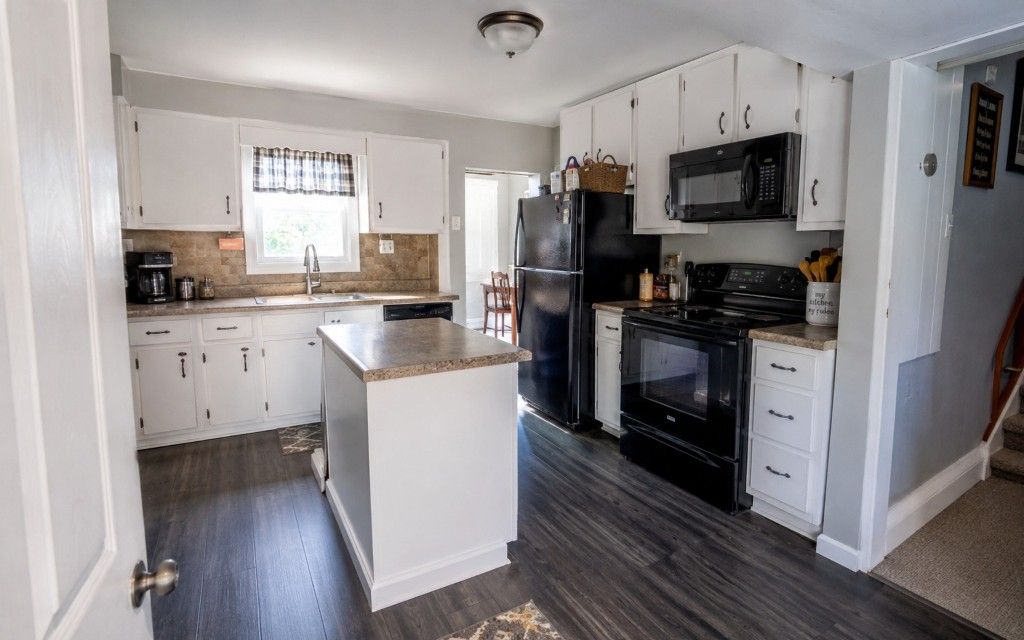
First, repair costs. Your roof needs work, the kitchen is outdated, and the basement has water damage. A contractor estimates $30,000 to fix everything. That gets subtracted.
Next, the buyer's profit margin. Most cash buyers aim for 10% to 20% of the ARV. Let's say 15% in this case. That is another $30,000 subtracted.
Finally, closing costs include title insurance, transfer taxes, and attorney fees. These usually run $5,000 to $8,000. We will use $6,000.
So the math looks like this:
$200,000 (ARV) minus $30,000 (repairs) minus $30,000 (profit) minus $6,000 (closing) = $134,000
That would be your cash offer. The number might seem low compared to the $200,000 value. But remember, you are selling as-is with zero hassle and a quick closing.
Different buyers might adjust these percentages. Some want higher profits. Some are willing to take less. But the formula stays the same. Understanding this helps you spot when an offer is way too low or actually reasonable.
What Gets Subtracted From Your Home's Value
Several costs reduce your home's potential value before you see a cash offer. Each deduction has a real reason behind it. Knowing these helps you understand what a fair cash offer for my house is in your specific situation.
Repair costs are usually the biggest deduction. Cash buyers send inspectors to look at everything. They check the roof, foundation, plumbing, electrical systems, HVAC, and more. Every problem gets a price tag. A new roof might cost $12,000. Updating the electrical system could be $8,000. Fresh paint and flooring might add another $5,000. These numbers add up fast.
Buyers use contractor quotes, not guesses. They want accurate numbers because they will actually pay these bills after buying your house. If they estimate too low, they lose money. Too high, and they risk giving you too little.
Holding costs come next. These are expenses the buyer pays while owning your property before reselling it. Property taxes keep running. Utilities stay on. Insurance is required. If your house sits for three months before resale, these costs total $3,000 to $5,000. The buyer subtracts this from their offer.
Selling costs matter too. When the buyer fixes up your house and resells it, they pay realtor commissions. That is typically 5% to 6% of the sale price. On a $200,000 house, that is $10,000 to $12,000. This gets factored into your cash offer calculation.
Closing costs happen on both ends. The buyer pays costs when purchasing from you. They pay again when selling to the next owner. Title searches, insurance, attorney fees, and transfer taxes all cost money. Smart buyers account for all of this.
Market risk is the hidden cost. Real estate markets change. What if home prices drop while the buyer is making repairs? What if the house takes longer to sell than expected? Buyers protect themselves by building in a buffer. This might mean an extra 2% to 5% deduction for uncertainty.
In Allentown, these numbers vary by neighborhood. A house near downtown might have different repair costs than one in the suburbs. Local contractors charge different rates. Property taxes change by area. All of this affects your final offer.
Why Cash Buyers Need to Make a Profit
Some sellers get upset about profit margins. They think buyers are greedy. But profit is what makes the entire cash buying business work. Without it, no one would buy houses for cash.
Think about it this way. Cash buyers take on serious risk. They pay you before knowing if they can sell for a profit. They deal with surprise repairs that inspectors missed. They handle contractor delays and cost overruns. They manage the entire renovation process. Then they hope the market stays strong enough to sell at their target price.
This is a business, not a charity. Companies like Pezon Properties have employees to pay. They have office costs, marketing expenses, and insurance premiums. They need trucks, tools, and warehouse space. All of this costs money. Profit keeps the business running so it can help the next homeowner who needs a quick sale.
The profit margin typically ranges from 10% to 20% of the after-repair value. Higher profit margins usually mean more risk. A house in terrible condition might require a 20% margin. A house in decent shape might only need 10%.
Compare this to traditional real estate. When you sell with an agent, you pay 5% to 6% in commissions. You also pay for repairs, staging, and months of mortgage payments while waiting for a buyer. You deal with inspections that might kill the deal. You risk buyers backing out at the last minute.
Cash buyers eliminate all that stress. You get certainty. You pick the closing date. You leave the mess behind. The profit margin pays for this convenience.
Fair profit margins match the level of work required. A buyer who handles a hoarder house with major structural issues deserves more profit than one buying a clean house with minor updates needed. The bigger the challenge, the higher the reasonable profit percentage.
Ask yourself: what is your time and stress worth? If getting $120,000 today beats waiting six months to get $140,000 after repairs and agent fees, the cash offer is the smart choice. The profit margin is simply the cost of convenience and certainty.
How Allentown Market Conditions Affect Your Offer
Your location matters enormously. What is a fair cash offer for my house in Allentown depends on current local market trends. The same house, in the same condition, would receive different offers across different markets.
Supply and demand drive everything. When Allentown has low inventory and many buyers, cash offers tend to rise. Buyers can resell quickly and compete against other investors. When the market has tons of homes for sale, offers drop. Buyers need bigger profit cushions because houses take longer to sell.
Right now, Pennsylvania markets show interesting patterns. Some Allentown neighborhoods stay hot year-round. Others cool down in winter. Cash buyers watch these trends closely. They adjust offers based on how fast they think they can resell.
Property taxes in Allentown affect holding costs. Higher taxes mean buyers subtract more from their offers. A house with $4,000 yearly taxes costs more to hold than one with $2,000 taxes. This might only change the offer by a few thousand dollars, but it matters.
Days-on-market statistics tell buyers a lot. If similar houses in your area sell within 30 days, buyers feel confident. They might offer more because they know they can resell quickly. If houses sit for 90 days, buyers reduce offers to protect themselves.
School districts impact resale values. Homes in top-rated Allentown school zones sell faster and for more money. Cash buyers pay attention to this. A house in a great school district might get an offer 5% higher than the same house in a lower-rated district.
Neighborhood trends matter too. Is your area improving or declining? Are new businesses opening nearby? Is crime going up or down? Buyers research all of this. Improving neighborhoods get better offers because future resale looks promising.
Seasonal changes affect offers. Spring and summer are busy selling seasons. Cash buyers might pay more because they can renovate and resell during peak months. Winter offers might drop slightly because resale takes longer.
Companies like Pezon Properties constantly track Allentown data. They know which streets sell fastest. They understand local contractor costs. They follow permit requirements and renovation timelines. This local knowledge helps them make accurate offers.
Competition among buyers also drives prices. If several cash buying companies operate in Allentown, they compete for deals. This can push offers higher. In areas with few cash buyers, offers might be lower.
The key is getting multiple offers. Talk to two or three cash buyers. Compare their numbers. Ask them to explain their calculations. A good buyer will walk you through every deduction. They will show you comparable sales. They will justify their profit margin.
Market conditions change monthly. An offer today might be different from an offer three months ago. Understanding your local market helps you evaluate if the timing is right to sell for cash.
Frequently Asked Questions
How is a cash offer actually fair?
A fair cash offer typically ranges from 50% to 70% of your home's retail value, depending on its condition and needed repairs. The best way to verify fairness is to get offers from at least three different cash buyers and compare them. Ask each buyer to break down their offer in writing. They should clearly show the after-repair value, estimated repair costs, their profit margin, and all fees. If one offer is significantly lower than the others without a good explanation, it is probably not fair. Also, check recent sales of similar homes in your neighborhood. This gives you a baseline for what your house could sell for on the regular market. Subtract realistic repair costs and selling expenses, then see if the cash offers fall in a reasonable range.
What repairs do cash buyers deduct the most money for?
Foundation problems, roof replacements, and outdated electrical or plumbing systems typically result in the largest deductions from cash offers. These are expensive fixes that require licensed professionals and can cost $10,000 to $30,000 or more. Cash buyers also deduct heavily for water damage, mold, structural issues, and code violations. Cosmetic updates like painting, flooring, and kitchen updates cost less but still get deducted. The age of major systems matters too. A 20-year-old furnace or water heater will be factored into the offer, even if it is still working. Buyers assume these will fail soon and need to be replaced. If you want a higher offer, consider getting your own inspection before talking to cash buyers. This helps you understand what deductions are coming and whether any small fixes significantly increase your offer.
Can I negotiate a cash offer, or is it take-it-or-leave-it?
Yes, you can absolutely negotiate a cash offer. Serious buyers expect some back-and-forth. Start by asking the buyer to justify their numbers. If you disagree with their repair estimates, get quotes from local contractors and share them. If you think their profit margin is too high for your home's condition, say so. Many buyers have some flexibility built into their initial offers. They might increase by 3% to 5% if you have good reasons. However, understand that cash buyers work on thin margins. They cannot usually increase offers by 20% or 30%. If their formula does not work for your situation, a traditional sale might be better. The negotiation works best when you have multiple offers to compare. Tell buyers you are talking to competitors. This encourages them to put their best number forward without playing games.

About the author
Mathew Pezon
Mathew Pezon is the founder and CEO of Pezon Properties, a cash home buying company located in Lehigh Valley, Pennsylvania. With several years of experience in the real estate industry, Mathew has become a specialist in helping homeowners sell their properties quickly and efficiently. He takes pride in providing a hassle-free, transparent, and fair home buying experience to his clients. Mathew is also an active member of his local community and is passionate about giving back. Through his company, he has contributed to various charities and causes.