Step-by-Step: What Happens With Each Selling Method

Mathew Pezon • April 30, 2026

Selling your Ridley home is a big decision. You want to understand exactly what happens from start to finish. Two main paths exist: listing with a realtor or accepting a cash offer. Each process looks very different.


Many homeowners feel confused about which route to take. The truth is, knowing the full process helps you decide. This guide walks you through both methods step by step. You will see what happens at each stage. You will learn what you need to do. And you will discover which option might work better for your situation.


The cash offer vs listing with a realtor debate comes down to understanding the timeline, effort, and outcome. Some sellers need speed and simplicity. Others want to test the open market. Neither choice is wrong. But one might be much better for your specific needs.


Let's break down both processes completely. By the end, you will know exactly what to expect with each selling method.


The Complete Realtor Listing Process


Listing with a realtor involves many steps spread over several months. Here is what happens from beginning to end.


First, you interview and hire a real estate agent. This can take one to two weeks. You meet with different agents, compare their plans, and sign a listing agreement. Most agreements last six months.


Next comes home preparation. Your agent will recommend repairs and improvements. You might paint walls, fix broken items, or update fixtures. This stage takes two to six weeks, depending on how much work is needed. You also need to deep clean and declutter your entire house.


After preparation, your agent schedules professional photos. A photographer spends a few hours capturing your home. Your agent then creates marketing materials and lists your property on the MLS (Multiple Listing Service).


Now the showing period begins. Your agent schedules appointments for buyers to tour your home. You must keep the house spotless every day. You might need to leave during showings. This period can last weeks or even months. Each showing requires you to tidy up, turn on the lights, and make the space welcoming.


When offers come in, your agent presents them to you. You review price, contingencies, and buyer qualifications. You might counteroffer several times. Negotiations can take days or weeks.


Once you accept an offer, the buyer typically has an inspection period. An inspector examines your home for problems. The buyer often requests repairs based on the inspection report. More negotiations happen here. You might agree to fix things, offer credits, or reduce the price.


The buyer also needs an appraisal if they are getting a mortgage. The home must appraise at or above the sale price. If it appraises low, you face more negotiations, or the deal might fall apart.


During this time, the buyer works on mortgage approval. This takes 30 to 45 days on average. Your home is under contract but not sold yet. The deal can still collapse if financing falls through.


Finally, you reach closing day. You sign many documents and hand over the keys. After paying the agent commission (usually 5-6%), closing costs, and any remaining mortgage, you receive your proceeds.


Total timeline: Three to six months in most cases. Sometimes longer if issues pop up.
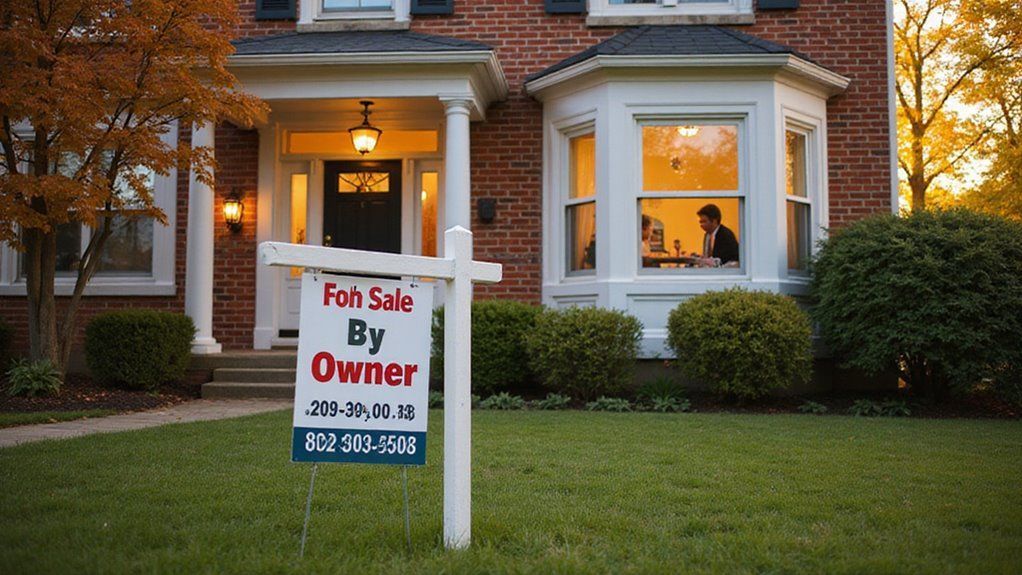
The Complete Cash Offer Process


The cash offer process moves much faster and involves far fewer steps. Here is how it works with companies like Pezon Properties.


First, you contact the cash buyer. This takes just a few minutes. You can call, fill out an online form, or send an email. You provide basic information about your home: address, size, condition, and your timeline.


Within 24 to 48 hours, the company responds. They might ask a few follow-up questions over the phone. Some companies schedule a quick property visit. Others make offers based on the information you provide. This visit is not an inspection. It is just a walkthrough to see the home.


Next, you receive a written cash offer. This usually happens within a few days of first contact. The offer is straightforward: a specific dollar amount with no contingencies. You can accept it, reject it, or ask questions.


If you accept, you pick your closing date. Many sellers close in as little as seven days. Others choose 30 days or more if they need time to move. You control the timeline completely.


There is no inspection period where buyers renegotiate. The offer you receive is the final price. Cash buyers purchase homes as-is. You do not make repairs, stage the property, or even clean it thoroughly.


Before closing, the title company does a title search. This ensures you legally own the property and can sell it. This is standard for any real estate transaction.


On closing day, you meet at the title company or attorney's office. You sign the paperwork, hand over the keys, and receive your payment. Since there is no mortgage involved, closing takes about an hour. The cash goes directly to your bank account, usually the same day or next business day.


No commission is deducted from your proceeds. No repair costs. No extended waiting periods. The process from first contact to cash in hand takes one to four weeks on average.


Total timeline: One to four weeks in most cases.


What You Need to Do With Each Option


The effort required differs dramatically between these two selling methods. Let's compare what you actually need to do.


With a realtor listing, your task list includes:


Making repairs and improvements. You fix anything broken and update outdated features. This costs money and takes time.


Deep cleaning the entire house. Every room must shine. You might hire professional cleaners.


Decluttering and depersonalizing. You remove family photos, excess furniture, and personal items. Many sellers rent storage units for this.


Staging the home. You arrange furniture to show off spaces. Some agents recommend hiring professional stagers.


Maintaining show-ready condition. Every single day, you keep the house perfect. You cannot leave dishes in the sink or clothes on the floor.


Leaving for showings. You vacate the property whenever buyers want to visit. This disrupts your schedule constantly.


Negotiating multiple times. You negotiate the initial offer, then again after inspection, and possibly after appraisal.


Coordinating repairs. After inspection, you hire contractors to fix issues. You manage this work while still keeping the house clean.


Staying flexible for 30-45 days. During the financing period, you wait and hope nothing goes wrong. You cannot make firm plans for moving.


Paying closing costs and commissions. These are deducted from your proceeds at closing.


With a cash offer, your task list includes:


Contacting the buyer. One phone call or form submission starts the process.


Answering basic questions. You provide honest information about your home's condition.


Reviewing the offer. You read the simple, straightforward offer letter.


Choosing your closing date. You pick what works for your schedule.


Showing up to closing. You sign papers and collect your money.


That is it. No cleaning. No repairs. No staging. No showings. No waiting.


The difference in effort is enormous. Listing with a realtor is like having a second job for months. Getting a cash offer requires just a few hours in total.


For Ridley sellers with busy lives, health challenges, or stressful situations, the cash route eliminates overwhelming work. For sellers with time who want maximum market exposure, the realtor route provides that opportunity.


Which Process Is Less Stressful for Ridley Sellers


Stress levels vary greatly between these two selling methods. Several factors contribute to this difference.


The realtor process creates stress through:


Uncertainty about timing. You never know when your home will sell. It might take one week or six months. This makes planning difficult.


Constant disruptions. Showings interrupt your daily life. You rush to clean before each appointment. You leave your own home repeatedly.


Multiple negotiations. Each round of negotiating raises anxiety. Will the buyer walk away? Should you counter or accept?


Deal failures. Many contracts fall through. The buyer's financing gets denied. The inspection reveals problems they won't accept. The appraisal comes in low. Each failure means starting over.


Ongoing expenses. You keep paying the mortgage, utilities, insurance, and taxes while waiting for a sale. These costs add up over months.


Emotional exhaustion. Living in a show-ready home for months drains you. You cannot relax in your own space.


The cash offer process reduces stress through:


Clear timeline. You know exactly when you will close. You can plan your move with confidence.


No showings. Your daily life continues normally. No strangers walking through your home.


Single negotiation. You review one offer and make one decision. Done.


Certainty of closing. Cash buyers do not need mortgage approval. The deal will not fall apart at the last minute.


Fixed costs. You know all the numbers upfront. No surprise repair requests or price reductions.


Quick resolution. The entire process finishes in weeks, not months. Your stress has an end date.


Some sellers facing difficult situations find cash offers especially helpful. Are you dealing with a divorce? Inherited property? Job relocation? Financial hardship? These situations already create stress. Adding months of realtor listing stress on top makes things worse.


We work with Ridley homeowners in exactly these situations. We understands that speed and simplicity matter more than squeezing out every dollar. Sometimes getting fair value fast beats getting top dollar slowly.


That said, some sellers handle realtor stress just fine. If your home is in great shape, you have time to wait, and you enjoy the process, listing might work well. Market conditions also matter. In hot markets, homes sell faster with less stress.


The key is being honest with yourself. How much stress can you handle right now? How much time do you have? What matters more: maximum price or quick certainty?


For many sellers, the cash offer process wins on stress reduction. The simplicity alone brings peace of mind. Knowing you will have cash in your account on a specific date eliminates anxiety.


Frequently Asked Questions


Can I get both a cash offer and a list with a realtor to compare?


Yes, absolutely. Many smart sellers get a cash offer first before deciding to list with a realtor. This gives you a guaranteed backup option. You know the minimum you can get right now. Then, if you list and do not like the offers you receive, or if the process becomes too stressful, you already have a cash offer waiting for you. Pezon Properties provides no-obligation offers, so getting one costs you nothing and gives you valuable information. You can make a better decision when you know all your options.


How much less is the cash offer than the listing price?


Cash offers typically range from 70% to 85% of market value, depending on your home's condition and local market. However, this comparison misses important factors. With a realtor, you pay 5-6% commission, 2-3% in closing costs, and often thousands in repairs and improvements. You also pay the mortgage and utilities for months while waiting. When you subtract these costs from the listing price, the actual difference shrinks significantly. In some cases, especially with homes needing work, sellers net nearly the same amount. The cash route just gets you that money three to five months faster.


What if my home needs major repairs?


This is where cash offers shine brightest. Realtor listings require you to fix major problems before selling, or you must significantly reduce your price. Buyers getting mortgages cannot purchase homes with serious issues because lenders will not approve loans. Cash buyers like Pezon Properties purchase homes in any condition. Foundation problems? Roof damage? Outdated systems? They buy it as-is. You avoid the cost, time, and hassle of repairs entirely. For homeowners with repair-heavy properties, cash offers often make the most financial sense when you factor in repair costs you avoid.


Mathew Pezon

About the author

Mathew Pezon

Mathew Pezon is the founder and CEO of Pezon Properties, a cash home buying company located in Lehigh Valley, Pennsylvania. With several years of experience in the real estate industry, Mathew has become a specialist in helping homeowners sell their properties quickly and efficiently. He takes pride in providing a hassle-free, transparent, and fair home buying experience to his clients. Mathew is also an active member of his local community and is passionate about giving back. Through his company, he has contributed to various charities and causes.
By Mathew Pezon July 6, 2026
Facing foreclosure is one of the most stressful experiences a homeowner can go through, and bad credit can make it feel even more impossible to find a way out. If you have been asking yourself if you can sell your house with bad credit while a foreclosure is already in motion, the answer is yes, and many homeowners do exactly that to stop the process before it goes any further. Can You Sell Your House to Stop a Foreclosure in Pennsylvania? Selling your home during foreclosure is one of the most effective ways to stop the process before it destroys your credit and your financial future. Pennsylvania law gives you a window of time between the first missed payment and the final sheriff sale, and that window is your opportunity to act. How Foreclosure Works in Pennsylvania Pennsylvania is a judicial foreclosure state. That means your lender cannot take your home without going through the court system first. The process typically takes six months to over a year from the first missed payment, which gives most homeowners real time to explore their options. Here is the general order of events: You miss one or more mortgage payments Your lender sends a Notice of Intent to Foreclose (at least 30 days before filing) The lender files a complaint in court You are served and have a chance to respond A judgment is entered if no resolution is reached A sheriff sale is scheduled Understanding this timeline is important because it shows how much room you have to sell before things become final. Can Bad Credit Block a Sale? Here is the good news: your credit score does not affect your ability to sell your home . Credit matters when you are trying to borrow money. When you are selling, the buyer is the one who needs financing, not you. Whether your score is 500 or 750, you still have the legal right to sell your property as long as you own it. What Selling During Pre-Foreclosure Actually Looks Like A pre-foreclosure home sale occurs after a lender initiates foreclosure but before the sheriff's sale takes place. During this time, you can list the home, accept an offer, and use the sale proceeds to pay off your mortgage balance. If the sale price covers what you owe, your lender gets paid, and the foreclosure stops. If it does not cover the full balance, you may be able to negotiate a short sale with your lender, which requires their approval but can still prevent a full foreclosure from hitting your record.
By Mathew Pezon July 3, 2026
Divorce is hard enough without the added stress of figuring out what to do with the family home. If you and your soon-to-be-ex-spouse own a house together in Allentown, PA, we can give you a faster, simpler way to settle that part of your divorce and help both of you move forward. How Does Selling a Marital Home for Cash Help During a Divorce? When two people decide to divorce, the family home is often the largest shared asset they own together. Selling it the traditional way means hiring an agent, making repairs, staging the property, waiting for buyers, and hoping the deal does not fall apart at the last minute. That process can take three to six months, and the emotional toll of dragging out that time is significant. A cash sale removes most of those steps entirely. There are no open houses, no strangers walking through at inconvenient times, and no waiting on bank financing that could collapse the deal. You receive a firm offer, agree on a closing date, and both parties can walk away with their share of the proceeds. The Emotional Side of Selling During Divorce When a marriage ends, the last thing most people want is a months-long process filled with constant communication, joint decisions, and shared access to the home. The traditional listing process forces both spouses to cooperate on repairs, pricing, and showing schedules, sometimes over many months. A cash sale shortens that window dramatically, often closing in as little as two to three weeks. Less time means fewer opportunities for conflict. Avoiding Costly Repairs Before the Sale In a divorce, neither party may want to spend money on fixing up a property they both want to leave behind. Traditional buyers expect move-in-ready homes and often request repairs after inspection. How the Timeline Compares A traditional home sale in Scranton can take 60 to 90 days from listing to closing, sometimes longer. Our process works differently. After you contact us, we typically provide a no-obligation cash offer within 24 hours. If you accept, we can close in as few as 7 to 14 days, or on whatever schedule works best for your situation. That kind of speed matters when both spouses need a clean financial break.
By Mathew Pezon July 2, 2026
If you have ever typed "what is my house worth" into a search bar, you are not alone. Millions of homeowners ask that question every year, and many of them turn to their property tax bill for a quick answer. Understanding whether your tax assessed value actually reflects your home's market value is more complicated than it looks, and getting it wrong can cost you money. How Is My Property Tax Assessment Determined in Pennsylvania? Pennsylvania uses a property tax assessment system to calculate how much you owe in property taxes each year. But the way each county arrives at that number varies more than most homeowners realize. The Role of the County Assessor Each county in Pennsylvania has its own assessor's office. That office is responsible for placing a dollar value on every property in the county. In Lehigh County, which covers Allentown, the assessor's office sets assessed values that are then used to calculate your annual tax bill. The assessor does not visit your home every year. Most counties rely on mass appraisal methods, which use neighborhood sales data, property records, and statistical models to estimate values for thousands of homes at once. This saves time and money, but it also introduces errors. How the Millage Rate Works Once your property has an assessed value, the county applies a millage rate to calculate your tax bill. A millage rate is simply a tax rate expressed in dollars per thousand dollars of assessed value. For example, if your assessed value is $150,000 and the millage rate is 20 mills, your annual tax would be $3,000. Different taxing bodies, including the county, the municipality, and the local school district, each set their own millage rates. Those rates are added together to produce your total bill. In Allentown , the combined millage from all three taxing bodies can push your effective rate significantly higher than the county portion alone. The Assessment Ratio in Pennsylvania Here is where things get confusing. Pennsylvania law allows counties to assess properties at a percentage of their actual market value, not at 100 percent. This percentage is called the common level ratio or CLR. Each county publishes its CLR annually, and it can vary widely. If Lehigh County's CLR is 75 percent, a home with a market value of $200,000 might carry an assessed value of only $150,000. This is by design, but it means your assessed value is never a direct answer to the question "what is my house worth on the open market."
By Mathew Pezon July 2, 2026
Searching homes for sale by price range without a budget is like grocery shopping without knowing what's in your wallet. Before you start filtering listings in Allentown, PA, you need a clear number in mind, and this guide walks you through exactly how to find it. How Do You Figure Out What Price Range You Can Afford in Allentown, PA? Getting your price range right from the start saves you time, frustration, and heartbreak. Nobody wants to fall in love with a home they cannot actually buy. Start With Your Gross Monthly Income Your gross income is what you earn before taxes and deductions. Lenders use this number, not your take-home pay, to decide how much they will lend you. A common starting point is the 28/36 rule. This means: No more than 28% of your gross monthly income should go toward housing costs. No more than 36% should go toward all debt combined, including your future mortgage. So if your household brings in $6,000 per month before taxes, your target housing payment would sit around $1,680 or less. That number directly shapes which price tiers make sense for you. Use a Home Buying Budget Calculator A home-buying budget calculator takes the math off your plate. You enter your income, debts, and expected down payment, and it spits out a realistic price range in seconds. Several free calculators are available online through lenders and real estate sites. We recommend using two or three of them and comparing the results. If the numbers are consistent, you have a reliable baseline to start your Allentown home search.
By Mathew Pezon June 30, 2026
If you've ever checked 30-year fixed mortgage rates today and wondered why the number looks different from what it did last week, you're not alone. Rates shift constantly, and most homeowners have no idea what's actually driving those changes. This article breaks down exactly how lenders set these rates, what external forces push them up or down, and why understanding this process matters whether you're buying, refinancing, or considering selling. Why Do 30 Year Fixed Mortgage Rates Change Every Day? Most people assume a bank just picks a rate. In reality, mortgage rates are the result of several moving parts working together at the same time. By the time a lender posts a rate online, that number has already been shaped by financial markets, investor demand, and internal risk calculations. The Mortgage Market Moves in Real Time Mortgage lenders don't set rates once a week and call it done. They monitor financial markets throughout the day and adjust their pricing as conditions shift. Bond prices change by the hour. Investor demand rises and falls. Economic reports get released at 8:30 in the morning and can move rates before most people have had their coffee. This is why the rate you see on Monday morning might not be available by Monday afternoon. Lenders are reacting to live data, not guessing. Inflation Expectations Drive Rate Direction One of the biggest forces behind daily rate movement is inflation. When investors expect prices to rise, they demand higher returns on their investments to keep up with inflation. That pressure flows directly into mortgage rates. Think of it this way: a lender agrees to lock in your rate for 30 years. If inflation erodes the value of those payments, the lender loses purchasing power over time. Higher inflation expectations mean higher rates to compensate for that risk. Economic Reports and Rate Sensitivity Certain economic data releases can shift mortgage rates on the same day they are released. Reports like the Consumer Price Index, the jobs report, and GDP growth numbers are all closely watched. Strong economic data usually pushes rates higher. Weak data often brings them down. Understanding this helps explain why rates rarely stay flat for long. The economy never stops moving, and neither do the markets that price home loans in Upper Mount Bethel Township, PA .
By Mathew Pezon June 29, 2026
If you are preparing to sell or buy a home in Middletown, PA , understanding the breakdown of closing costs can save you from many surprise expenses at the finish line. This article walks you through exactly which costs fall on the buyer, which fall on the seller, and where there is room to negotiate. Most people know that closing costs exist. What trips them up is not knowing who owes what. The split is not always 50/50, and it is not random either. There is a general pattern to how these costs are assigned, and once you understand it, the whole process feels much less intimidating. What Closing Costs Do Buyers Pay That Sellers Do Not? Buyers tend to carry the heavier load when it comes to closing costs. This makes sense because the buyer is the one taking out a loan, setting up a new account with a lender, and starting fresh with a property. Most of the fees buyers pay are tied directly to that borrowing process. Mortgage Origination and Lender Fees The mortgage origination fee is one of the highest costs a buyer faces at closing. This fee is what the lender charges for processing and underwriting the loan. It is usually between 0.5% and 1% of the total loan amount. On a $250,000 home, that could mean $1,250 to $2,500 paid at the table. Buyers also pay for: Loan discount points, which are optional fees paid up front to lower the interest rate Credit report fees, charged by the lender to pull your financial history Appraisal fees, which confirm the home is worth what you agreed to pay Home inspection fees, which check the condition of the property before you close Prepaid Expenses and Escrow Setup Beyond lender fees, buyers are responsible for prepaid expenses. These are costs paid in advance to cover ongoing expenses like homeowners' insurance, property taxes, and mortgage interest. Lenders require these up front to fund your escrow account, which is a separate account your lender manages to pay these bills on your behalf. Typical prepaid items include: The first year of homeowners' insurance Two to three months of property taxes Prepaid daily mortgage interest from closing day to the month end These prepaid expenses can add another $2,000 to $5,000 to a buyer's closing costs, depending on the loan amount and local tax rates. Title and Settlement Fees for Buyers Buyers also pay a portion of title-related fees. The lender's title insurance policy is required in almost every transaction, and that cost falls on the buyer. This policy protects the lender if any ownership disputes come up after the sale. Buyers can also purchase their own owner's title insurance policy, though it is optional in most states. Settlement or closing fees, which cover the cost of the attorney or title company managing the transaction, are sometimes split but often fall mostly on the buyer.
By Mathew Pezon June 26, 2026
Before you tour a single home, you need to know what you can actually afford. A house affordability calculator is one of the simplest tools you can use to answer that question clearly and quickly, without guessing or overstretching your budget. In this guide, we walk you through how these calculators work, what numbers you need to enter, and why the results matter, especially for buyers in Hanover Township, PA . Whether you are buying your first home or your fifth, understanding affordability before you shop saves you time, stress, and money. What Does a House Affordability Calculator Actually Measure? A house affordability calculator does more than spit out a home price. It takes a close look at your full financial picture and tells you how much house your income can realistically support each month. It Estimates Your Monthly Payment, Not Just a Purchase Price Most buyers focus only on the listing price of a home. But the number that truly matters is your monthly payment estimate, because that is what hits your bank account every single month for the next 15 or 30 years. A good calculator breaks that monthly number into its parts: Principal and interest on your mortgage loan Property taxes, which vary by county and municipality Homeowner's insurance Private mortgage insurance, or PMI, is required if your down payment is below 20 percent Together, these four items are often called PITI. When you see a calculator output a monthly figure, it is typically adding all four of these costs together. It Applies Lending Guidelines to Your Situation Lenders do not just look at your income in isolation. They look at your debt-to-income ratio, which is the percentage of your gross monthly income that goes toward debt payments. This includes your future mortgage, car loans, student loans, credit card minimums, and any other recurring obligations. Most conventional lenders prefer a debt-to-income ratio at or below 43 percent. Some loan programs, like FHA loans, popular with first-time buyers, allow slightly higher ratios. A house affordability calculator uses this same logic to filter your results and show you a home price range that a lender would likely approve. It Helps You Avoid Overbuying Getting pre-approved for a large loan does not mean you should spend every dollar of it. Being house-rich and cash-poor is a real trap many buyers fall into. Calculators help you find the difference between what you qualify for and what actually fits your lifestyle comfortably. That gap can be surprisingly large.
By Mathew Pezon June 25, 2026
If you are asking whether you should buy a house in 2026, you are not alone. Buyers across the country, including many right here in Plainfield Township, PA , are watching the market closely and wondering if now is the right time to make a move. This article breaks down what current housing data is telling us so you can make a confident, informed decision. The short answer is: it depends on your situation. But the longer answer requires a look at mortgage rates, home prices, and available inventory. We will walk you through each piece so you understand exactly what you are stepping into before you sign anything. Is the 2026 Housing Market a Good Time to Buy a Home? The housing market forecast for 2026 is cautiously optimistic for buyers. Conditions have shifted meaningfully compared to the frenzy of 2021 and 2022. That does not mean it is easy, but it does mean you have more breathing room than buyers did a few years ago. What Shifted After the Rate Spike Years Between 2022 and 2024, rapidly rising mortgage rates significantly slowed buyer demand. Many would-be buyers stepped back and waited. That created a pause in the market, and some of that pressure has started to ease heading into 2026. Buyer demand is picking back up in many regions, but it has not reached the frenzied levels of previous years. In markets like Allentown, PA, that shift means you may have a better chance of getting an offer accepted without a bidding war. Sellers have become more realistic about pricing. Inspection contingencies are back on the table in many deals. That represents a real change from where things stood just a few years back.
By Mathew Pezon June 24, 2026
Selling your home starts long before you sign anything. If you want the best outcome, you need to know the real estate agent selection criteria questions that separate a great agent from an average one. This guide gives homeowners in Forks Township, PA a clear, step-by-step interview framework so you can walk into any first meeting with confidence and walk out with the right answers. How Do You Prepare for a Real Estate Agent Interview? Most homeowners show up to a first meeting with a realtor without a plan. That is a mistake. Preparation is what turns a casual conversation into a useful evaluation. When you treat the meeting like a real interview, you get real information. Write Down Your Goals Before You Meet Anyone Before you sit across from any agent, write down what you actually need. Ask yourself: How fast do you need to sell? Do you have a specific price in mind? Are you okay with open houses and strangers walking through your home? Do you need to coordinate your sale with the purchase of another property? Your answers will shape which agent interview tips matter most to you. An agent who is great for someone with six months to sell may be a poor fit for someone who needs to close in 30 days. Research Agents Before the Meeting Do not walk in blind. Look up each agent online before you meet them. Check their recent sales in Allentown. Look at how many homes they closed in the past 12 months and how long those homes sat on the market. Read Google and Zillow reviews carefully. Look for patterns, not just star ratings. Pull together a simple agent comparison checklist. Write each agent's name across the top and leave space to grade them on experience, communication style, local knowledge, and fees. This one tool will save you hours of second-guessing later. Know Your Non-Negotiables Every homeowner has deal-breakers. Maybe you refuse to pay more than 5% in commission. Maybe you need an agent who responds to texts within the hour. Maybe you want someone who has sold homes specifically in your neighborhood, not just somewhere in the Lehigh Valley. Write these down before your first meeting with any realtor. When you know your non-negotiables, you stop wasting time on agents who are not a good fit.
By Mathew Pezon June 23, 2026
What do real estate agents do when a buyer walks through the door ready to find a home? They do a lot more than just open doors and hand over keys. This article walks you through exactly how a buyer's agent searches for properties, schedules showings, and guides clients all the way to a signed purchase agreement. If you have ever wondered whether working with an agent is worth it or are exploring every option available to you as a buyer, this guide will give you a clear picture of what the process actually looks like. And if speed and simplicity are more important to you than the traditional route, we also offer a direct path that skips it altogether. What Do Real Estate Agents Do During a Home Search for Buyers? The home search phase is where buyers spend most of their time. A good buyer's agent acts as your guide, your filter, and your advocate all at once. Understanding this phase helps you decide whether traditional buying is right for your situation. Setting Up Your Home Search Criteria Before any searching begins, your agent sits down with you to build out your home search criteria. This includes your budget, preferred neighborhoods, must-have features, and deal-breakers. In a market like Lehigh Township, PA where neighborhoods vary widely, getting specific early saves a lot of wasted time. Your agent will also ask for your pre-approval letter from a lender. This document tells sellers you are a serious buyer with financing ready to go. Without it, many sellers will not even consider your offer. A skilled agent will not schedule a single showing until you have this in hand. Once the criteria are set, the agent loads your preferences into the MLS (Multiple Listing Service). This is the main database agents use to find available homes. You get automated alerts when new matches hit the market, sometimes hours before they appear on public sites like Zillow.