Selling a House That Needs Repairs: Cash Buyer vs Realtor

Mathew Pezon • April 28, 2026

Your house needs work. The roof leaks. The kitchen cabinets hang crookedly. Maybe the carpet smells like old pets. Now you need to sell, and you wonder which path makes sense.


Should you fix everything and list with a realtor? Or should you skip the repairs and sell to a cash buyer? The answer depends on your situation, your timeline, and how much work your house really needs.


This guide breaks down both options when your property needs repairs. You will learn what realtors expect, how cash buyers work differently, and which choice saves you money when your house is not in perfect shape.


Can You List a Fixer-Upper With a Realtor


Yes, you can list a house that needs repairs with a realtor. Realtors sell fixer-uppers every day. But the process works differently from selling a move-in-ready home.


First, your realtor will want to assess the damage. They need to know what buyers will see when they walk through the door. Major problems such as foundation cracks, roof damage, or electrical issues will affect your listing price. Small problems like chipped paint or old fixtures matter less.


Most realtors will suggest you make some repairs before listing. They know that first impressions matter. A house with visible problems sits on the market longer. It also gets lower offers. Buyers see problems and imagine more problems hiding behind the walls.


Your realtor might recommend basic fixes like fresh paint, new carpet, or minor plumbing repairs. These small updates can increase your sale price enough to cover the cost. But major repairs like a new roof or HVAC system are different. Those cost thousands of dollars, and you might not get that money back.


When you list a fixer-upper, expect fewer showings. Many buyers want move-in ready homes. They scroll past listings that mention "needs TLC" or "investor special." The buyers who do come through often make low offers. They calculate the repair costs and subtract that amount from their bid.


Traditional mortgage buyers face another problem. Their lender might refuse to approve a loan if the house fails inspection. Issues like mold, structural damage, or safety hazards can kill a deal after you have already invested time and money.


Pezon Properties works with Allentown homeowners who face this exact situation. Some sellers try the realtor route first, then switch to a cash offer when repairs become overwhelming.


The timeline also gets longer with a realtor. You need time to make repairs, stage the home, hold open houses, and wait for the right buyer. If your house needs major work, this process can take months.
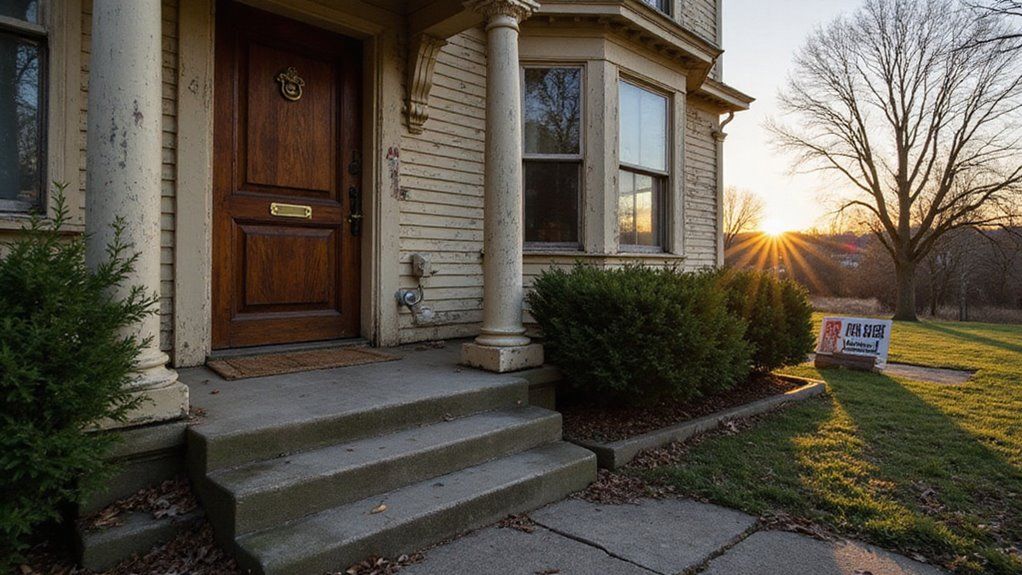

How Cash Buyers Handle Houses That Need Work


Cash buyers like Pezon Properties
buy houses in any condition. You do not fix anything. You do not clean. You do not paint or replace broken windows. The house sells exactly as it sits.


Here is how the process works. You contact a cash buyer and describe your property. They ask basic questions about the house size, location, and condition. Many cash buyers will visit the property for a quick walkthrough. This is not a formal inspection. They just want to see the house with their own eyes.


Within a few days, the cash buyer makes an offer. This offer accounts for all the repairs your house needs. They calculate the cost to fix the roof, update the kitchen, replace the flooring, and handle any other issues. Then they subtract those costs from what the house would sell for in good condition.


The offer might seem lower than realtors' listing price estimates. But remember, those realtor estimates assume you complete repairs first. The cash offer is net money in your pocket with zero repair costs.


If you accept the cash offer, the buyer handles everything. They work with a title company to prepare paperwork. You pick a closing date that works for your schedule. Most cash buyers can close in seven to fourteen days if you need speed.


No one inspects the property and demands repairs. No buyer backs out because their lender sees foundation problems. No appraiser says the house is worth less than the contract price. The deal stays simple from start to finish.


Cash buyers also handle houses with serious problems that would never pass a traditional sale. Houses with fire damage, major water leaks, code violations, or structural issues all qualify. Some properties have liens, unpaid taxes, or legal complications. Cash buyers often purchase these properties too.


You also avoid realtor commissions, which typically run 5% to 6% of the sale price. On a $150,000 house, that saves you $9,000. You avoid closing costs that sellers usually pay. And you skip staging costs, photography, and marketing expenses.


The tradeoff is the lower offer price. But when you add up repair costs, realtor fees, and months of mortgage payments while the house sits on the market, the cash offer often puts more money in your pocket faster.


Which Option Saves You More With a Problem Property


The math changes based on your specific house and situation. Let's walk through a real example.


Imagine you own a house worth $200,000 in perfect condition. But your house needs $30,000 in repairs. The roof needs replacement. The HVAC system died. The
bathroom has water damage. What are your real options?


Option one is listing with a realtor. You spend $30,000 on repairs yourself. You pay a 6% realtor commission, which equals $12,000. You pay $3,000 in closing costs. The house sits on the market for 60 days, costing you two more mortgage payments of $1,200 each. Your net profit is $200,000 minus $30,000 minus $12,000 minus $3,000 minus $2,400. That equals $152,600.


Option two is selling to a cash buyer as-is. The cash buyer offers $155,000. You pay no repairs, no commissions, no closing costs. You close in 10 days and make one mortgage payment of $1,200. Your net profit is $155,000 minus $1,200. That equals $153,800.


In this example, the cash offer nets you more money, even though the offer price seems lower. The savings come from skipping repairs and fees.


Now change the numbers. Say the repairs only cost $10,000 and you can complete them yourself. The realtor route might net more profit because the repair costs have dropped. Your house may need $50,000 in repairs. The cash offer looks even better because professional contractors charge so much.


Your timeline also matters for the math. If you need to move for a new job next month, paying the mortgage and utilities for 90 days while you wait for a buyer can get expensive. The faster you close on a cash sale, the more money you save every week your house sits empty.


Consider your stress level, too. Managing contractors, cleaning for showings, and negotiating with picky buyers creates headaches. Some sellers pay extra for peace of mind and simplicity.


Pezon Properties helps Allentown homeowners run these numbers for their specific situation. Every house is different, and honest advice beats pushy sales tactics.


Common Repairs That Affect Your Selling Decision


Some repairs are deal-breakers for traditional buyers but do not matter to cash buyers. Knowing which problems fall into this category helps you choose the right selling method.


Foundation problems scare traditional buyers and their lenders. Cracks in basement walls, uneven floors, or doors that do not close properly signal foundation issues. Fixing a foundation costs $5,000 to $30,000, depending on severity. Most mortgage lenders will not approve a loan until foundation repairs are complete. Cash buyers purchase houses with foundation problems all the time.


Roof damage is another big one. A roof costs $8,000 to $15,000 to replace on an average house. Buyers see missing shingles or water stains on ceilings and imagine expensive problems. If your roof is old or damaged, a cash sale skips the replacement cost.


Mold and water damage make lenders nervous. Even small amounts of visible mold can kill a traditional sale. Professional mold removal costs thousands. Water damage to floors, walls, or ceilings requires extensive repairs. These issues push sellers toward cash buyers.


Outdated electrical and plumbing systems cause problems during inspections. Knob-and-tube wiring or galvanized pipes flag safety concerns. Updating these systems means opening walls and major construction. Cash buyers expect older systems in older houses.


HVAC problems matter less to cash buyers than traditional buyers. A broken furnace or air conditioner costs $5,000 to $10,000 to replace. Buyers using mortgages often demand that the seller fix or replace the HVAC before closing. Cash buyers factor the cost into their offer and handle it themselves.


Cosmetic issues like old carpet, outdated kitchens, or ugly paint colors affect both selling methods. These repairs cost less but take time. With a realtor, you might update the cosmetic appeal to attract buyers. With a cash buyer, you skip these updates entirely.


Code violations create special problems. You could have finished a basement without permits. Or added a deck that does not meet current codes. These issues can stall a traditional sale while you bring everything up to code. Cash buyers purchase properties with code violations.


The key question is this: Does your house have problems that prevent a traditional mortgage approval? If yes, a cash buyer is your best path. If the problems are mostly cosmetic, a realtor might work fine.


Frequently Asked Questions


Can I get a fair price from a cash buyer if my house needs major repairs?


Yes, but the price reflects actual repair costs. Cash buyers calculate what your house would sell for in good condition, then subtract the cost of professional repairs. The offer might seem low compared to online estimates, but those estimates assume your house is already fixed. A fair cash buyer shows you their math and explains the offer. Companies like Pezon Properties provide transparent breakdowns, so you understand where the numbers come from. The offer is fair when it saves you more than fixing everything and listing with a realtor while also giving you a faster, easier sale.


How long does it take to sell a house that needs repairs to a cash buyer?


Most cash buyers can close in seven to fourteen days if you need speed. Some sellers choose a longer timeline to coordinate their move or find new housing. The process starts with a quick property visit or description. The cash buyer makes an offer within a few days. Once you accept, the title company prepares paperwork. You pick your closing date. Unlike traditional sales, there is no inspection period, no appraisal delays, and no waiting period for mortgage approval. The simple process means you control the timeline instead of waiting for buyers, banks, and inspectors.


What repairs should I definitely make before selling, even to a cash buyer?


You do not need to make any repairs before selling to a cash buyer. That is the whole point. Cash buyers purchase houses as-is. However, clearing out personal belongings and trash helps the buyer see the property clearly. Extreme hoarding situations or piles of junk make evaluating the house harder. Basic cleaning costs you nothing but time. Beyond that, skip the repairs. Do not waste money on new paint, carpet, or appliances when selling for cash. The buyer plans to renovate anyway. Your repair money does not increase the cash offer enough to justify the expense and effort.


Mathew Pezon

About the author

Mathew Pezon

Mathew Pezon is the founder and CEO of Pezon Properties, a cash home buying company located in Lehigh Valley, Pennsylvania. With several years of experience in the real estate industry, Mathew has become a specialist in helping homeowners sell their properties quickly and efficiently. He takes pride in providing a hassle-free, transparent, and fair home buying experience to his clients. Mathew is also an active member of his local community and is passionate about giving back. Through his company, he has contributed to various charities and causes.
By Mathew Pezon April 27, 2026
Selling your house is a big decision. One of the first questions you need to answer is how quickly you need to sell. The timeline matters a lot when choosing between a cash offer and listing with a realtor. Some homeowners have plenty of time to wait for the right buyer. Others need to sell fast because of a job change, financial trouble, or family emergency. Understanding how long each method takes helps you pick the right path for your situation. In Allentown, PA, both options are available to homeowners. A traditional realtor listing follows a longer, more detailed process. A cash offer from companies like Pezon Properties works much faster. Let's break down exactly how long each method takes and when speed matters most. How Long Does Listing With a Realtor Take Listing your house with a realtor is the traditional way to sell. This method usually takes between three and six months from start to finish. However, the timeline can stretch much longer depending on your local market and home condition. The process starts with finding and hiring a realtor. This alone can take one to two weeks. You need to interview agents, compare their plans, and sign a listing agreement. Good realtors are worth the search, but it takes time. Next comes home preparation. Most realtors recommend making repairs and updates before listing. You should paint the walls, fix broken items, deep-clean, and stage the home. This preparation phase typically takes two to four weeks. Some homes need even more work if they have serious issues. After your home hits the market, you wait for showings and offers. In a hot market, this might only take a few weeks. In a slower market, your house could sit for months. The average home in Pennsylvania stays on the market for about 30 to 45 days before getting an offer. Once you accept an offer, the buyer usually needs a mortgage. The mortgage approval process adds another 30 to 45 days. During this time, the buyer gets a home inspection. If the inspection finds problems, you might need to make repairs or lower your price. These negotiations can add another week or two. The buyer's lender also requires an appraisal. If the appraisal comes in lower than the sale price, you face more delays and possible renegotiations. Some deals fall apart completely at this stage, sending you back to square one. Finally, you reach closing day. Even after everything is approved, scheduling the closing takes another one to two weeks. You need to coordinate with lawyers, the title company, and all parties involved. Add it all up, and listing with a realtor typically means waiting 90 to 180 days for your money. Some homes sell faster, but many take longer. If something goes wrong, such as a failed inspection or buyer backing out, you start over and add months to your timeline.
By Mathew Pezon April 24, 2026
Selling your house is a big deal. You want to get as much money as possible. But the selling price is not what you actually keep. Many homeowners are surprised when they see how much money disappears in fees and costs. Let's say your house sells for $200,000. That sounds great, right? But after you pay everyone who helped with the sale, you might keep only $170,000, or even less. Where did that $30,000 go? This article breaks down the real numbers. We will compare what you pay when you list with a realtor versus when you accept a cash offer. By the end, you will know exactly how much money stays in your pocket with each option. This matters because sometimes the lower offer actually puts more money in your bank account. When you understand all the costs, you can make a smarter choice. Pezon Properties works with homeowners in Allentown, PA, who want to see both options clearly before deciding. Let's look at where your money goes with each path. What You Pay When Selling With a Realtor Listing your home with a realtor means paying several different fees. These costs add up fast. Let's break down each one so you know what to expect. Realtor Commission: This is the highest cost. Most realtors charge 5% to 6% of your selling price. This fee gets split between your agent and the buyer's agent. On a $200,000 home, a 6% commission equals $12,000. You pay this at closing, so it comes right out of your proceeds. Home Repairs and Updates: Buyers who get mortgages are picky. Their lender requires the home to meet certain standards. You might need to fix the roof, update the electrical system, or replace broken appliances. Paint, carpet, and landscaping help your home sell faster. These repairs can cost anywhere from $5,000 to $20,000 or more, depending on your home's condition. Staging and Photography: To attract buyers, your realtor may suggest professional staging and photography. This means renting furniture to make empty rooms look good. Professional photos cost $200 to $500. Some sellers spend $1,000 to $3,000 on staging. Closing Costs: Sellers usually pay some closing costs. These include title insurance, transfer taxes, and attorney fees. In Pennsylvania, transfer taxes are 2% of the sale price. On a $200,000 home, that is $4,000. Add another $1,000 to $2,000 for other closing expenses. Carrying Costs While Listed: Your home might sit on the market for 30, 60, or 90 days. During this time, you still pay the mortgage, property taxes, insurance, and utilities. If your monthly costs are $1,500, three months add another $4,500. Concessions to Buyers: After a home inspection, buyers often ask for credits or repairs. Give them $2,000 off the price to fix something they found. This is common in traditional sales. Add it all up. On a $200,000 sale, you could pay $25,000 to $35,000 in total costs. That means you keep $165,000 to $175,000, not the full $200,000.
By Mathew Pezon April 23, 2026
Selling your house is a big decision. You want to make the right choice for your situation. Cash offers can seem tempting, but they are not always the best path forward. So, how does selling a house for cash work, and when should you consider it? The process is simpler than a traditional sale. A company like Pezon Properties reviews your home, makes an offer, and can close in as little as seven days. No repairs. No showings. No waiting. But simple does not always mean best. This guide will help you understand when cash sales make sense and when you should explore other options. You will learn how to spot scams and what questions to ask before you sign anything. When Selling for Cash Is Your Best Option Cash sales work best in specific situations. If you face any of these scenarios, a cash offer might be your smartest move. You need to sell quickly. You may be relocating for work. You may have inherited a property in another state. Or you might be facing foreclosure. When time matters more than money, cash buyers can close in days instead of months. Traditional sales average 30 to 45 days after an offer is accepted. That timeline assumes nothing goes wrong. Cash sales skip the mortgage approval process entirely, which removes the biggest delay. Your house needs major repairs. Does your roof leak? Are the floors damaged? Is there termite damage ? Traditional buyers usually want move-in ready homes. They struggle to get mortgages for properties that need extensive work. Cash buyers purchase homes in any condition. You will not spend thousands on repairs before listing. Companies like Pezon Properties in Allentown, PA, buy houses as-is, saving you time and hassle. You want to avoid showing hassles. Traditional sales mean open houses and private showings. You clean constantly. You leave when strangers tour your home. You live in show-ready condition for weeks or months. Cash sales skip all of this. One quick walk-through and you are done. You owe back taxes or liens. Serious debts attached to your property complicate traditional sales. Cash buyers can often work directly with lienholders. They handle the paperwork and negotiations. You walk away with whatever equity remains after settling debts. The property is vacant or becoming a burden. Empty homes cost money. You pay insurance, utilities, taxes, and maintenance. If you cannot afford these costs or do not want the responsibility, selling for cash stops the financial bleeding immediately.
By Mathew Pezon April 22, 2026
Selling your house for cash can feel like stepping into unknown territory. What happens on closing day? Will you really get paid? Where do you go? Who else will be there? The good news is that cash closings are much simpler than traditional home sales. There are fewer steps, fewer people involved, and less waiting around. When you understand how selling a house for cash works, you will feel more confident about the whole process. This guide walks you through exactly what happens on closing day when you sell to a cash buyer. You will learn where you go, what papers you sign, and when the money hits your account. By the end, closing day will feel like just another appointment instead of a scary unknown. How Cash Closings Are Different From Traditional Closings Traditional home sales involve many people and many steps. A typical closing includes the buyer, the seller, two real estate agents, a lender, and a title company representative. Everyone has to coordinate schedules. The buyer's mortgage has to be approved at the last minute. Sometimes closings get delayed because the bank needs more paperwork. Cash closings cut out most of these complications. There is no mortgage lender, as the buyer already has the funds. This means no last-minute loan denials. No waiting for bank approvals. No extra inspections demanded by mortgage companies. At a cash closing, you typically meet with just the title company representative. Some cash buyers, like Pezon Properties in Allentown, PA, handle everything through the title company, so you do not even need to meet the buyer in person. This keeps things simple and comfortable. The timeline is also much faster. Traditional closings usually happen 30 to 45 days after you accept an offer. Cash closings can happen in as little as seven days. Some sellers close in two weeks. You get to pick a date that works for your schedule. Another big difference is the paperwork. Traditional closings involve stacks of documents. You sign your name dozens of times. Cash closings have fewer papers because there are no mortgage documents to review. You still sign important papers like the deed transfer, but the whole process takes 30 minutes instead of two hours. Cash buyers also purchase homes "as is" in most cases. This means no repairs before closing. No renegotiating after inspections. What you agree to at the start is what happens at closing. This removes a lot of stress and uncertainty from the process.
By Mathew Pezon April 21, 2026
Selling your house for cash is faster than a traditional sale. You skip the bank loans and waiting periods. But you still need paperwork to make it legal and official. Many homeowners worry about documents. They think selling for cash means tons of confusing forms. The good news? A cash sale actually needs fewer documents than a regular sale. You do not need mortgage approval papers or bank statements. This guide shows you exactly what documents you need to sell your house for cash in Pennsylvania. We will cover what you must provide, what the buyer brings, and what to do if you are missing something. Understanding how selling a house for cash works starts with knowing your paperwork. When you know what to gather ahead of time, the whole process moves smoothly. You can close in as little as seven days when everything is ready. Let's break down each document you need and why it matters. Required Documents for Every Cash Home Sale Every as-is home sale in Pennsylvania needs certain basic documents. These prove you own the house and can legally sell it. Think of these as the must-have items on your checklist. First, you need your property deed. This paper shows that you are the legal owner. If you paid off your mortgage, you should have received the deed in the mail. If you still owe money on the house, your mortgage company holds it. Don't worry if you cannot find your deed. We will explain how to get a copy later. Second, gather your photo ID. A driver's license or state ID works perfectly. The title company needs to verify your identity before the sale. This protects everyone from fraud. Third, collect any home inspection reports you have. These are not always required, but they help. If you had an inspection done in the past few years, include it. Cash buyers like Pezon Properties often buy houses as-is, so old reports still provide useful information. Fourth, find your property tax records. These show your current tax status. The title company checks to make sure all taxes are paid. If you owe back taxes, the buyer usually pays them at closing and subtracts that amount from your offer. Fifth, get your utility bills for the past month. This includes electric, gas, water, and sewer. These prove the utilities are in your name. They also help the buyer understand monthly costs. Sixth, locate your homeowner's insurance policy. You need to show proof of coverage up to the closing date. After closing, you can cancel the policy and get a refund for unused months. Lastly, bring any HOA documents you have. Homeowner association papers include rules, fees, and contact information. Not every neighborhood has an HOA, so skip this if it does not apply to you. These seven items form the core of your document checklist. Most homeowners already have these papers somewhere in their house. Start looking for them as soon as you decide to sell.
By Mathew Pezon April 20, 2026
Selling your house for cash is different from a normal home sale. You won't list on the market or wait for bank loans. Instead, a company like Pezon Properties looks at your house and gives you an offer in days. But how does selling a house for cash work, exactly? What do these buyers look at? How do they decide what to pay? This guide breaks down the cash offer process step by step. You'll learn what buyers check during their visit, how they calculate offers, why cash offers differ from retail prices, and whether you can negotiate. By the end, you'll know exactly what to expect. What Cash Buyers Look at When They Visit Your House When a cash home buyer visits your property, they are not looking at it the same way a regular buyer would. A family buying a home wants a place that feels perfect. Cash buyers see your house as a business deal. They need to know what repairs cost and what the home will sell for later. The first thing they notice is the overall condition. Are the walls clean? Does the roof look old? Do the floors need work? They walk through every room and make notes. They check the kitchen and bathrooms closely because those rooms cost the most to fix. Next, they look at major systems. They want to see the furnace, air conditioner, water heater, and electrical panel. If these are old or broken, repairs can cost thousands of dollars. The buyer will factor that into their offer. They also look at the foundation and structure. Cracks in walls or sloping floors mean serious problems. Water damage in the basement is a red flag. These issues lower the value because they are expensive to repair. Outside, they check the roof, siding, and yard. A worn-out roof can cost $10,000 or more to replace. Peeling paint or rotted wood also adds to repair costs. The yard condition matters less, but overgrown bushes or dead trees can still affect the price. Cash buyers also think about location. Is your house in a desirable neighborhood? Are there good schools nearby? Is crime low? Location affects how quickly they can resell the home and at what price. Finally, they compare your home to others nearby. They look at recent sales in your area. If similar homes sold for $150,000, they know roughly what yours might bring on the open market. This comparison helps them calculate a fair cash offer. The visit usually takes 15 to 30 minutes. The buyer is friendly but focused. They are gathering facts to build their offer. There is no pressure and no obligation. You can ask questions during the visit and get honest answers.
By Mathew Pezon April 17, 2026
Selling your house for cash sounds simple, but many homeowners wonder exactly how the process works. If you are thinking about selling to a company like Pezon Properties in Allentown, PA, you want to know what happens at each step. This guide breaks down the entire cash sale process from your first phone call to the day you get paid. Understanding how to sell a house for cash helps you feel confident about your decision. You will see exactly what to expect, how long things take, and how cash sales differ from regular home sales. Let's walk through every part of this process together. What Makes Cash Home Sales Different From Traditional Sales When you sell your house the traditional way, you list it with a real estate agent. You clean, repair, and stage your home. Then you wait for buyers to schedule showings. After someone makes an offer, they usually need to get a mortgage loan approved. This whole process takes months and costs you money in commissions and repairs. Cash home sales work completely differently. A cash buyer, like Pezon Properties, buys your house directly from you. No real estate agents are involved. You do not need to fix anything or clean up. The buyer does not need bank approval because they pay in cash or through quick funding. This means the sale can happen in days instead of months. Another big difference is certainty. Traditional sales can fall through when a buyer's loan gets denied. This happens more often than you might think. About 8% of all home sales fail right before closing because of financing problems. With a cash sale, there is no loan to worry about. Once you accept an offer, the deal almost always goes through. You also avoid many traditional selling costs. No agent commissions (which usually cost 5% to 6% of your sale price). No closing costs in most cases. No money spent on repairs or upgrades. What you see in the offer is what you actually get. The trade-off is usually a lower sale price than market value. Cash buyers need to make a profit when they resell or rent your property. They also assume all repair costs and risks. For many homeowners facing foreclosure, going through a divorce, or needing to move quickly, this trade-off makes perfect sense.
By Mathew Pezon April 16, 2026
Selling your house for cash is much faster than a regular sale. But many homeowners wonder: how does selling a house for cash work, and what exactly happens each step of the way? When you sell to a cash buyer like Pezon Properties, you skip most of the waiting that comes with traditional home sales. There are no bank approvals, no buyer financing falling through, and no months of uncertainty. Instead, you get a clear timeline from start to finish. This guide walks you through every step of the cash offer process. You will learn what happens in the first 24 hours, what to expect during the first week, and how quickly you can get to closing day. By the end, you will understand the entire timeline and know exactly what to expect when you sell your house for cash in Allentown, PA. How Long Does It Take to Sell a House for Cash The typical cash home sale takes 7 to 14 days from start to finish. This is dramatically faster than traditional sales, which usually take 30 to 60 days or longer. Why the big difference? Traditional buyers need to get a mortgage. That means the bank must approve the loan, order an appraisal, and review mountains of paperwork. Any hiccup can delay closing by weeks or even cause the deal to fall apart completely. Cash buyers skip all of that. They have the money ready to go. Once you accept the offer, the only things left are paperwork and a title search to ensure the property is clear to sell. Here is the basic timeline breakdown: Day 1: You contact a cash buyer and share basic details about your home. Most companies respond within hours with an initial estimate or to schedule a viewing. Days 2 to 3: The buyer visits your property or reviews photos. Some companies make offers without even seeing the house in person, though most prefer a quick walkthrough. Days 3 to 5: You receive a written cash offer. This offer is usually good for 7 days, giving you time to think it over or compare with other buyers. Days 7 to 10: Once you accept, the title company starts working. They run a title search to check for liens, unpaid taxes, or other issues that could block the sale. Days 10 to 14: Closing day arrives. You sign papers, hand over keys, and get your cash payment. In some urgent cases, companies like Pezon Properties can close in as little as 7 days if you need to move quickly. The exact timeline depends on your situation. If there are title issues or you need more time to move out, closing might take a bit longer. But most cash sales wrap up in under two weeks from first contact to final payment.
By Mathew Pezon April 15, 2026
Selling a house the traditional way can feel overwhelming. You might worry about repairs, showings, and waiting months for the right buyer. But there is another option. You can sell your house for cash. This process is faster and much simpler. So, how does selling a house for cash work? It breaks down into five easy steps. Each step is clear and straightforward. You do not need to fix anything. You do not need to wait for bank approvals. And you can often close in just days or weeks. Pezon Properties helps homeowners in Allentown sell their houses quickly for cash. We have helped hundreds of people skip the stress of traditional selling. This guide will walk you through each step of our process. By the end, you will know exactly what to expect. Let's get started. Step 1: Contact Us and Share Basic Information The first step is the easiest. You reach out to us. You can call, fill out a form on our website, or send an email. We make it simple to get started. When you contact Pezon Properties, we will ask you a few basic questions. We want to know about your house and your situation. Do not worry, this is not a long interview. We keep it short and simple. Here is what we typically ask: Where is your house located? How many bedrooms and bathrooms does it have? What condition is the house in? When do you need to sell? Why are you selling? You do not need to know every detail. Just give us your best answers. We are not trying to trick you or catch you in a mistake. We just want to understand your situation. Some people worry about sharing too much information. But remember, we are here to help. The more we know, the better we can serve you. Maybe you inherited a house you do not want. Maybe you are going through a divorce. You may be behind on payments. Whatever your reason, we have seen it before. This first conversation usually takes about 10 to 15 minutes. You can do it from your couch. No pressure. No obligation. Just a simple chat about your house and what you need. After we talk, we will schedule a time to see your property. That leads us to step two.
By Mathew Pezon April 14, 2026
Selling your house is a big decision. You want to make the right choice for your situation. Two main options exist: selling for cash or listing with a real estate agent. Each path works differently. Understanding these differences helps you pick what works best for you. Many homeowners in Allentown, PA, wonder how selling a house for cash works compared to the traditional route. The answer involves looking at speed, costs, and the condition your home needs to be in. Cash sales move faster and incur lower fees. Traditional sales often bring higher prices but take longer and require more work. This guide breaks down the key differences. You will learn how each process works. You will see the pros and cons of both options. By the end, you will know which path makes sense for your needs. How Cash Sales Are Faster Than Traditional Listings Time matters when selling a house. Cash sales finish much quicker than traditional listings. Here is why. When you list with a real estate agent, you start a long process. First, you prepare your home for sale. This means repairs, cleaning, and staging. This preparation alone can take weeks or even months. Next, your agent lists the property and schedules showings. You wait for buyers to tour your home. This waiting period varies, but the average home sits on the market for 30 to 60 days in many areas. After you get an offer, more waiting begins. The buyer needs to secure financing from a bank. Mortgage approval takes 30 to 45 days on average. During this time, the bank orders an appraisal. If the appraisal comes in low, the deal might fall through. You start over from square one. The buyer also orders a home inspection. Problems found during inspection often lead to more negotiations or repair requests. Each step adds time to the timeline. Cash sales work completely differently. Companies like Pezon Properties can make an offer within 24 to 48 hours of seeing your home. You do not wait for bank approvals because there is no mortgage involved. The buyer already has the money ready to go. No appraisal is required. No financing contingencies exist to slow things down. You can often close in as little as 7 to 14 days with a cash buyer. Some sellers close even faster if they need to. You pick the closing date that works for your schedule. This speed helps people facing foreclosure, relocating for work, or dealing with inherited property. When life throws you a curveball, waiting four months to sell is not always possible. The inspection process is simpler, too. Cash buyers do a quick walkthrough to assess the property. They are not looking for reasons to back out. They already plan to buy your house in whatever condition it is in. This removes a major source of delays and stress from the selling process.