Is Selling Your House for Cash Right for You: Pros, Cons, and Alternatives

Mathew Pezon • April 23, 2026

Selling your house is a big decision. You want to make the right choice for your situation. Cash offers can seem tempting, but they are not always the best path forward.


So, how does selling a house for cash work, and when should you consider it? The process is simpler than a traditional sale. A company like Pezon Properties reviews your home, makes an offer, and can close in as little as seven days. No repairs. No showings. No waiting.


But simple does not always mean best. This guide will help you understand when cash sales make sense and when you should explore other options. You will learn how to spot scams and what questions to ask before you sign anything.


When Selling for Cash Is Your Best Option


Cash sales work best in specific situations. If you face any of these scenarios, a cash offer might be your smartest move.


You need to sell quickly. You may be relocating for work. You may have inherited a property in another state. Or you might be facing foreclosure. When time matters more than money, cash buyers can close in days instead of months. Traditional sales average 30 to 45 days after an offer is accepted. That timeline assumes nothing goes wrong. Cash sales skip the mortgage approval process entirely, which removes the biggest delay.


Your house needs major repairs. Does your roof leak? Are the floors damaged? Is there termite damage? Traditional buyers usually want move-in ready homes. They struggle to get mortgages for properties that need extensive work. Cash buyers purchase homes in any condition. You will not spend thousands on repairs before listing. Companies like Pezon Properties in Allentown, PA, buy houses as-is, saving you time and hassle.


You want to avoid showing hassles. Traditional sales mean open houses and private showings. You clean constantly. You leave when strangers tour your home. You live in show-ready condition for weeks or months. Cash sales skip all of this. One quick walk-through and you are done.


You owe back taxes or liens. Serious debts attached to your property complicate traditional sales. Cash buyers can often work directly with lienholders. They handle the paperwork and negotiations. You walk away with whatever equity remains after settling debts.


The property is vacant or becoming a burden. Empty homes cost money. You pay insurance, utilities, taxes, and maintenance. If you cannot afford these costs or do not want the responsibility, selling for cash stops the financial bleeding immediately.
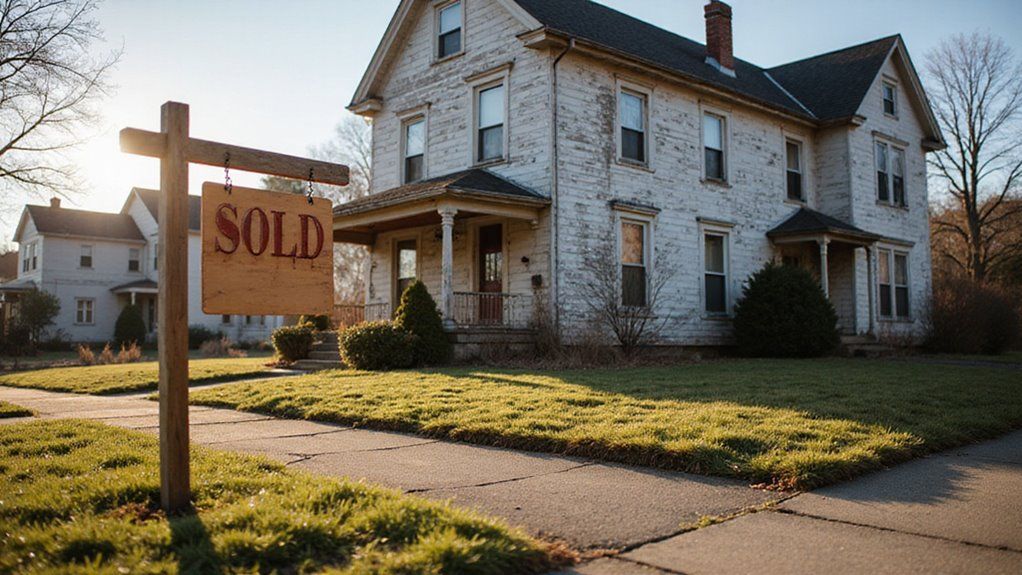
Situations Where Traditional Sales Might Be Better


Cash offers convenience, but it comes with trade-offs. Sometimes the traditional route makes more financial sense.


Your home is in excellent condition. Beautiful, updated homes attract multiple offers in traditional sales. Competition drives up prices. You might receive offers above the asking price. Cash buyers typically offer 50% to 70% of market value because they factor in repair costs and profit margins. If your house needs minimal work, you leave money on the table with a cash sale.


You can wait for the right buyer. The traditional market favors patient sellers in good neighborhoods. You might wait 60 to 90 days, but the higher sale price often justifies the wait. Calculate the difference between offers. If waiting three extra months nets you $40,000 more, that patience pays $13,000 per month.


You want to reach more buyers. Listing on the MLS exposes your property to thousands of potential buyers. More eyeballs mean more offers. Cash buyers represent a tiny fraction of the market. Most homebuyers need mortgages. Limiting yourself to cash-only buyers shrinks your options dramatically.


Your local market is hot. In seller's markets, homes sell quickly at premium prices. You get the best of both worlds: speed and top dollar. Check recent sales in your neighborhood. If homes sell within two weeks at full asking price, you probably do not need a cash buyer.


You need to maximize every dollar. Moving costs money. Buying your next home requires cash for a down payment. If you need maximum proceeds, the traditional route usually delivers. Yes, you pay agent commissions (typically 5% to 6%). But the higher sale price often outweighs these costs. Do the math before deciding.

How to Protect Yourself From Cash Buyer Scams


Not all cash buyers operate honestly. Some use deceptive tactics. Protect yourself by watching for these red flags.


Pressure to sign quickly. Legitimate buyers give you time to think. Scammers create fake urgency. They claim their offer expires in hours. They say other sellers are waiting. Do not fall for this. Real companies like Pezon Properties provide written offers with reasonable timeframes for your decision.


Requests for upfront fees. You should never pay to receive a cash offer. Scammers ask for appraisal fees, processing fees, or administrative costs. Legitimate buyers cover their own expenses. Any request for money before closing is a major warning sign.


Vague or changing offers. Watch out for buyers who will not put offers in writing. Some quote high numbers verbally, then lower the price at closing. Get everything in writing. Review contracts carefully. The final number should match the initial offer unless you agreed to specific deductions.


No proof of funds.
Real cash buyers can prove they have money available. Ask for a proof-of-funds letter from their bank. This document confirms they can actually purchase your property. If they cannot provide this, walk away.


Unclear company information. Research any company before signing contracts. Check their website, read reviews, and verify their physical address. Search for complaints with the Better Business Bureau. Established companies have track records you can verify. Mystery buyers with no online presence should raise concerns.


Unusual contract terms. Some scammers include clauses that let them back out without penalty while locking you in. Others add confusing language about fees or deductions. Have an attorney review any contract before signing. The small legal fee protects you from expensive mistakes.


Questions to Ask Before Accepting Any Cash Offer


Smart sellers gather information before making decisions. Ask these questions when evaluating cash offers.


What is your final offer? Get the actual amount you will receive at closing. Some companies advertise high numbers but deduct fees later. Ask for a net sheet showing all costs. This document lists the offer price, any deductions, and your final payout.


How did you calculate this offer? Understanding the numbers helps you evaluate fairness. Ask what comparable sales they used. Find out what repair costs they estimated. This conversation reveals whether they assessed your property fairly.


What is your timeline? Know exactly when you will close. Can you choose the closing date? Some sellers need time to find new housing. Others want to close immediately. Make sure the timeline matches your needs.


Are there any fees or costs I will pay? Legitimate buyers typically cover closing costs. Confirm this in writing. Ask about any deductions from the offer price. Hidden fees turn a good offer into a bad deal.


Can you provide references? Established buyers gladly share references from past sellers. Contact these references and ask about their experiences. Were offers honored? Did closings happen on schedule? Would they work with this buyer again?


What happens if issues arise during closing? Even simple transactions hit occasional snags. Ask how the buyer handles title issues or other unexpected problems. Professional buyers have processes for resolving these situations.


Do you have proof of funds? This question confirms the buyer can actually complete the purchase. A legitimate company provides this documentation immediately. Hesitation suggests they might not have the money available.


Understanding how selling a house for cash works means knowing when to say yes and when to say no. Cash sales suit specific situations perfectly. They solve urgent problems and eliminate traditional selling headaches. But they are not right for everyone.


Evaluate your circumstances honestly. Consider both financial and personal factors. Get multiple offers. Ask tough questions and demand clear answers. Whether you choose cash or traditional, knowledge helps you make the best decision for your future.


Mathew Pezon

About the author

Mathew Pezon

Mathew Pezon is the founder and CEO of Pezon Properties, a cash home buying company located in Lehigh Valley, Pennsylvania. With several years of experience in the real estate industry, Mathew has become a specialist in helping homeowners sell their properties quickly and efficiently. He takes pride in providing a hassle-free, transparent, and fair home buying experience to his clients. Mathew is also an active member of his local community and is passionate about giving back. Through his company, he has contributed to various charities and causes.
By Mathew Pezon April 24, 2026
Selling your house is a big deal. You want to get as much money as possible. But the selling price is not what you actually keep. Many homeowners are surprised when they see how much money disappears in fees and costs. Let's say your house sells for $200,000. That sounds great, right? But after you pay everyone who helped with the sale, you might keep only $170,000, or even less. Where did that $30,000 go? This article breaks down the real numbers. We will compare what you pay when you list with a realtor versus when you accept a cash offer. By the end, you will know exactly how much money stays in your pocket with each option. This matters because sometimes the lower offer actually puts more money in your bank account. When you understand all the costs, you can make a smarter choice. Pezon Properties works with homeowners in Allentown, PA, who want to see both options clearly before deciding. Let's look at where your money goes with each path. What You Pay When Selling With a Realtor Listing your home with a realtor means paying several different fees. These costs add up fast. Let's break down each one so you know what to expect. Realtor Commission: This is the highest cost. Most realtors charge 5% to 6% of your selling price. This fee gets split between your agent and the buyer's agent. On a $200,000 home, a 6% commission equals $12,000. You pay this at closing, so it comes right out of your proceeds. Home Repairs and Updates: Buyers who get mortgages are picky. Their lender requires the home to meet certain standards. You might need to fix the roof, update the electrical system, or replace broken appliances. Paint, carpet, and landscaping help your home sell faster. These repairs can cost anywhere from $5,000 to $20,000 or more, depending on your home's condition. Staging and Photography: To attract buyers, your realtor may suggest professional staging and photography. This means renting furniture to make empty rooms look good. Professional photos cost $200 to $500. Some sellers spend $1,000 to $3,000 on staging. Closing Costs: Sellers usually pay some closing costs. These include title insurance, transfer taxes, and attorney fees. In Pennsylvania, transfer taxes are 2% of the sale price. On a $200,000 home, that is $4,000. Add another $1,000 to $2,000 for other closing expenses. Carrying Costs While Listed: Your home might sit on the market for 30, 60, or 90 days. During this time, you still pay the mortgage, property taxes, insurance, and utilities. If your monthly costs are $1,500, three months add another $4,500. Concessions to Buyers: After a home inspection, buyers often ask for credits or repairs. Give them $2,000 off the price to fix something they found. This is common in traditional sales. Add it all up. On a $200,000 sale, you could pay $25,000 to $35,000 in total costs. That means you keep $165,000 to $175,000, not the full $200,000.
By Mathew Pezon April 22, 2026
Selling your house for cash can feel like stepping into unknown territory. What happens on closing day? Will you really get paid? Where do you go? Who else will be there? The good news is that cash closings are much simpler than traditional home sales. There are fewer steps, fewer people involved, and less waiting around. When you understand how selling a house for cash works, you will feel more confident about the whole process. This guide walks you through exactly what happens on closing day when you sell to a cash buyer. You will learn where you go, what papers you sign, and when the money hits your account. By the end, closing day will feel like just another appointment instead of a scary unknown. How Cash Closings Are Different From Traditional Closings Traditional home sales involve many people and many steps. A typical closing includes the buyer, the seller, two real estate agents, a lender, and a title company representative. Everyone has to coordinate schedules. The buyer's mortgage has to be approved at the last minute. Sometimes closings get delayed because the bank needs more paperwork. Cash closings cut out most of these complications. There is no mortgage lender, as the buyer already has the funds. This means no last-minute loan denials. No waiting for bank approvals. No extra inspections demanded by mortgage companies. At a cash closing, you typically meet with just the title company representative. Some cash buyers, like Pezon Properties in Allentown, PA, handle everything through the title company, so you do not even need to meet the buyer in person. This keeps things simple and comfortable. The timeline is also much faster. Traditional closings usually happen 30 to 45 days after you accept an offer. Cash closings can happen in as little as seven days. Some sellers close in two weeks. You get to pick a date that works for your schedule. Another big difference is the paperwork. Traditional closings involve stacks of documents. You sign your name dozens of times. Cash closings have fewer papers because there are no mortgage documents to review. You still sign important papers like the deed transfer, but the whole process takes 30 minutes instead of two hours. Cash buyers also purchase homes "as is" in most cases. This means no repairs before closing. No renegotiating after inspections. What you agree to at the start is what happens at closing. This removes a lot of stress and uncertainty from the process.
By Mathew Pezon April 21, 2026
Selling your house for cash is faster than a traditional sale. You skip the bank loans and waiting periods. But you still need paperwork to make it legal and official. Many homeowners worry about documents. They think selling for cash means tons of confusing forms. The good news? A cash sale actually needs fewer documents than a regular sale. You do not need mortgage approval papers or bank statements. This guide shows you exactly what documents you need to sell your house for cash in Pennsylvania. We will cover what you must provide, what the buyer brings, and what to do if you are missing something. Understanding how selling a house for cash works starts with knowing your paperwork. When you know what to gather ahead of time, the whole process moves smoothly. You can close in as little as seven days when everything is ready. Let's break down each document you need and why it matters. Required Documents for Every Cash Home Sale Every as-is home sale in Pennsylvania needs certain basic documents. These prove you own the house and can legally sell it. Think of these as the must-have items on your checklist. First, you need your property deed. This paper shows that you are the legal owner. If you paid off your mortgage, you should have received the deed in the mail. If you still owe money on the house, your mortgage company holds it. Don't worry if you cannot find your deed. We will explain how to get a copy later. Second, gather your photo ID. A driver's license or state ID works perfectly. The title company needs to verify your identity before the sale. This protects everyone from fraud. Third, collect any home inspection reports you have. These are not always required, but they help. If you had an inspection done in the past few years, include it. Cash buyers like Pezon Properties often buy houses as-is, so old reports still provide useful information. Fourth, find your property tax records. These show your current tax status. The title company checks to make sure all taxes are paid. If you owe back taxes, the buyer usually pays them at closing and subtracts that amount from your offer. Fifth, get your utility bills for the past month. This includes electric, gas, water, and sewer. These prove the utilities are in your name. They also help the buyer understand monthly costs. Sixth, locate your homeowner's insurance policy. You need to show proof of coverage up to the closing date. After closing, you can cancel the policy and get a refund for unused months. Lastly, bring any HOA documents you have. Homeowner association papers include rules, fees, and contact information. Not every neighborhood has an HOA, so skip this if it does not apply to you. These seven items form the core of your document checklist. Most homeowners already have these papers somewhere in their house. Start looking for them as soon as you decide to sell.
By Mathew Pezon April 20, 2026
Selling your house for cash is different from a normal home sale. You won't list on the market or wait for bank loans. Instead, a company like Pezon Properties looks at your house and gives you an offer in days. But how does selling a house for cash work, exactly? What do these buyers look at? How do they decide what to pay? This guide breaks down the cash offer process step by step. You'll learn what buyers check during their visit, how they calculate offers, why cash offers differ from retail prices, and whether you can negotiate. By the end, you'll know exactly what to expect. What Cash Buyers Look at When They Visit Your House When a cash home buyer visits your property, they are not looking at it the same way a regular buyer would. A family buying a home wants a place that feels perfect. Cash buyers see your house as a business deal. They need to know what repairs cost and what the home will sell for later. The first thing they notice is the overall condition. Are the walls clean? Does the roof look old? Do the floors need work? They walk through every room and make notes. They check the kitchen and bathrooms closely because those rooms cost the most to fix. Next, they look at major systems. They want to see the furnace, air conditioner, water heater, and electrical panel. If these are old or broken, repairs can cost thousands of dollars. The buyer will factor that into their offer. They also look at the foundation and structure. Cracks in walls or sloping floors mean serious problems. Water damage in the basement is a red flag. These issues lower the value because they are expensive to repair. Outside, they check the roof, siding, and yard. A worn-out roof can cost $10,000 or more to replace. Peeling paint or rotted wood also adds to repair costs. The yard condition matters less, but overgrown bushes or dead trees can still affect the price. Cash buyers also think about location. Is your house in a desirable neighborhood? Are there good schools nearby? Is crime low? Location affects how quickly they can resell the home and at what price. Finally, they compare your home to others nearby. They look at recent sales in your area. If similar homes sold for $150,000, they know roughly what yours might bring on the open market. This comparison helps them calculate a fair cash offer. The visit usually takes 15 to 30 minutes. The buyer is friendly but focused. They are gathering facts to build their offer. There is no pressure and no obligation. You can ask questions during the visit and get honest answers.
By Mathew Pezon April 17, 2026
Selling your house for cash sounds simple, but many homeowners wonder exactly how the process works. If you are thinking about selling to a company like Pezon Properties in Allentown, PA, you want to know what happens at each step. This guide breaks down the entire cash sale process from your first phone call to the day you get paid. Understanding how to sell a house for cash helps you feel confident about your decision. You will see exactly what to expect, how long things take, and how cash sales differ from regular home sales. Let's walk through every part of this process together. What Makes Cash Home Sales Different From Traditional Sales When you sell your house the traditional way, you list it with a real estate agent. You clean, repair, and stage your home. Then you wait for buyers to schedule showings. After someone makes an offer, they usually need to get a mortgage loan approved. This whole process takes months and costs you money in commissions and repairs. Cash home sales work completely differently. A cash buyer, like Pezon Properties, buys your house directly from you. No real estate agents are involved. You do not need to fix anything or clean up. The buyer does not need bank approval because they pay in cash or through quick funding. This means the sale can happen in days instead of months. Another big difference is certainty. Traditional sales can fall through when a buyer's loan gets denied. This happens more often than you might think. About 8% of all home sales fail right before closing because of financing problems. With a cash sale, there is no loan to worry about. Once you accept an offer, the deal almost always goes through. You also avoid many traditional selling costs. No agent commissions (which usually cost 5% to 6% of your sale price). No closing costs in most cases. No money spent on repairs or upgrades. What you see in the offer is what you actually get. The trade-off is usually a lower sale price than market value. Cash buyers need to make a profit when they resell or rent your property. They also assume all repair costs and risks. For many homeowners facing foreclosure, going through a divorce, or needing to move quickly, this trade-off makes perfect sense.
By Mathew Pezon April 16, 2026
Selling your house for cash is much faster than a regular sale. But many homeowners wonder: how does selling a house for cash work, and what exactly happens each step of the way? When you sell to a cash buyer like Pezon Properties, you skip most of the waiting that comes with traditional home sales. There are no bank approvals, no buyer financing falling through, and no months of uncertainty. Instead, you get a clear timeline from start to finish. This guide walks you through every step of the cash offer process. You will learn what happens in the first 24 hours, what to expect during the first week, and how quickly you can get to closing day. By the end, you will understand the entire timeline and know exactly what to expect when you sell your house for cash in Allentown, PA. How Long Does It Take to Sell a House for Cash The typical cash home sale takes 7 to 14 days from start to finish. This is dramatically faster than traditional sales, which usually take 30 to 60 days or longer. Why the big difference? Traditional buyers need to get a mortgage. That means the bank must approve the loan, order an appraisal, and review mountains of paperwork. Any hiccup can delay closing by weeks or even cause the deal to fall apart completely. Cash buyers skip all of that. They have the money ready to go. Once you accept the offer, the only things left are paperwork and a title search to ensure the property is clear to sell. Here is the basic timeline breakdown: Day 1: You contact a cash buyer and share basic details about your home. Most companies respond within hours with an initial estimate or to schedule a viewing. Days 2 to 3: The buyer visits your property or reviews photos. Some companies make offers without even seeing the house in person, though most prefer a quick walkthrough. Days 3 to 5: You receive a written cash offer. This offer is usually good for 7 days, giving you time to think it over or compare with other buyers. Days 7 to 10: Once you accept, the title company starts working. They run a title search to check for liens, unpaid taxes, or other issues that could block the sale. Days 10 to 14: Closing day arrives. You sign papers, hand over keys, and get your cash payment. In some urgent cases, companies like Pezon Properties can close in as little as 7 days if you need to move quickly. The exact timeline depends on your situation. If there are title issues or you need more time to move out, closing might take a bit longer. But most cash sales wrap up in under two weeks from first contact to final payment.
By Mathew Pezon April 15, 2026
Selling a house the traditional way can feel overwhelming. You might worry about repairs, showings, and waiting months for the right buyer. But there is another option. You can sell your house for cash. This process is faster and much simpler. So, how does selling a house for cash work? It breaks down into five easy steps. Each step is clear and straightforward. You do not need to fix anything. You do not need to wait for bank approvals. And you can often close in just days or weeks. Pezon Properties helps homeowners in Allentown sell their houses quickly for cash. We have helped hundreds of people skip the stress of traditional selling. This guide will walk you through each step of our process. By the end, you will know exactly what to expect. Let's get started. Step 1: Contact Us and Share Basic Information The first step is the easiest. You reach out to us. You can call, fill out a form on our website, or send an email. We make it simple to get started. When you contact Pezon Properties, we will ask you a few basic questions. We want to know about your house and your situation. Do not worry, this is not a long interview. We keep it short and simple. Here is what we typically ask: Where is your house located? How many bedrooms and bathrooms does it have? What condition is the house in? When do you need to sell? Why are you selling? You do not need to know every detail. Just give us your best answers. We are not trying to trick you or catch you in a mistake. We just want to understand your situation. Some people worry about sharing too much information. But remember, we are here to help. The more we know, the better we can serve you. Maybe you inherited a house you do not want. Maybe you are going through a divorce. You may be behind on payments. Whatever your reason, we have seen it before. This first conversation usually takes about 10 to 15 minutes. You can do it from your couch. No pressure. No obligation. Just a simple chat about your house and what you need. After we talk, we will schedule a time to see your property. That leads us to step two.
By Mathew Pezon April 14, 2026
Selling your house is a big decision. You want to make the right choice for your situation. Two main options exist: selling for cash or listing with a real estate agent. Each path works differently. Understanding these differences helps you pick what works best for you. Many homeowners in Allentown, PA, wonder how selling a house for cash works compared to the traditional route. The answer involves looking at speed, costs, and the condition your home needs to be in. Cash sales move faster and incur lower fees. Traditional sales often bring higher prices but take longer and require more work. This guide breaks down the key differences. You will learn how each process works. You will see the pros and cons of both options. By the end, you will know which path makes sense for your needs. How Cash Sales Are Faster Than Traditional Listings Time matters when selling a house. Cash sales finish much quicker than traditional listings. Here is why. When you list with a real estate agent, you start a long process. First, you prepare your home for sale. This means repairs, cleaning, and staging. This preparation alone can take weeks or even months. Next, your agent lists the property and schedules showings. You wait for buyers to tour your home. This waiting period varies, but the average home sits on the market for 30 to 60 days in many areas. After you get an offer, more waiting begins. The buyer needs to secure financing from a bank. Mortgage approval takes 30 to 45 days on average. During this time, the bank orders an appraisal. If the appraisal comes in low, the deal might fall through. You start over from square one. The buyer also orders a home inspection. Problems found during inspection often lead to more negotiations or repair requests. Each step adds time to the timeline. Cash sales work completely differently. Companies like Pezon Properties can make an offer within 24 to 48 hours of seeing your home. You do not wait for bank approvals because there is no mortgage involved. The buyer already has the money ready to go. No appraisal is required. No financing contingencies exist to slow things down. You can often close in as little as 7 to 14 days with a cash buyer. Some sellers close even faster if they need to. You pick the closing date that works for your schedule. This speed helps people facing foreclosure, relocating for work, or dealing with inherited property. When life throws you a curveball, waiting four months to sell is not always possible. The inspection process is simpler, too. Cash buyers do a quick walkthrough to assess the property. They are not looking for reasons to back out. They already plan to buy your house in whatever condition it is in. This removes a major source of delays and stress from the selling process.
By Mathew Pezon April 13, 2026
Selling your house for cash is faster than a traditional sale. But you still need paperwork. Many homeowners in Allentown worry about this part. They wonder what documents they need and if the process is complicated. The good news? A cash sale actually requires less paperwork than a regular sale. You skip the mortgage process, which eliminates many forms. Still, you need certain documents to prove you own the home and to transfer it legally. This guide walks you through every piece of paper you will touch during a cash sale. We will break down what you provide, what the buyer gives you, and what happens at closing. By the end, you will know exactly what to expect. Documents You Need to Provide as the Seller When you sell your house for cash, you prove that you own it and that it is ready to sell. The buyer needs to see certain documents before they hand over money. Here is what you typically need to gather. First, you need your property deed. This document shows that you are the legal owner. If you cannot find your original deed, do not panic. You can get a copy from the Lehigh County Recorder of Deeds office. The buyer will check this to make sure no one else has a claim to your property. Next, you should provide a recent mortgage statement if you still owe money on the house. This shows exactly how much you need to pay off. The title company uses this number to calculate your final proceeds. If you own the home free and clear, you will not need this document. Property tax records are also important. The buyer wants to know if your taxes are current. Unpaid property taxes can become the new owner's problem, so buyers check this carefully. You can get these records from your local tax office or online through the Lehigh County website. You may need to show proof of identity, like a driver's license or passport. This prevents fraud and proves you are who you say you are. Some states require notarization for real estate documents, so a valid ID is a must. Disclosure forms are required in Pennsylvania. You must tell buyers about any known problems with the house. This includes issues with the roof, foundation, plumbing, or electrical systems. Honest disclosure protects you from legal trouble later. Companies like Pezon Properties often buy houses as-is, but you still need to be upfront about major issues. If you have made recent repairs or improvements, gather those receipts. While not always required, they show the buyer what work has been done. This can be especially helpful if you replaced the roof, HVAC system or made other major updates. Finally, if your home is part of a homeowners' association, you need HOA documents. These include bylaws, recent meeting minutes, and proof of payment of your dues. The buyer needs to know which rules apply to the property. Most cash buyers in Poconos will tell you exactly what documents they need. Companies that specialize in cash purchases often help you gather missing paperwork. They want the process to move quickly so that they can guide you through each step.
By Mathew Pezon April 10, 2026
Selling your home for cash can feel scary at first. You might wonder if the offer is real or if someone is trying to trick you. These worries are normal. Your home is probably your biggest asset. You want to protect yourself and make smart choices. The good news is that selling to a legitimate cash buyer like Pezon Properties is safe when you know what to look for. Cash sales happen every day in Allentown, PA, and across the country. Most go smoothly because sellers take time to understand the process and spot warning signs. This guide will show you exactly how to protect yourself when selling your house for cash. You will learn how to tell if an offer is fair, what legal protections you have, and which red flags mean you should walk away. By the end, you will feel confident about whether a cash sale is right for you. How to Know If a Cash Offer Is Fair Getting a cash offer is exciting, but you need to make sure the price is reasonable. A fair offer reflects your home's true value, even if it is lower than the retail market price. Here is how to check if the number makes sense. Start by researching your home's value. Look at recently sold homes in your neighborhood that are similar in size and condition. Websites like Zillow can give you a rough estimate, but they are not always accurate. For a better picture, consider getting a professional appraisal. This costs around $300 to $500 but gives you solid numbers to work with. Cash buyers typically offer 70% to 85% of your home's after-repair value. This means they calculate what your house would sell for if it were in perfect condition, then subtract repair costs and their profit margin. If your home needs a new roof, updated kitchen, or major repairs, expect offers on the lower end of that range. Homes in good condition get higher offers. Ask the buyer to explain their offer in writing. Legitimate companies like Pezon Properties will break down the numbers for you. They should show you the estimated market value, the cost of needed repairs, and how they arrived at their final offer. If a buyer refuses to explain their pricing, that is a bad sign. Compare multiple offers if possible. Talk to two or three cash buyers in Allentown. This gives you leverage and helps you understand the going rate for your property. Just because one company offers less does not mean they are dishonest. They might have different business models or see different repair needs. Remember that cash offers are lower than traditional sales for good reasons. You save on realtor commissions (usually 6% of the sale price), closing costs, repair expenses, and months of mortgage payments. You also avoid the risk of buyer financing falling through. When you add up these savings, a cash offer often nets you the same amount with far less hassle.