Cash Offer vs Traditional Sale: Understanding the Key Differences

Mathew Pezon • April 14, 2026

Selling your house is a big decision. You want to make the right choice for your situation. Two main options exist: selling for cash or listing with a real estate agent. Each path works differently. Understanding these differences helps you pick what works best for you.


Many homeowners in Allentown, PA, wonder how selling a house for cash works compared to the traditional route. The answer involves looking at speed, costs, and the condition your home needs to be in. Cash sales move faster and incur lower fees. Traditional sales often bring higher prices but take longer and require more work.


This guide breaks down the key differences. You will learn how each process works. You will see the pros and cons of both options. By the end, you will know which path makes sense for your needs.


How Cash Sales Are Faster Than Traditional Listings


Time matters when selling a house.
Cash sales finish much quicker than traditional listings. Here is why.


When you list with a real estate agent, you start a long process. First, you prepare your home for sale. This means repairs, cleaning, and staging. This preparation alone can take weeks or even months. Next, your agent lists the property and schedules showings. You wait for buyers to tour your home. This waiting period varies, but the average home sits on the market for 30 to 60 days in many areas.


After you get an offer, more waiting begins. The buyer needs to secure financing from a bank. Mortgage approval takes 30 to 45 days on average. During this time, the bank orders an appraisal. If the appraisal comes in low, the deal might fall through. You start over from square one. The buyer also orders a home inspection. Problems found during inspection often lead to more negotiations or repair requests. Each step adds time to the timeline.


Cash sales work completely differently. Companies like Pezon Properties can make an offer within 24 to 48 hours of seeing your home. You do not wait for bank approvals because there is no mortgage involved. The buyer already has the money ready to go. No appraisal is required. No financing contingencies exist to slow things down.


You can often close in as little as 7 to 14 days with a cash buyer. Some sellers close even faster if they need to. You pick the closing date that works for your schedule. This speed helps people facing foreclosure, relocating for work, or dealing with inherited property. When life throws you a curveball, waiting four months to sell is not always possible.


The inspection process is simpler, too. Cash buyers do a quick walkthrough to assess the property. They are not looking for reasons to back out. They already plan to buy your house in whatever condition it is in. This removes a major source of delays and stress from the selling process.
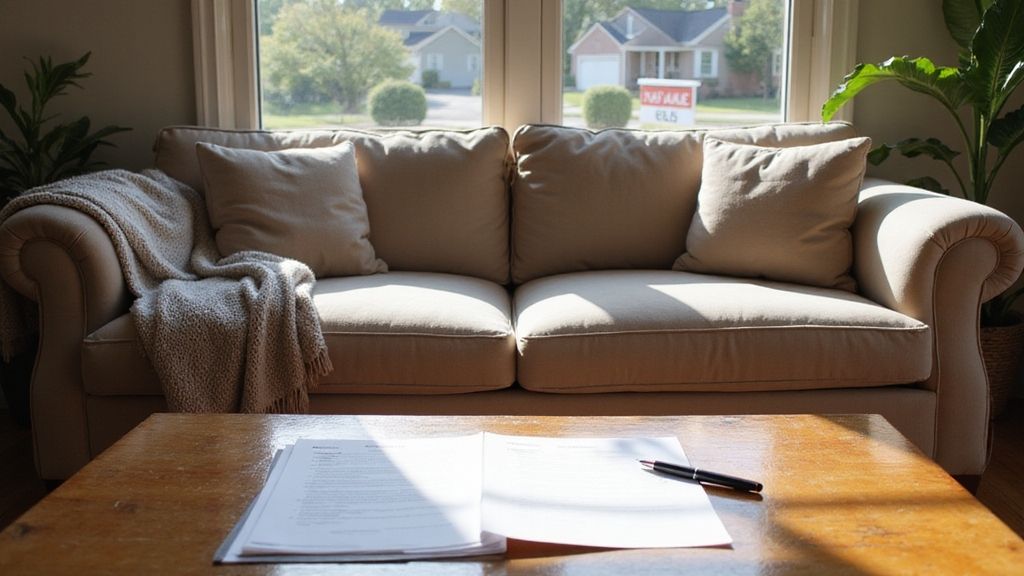
Fees You Avoid When Selling for Cash


Traditional home sales come with many costs. These fees add up quickly and eat into your profit. Cash sales help you avoid most of these expenses.


Real estate agent commissions are the highest cost in traditional sales. Agents typically charge 5% to 6% of the sale price. This fee gets split between your listing agent and the buyer's agent. On a $200,000 home, you pay $10,000 to $12,000 in commissions alone. This money comes directly out of your proceeds at closing.


Closing costs add more expenses. Sellers usually pay for title insurance, attorney fees, and transfer taxes. These costs run 1% to 3% of the sale price. On that same $200,000 home, expect $2,000 to $6,000 in closing costs. Some buyers ask sellers to cover part of their closing costs, too, which further increases your expenses.


Repairs and improvements cost money before listing. Your agent will likely suggest updates to make your home marketable. Fresh paint, new carpet, kitchen updates, and landscaping all require cash up front. Depending on your home's condition, you might spend $5,000 to $20,000 or more getting ready to list.


Holding costs continue while your house sits on the market. You keep paying the mortgage, property taxes, insurance, and utilities. If your home takes three months to sell, those holding costs add up. You also pay for staging, photography, and marketing materials in many cases.


Cash sales eliminate most of these fees. Companies like Pezon Properties do not charge commissions. You keep more of the sale price. Many cash buyers cover all closing costs as part of the deal. You do not pay for title insurance, attorney fees, or other closing expenses. This saves thousands of dollars right away.


You skip repair costs entirely because cash buyers purchase homes as-is. No painting, no carpet replacement, no roof repair. The buyer handles all of that after closing. You also stop paying holding costs much sooner. Since cash sales close in two weeks instead of four months, you save on mortgage payments and utilities.


The math is simple. Lower fees mean more money in your pocket. For sellers who need every dollar or want to avoid upfront costs, cash offers make financial sense, even if the offer price is slightly below market value.


Why Cash Buyers Purchase Homes As-Is


The biggest appeal of cash sales is that you can sell your house exactly as it stands. You do not fix anything. You do not clean out everything. You do not stage rooms to look perfect. Cash buyers want your property in its current condition.


Traditional buyers usually want move-in ready homes. They are looking for a place to live right away. When they see problems during inspection, they get nervous. Cracked foundations, old roofs, outdated electrical systems, and plumbing issues scare traditional buyers. They worry about repair costs and safety. Most will ask you to fix these problems or significantly lower the price. Some will walk away completely.


Banks make this situation harder. Lenders will not approve mortgages for homes with serious issues. If the property fails the appraisal inspection, the loan gets denied. You end up making repairs anyway just to satisfy the buyer's bank. This defeats the purpose of selling without doing work.


Cash buyers approach things differently. They are often investors or companies that buy homes professionally. Pezon Properties and similar companies plan to renovate properties after purchase. They have contractors ready to handle repairs. They know how much fixes will cost. This knowledge lets them make fair offers on homes needing work.


Selling as-is benefits several types of homeowners. Inherited homes often need updates after sitting empty. Elderly owners may lack the energy or money for repairs. People facing financial hardship cannot afford to invest in their property. Divorce situations require quick sales without the stress of coordinating repairs. Landlords tired of managing rental properties want an easy exit.


The as-is option removes stress and uncertainty. You avoid the hassle of getting repair quotes, hiring contractors, and managing renovation projects. You do not worry about whether fixes will satisfy picky buyers. You skip the frustration of failed deals after spending money on repairs.


Cash buyers look past cosmetic issues and structural problems. Outdated kitchens, old carpets, and ugly paint colors do not matter. Foundation cracks, roof leaks, and broken HVAC systems are factored into the offer price. Even houses with fire damage, mold problems, or code violations can sell to cash buyers.


This approach gives you freedom and peace of mind. You know exactly what you will get with no surprises. The offer you accept is the money you receive at closing. No last-minute repair negotiations. No deals falling apart over inspection results. Just a straightforward transaction that moves forward smoothly.


Understanding how selling a house for cash works means recognizing this key advantage. You trade the possibility of a higher sale price for certainty, speed, and convenience. For many homeowners, that trade makes perfect sense.


Making the Right Choice for Your Situation


Now you understand the major differences between cash offers and traditional sales. Which option fits your needs?


Choose a traditional sale if you have time and money to invest. If your home is already in great condition, listing might bring top dollar. If you can wait several months for the right buyer, the agent route works well. If paying commissions and closing costs does not worry you, traditional sales remain a solid option.


Choose a cash sale if speed matters most. If you need to sell within weeks instead of months, cash buyers deliver. If you cannot afford repairs or do not want the hassle, a cash offer solves your problem. If you want to avoid agent fees and closing costs, cash sales save money. If you face foreclosure, probate, divorce, or relocation, cash buyers provide fast solutions.


Some situations clearly favor cash sales. Inherited homes needing major work sell better to cash buyers. Properties in poor condition struggle with traditional buyers and their banks. Homeowners behind on mortgage payments cannot wait months to close. People moving for jobs need quick sales to relocate on time.


The decision comes down to your priorities. Would you rather have more money or save time? Do you want to avoid stress and hassle? Can you handle the uncertainty of traditional sales? These questions guide you toward the right choice.


Companies like Pezon Properties serve Allentown homeowners who value speed, convenience, and certainty. They make the cash offer process simple and transparent. You get a fair offer based on your home's condition and location. You choose the closing date. You walk away with cash and move forward with your life.


Both selling methods have a place in real estate. Neither option is automatically better than the other. The best choice depends on your specific circumstances, timeline, and goals. Now you have the knowledge to make an informed decision that works for you.


Frequently Asked Questions


How long does it take to get a cash offer on my house?


Most cash-buying companies provide offers within 24 to 48 hours of seeing your property. The process starts when you contact the buyer and share basic information about your home. They schedule a quick walkthrough, which takes 15 to 30 minutes. After the visit, they analyze your property and prepare an offer. You typically receive the offer the same day or the next business day. This speed allows you to make decisions quickly without waiting weeks for market activity, like you would with traditional listings.


Will I get less money selling to a cash buyer than if I list with an agent?


Cash offers are often 10% to 20% below market value, but you save money in other ways. You avoid paying 5% to 6% in agent commissions, which saves $10,000 to $12,000 on a $200,000 home. You skip 1% to 3% in closing costs, saving another $2,000 to $6,000. You do not spend money on repairs, staging, or updates before selling. You stop paying mortgage, taxes, and utilities months earlier. When you add up all these savings, the net amount you receive from a cash sale often comes close to what you would get from a traditional sale after all expenses.


Can I sell my house for cash if it needs major repairs?


Yes, cash buyers specifically
purchase homes needing major repairs. Foundation problems, roof damage, plumbing issues, electrical work, and structural concerns do not prevent cash sales. These buyers are investors who plan to renovate properties after purchase. They factor repair costs into their offer price, so you receive a fair amount based on the current condition. This option works perfectly for inherited homes, houses damaged by tenants, properties with code violations, or homes where owners cannot afford to make repairs before selling.


Mathew Pezon, co-owner of Pezon Properties

About the author

Mathew Pezon

Mathew Pezon is the founder and CEO of Pezon Properties, a cash home buying company located in Lehigh Valley, Pennsylvania. With several years of experience in the real estate industry, Mathew has become a specialist in helping homeowners sell their properties quickly and efficiently. He takes pride in providing a hassle-free, transparent, and fair home buying experience to his clients. Mathew is also an active member of his local community and is passionate about giving back. Through his company, he has contributed to various charities and causes.
By Mathew Pezon September 21, 2026
People ask us all the time whether cash offers for houses are lower than what they would get on the open market. The short answer is that the starting numbers look different because they are measuring completely different things. Understanding why that gap exists can save you from making a financial mistake based on an apples-to-oranges comparison. What Does Selling a House As-Is Actually Mean? Before comparing prices, it helps to be clear on what an as-is property sale actually involves. Selling as-is means you are offering the home in its current condition, no repairs, no updates, and no staging. The buyer accepts whatever the property has, from a leaky roof to outdated wiring to cosmetic wear. The Seller Keeps Things Simple In a traditional listing, sellers are expected to prepare the home before buyers ever walk through. That means fixing what is broken, refreshing what looks tired, and sometimes doing significant work just to meet what buyers in your area expect. With an as-is sale, none of that happens. You are not responsible for getting the home into retail-ready shape. What Buyers Are Actually Agreeing To When a cash buyer purchases a home as-is in Allentown, PA, they agree to take on all the unknown costs that come with the property's current condition. A cracked foundation, an aging HVAC system, or water damage in the basement all become the buyer's responsibility the moment they close. That is a significant financial risk they are absorbing on your behalf. Why As-Is Sales Appeal to Certain Sellers Not every homeowner wants to spend several months managing contractors before selling. Some properties have deferred maintenance that has stacked up over years. Others belong to sellers who inherited the home, are relocating quickly, or face a financial situation that leaves no room for renovation budgets. For those sellers, the simplicity of an as-is home sale carries real value that has nothing to do with the number on paper.
By Mathew Pezon September 18, 2026
When sellers ask how cash home buyers calculate their offers, the answer almost always starts with three words: after repair value. Understanding this single number can turn a confusing offer sheet into something that makes complete sense. What Does After Repair Value Actually Mean for Your Home? After repair value, commonly written as ARV, is the estimated market value of your home after it has been fully renovated and brought up to current buyer expectations. It is not what your home is worth right now in its current condition. It is what the home could reasonably sell for once a buyer completes all necessary repairs, updates, and improvements. This distinction matters more than most sellers realize. When you receive a cash offer, the buyer is not looking at your home the way a traditional buyer would. They are looking at a future version of your property and working backward from that projected value to figure out what they can afford to pay today. Why ARV Is the Starting Point, Not the Final Number ARV sets the ceiling. Everything else in the offer formula works downward from there. A buyer cannot offer you more than what they expect to sell the home for, and they need room between that ceiling and your offer price to cover renovation costs, holding costs, and a reasonable margin for their own risk. Think of it like this: if your home would sell for a certain amount fully updated, a cash buyer has to subtract what it costs to get it there before they can land on a fair purchase price. That's where the math begins. What Repairs and Updates Drive ARV Up or Down Not all renovations affect ARV equally. Kitchens and bathrooms tend to have the strongest influence on market value estimates because buyers in most price ranges weigh those rooms heavily. Roof condition, HVAC systems, and foundation integrity also matter because buyers and their lenders often flag those items during inspection. Cosmetic issues like outdated paint, worn carpet, or older fixtures matter less individually but can add up. When a home needs attention across many areas at once, the gap between its current condition and fully repaired value widens, and that gap directly affects the offer.
By Mathew Pezon September 17, 2026
When you want to know how to sell your house fast for cash, two steps stand between you and a smooth closing: proof of funds and a title search. Both protect you as the seller. Both are non-negotiable in any legitimate cash transaction. Understanding what these steps involve, and what they reveal, puts you in a stronger position before you sign anything. What Is a Proof of Funds Letter and Why Should You Ask for One? A proof of funds letter is a document from a buyer's bank or financial institution confirming they have enough money available to complete the purchase. In a traditional financed sale, a mortgage lender takes on some of the risk. In a cash sale, the buyer uses their own money, so you need written confirmation that the money exists. Any serious cash buyer will have this document ready. If someone claims to be a cash buyer but hesitates when you ask for proof, that is a warning sign worth paying attention to. What a Proof of Funds Letter Should Include A legitimate proof of funds letter is straightforward. It should clearly show: The buyer's full name as it appears on the account The name and contact information of the financial institution A current account balance that meets or exceeds the purchase price The date the letter was issued, which should be recent A letter that is several months old may not reflect the buyer's current financial position. Always check the date. If the letter is outdated, it is reasonable to ask for a more recent one before moving forward. Why This Step Protects Sellers Specifically In a conventional sale, the mortgage approval process filters out unqualified buyers. Buyers who cannot qualify for a loan simply do not get one. Cash sales skip that filter entirely, which means the seller carries more responsibility for vetting the buyer's ability to pay. Without proof of funds, you could accept an offer, take your home off the market, and spend weeks preparing for closing, only to find out the buyer did not have the money. That wastes time and costs real money. Asking for this letter before signing a purchase agreement is one of the simplest protections a seller can take.
By Mathew Pezon September 16, 2026
Choosing between a cash offer and listing with a realtor is one of the most important decisions you will make when selling your home. For some homeowners in Allentown, PA, the traditional MLS route makes perfect sense. But in certain life situations, skipping the open market and selling directly to a cash buyer is clearly the smarter path forward. The five situations below are not edge cases. They happen to real people every day, and each creates pressures a traditional listing simply wasn't designed to handle. When Financial or Legal Pressure Makes a Fast Sale the Smartest Option Some situations leave little room for the back-and-forth of a traditional home sale. Mortgage default, a looming foreclosure, a need to act fast, or a sudden job loss can turn a slow listing process into a serious liability. The Problem With Listing During Financial Hardship When you list on the MLS, you commit to a process that typically runs for weeks or months. Showings, inspections, buyer financing approvals, and negotiations take time. If your financial situation is already fragile, every extra week carries real cost, whether that means additional mortgage payments, HOA fees, or property taxes piling up. Why a Cash Sale Changes the Math A cash buyer does not rely on bank financing. No mortgage underwriting process can stall or fall apart at the last moment. That alone removes one of the biggest sources of delay and uncertainty in a typical home sale. When financial pressure is real, certainty often matters more than the highest possible sale price. How a Relocation Adds to the Urgency A relocation home sale creates a different kind of pressure. When your employer moves you to another city, or when you choose to relocate for family reasons, carrying two properties at once is expensive. A cash sale can let you close on your Allentown home without waiting for the right buyer to appear on the open market.
By Mathew Pezon September 15, 2026
Deciding to sell your house as-is for cash in Pennsylvania raises one question almost every homeowner asks first: do I still have to tell the buyer what is wrong with the property? Pennsylvania law has a clear answer, and understanding it before you close can protect you from legal trouble later. Knowing your obligations up front makes the whole process feel much less stressful. What Does Pennsylvania Law Say About Selling a Home As Is? Pennsylvania follows the Real Estate Seller Disclosure Law, which was enacted to give buyers enough information to make an informed decision. The law applies to most residential property sales, including cash transactions. Selling as-is does not exempt you from this requirement. State Law requires the Seller Disclosure Form Under Pennsylvania law, sellers must complete a Seller’s Property Disclosure Statement before finalizing the sale. This document asks you to report known material defects, which are conditions that could affect the value or safety of the home. The form covers the roof, foundation, plumbing, electrical systems, heating, water and sewer, and other key areas of the property. The word "known" matters a great deal here. You are only required to disclose what you actually know. Pennsylvania does not expect you to hire an inspector and uncover hidden problems before listing. You report your personal knowledge of the home's condition, not conduct a professional investigation on the buyer's behalf. What Counts as a Material Defect in Pennsylvania A material defect is broadly defined as any condition that has a significant, negative effect on the value of the property or that would affect a reasonable buyer's decision to purchase. This includes a leaking roof, a flooding basement, a furnace that no longer works properly, or a history of pest infestation. Cosmetic issues, such as peeling paint or worn carpet, do not typically rise to the level of a material defect. However, if peeling paint signals a moisture problem behind the wall, you would need to report that underlying damage. The physical condition beneath the surface is what drives the legal obligation. Selling As-Is in PA: What It Actually Means When you sell a home as-is in Camp Hill or anywhere else in Pennsylvania, you are communicating that you will not make repairs before closing. That is a pricing and negotiation decision, not a legal shield. As-is legal protections for sellers come from honest, complete disclosure, not from the phrase "as-is" itself. Courts in Pennsylvania have consistently found that a seller who conceals known defects can still be held liable even when the contract included as-is language. Transparency is your strongest protection.
By Mathew Pezon September 14, 2026
If you're weighing your options and trying to get a cash offer for your house, PA homeowners should understand that the difference between a cash sale and a traditional listing can save you real money and real stress. Both paths have trade-offs, and the right choice depends on your situation, your timeline, and how much uncertainty you're willing to manage. How Long Does It Take to Get a Cash Offer vs. Selling With an Agent in PA? Time matters when you're selling a home. Whether you're dealing with a job change, a divorce, an inherited property, or simply want to move on, the timeline affects everything from your finances to your peace of mind. The Traditional Listing Timeline in Pennsylvania Selling with a real estate agent in Pennsylvania follows a familiar pattern, but it's rarely quick. Once you list, your home sits on the days on market counter while buyers tour, compare, and decide. In many Pennsylvania markets, including the Lehigh Valley and surrounding areas, homes can sit for several weeks before receiving a serious offer. After an offer comes in, you still face a mortgage approval process for the buyer, a home inspection, possible repair negotiations, and an appraisal. Each step can add days or weeks. From list date to closing, a traditional sale in PA often takes two to three months under normal conditions, and longer if complications arise. How the Cash Offer Timeline Works A cash home sale moves differently. No lender is involved, which removes the biggest source of delays in a traditional deal. When a buyer pays cash, there's no waiting on underwriting, no bank-required appraisal, and no risk of a last-minute loan denial. We can review your property details and put together a written offer without requiring you to stage, clean, or repair anything. Once both parties agree to terms, the closing can happen in a fraction of the time a financed deal would take. The exact pace depends on your schedule and what works for your situation. What This Means for Your Real-World Situation If you have a flexible timeline and a home in strong condition, listing with an agent might be worth the wait. But if you need a clear end date, want to avoid an open-ended process, or simply don't want strangers walking through your home every weekend, the cash route offers something a traditional sale rarely can: certainty.
By Mathew Pezon September 11, 2026
Closing day can feel overwhelming, especially if you have never sold a home before. We buy houses for Allentown, PA homeowners who want to sell quickly and without the stress of a drawn-out traditional sale, and understanding the closing process from start to finish makes that decision much easier. The good news is that a cash closing is much simpler than most people expect. Fewer parties are involved, fewer documents need to be signed, and there's far less waiting around. Knowing what to bring, what to expect, and who pays what gives you the clarity to move forward with confidence. What Documents Do You Need to Sell Your House for Cash in Pennsylvania? Pennsylvania has specific legal requirements for transferring property from one owner to another. Whether you are selling to a neighbor or to a professional cash buyer, the documents involved follow the same basic framework. Your Deed and Proof of Ownership The deed is the most important document in any home sale. It is the legal record that proves you own the property and gives you the right to sell it. In Pennsylvania, the most common type used in a sale is a general warranty deed or a special warranty deed, depending on the situation. Before closing day, the title company will run a title search to confirm there are no unexpected liens, judgments, or ownership disputes tied to your home. If everything checks out, the deed gets prepared and signed at the settlement table. Make sure you can locate your original purchase documents. If you lose the deed, a title professional can typically pull a copy from county records. The Settlement Statement The settlement statement (sometimes called a closing disclosure or HUD-1) is a line-by-line summary of every dollar that changes hands during the transaction. It shows the sale price, any outstanding mortgage balance being paid off, taxes owed, and any closing fees. In a cash sale, this document is usually shorter and more straightforward than in a financed deal. No lender fees, loan origination charges, or appraisal costs are baked into the numbers. You review the statement before signing, so nothing should surprise you. Other Documents You May Need Depending on your situation, you might also need: A transfer tax declaration form, which is required in Pennsylvania for all property sales A seller's disclosure form, though some cash buyers purchase properties as-is and waive this requirement A power of attorney, if you are unable to attend closing in person Payoff statements from your mortgage lender, if you still owe a balance on the home The title company handles most of the coordination. Their job is to make sure every document is accurate and legally compliant before anyone signs anything.
By Mathew Pezon September 9, 2026
Being a landlord in Pennsylvania can wear you down fast. If you are dealing with tenants who stop paying rent, units that need constant repairs, or you simply want out of the rental business entirely, knowing how to sell your house fast Pennsylvania-style, without losing your mind in the process, can make all the difference. Whether you own a single-family rental in Lebanon or a multi-unit property in another part of the state, selling a tenant-occupied home is absolutely possible, and it does not have to be a legal nightmare. Can You Sell a Rental Property in Pennsylvania With Tenants Still Living There? The short answer is yes. Pennsylvania law does not require you to wait until a property is vacant before listing it for sale. What matters is how you handle the transition and what your lease agreement says. What Happens to the Lease When You Sell When a rental property changes ownership in Pennsylvania, the existing lease transfers. The new owner steps into your shoes as landlord and must honor the terms of any active lease. This means a tenant with six months left on a fixed-term lease has the legal right to stay through the end of that term, regardless of who owns the property. Month-to-month tenants have a different situation. In Pennsylvania, landlords are generally required to give 15 days' written notice to end a month-to-month rental agreement. However, even with proper notice, a tenant cannot be forced to leave immediately. They have the right to remain until that notice period expires. How Occupied Properties Affect Buyer Interest Most buyers shopping on the open market want a clean, vacant home they can move into or renovate right away. A property with problem tenants Pennsylvania buyers have to inherit is not an appealing listing. Showings become complicated. Tenants may not cooperate. Some may refuse to let buyers or agents inside at all, which is within certain rights under Pennsylvania law. This friction is real, and it significantly limits your pool of interested buyers. Traditional buyers often walk away the moment they learn a property is occupied by tenants who are behind on rent or causing damage. When Selling Occupied Is Actually Smarter In some situations, selling with tenants in place isn't just acceptable; it is the smarter move. If your tenant is current on rent and the lease has several months remaining, some investors actively want that in-place income. For landlords with a cooperative tenant, a standard investor sale can move faster than a vacant property on the open market. The challenge comes when tenants are not cooperative, and that is where the process gets complicated.
By Mathew Pezon September 8, 2026
If you have questions about how cash home buyers operate, you are not alone. The we buy houses searches people type into Google every day reflect real uncertainty about the process, and that uncertainty is completely understandable. Selling a home is a major financial decision, and knowing what to expect at each step makes it much easier to face. Pezon Properties works with homeowners across Allentown, PA who want a simpler path to selling without the delays, repairs, or surprises that traditional listings often bring. The steps below walk through the full process, from the moment you share your property details to the day you walk away with cash in hand. What Happens After You Submit Your Home Info to a Cash Buyer? The first step is the simplest one. You provide basic details about your property, including the address, the general condition of the home, and any circumstances affecting the sale, such as a pending foreclosure, an inherited property, or the need to relocate quickly. That information gives us what we need to get started. How We Review Your Property Details Once we receive your information, we research the property. We review comparable sales in your neighborhood, the home's current condition, local market trends in Harrisburg , PA, and estimated costs for any needed repairs. This is not a surface-level review. We do our homework so the offer we bring reflects reality. You do not need to prepare anything special before submitting. The home's condition, the clutter inside, or the weeds in the yard don't affect your ability to move forward. We evaluate properties as they are. The Property Walkthrough In most cases, we schedule a brief walkthrough before presenting a formal offer. This allows us to see the property firsthand and confirm the details you shared. The visit is typically low-pressure and brief. You don't need to stage anything or make the home presentable. The purpose is practical, not cosmetic. After the walkthrough, we have everything we need to finalize the numbers. Receiving a No Obligation Offer Once the review is complete, we present you with a written no-obligation offer. That phrase matters. You are under no pressure to accept, and there is no cost or commitment attached to reviewing what we put forward. The offer is transparent, meaning we can explain how we calculated each number if you have questions. Some sellers accept the offer right away. Others take a few days to think it over or consult with family. Either approach is completely fine.
By Mathew Pezon September 8, 2026
Deciding to sell your property in Pennsylvania for cash is one thing. Understanding what actually happens on closing day is another. Many homeowners in Allentown, PA, and across the state feel uncertain about the closing process, especially if they have only ever sold a home the traditional way. A cash sale works differently, and knowing what to expect makes the whole experience far less stressful. The closing process for a cash home sale is simpler and shorter than most sellers anticipate. No mortgage lender is involved, which removes a significant layer of paperwork, waiting, and potential delays. What remains is a clean, straightforward exchange between a seller and a buyer, coordinated through a neutral third party called a title company. What Documents Do You Need to Close a Cash Sale in Pennsylvania? Paperwork is unavoidable in any real estate transaction, but a cash sale keeps it manageable. You will not be signing dozens of loan-related forms. Instead, the focus is on a handful of essential documents that protect both parties and make the transfer of ownership official. The Settlement Statement The settlement statement is the financial summary of your closing. It lists every cost, credit, and payment involved in the transaction. Before signing anything, review this document carefully. It shows what you walk away with after accounting for any outstanding fees, taxes, or prorated costs. In Pennsylvania, this document is sometimes called a closing disclosure or HUD-1, depending on how the transaction is structured. The title company prepares it and sends it to both parties ahead of the closing appointment so there are no surprises. The Deed Transfer Documents Deed transfer paperwork is what formally moves ownership of the property from you to the buyer. Pennsylvania uses a deed signed in front of a notary to make this official. The deed is then recorded with the county recorder of deeds office, creating a public record of the new ownership. You will also sign an affidavit of title, which is a sworn statement confirming that you are the legal owner of the property, that there are no undisclosed liens, and that no major legal issues affect the home. This protects the buyer and gives the title company what it needs to issue a clean title insurance policy. Other Common Closing Documents Depending on your specific situation, you may also encounter: A bill of sale for personal property being transferred with the home A seller's disclosure form, if not already completed before the agreement A transfer tax statement, since Pennsylvania charges a realty transfer tax that both parties typically share Any municipal or county-specific certificates required for your area We coordinate with the title company and make sure you know what to expect before you arrive. Nothing should catch you off guard on closing day.