What Paperwork Do You Need to Sell Your House for Cash

Mathew Pezon • April 13, 2026

Selling your house for cash is faster than a traditional sale. But you still need paperwork. Many homeowners in Allentown worry about this part. They wonder what documents they need and if the process is complicated.


The good news? A cash sale actually requires less paperwork than a regular sale. You skip the mortgage process, which eliminates many forms. Still, you need certain documents to prove you own the home and to transfer it legally.


This guide walks you through every piece of paper you will touch during a cash sale. We will break down what you provide, what the buyer gives you, and what happens at closing. By the end, you will know exactly what to expect.

Documents You Need to Provide as the Seller


When you sell your house for cash, you prove that you own it and that it is ready to sell. The buyer needs to see certain documents before they hand over money. Here is what you typically need to gather.


First, you need your property deed. This document shows that you are the legal owner. If you cannot find your original deed, do not panic. You can get a copy from the Lehigh County Recorder of Deeds office. The buyer will check this to make sure no one else has a claim to your property.


Next, you should provide a recent mortgage statement if you still owe money on the house. This shows exactly how much you need to pay off. The title company uses this number to calculate your final proceeds. If you own the home free and clear, you will not need this document.


Property tax records are also important. The buyer wants to know if your taxes are current. Unpaid property taxes can become the new owner's problem, so buyers check this carefully. You can get these records from your local tax office or online through the Lehigh County website.


You may need to show proof of identity, like a driver's license or passport. This prevents fraud and proves you are who you say you are. Some states require notarization for real estate documents, so a valid ID is a must.


Disclosure forms are required in Pennsylvania. You must tell buyers about any known problems with the house. This includes issues with the roof, foundation, plumbing, or electrical systems. Honest disclosure protects you from legal trouble later. Companies like Pezon Properties often buy houses as-is, but you still need to be upfront about major issues.


If you have made recent repairs or improvements, gather those receipts. While not always required, they show the buyer what work has been done. This can be especially helpful if you replaced the roof, HVAC system or made other major updates.


Finally, if your home is part of a homeowners' association, you need HOA documents. These include bylaws, recent meeting minutes, and proof of payment of your dues. The buyer needs to know which rules apply to the property.


Most
cash buyers in Poconos will tell you exactly what documents they need. Companies that specialize in cash purchases often help you gather missing paperwork. They want the process to move quickly so that they can guide you through each step.
What the Purchase Agreement Includes


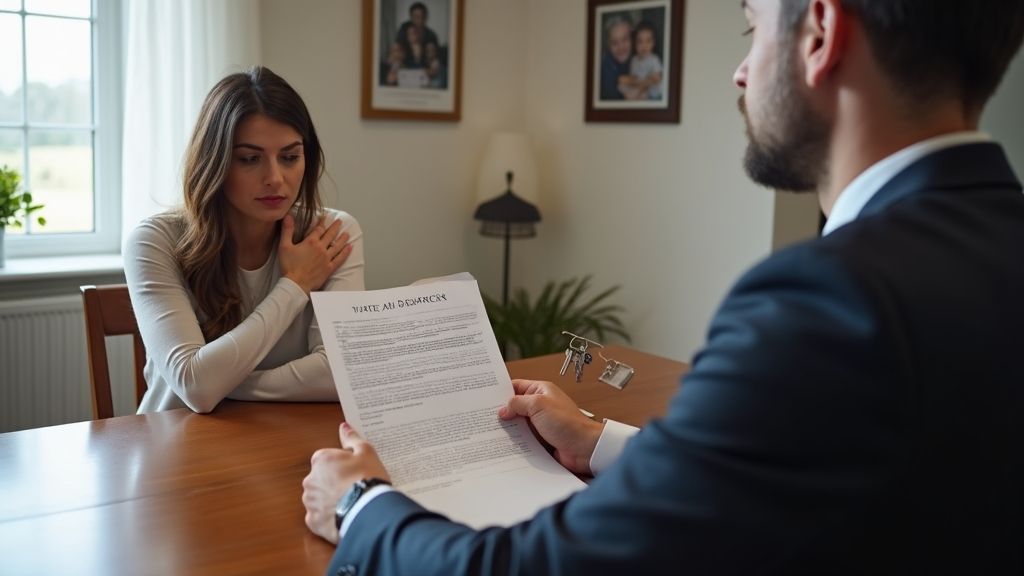
The purchase agreement is the main contract between you and the buyer. This document spells out every detail of the sale. Understanding what is inside helps you feel confident when you sign.


The purchase price appears right at the top. This is the amount the buyer will pay you. In a cash sale, this number is firm. No "subject to financing" clause could change the price later. What you see is what you get.


The closing date is another key piece. Cash sales close much faster than traditional sales, often within 7 to 14 days. The purchase agreement states the exact date when ownership transfers. Both sides must agree to this timeline.


Property description details are included to identify exactly what is being sold. This means the address, lot number, and legal description from your deed. This section makes sure everyone is talking about the same piece of real estate.


Contingencies explain what could stop the sale. Traditional sales involve many contingencies, such as home inspections, appraisals, and mortgage approval. Cash sales have fewer. Some cash buyers, including Pezon Properties, buy homes without inspection contingencies. This means the sale moves forward even if the house needs repairs.


The "as-is" clause often appears in cash sale agreements. This means the buyer accepts the property in its current condition. You do not need to make repairs or improvements. This saves you time and money compared to listing with a realtor.


Seller representations are promises you make about the property. You confirm that you own it, that there are no hidden liens, and that you have disclosed all known problems. These are standard legal protections for the buyer.


The earnest money deposit section explains how much the buyer will put down to demonstrate their seriousness. In cash sales, this might be smaller than traditional sales because there is less risk of the deal falling through.


Default and remedy clauses explain what happens if someone breaks the agreement. If you back out without a valid reason, the buyer might keep the earnest money. If the buyer backs out, you might keep their deposit.


Special provisions cover anything unique to your situation. You may need extra time to move out. Or certain appliances stay with the house. These custom details are included in the purchase agreement.


Signature lines appear at the end for both buyer and seller. Pennsylvania requires these signatures to be notarized in many cases. Once everyone signs, the agreement becomes legally binding.


Read every word before you sign. Ask questions if something is unclear. A good cash buyer will explain the entire document and give you time to review it. Never feel rushed into signing something you do not understand.


Understanding the Closing Documents and Getting Paid


Closing day is when you officially transfer ownership and receive your money. Several documents get signed, and understanding each one helps the process go smoothly.


The settlement statement is the most important closing document. This itemized list shows every dollar involved in the transaction. You will see the sale price at the top, followed by deductions such as mortgage payoff, property taxes, and any fees. The bottom line shows your net proceeds. This is the actual check you will receive.


In Pennsylvania, title companies usually prepare settlement statements. They act as neutral third parties who handle the money and paperwork. Review this document carefully before closing day. If the numbers look wrong, speak up immediately.


The deed is the document that transfers ownership from you to the buyer. You will sign this at closing. In most cases, it is a warranty deed or a quitclaim deed. A warranty deed promises that the title is clear. A quitclaim deed transfers whatever ownership rights you have without making promises. Your title company will tell you which type applies to your sale.


The title insurance policy protects the buyer against any ownership disputes that arise later. The buyer typically pays for this in Pennsylvania, but the policy gets recorded as part of your closing. You may receive a copy for your records.


An affidavit of title is a sworn statement that you own the property and that no one else has claims to it. You sign this under oath. It also confirms that you have not done anything since the purchase agreement that would affect the title, such as taking out a new loan against the property.


If you still have a mortgage, the payoff statement appears in your closing documents. This shows exactly how much money goes to your lender. The title company sends this payment directly from the sale proceeds. You never touch this money. It pays off your loan automatically.


Prorated property tax documents show how taxes get split between you and the buyer. If you already paid taxes for the full year, the buyer reimburses you for their portion. If you owe back taxes, that amount gets deducted from your proceeds.


HOA documents might need signatures if your property is part of an association. These confirm that all dues are paid and that the new owner understands the association rules.


The closing disclosure summarizes everything in an easy-to-read format. Federal law requires that this document be provided at least 3 business days before closing in most sales. Cash sales sometimes move faster, but you should still receive this summary.


Now for the best part: getting paid. In a cash sale, you receive payment at closing. Most title companies issue a check or wire transfer the same day. Wire transfers hit your bank account within hours. Paper checks take a day or two to clear.


Before you leave the closing table, confirm you have all your copies. You should receive copies of the deed, settlement statement, and any other documents you signed. Store these in a safe place. You will need them for tax purposes.


The entire closing appointment usually takes 30 to 60 minutes. You sign documents, ask any final questions, and walk out with payment. It is much simpler than traditional closings because no lender is involved.


Working with a professional cash buyer like Pezon Properties often makes closing even easier. They coordinate with the title company and make sure all paperwork is ready before you arrive. Their goal is to make the process as smooth as possible so you can move forward with your life.


Frequently Asked Questions


Do I need a lawyer to sell my house for cash in Pennsylvania?


Pennsylvania does not require sellers to have a lawyer for real estate transactions, but many people choose to hire one anyway. A real estate attorney can review your purchase agreement and closing documents to protect your interests. This is especially helpful if you have never sold a home before. However, many cash buyers work with reputable title companies that handle the legal aspects properly. If you are working with an established cash-buying company, they will guide you through the process and ensure that all documents are correct. The choice to hire a lawyer is yours, but it can provide extra peace of mind during the sale.


How long does it take to gather all the paperwork for a cash sale?


Most sellers can gather the necessary documents in just a few days. If you have your property deed, mortgage statements, and tax records handy, you might collect everything in one day. The longest wait is usually getting updated payoff statements from your lender, which can take 24 to 48 hours. If you are missing documents like your original deed, you may need to visit the county recorder's office or order copies online. This might add a few extra days. The good news is that cash buyers often help you track down missing paperwork. They want to close quickly, so they will assist you in getting what you need. From start to finish, most cash sales close within two weeks, and much of that time involves gathering and reviewing documents.


What happens if I discover a mistake in the closing documents?


If you spot an error in your closing documents, speak up immediately. Do not sign anything until the mistake is fixed. Common errors include wrong payoff amounts, incorrect property tax calculations, or typos in names and addresses. Tell the title company or closing agent about the problem right away. They can correct errors quickly, often on the same day. Sometimes this means printing new documents and having everyone sign again. Other times, they can issue a correction after closing. Never feel pressured to sign documents with mistakes just to keep things moving. A good cash buyer will help ensure everything is accurate. Remember, these documents are legally binding and affect how much money you receive, so accuracy matters. Taking an extra hour to fix an error now can save you big headaches later.


Mathew Pezon

About the author

Mathew Pezon

Mathew Pezon is the founder and CEO of Pezon Properties, a cash home buying company located in Lehigh Valley, Pennsylvania. With several years of experience in the real estate industry, Mathew has become a specialist in helping homeowners sell their properties quickly and efficiently. He takes pride in providing a hassle-free, transparent, and fair home buying experience to his clients. Mathew is also an active member of his local community and is passionate about giving back. Through his company, he has contributed to various charities and causes.
By Mathew Pezon April 16, 2026
Selling your house for cash is much faster than a regular sale. But many homeowners wonder: how does selling a house for cash work, and what exactly happens each step of the way? When you sell to a cash buyer like Pezon Properties, you skip most of the waiting that comes with traditional home sales. There are no bank approvals, no buyer financing falling through, and no months of uncertainty. Instead, you get a clear timeline from start to finish. This guide walks you through every step of the cash offer process. You will learn what happens in the first 24 hours, what to expect during the first week, and how quickly you can get to closing day. By the end, you will understand the entire timeline and know exactly what to expect when you sell your house for cash in Allentown, PA. How Long Does It Take to Sell a House for Cash The typical cash home sale takes 7 to 14 days from start to finish. This is dramatically faster than traditional sales, which usually take 30 to 60 days or longer. Why the big difference? Traditional buyers need to get a mortgage. That means the bank must approve the loan, order an appraisal, and review mountains of paperwork. Any hiccup can delay closing by weeks or even cause the deal to fall apart completely. Cash buyers skip all of that. They have the money ready to go. Once you accept the offer, the only things left are paperwork and a title search to ensure the property is clear to sell. Here is the basic timeline breakdown: Day 1: You contact a cash buyer and share basic details about your home. Most companies respond within hours with an initial estimate or to schedule a viewing. Days 2 to 3: The buyer visits your property or reviews photos. Some companies make offers without even seeing the house in person, though most prefer a quick walkthrough. Days 3 to 5: You receive a written cash offer. This offer is usually good for 7 days, giving you time to think it over or compare with other buyers. Days 7 to 10: Once you accept, the title company starts working. They run a title search to check for liens, unpaid taxes, or other issues that could block the sale. Days 10 to 14: Closing day arrives. You sign papers, hand over keys, and get your cash payment. In some urgent cases, companies like Pezon Properties can close in as little as 7 days if you need to move quickly. The exact timeline depends on your situation. If there are title issues or you need more time to move out, closing might take a bit longer. But most cash sales wrap up in under two weeks from first contact to final payment.
By Mathew Pezon April 15, 2026
Selling a house the traditional way can feel overwhelming. You might worry about repairs, showings, and waiting months for the right buyer. But there is another option. You can sell your house for cash. This process is faster and much simpler. So, how does selling a house for cash work? It breaks down into five easy steps. Each step is clear and straightforward. You do not need to fix anything. You do not need to wait for bank approvals. And you can often close in just days or weeks. Pezon Properties helps homeowners in Allentown sell their houses quickly for cash. We have helped hundreds of people skip the stress of traditional selling. This guide will walk you through each step of our process. By the end, you will know exactly what to expect. Let's get started. Step 1: Contact Us and Share Basic Information The first step is the easiest. You reach out to us. You can call, fill out a form on our website, or send an email. We make it simple to get started. When you contact Pezon Properties, we will ask you a few basic questions. We want to know about your house and your situation. Do not worry, this is not a long interview. We keep it short and simple. Here is what we typically ask: Where is your house located? How many bedrooms and bathrooms does it have? What condition is the house in? When do you need to sell? Why are you selling? You do not need to know every detail. Just give us your best answers. We are not trying to trick you or catch you in a mistake. We just want to understand your situation. Some people worry about sharing too much information. But remember, we are here to help. The more we know, the better we can serve you. Maybe you inherited a house you do not want. Maybe you are going through a divorce. You may be behind on payments. Whatever your reason, we have seen it before. This first conversation usually takes about 10 to 15 minutes. You can do it from your couch. No pressure. No obligation. Just a simple chat about your house and what you need. After we talk, we will schedule a time to see your property. That leads us to step two.
By Mathew Pezon April 14, 2026
Selling your house is a big decision. You want to make the right choice for your situation. Two main options exist: selling for cash or listing with a real estate agent. Each path works differently. Understanding these differences helps you pick what works best for you. Many homeowners in Allentown, PA, wonder how selling a house for cash works compared to the traditional route. The answer involves looking at speed, costs, and the condition your home needs to be in. Cash sales move faster and incur lower fees. Traditional sales often bring higher prices but take longer and require more work. This guide breaks down the key differences. You will learn how each process works. You will see the pros and cons of both options. By the end, you will know which path makes sense for your needs. How Cash Sales Are Faster Than Traditional Listings Time matters when selling a house. Cash sales finish much quicker than traditional listings. Here is why. When you list with a real estate agent, you start a long process. First, you prepare your home for sale. This means repairs, cleaning, and staging. This preparation alone can take weeks or even months. Next, your agent lists the property and schedules showings. You wait for buyers to tour your home. This waiting period varies, but the average home sits on the market for 30 to 60 days in many areas. After you get an offer, more waiting begins. The buyer needs to secure financing from a bank. Mortgage approval takes 30 to 45 days on average. During this time, the bank orders an appraisal. If the appraisal comes in low, the deal might fall through. You start over from square one. The buyer also orders a home inspection. Problems found during inspection often lead to more negotiations or repair requests. Each step adds time to the timeline. Cash sales work completely differently. Companies like Pezon Properties can make an offer within 24 to 48 hours of seeing your home. You do not wait for bank approvals because there is no mortgage involved. The buyer already has the money ready to go. No appraisal is required. No financing contingencies exist to slow things down. You can often close in as little as 7 to 14 days with a cash buyer. Some sellers close even faster if they need to. You pick the closing date that works for your schedule. This speed helps people facing foreclosure, relocating for work, or dealing with inherited property. When life throws you a curveball, waiting four months to sell is not always possible. The inspection process is simpler, too. Cash buyers do a quick walkthrough to assess the property. They are not looking for reasons to back out. They already plan to buy your house in whatever condition it is in. This removes a major source of delays and stress from the selling process.
By Mathew Pezon April 10, 2026
Selling your home for cash can feel scary at first. You might wonder if the offer is real or if someone is trying to trick you. These worries are normal. Your home is probably your biggest asset. You want to protect yourself and make smart choices. The good news is that selling to a legitimate cash buyer like Pezon Properties is safe when you know what to look for. Cash sales happen every day in Allentown, PA, and across the country. Most go smoothly because sellers take time to understand the process and spot warning signs. This guide will show you exactly how to protect yourself when selling your house for cash. You will learn how to tell if an offer is fair, what legal protections you have, and which red flags mean you should walk away. By the end, you will feel confident about whether a cash sale is right for you. How to Know If a Cash Offer Is Fair Getting a cash offer is exciting, but you need to make sure the price is reasonable. A fair offer reflects your home's true value, even if it is lower than the retail market price. Here is how to check if the number makes sense. Start by researching your home's value. Look at recently sold homes in your neighborhood that are similar in size and condition. Websites like Zillow can give you a rough estimate, but they are not always accurate. For a better picture, consider getting a professional appraisal. This costs around $300 to $500 but gives you solid numbers to work with. Cash buyers typically offer 70% to 85% of your home's after-repair value. This means they calculate what your house would sell for if it were in perfect condition, then subtract repair costs and their profit margin. If your home needs a new roof, updated kitchen, or major repairs, expect offers on the lower end of that range. Homes in good condition get higher offers. Ask the buyer to explain their offer in writing. Legitimate companies like Pezon Properties will break down the numbers for you. They should show you the estimated market value, the cost of needed repairs, and how they arrived at their final offer. If a buyer refuses to explain their pricing, that is a bad sign. Compare multiple offers if possible. Talk to two or three cash buyers in Allentown. This gives you leverage and helps you understand the going rate for your property. Just because one company offers less does not mean they are dishonest. They might have different business models or see different repair needs. Remember that cash offers are lower than traditional sales for good reasons. You save on realtor commissions (usually 6% of the sale price), closing costs, repair expenses, and months of mortgage payments. You also avoid the risk of buyer financing falling through. When you add up these savings, a cash offer often nets you the same amount with far less hassle.
By Mathew Pezon April 9, 2026
Selling your home for cash can be fast and easy. But it can also feel scary if you don't know what to look for. Not all cash buyers are honest. Some might try to trick you or pressure you into a bad deal. The good news is that you can protect yourself. You just need to know the warning signs. You also need to ask the right questions. This guide will help you spot scams and find a trustworthy cash buyer in Pennsylvania. What Are the Red Flags of a Cash Buyer Scam? Scammers use tricks to confuse sellers. They want you to act fast before you have time to think. Here are the biggest warning signs to watch for. They Ask for Money Upfront A real cash buyer never asks you to pay anything. If someone wants a fee before they buy your house, walk away. This is one of the clearest signs of a scam. Honest companies like Pezon Properties cover all their own costs. You should not pay for inspections, appraisals, or paperwork. They Pressure You to Sign Quickly Scammers create fake urgency. They might say the offer expires in 24 hours. Or they tell you someone else wants to buy your house. Real buyers give you time to think. They want you to feel comfortable with the deal. If someone rushes you, that is a red flag. They won't put the Offer in writing. Verbal promises mean nothing. A legitimate buyer will give you a written offer. This document should include the price, timeline, and any conditions. If a buyer refuses to write things down, something is wrong. They Have No Online Presence Most real businesses have a website and reviews. They show up in online searches. If you cannot find any information about a company, be careful. Scammers often use fake names and disappear after the deal. They Change the Price at Closing Some dishonest buyers offer a good price at first. Then they find reasons to lower it right before closing. They might claim they found problems with the house. A trustworthy buyer sticks to their offer or explains changes clearly and early. They Ask You to Leave Before Closing Never move out before the sale is complete. Some scammers ask sellers to leave early. Then they back out of the deal or delay closing. You could lose your home if you don't make a payment. Always wait until the money is in your account.
By Mathew Pezon April 8, 2026
Selling your home is a big decision. When you need to sell fast, cash buyers are a great option. But many homeowners worry about hidden fees. They wonder what they will really pay when the deal closes. The good news is that cash sales are often simpler than traditional sales. Most cash buyers cover many of the costs that sellers usually pay. However, you should still understand what to expect. This guide breaks down all the fees and costs when you sell to a cash buyer in Pennsylvania. We will look at what cash buyers charge, what closing costs you might pay, and how this compares to working with a real estate agent. By the end, you will know exactly what to expect when you sell your house fast in Pennsylvania. What Fees Do Most Cash Buyers Charge? When you sell to a cash buyer, the fee structure is usually simple and clear. Most reputable cash buyers do not charge any fees. That is right. Zero fees from the buyer to you. Companies like Pezon Properties in Allentown, PA, typically make their money by buying your house below market value. They fix it up and resell it later. They do not add extra charges to their offer. The offer you see is the money you get at closing (minus any costs you agreed to pay). Some cash buyers might charge a small fee for processing paperwork. This is rare, but you should always ask up front. Get everything in writing before you sign any agreement. A good cash buyer will be transparent about all costs from the start. Watch out for cash buyers who add surprise fees at closing. These might include "administrative fees," "processing fees," or "assignment fees." If a buyer mentions these after giving you an offer, that is a red flag. Walk away and find someone more honest. Most legitimate cash buyers will not charge you for a home inspection either. They will do their own inspection to determine the offer price. But they pay for it themselves. You should not see a bill for the inspector. Another thing cash buyers usually do not charge for is marketing or showing your home. Unlike a real estate agent who lists your property, cash buyers just make a direct offer. There are no open houses, no staging, and no professional photos to pay for. The bottom line is this: if a cash buyer is asking you to pay fees before closing, ask questions. Get a detailed breakdown of what those fees are for. Compare their total net offer with other buyers. The best cash buyers keep things simple with no extra charges.
By Mathew Pezon April 7, 2026
Many homeowners in Pennsylvania wonder whether they need to spend money on repairs before selling. The short answer is no. When you sell to a cash buyer like Pezon Properties, you can sell your home exactly as it is. No repairs, no painting, and no deep cleaning required. This sounds too good to be true, right? But it is real. Cash home buyers purchase properties in any condition. They have seen it all: broken windows, old roofs, damaged floors, and homes that need serious work. Understanding what cash buyers accept can save you time, money, and stress. In this guide, we will answer the most common questions about selling your house fast in Pennsylvania without making repairs. You will learn what "as-is" really means, what problems cash buyers will handle, and whether making any fixes actually helps you get more money. What Does Selling As-Is Really Mean? When you sell a house "as-is," you are selling it in its current condition. You do not have to fix anything or replace broken items. You do not even have to clean out the junk in the basement. Traditional home sales work differently. Regular buyers usually want a move-in-ready home. They expect fresh paint, working appliances, and no major problems. If they find issues during the inspection, they often ask you to fix them or lower the price. This creates extra work and unexpected costs for sellers. Cash buyers operate on a different model. Companies like Pezon Properties buy houses in any condition because they plan to fix them up themselves. They have contractors ready to handle repairs. They know how much work the house needs, and they factor that into their offer price. This means you can skip the entire repair process. You do not need to hire contractors. You do not need to wait for work to be completed. You do not need to worry about passing inspections. The cash buyer handles all of that after they buy your house. Selling as-is also means you can leave behind items you do not want. Have old furniture in the attic? Boxes of stuff in the garage? Most cash buyers will clear out these items for you. This is especially helpful if you are moving quickly or dealing with an inherited property. The main benefit is speed. Without repairs to make, you can close much faster. Traditional sales take months because of repairs, inspections, and financing delays. Cash sales can close in as little as seven days in Pennsylvania. However, understand that selling as-is usually means accepting a lower price than a fully renovated home would get. Cash buyers need to make a profit when they resell or rent the property. They subtract repair costs from what they offer you. This trade-off makes sense for many sellers who value speed and convenience over top dollar.
By Mathew Pezon April 6, 2026
Selling your house for cash can feel confusing. How do these buyers come up with their numbers? You may want to know if you can get a fair deal. This guide will help you understand how cash offers work in Pennsylvania. You will learn what affects the price and why these offers look different from traditional sales. How Do Cash Buyers Decide What to Offer? Cash buyers use a clear formula to calculate their offers. They start by looking at your home's after-repair value (ARV). This is what your house could sell for if it were in perfect condition. They research recent sales of similar homes in your neighborhood. These are called comparable sales or "comps." After finding the ARV, cash buyers subtract the cost of needed repairs. They walk through your home and note everything that needs fixing. This includes small items like broken tiles and big issues like roof damage. They get estimates from contractors to figure out the exact repair costs. Next, they subtract their business expenses. Cash buyers need to cover holding costs, such as property taxes and insurance, while they own the home. They also factor in closing costs, which can be 2% to 3% of the sale price. Marketing costs to resell the home are part of the equation, too. Finally, cash buyers include their profit margin. Most aim for 10% to 20% profit. This might sound high, but remember, they take on all the risk. If repairs cost more than expected or the market drops, they lose money. Here is a simple example. Say your home's ARV is $200,000. Repairs will cost $30,000. Business expenses total $10,000. The buyer wants a $20,000 profit. The offer would be $140,000 ($200,000 minus $30,000, $10,000, and $20,000). Companies like Pezon Properties follow this type of formula. They aim to be transparent about how they calculate offers. The goal is to give you a fair cash price while covering their costs and risks. Location affects offers, too. Homes in popular Pennsylvania neighborhoods get higher offers. Properties in areas with strong demand are easier to resell. Cash buyers can pay more when they know the home will sell quickly.
By Mathew Pezon April 3, 2026
Selling your house to a cash buyer is different from a regular home sale. Many homeowners in Pennsylvania wonder what the process looks like. This guide explains each step from start to finish. You will learn what happens after you make contact, how long it takes, and which papers you need. A cash buyer like Pezon Properties can make selling faster and easier. But many people have never done it before. They worry about missing something important. This article answers the most common questions about the cash buying process. By the end, you will know exactly what to expect. You can decide if this option fits your needs. What Happens After I Contact a Cash Buyer? The first step is simple. You reach out to a cash buying company . This can happen through a phone call, a website form, or email. Most companies respond within 24 hours. During the first conversation, someone will ask basic questions about your house. They want to know the address, the number of bedrooms and bathrooms, and the overall condition. You do not need to know the exact details. Just share what you know. The cash buyer will also ask why you want to sell. Are you relocating? Facing foreclosure? Dealing with an inherited property? This helps them understand your timeline and needs. You can be honest. There is no wrong answer. After this initial chat, the buyer schedules a property visit. Someone comes to see your house in person. This is not a full inspection like banks require. It is a walkthrough to check the condition and make notes. The visit usually takes 15 to 30 minutes. You do not need to clean your house or make repairs. Cash buyers purchase homes as-is. That means you can sell even if the roof leaks or the carpet is stained. Within a few days after the visit, you get a cash offer. The offer comes in writing, usually by email or mail. It states the exact dollar amount the buyer will pay. It also includes a proposed closing date. You have no obligation to accept. Take time to review the offer. Ask questions if anything is unclear. Some sellers compare multiple cash offers before deciding. If you accept the offer, the buyer starts the closing process. They handle most of the paperwork. You just need to provide some documents (more on that later). At Pezon Properties, the team works to make this step stress-free. They explain everything in plain language. No confusing real estate terms.
By Mathew Pezon April 1, 2026
Selling your house for cash sounds simple. But most homeowners have dozens of questions before they feel ready to move forward. How long does it really take? What will you pay? What happens if you still owe money on your mortgage? This guide answers the questions that matter most. You will learn what to expect from start to finish when you sell your house for cash in Allentown, PA. Realistic Timelines: How Fast Can You Really Close When people ask how to sell their house fast for cash, they want real numbers. The truth is that closing times vary based on your situation. Most cash sales close in 7 to 14 days. This is much faster than traditional sales, which take 30 to 45 days on average. Some cash buyers can close in as little as 3 to 5 days if you need to move that quickly. The timeline depends on a few key factors. First, how quickly can you provide the needed paperwork? You will need your deed, mortgage information, and proof of identity. Having these ready speeds things up. Second, what condition is your title in? A clear title means no liens, no disputes, and no ownership questions. Most cash buyers will run a title search within 24 to 48 hours of your acceptance. If issues come up, they take time to fix. Third, do you need extra time? You may need three weeks to find a new place or finish packing. Most cash buyers will work with your schedule. Just be honest about what you need. Companies like Pezon Properties understand that every seller has different timing needs. Some people need to close tomorrow. Others want two or three weeks. The flexibility is one reason cash sales work so well. Here is a typical timeline for a cash home sale. On Day 1, you contact the buyer and provide basic information about your house. On Day 2 or 3, you receive a cash offer. On Day 4 or 5, you accept the offer and sign a simple agreement. Days 6 through 10, the buyer handles title work and paperwork. Days 11 through 14, you close and get your money. This timeline can be shortened or extended based on your needs. The key point is this: you control the schedule more than you would in a traditional sale.