Pennsylvania Home Buyers by City: Finding Local Cash Buyers Near You
Selling your house can feel overwhelming. You might need to move fast, or your property might need repairs you cannot afford. Whatever your situation, Pennsylvania home buyers offer a simple solution. These companies buy houses for cash in cities and towns across the state.
Cash buyers work differently from traditional real estate agents. They make direct offers on your home. You skip the listing process, open houses, and wait for bank approvals. Many homeowners find this approach saves time and reduces stress.
This guide explores cash home buying options across Pennsylvania. We will look at major cities like Allentown and Pittsburgh. We will also cover smaller towns where local buyers operate. By the end, you will understand how to find reliable Pennsylvania home buyers in your area.
Major Pennsylvania Cities with Active Cash Home Buyers
Pennsylvania's largest cities have many cash home buying companies. These urban areas attract investors and companies that specialize in quick property purchases.
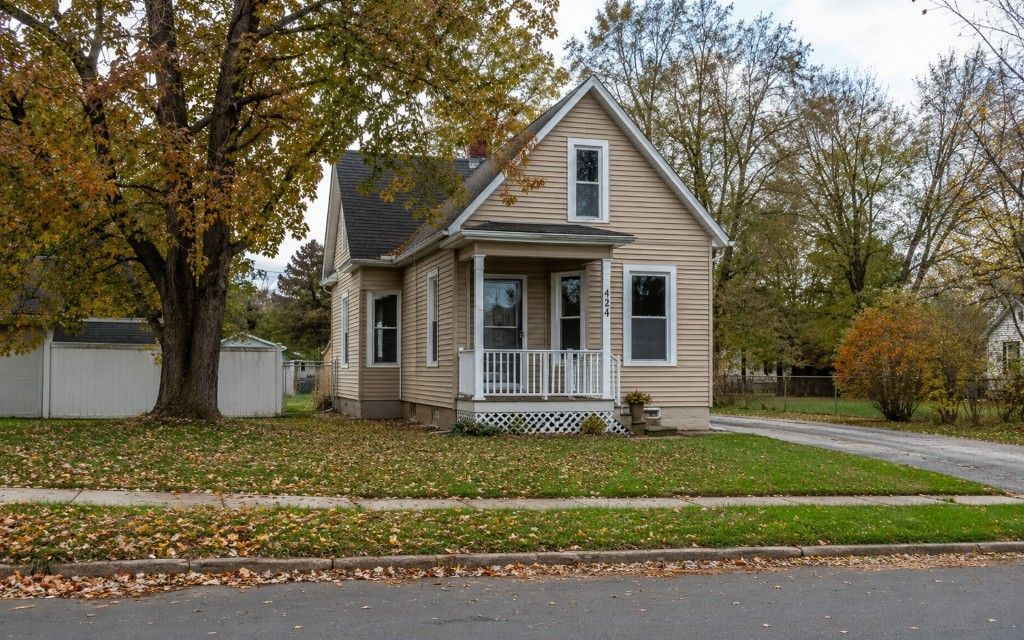
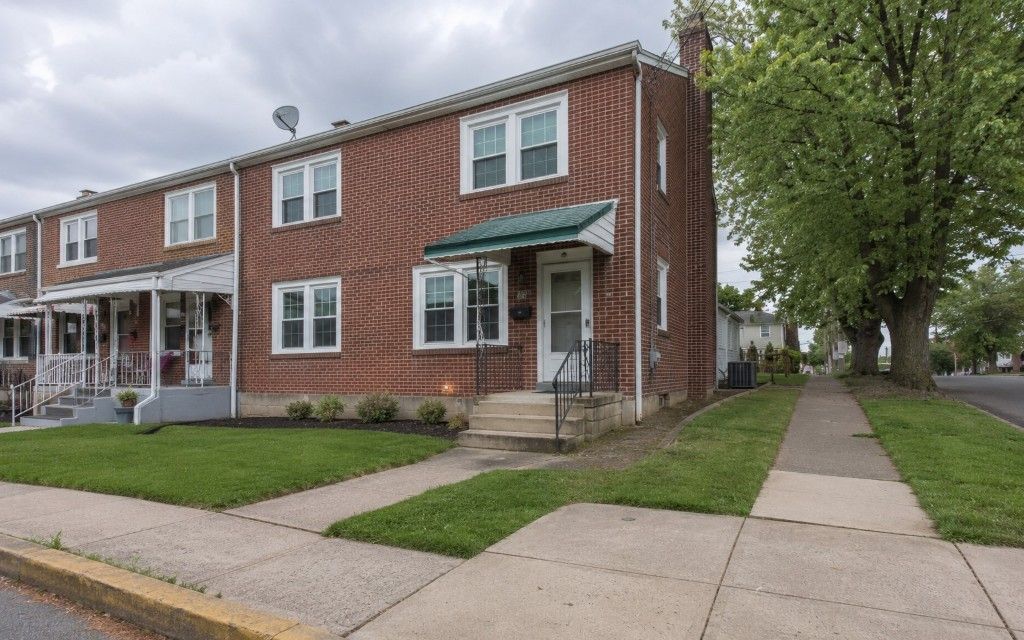
Philadelphia is Pennsylvania's largest city. The housing market there stays active year-round. Cash buyers in Philadelphia handle everything from row homes in South Philly to single-family houses in the Northeast. Many focus on properties that need work or are at risk of foreclosure.
Pittsburgh has experienced a real estate revival in recent years. The city's neighborhoods each have unique character. Cash buyers there understand local market conditions. They know the difference between offers in Shadyside versus offers in Bloomfield. This local knowledge helps them make fair offers quickly.
Allentown continues to grow as a manufacturing and distribution hub. Companies like Pezon Properties serve the Lehigh Valley with direct cash offers. The city attracts buyers who understand both urban properties and the surrounding suburban areas. Cash buyers in Allentown often close deals in as little as seven days.
Harrisburg, as the state capital, has a steady housing demand. Cash buyers there work with government employees, military families, and long-time residents. The market moves at a moderate pace, which gives buyers time to evaluate properties carefully.
Scranton and Wilkes-Barre share a metropolitan area in northeastern Pennsylvania. These cities have an older housing stock that sometimes needs updating. Cash buyers in this region specialize in properties that traditional buyers might overlook. They see potential where others see problems.
Erie sits on Lake Erie's southern shore. The city's unique location creates specific housing challenges. Winter weather can be harsh. Cash buyers there factor in climate-related wear when making offers. They understand that lakefront properties have different values than inland homes.
Reading has a diverse population and a variety of housing types. Cash home buyers there work in neighborhoods with different income levels. They adapt their approach based on each property's location and condition.
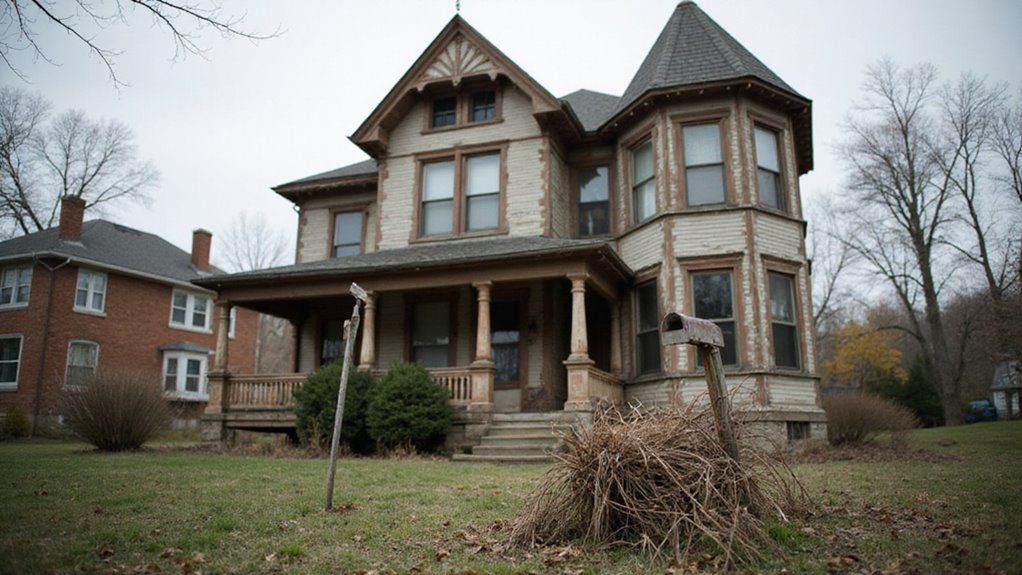
What to Expect from Home Buyers in Smaller Pennsylvania Towns
Smaller Pennsylvania towns also have active cash home buyers. These communities might not have as many companies as big cities, but options still exist.
Towns like Bethlehem, Lancaster, and York have regional buyers who serve multiple counties. These companies often cover wider territories than city-based buyers. They might serve five or six counties from one central office.
In smaller markets, cash buyers often know the community personally. They might have grown up in the area or lived there for decades. This familiarity helps them understand property values. They know which neighborhoods hold value and which face challenges.
Response times can be faster in small towns. Fewer properties come on the market, so buyers act quickly when opportunities arise. You might receive an offer within 24 hours of your first contact.
However, smaller markets mean fewer competing buyers. You might get one or two offers instead of five or six. This does not always mean lower prices. It just means less competition among buyers.
Small-town buyers often handle properties that big companies skip. A farmhouse on three acres might not interest a Philadelphia-based company. But a local buyer in Somerset County might jump at the chance.
Rural areas present unique situations. Properties might have septic systems instead of public sewer. They might use well water instead of city water. Local Pennsylvania home buyers understand these systems. They factor in maintenance costs and potential issues.
Transportation matters in smaller communities. If your town sits far from major highways, fewer buyers might operate there. Look for companies that specifically mention serving your county or region.
Some regional companies serve specific corridors. A buyer might work along Route 30 from Gettysburg to Lancaster. Another might focus on towns along Interstate 80. Understanding these service areas helps you find the right buyer.
Why Local Pennsylvania Home Buyers Often Offer Better Service
Local Pennsylvania home buyers provide advantages that out-of-state companies cannot match. Geography matters in real estate. Understanding your specific market makes a real difference.
Local buyers know current market conditions in your area. They track recent sales in your neighborhood. They understand seasonal patterns. A local company knows that property values in State College fluctuate during Penn State's academic year. They factor in these details when making offers.
Response time improves with local buyers. If a buyer operates in your region, they can visit your property quickly. You do not wait days for someone to fly in from another state. Companies like Pezon Properties can often view Allentown-area homes the same day you call.
Local buyers understand regional property issues. They know which areas have basement water problems. They recognize common foundation issues in older Pennsylvania homes. This knowledge leads to more accurate offers. You do not face surprise reductions after inspection.
Closing happens faster with local companies. They work with local title companies and attorneys. Everyone knows each other and communicates well. This network speeds up paperwork and resolves issues quickly.
Local buyers care about their reputation in the community. They might buy ten or twenty houses per year in your town. Word travels fast in smaller markets. Companies that treat sellers unfairly quickly earn a bad reputation. This incentive encourages fair dealing and honest communication.
Personal service improves when you work with local buyers. You might meet the company's actual owner. Large national firms use call centers and remote employees. Local companies often have the decision-maker personally review your property.
Local buyers can offer more flexible terms. They understand unique situations that sellers face. Maybe you need to stay in the house an extra month after closing. A local buyer might accommodate this request more easily than a distant corporation.
Community investment matters to many sellers. Local Pennsylvania home buyers often reinvest in the communities where they purchase. They renovate properties and sell them to new families. This activity strengthens neighborhoods instead of letting properties deteriorate.
Understanding Pennsylvania's specific real estate laws helps local buyers serve you better. The state has unique disclosure requirements and closing procedures. Local companies navigate these rules daily. They anticipate issues and prevent delays.
Finding the Right Pennsylvania Home Buyer for Your Situation
Not all cash buyers operate the same way. Some focus on fast closings. Others prioritize paying top dollar. Understanding your priorities helps you choose the right buyer.
Start by researching companies in your area. Check online reviews and Better Business Bureau ratings. Ask neighbors or friends if they have sold to cash buyers. Personal recommendations carry weight.
Contact multiple buyers to compare offers. Most companies provide free, no-obligation quotes. Getting three to five offers helps you understand your property's value. Do not feel pressured to accept the first offer you receive.
Ask questions during your conversations. How long has the company operated? How many properties do they buy per year? What fees do they charge? Legitimate buyers answer these questions honestly.
Watch for red flags. Some warning signs include requests for upfront fees, pressure to sign quickly, or unwillingness to provide references. Reputable Pennsylvania home buyers never charge evaluation fees.
Consider your timeline when choosing a buyer. If you must move in two weeks, prioritize speed. If you can wait a month, you might be able to negotiate a higher price. Different buyers accommodate different schedules.
Understand what is included in offers. Some buyers cover all closing costs. Others split expenses with sellers. Factor in these details when comparing offers. The highest offer might not net you the most money after fees.
Look for buyers who provide written offers. Verbal agreements mean nothing in real estate. Get everything in writing before making decisions. This protects both you and the buyer.
Some buyers specialize in specific situations. Companies exist that focus on inherited properties, pre-foreclosure homes, or houses with code violations. If your situation has complications, seek out specialized buyers.
Trust your instincts when meeting buyers. Professional companies treat you with respect. They explain their process clearly. If something feels wrong, walk away. Plenty of other Pennsylvania home buyers will want your property.
The Cash Home Buying Process in Pennsylvania
Understanding the process helps set realistic expectations. While details vary between companies, most cash sales follow similar steps.
Everything starts with your initial contact. You call, email, or fill out an online form. You provide basic information about your property. This includes address, approximate square footage, and general condition.
The buyer then schedules a property viewing. This visit usually happens within one to three days. The buyer walks through your home and takes notes. They check major systems like heating, plumbing, and electrical. They look at the roof, foundation, and overall structure.
After the visit, the buyer prepares an offer. This typically arrives within 24 to 48 hours. The offer includes the purchase price and proposed closing date. It also outlines who pays for title insurance, transfer taxes, and other closing costs.
If you accept the offer, the buyer starts the paperwork. They order a title search to ensure no liens or legal issues exist. They contact a title company or real estate attorney to handle the closing.
Pennsylvania law requires certain disclosures from sellers. You must complete a seller's disclosure form. This document lists known issues with the property. Be honest on this form. Hiding problems can cause legal trouble later.
The title company researches property records. They verify ownership and check for outstanding mortgages or liens. If problems appear, they work to resolve them before closing.
As closing day approaches, you receive the final paperwork. Read everything carefully. Ask questions about anything you do not understand. The title company or attorney can explain each document.
Closing day arrives. You meet at the title company office or the attorney's office. You sign the deed and other transfer documents. The buyer provides payment, usually by wire transfer or cashier's check. You hand over the keys, and the deal is complete.
Many Pennsylvania home buyers close in seven to fourteen days. Some can move even faster if needed. This speed makes cash sales attractive to sellers facing time pressure.
Benefits of Selling to Cash Buyers vs. Traditional Methods
Cash buyers offer advantages that traditional real estate transactions cannot match. Understanding these benefits helps you decide if this option fits your needs.
Speed ranks as the biggest advantage. Traditional sales take a minimum of 30 to 60 days. Cash sales often close within two weeks. When you need money quickly, this speed matters.
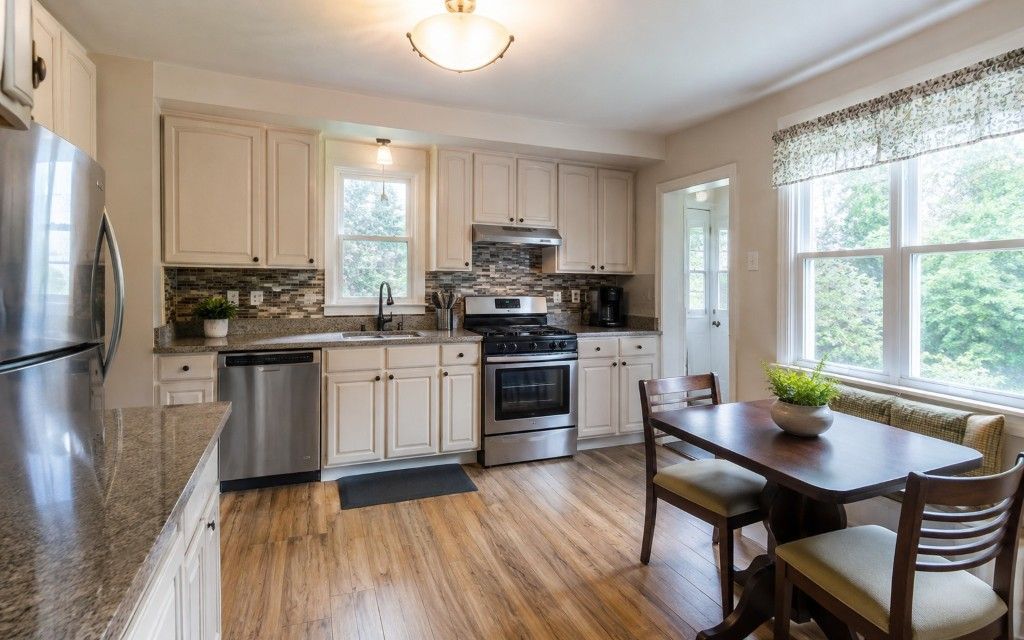
You sell your house as-is. Cash buyers do not require repairs or updates. Your 1950s kitchen stays exactly as it is. That leaky bathroom faucet? The buyer handles it after purchase. You save thousands of dollars on pre-sale repairs.
No real estate agent fees apply. Traditional sales cost you 6% in agent commissions; on a $200,000 house, that equals $12,000. Cash sales eliminate this expense. You keep more of the sale price.
Certainty increases with cash offers. Traditional buyers need mortgage approval. Deals fall through when banks reject loan applications. Cash buyers already have the money. Your deal is far less likely to collapse.
You avoid the hassle of showings. Traditional sales mean keeping your house spotless for months. You rush home to hide personal items before strangers walk through. Cash sales require one quick visit, then you are done.
Moving becomes more flexible. Cash buyers often let you choose your closing date. Need an extra month to pack? Many buyers accommodate this request. Traditional buyers usually want immediate possession.
Privacy improves with cash sales. Your house never appears on public listing sites. Neighbors do not see a for-sale sign in your yard. Only the buyer knows you are selling.
Common Concerns When Selling to Pennsylvania Home Buyers
Sellers often worry about cash home buyers. Understanding common concerns helps you approach the process with confidence.
Many people fear getting lowballed. Cash buyers do offer less than retail market value. However, this makes sense economically. They assume risk, pay cash, and buy as-is. Factor in the money you save on repairs and agent fees. The net difference often shrinks considerably.
Some worry about scams. Legitimate companies do exist, but so do fraudsters. Protect yourself by researching companies thoroughly. Check reviews, verify business licenses, and get everything in writing. Never pay upfront fees to cash buyers.
Sellers sometimes regret not testing the traditional market. If you have time, this concern has merit. Getting a comparative market analysis from a real estate agent costs nothing. This helps you understand your property's full retail potential. Then you can make an informed choice.
Questions about fair market value are common. Cash buyers consider repair costs, carrying costs, and profit margins in their offers. They are running businesses, not charities. However, their offers should still fall within a reasonable range of your property's current condition value.
Tax implications concern some sellers. Selling any house can trigger capital gains taxes. The sale method does not change this. Consult a tax professional about your specific situation. The speed of a cash sale does not create different tax obligations.
Pennsylvania Real Estate Market Trends Affecting Cash Buyers
Understanding broader market trends helps you time your sale. Pennsylvania's real estate market has unique characteristics that affect cash buyers.
The state's population remains relatively stable. Some areas grow while others decline. Philadelphia and its suburbs continue expanding. Rural counties in central Pennsylvania lose population. Cash buyers concentrate on growing areas.
Property values vary dramatically across the state. Philadelphia homes cost far more than similar properties in Erie. Harrisburg prices differ from Pittsburgh prices. Cash buyers adjust offers based on local markets, not statewide averages.
Inventory levels affect how quickly buyers respond. In markets with few available properties, buyers act aggressively. In areas with high inventory, they take more time evaluating options.
Economic conditions influence cash buying activity. When interest rates rise, fewer traditional buyers qualify for mortgages. This creates opportunities for cash buyers. They face less competition and can negotiate better deals.
Seasonal patterns affect Pennsylvania real estate. Spring and summer see more activity. Winter months slow down, especially in northern counties where snow complicates moves. Cash buyers operate year-round but might adjust offers based on the season.
Frequently Asked Questions
How quickly can Pennsylvania home buyers close on my property?
Most cash home buyers in Pennsylvania can close in seven to fourteen days. Some companies move even faster when you face urgent situations, such as foreclosure or a job relocation. The timeline depends on how quickly the title company completes its search and resolves any issues. Properties with clear titles and no complications close fastest. If your property has liens, code violations, or estate issues, expect the process to take longer. However, even complicated sales usually close within 30 days. This beats traditional sales by several weeks or months. Companies like Pezon Properties work to accommodate your specific timeline needs. Let buyers know upfront if you need an especially quick or delayed closing.
Do cash buyers purchase homes in any condition throughout Pennsylvania?
Yes, most Pennsylvania home buyers purchase properties in any condition. This includes houses with fire damage, structural issues, code violations, or extreme neglect. Cash buyers see value where traditional buyers see problems. They have renovation crews and contractor relationships that make repairs economical. You do not need to clean, paint, or fix anything before selling. However, the condition affects the offer price. A house needing $50,000 in repairs receives a lower offer than a similar house in good shape. Be honest about your property's condition during initial conversations. This helps buyers make accurate offers and prevents surprises during the property visit. Even hoarder houses, properties with foundation cracks, or homes with outdated systems find buyers in Pennsylvania's cash market.
How do I know if a Pennsylvania home buyer's offer is fair?
Compare multiple offers to gauge fairness. Contact three to five cash buyers in your area and request quotes. Similar offers from different companies suggest market-appropriate pricing. Research recent sales of comparable properties in your neighborhood. Online tools like Zillow provide estimates, though they are not always accurate. Consider hiring an appraiser for $300-$500. This gives you professional insight into your property's value. Factor in what you save by selling for cash. Add up avoided agent commissions, repair costs, and carrying costs like mortgage payments during a traditional sale. A cash offer might be $20,000 below retail value, but only $5,000 below your net profit after expenses. Remember that cash buyers assume risks and costs that you avoid. Fair offers reflect this reality while still providing you with reasonable value.

About the author
Mathew Pezon
Mathew Pezon is the founder and CEO of Pezon Properties, a cash home buying company located in Lehigh Valley, Pennsylvania. With several years of experience in the real estate industry, Mathew has become a specialist in helping homeowners sell their properties quickly and efficiently. He takes pride in providing a hassle-free, transparent, and fair home buying experience to his clients. Mathew is also an active member of his local community and is passionate about giving back. Through his company, he has contributed to various charities and causes.