Getting the Best Cash Offer from Pennsylvania Home Buyers: Tips and Strategies
Selling your home for cash can feel overwhelming. You want the best deal possible, but you might not know where to start. Pennsylvania home buyers offer quick sales without the usual hassle of traditional listings. But how do you make sure you get the highest offer?
This guide shows you exactly how to maximize your cash offer. You will learn what buyers look for, how to boost your home's value, and why comparing multiple offers matters. By the end, you will have the tools to negotiate confidently and secure the best possible deal.
Whether you need to sell fast or just want to skip repairs and showings, understanding how cash buyers work puts you in control. Let's dive into the strategies that will help you walk away with more money in your pocket.
How Pennsylvania Home Buyers Calculate Their Cash Offers
Pennsylvania home buyers use a specific formula to decide how much they will pay for your property. Understanding this formula helps you see where your money goes and what affects the final number.
First, buyers look at your home's after-repair value (ARV). This is what your house would sell for on the open market if it were in perfect condition. They research recent sales of similar homes in your neighborhood to find this number. A three-bedroom house in Allentown will have a different ARV than the same house in Pittsburgh.
Next, they subtract repair costs. Buyers walk through your home and list every fix needed. This includes obvious problems like a leaky roof or broken furnace. It also includes cosmetic issues like outdated kitchens or worn carpets. Professional buyers often get contractor quotes to estimate these costs accurately.
Then comes the profit margin. Cash buyers need to make money when they resell or rent your property. Most buyers aim for a 10 to 20 percent profit after all expenses. This might seem high, but remember, they take all the risk. If the market drops or repair costs exceed expectations, they lose money.
Finally, buyers factor in holding costs and fees. Every month, they own your house, which incurs costs for taxes, insurance, and utilities. Closing costs, real estate agent fees (if applicable), and marketing expenses are also subtracted. Companies like Pezon Properties in Allentown calculate these carefully to give fair offers while staying in business.

The basic formula looks like this: Cash Offer equals ARV minus Repair Costs minus Profit Margin minus Holding Costs and Fees. If your home's ARV is $200,000, repairs cost $30,000, and the buyer needs $40,000 for profit and costs, your offer would be around $130,000.
Some factors can push your offer higher. Homes in hot neighborhoods get better offers because they sell faster. Properties that require fewer repairs pose a lower risk for buyers. The current real estate market also matters. When home prices are rising quickly, buyers can offer more because their profit margins increase.
Understanding this formula helps you see the offer as fair business math rather than a lowball insult. It also shows you exactly where you can improve your position to get more money.
Simple Ways to Increase Your Cash Offer Without Major Repairs
You do not need to spend thousands on renovations to boost your cash offer. Small, smart improvements can add real value without breaking your budget or taking months to complete.
Start with a deep clean. This sounds basic, but it works. Pennsylvania home buyers see dozens of properties every month. A clean home stands out immediately and suggests good maintenance. Scrub kitchens and bathrooms until they shine. Wash windows inside and out. Clean carpets or have them professionally steamed. Remove all trash, including items in the yard or garage. A clean home can add $2,000 to $5,000 to your offer because it reduces the buyer's cleaning costs.
Next, handle minor repairs yourself. Fix leaky faucets, replace broken light fixtures, and patch small holes in walls. Tighten loose doorknobs and cabinet handles. These fixes cost under $200 in materials but prevent buyers from adding big numbers to their repair estimates. When buyers see small problems, they often assume there are bigger hidden issues.
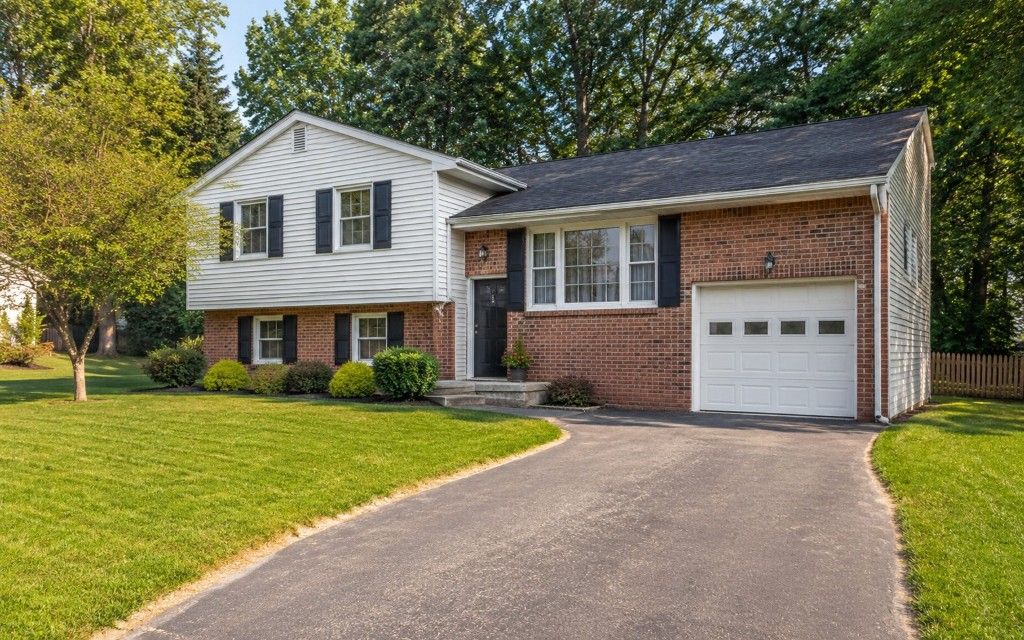
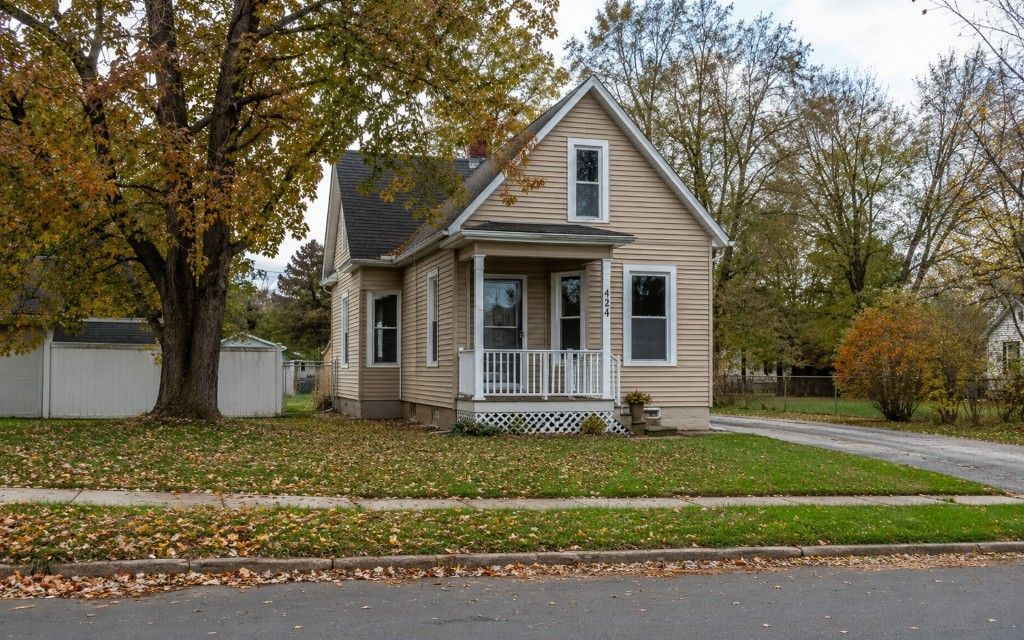
Improve your curb appeal quickly. Mow the lawn, trim bushes, and remove dead plants. Add fresh mulch to flower beds if you have them. Power wash the front walkway and porch. Paint the front door if it looks worn. First impressions matter, even to cash buyers who plan to renovate. Better curb appeal suggests a well-maintained home inside, too.
Clear out clutter completely. Remove personal items, excess furniture, and anything stored in corners or on counters. Rent a storage unit if needed. Empty spaces look bigger and help buyers visualize the property's potential. Cluttered homes often get lower offers because buyers struggle to see past the mess.
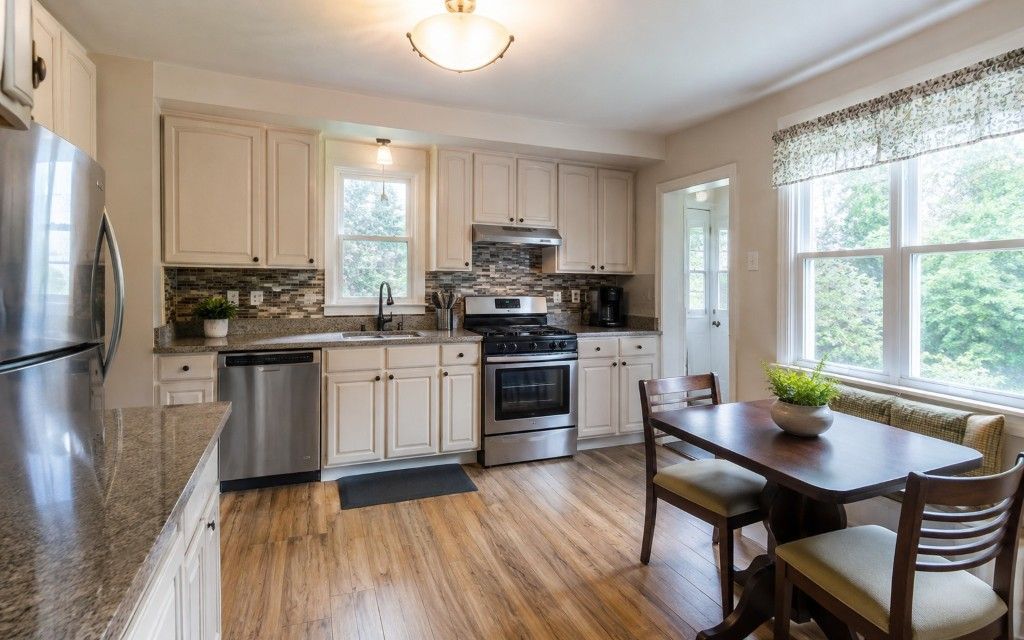
Make easy upgrades that show well. Replace outdated light switch covers and outlet plates for just a few dollars each. Update old cabinet hardware in the kitchen and bathroom. These tiny touches make spaces feel more modern without real renovation costs.
Fix obvious safety issues immediately. Secure loose railings, repair broken steps, and fix exposed wiring. Buyers have to account for safety issues in their offers, often adding extra padding to address liability concerns. Solving these issues yourself costs less than the deduction buyers will take.
Finally, gather maintenance records and receipts. Show buyers documentation of roof repairs, HVAC servicing, or other major work. Proof of good maintenance reduces perceived risk and can justify a higher offer. Pennsylvania home buyers appreciate sellers who can demonstrate care for their property.
These simple steps might add $5,000 to $15,000 to your final offer. That is real money for just a few days of work and minimal expense. The key is focusing on quick wins that reduce the buyer's perceived risk and costs.
Should You Get Multiple Offers from Different Pennsylvania Home Buyers
Getting multiple cash offers is one of the smartest moves you can make. This strategy gives you negotiating power and helps ensure you receive fair market value for your property.
Think of it like shopping for car insurance. You would never accept the first quote without comparing options. The same logic applies when selling your home for cash. Different Pennsylvania home buyers have different business models, costs, and profit requirements. This means their offers will vary, sometimes by tens of thousands of dollars.
Start by reaching out to at least three to five cash buyers. Look for local companies like Pezon Properties that know Allentown and the surrounding areas well. Also consider regional and national buyers. Each brings different advantages. Local buyers often have lower overhead and can move faster. Larger companies might have more cash reserves for higher offers.
Request written offers from everyone. Verbal estimates mean nothing when it comes time to close. Get each offer in writing with clear terms. This protects you and makes it easier to compare options. Written offers also show which buyers are serious and which are just fishing for information.
Compare more than just the dollar amount. Look at the timeline each buyer proposes. Some can close in seven days,s while others need 30 days or more. Check if they charge any fees. Most legitimate cash buyers pay all closing costs, but some sneak in charges that reduce your net proceeds. Review contingencies carefully. The best cash offers have no inspection or financing contingencies.
Notice how each buyer communicates. Responsive, professional buyers who answer questions clearly are easier to work with. If a buyer is hard to reach before making an offer, imagine the headaches during closing. Trust and reliability matter as much as the offer price.
Use multiple offers to negotiate. Once you have several offers in hand, you can go back to your top choice and ask them to match or beat a competitor's price. Many buyers will bump their initial offer by $3,000 to $10,000 to win the deal. They have already invested time evaluating your property and want to close it.
Be honest but strategic in negotiations. You do not need to share every detail of competing offers. Simply let buyers know you have other options and would prefer to work with them if they can improve the terms. This approach works without burning bridges or seeming greedy.
Watch for red flags during this process. Buyers who pressure you to decide immediately or refuse to put offers in writing should be avoided. Legitimate companies understand sellers need time to evaluate options. Also, be cautious of offers that seem too good to be true. If one offer is $40,000 higher than all others, that buyer might reduce the price after inspection or fail to close entirely.
Getting multiple offers takes extra time upfront, but pays off significantly. Sellers who compare offers typically receive 8 to 15 percent more than those who accept the first bid. That difference can mean an extra $10,000 to $30,000 in your pocket at closing.
Understanding and Negotiating the Terms Beyond Just Price
The offer price grabs attention first, but other terms can matter just as much to your outcome. Smart sellers look at the complete deal, not just the biggest number.
Closing timeline affects your planning and costs. If you need to move out quickly for a new job or to avoid foreclosure, a seven-day close is worth more than waiting 45 days. But if you need time to find a new place, a longer timeline might work better. Some Pennsylvania home buyers offer flexible closing dates. Others work on tight schedules. Make sure the timeline fits your situation before signing anything.
The possession date is different from the closing date. Sometimes you close on the sale but stay in the home for a few extra days or weeks. This arrangement, called a rent-back or post-possession agreement, can be valuable. It gives you time to move without rushing. Negotiate this upfront if you need it. Most cash buyers will accommodate reasonable requests, especially if it means closing the deal.
Closing costs and fees deserve close attention. In a true cash sale, the buyer typically pays all closing costs. This includes title insurance, transfer taxes, and settlement fees. Suppose a buyer asks you to cover any of these expenses, which reduces your net proceeds. A $150,000 offer with $5,000 in closing costs is really a $145,000 offer. Always calculate your net amount after all costs.
Inspection contingencies can derail deals. Traditional home sales include inspection periods where buyers can back out or renegotiate if they find problems. The best cash offers have no inspection contingency at all. The buyer accepts the property as is, regardless of what they discover. Some buyers include inspection clauses that let them reduce the price later. Avoid these if possible. They create uncertainty and often lead to lower final prices.
Home warranties and repairs should be clarified in writing. Most cash sales are as-is, meaning you make no repairs before closing. But confirm this explicitly in your agreement. Some buyers might ask you to fix certain items or provide a home warranty. Unless you agreed to this upfront, push back. As is means as is.
Earnest money shows a buyer's commitment. This is a deposit the buyer makes when you accept their offer. If they back out without a good reason, you keep this money. Typical earnest money is one to three percent of the purchase price. Higher deposits mean more serious buyers. If someone offers $200,000 with just $500 earnest money, they are not very committed. Ask for at least $2,000 to $5,000 to ensure they will follow through.
Assignment clauses let buyers transfer the contract to another party. Some investors include these clauses so they can sell the deal to another buyer before closing. This is not necessarily bad, but it can cause delays. If the contract gets assigned, you might deal with new buyers who have different requirements. Ask if the buyer plans to close in their own name or assign the contract. Direct buyers usually close faster and more smoothly.
Negotiate terms that matter most to you. If a fast close is critical, you might accept a slightly lower offer from a buyer who can close in one week rather than three. If you want certainty above all, choose the buyer with the fewest contingencies, even if their price is $3,000 less than a competitor's
Get everything in writing before you commit. Verbal promises about timelines, repairs, or costs have no legal effect. Every term you negotiate should appear clearly in the purchase agreement. Read the entire contract before signing. If something confuses you, ask questions or have a real estate attorney review it. This small investment can save you from costly mistakes.
Remember that negotiation is normal. Cash buyers negotiate dozens of deals every month. They know sellers will ask for better terms. Companies like Pezon Properties expect negotiations and budget for them. Do not feel shy about asking for what you need. The worst they can say is no, and often they will meet you halfway.
The best deal balances price, timeline, and certainty. An offer that is $5,000 less but closes in half the time with no contingencies might be smarter than the highest bid with risky terms. Evaluate the complete package to make the right choice for your situation.
Frequently Asked Questions
How long does it take to close with Pennsylvania home buyers?
Most cash sales close in seven to 30 days. The exact timeline depends on the buyer's process and your situation. Some buyers, like Pezon Properties, can close in as little as seven days if you need speed. Others take three to four weeks to complete title work and paperwork. Cash sales are much faster than traditional sales, which typically take 45 to 60 days. You will not wait for buyer financing or deal with loan approval delays. If you need a specific closing date, discuss this upfront with potential buyers. Many will work with your schedule as long as you communicate clearly from the start.
Do I need to clean out my house before selling to a cash buyer?
It depends on what you negotiate, but most cash buyers purchase properties completely as is. This means you can leave items behind if needed. However, removing trash, personal belongings, and unwanted items often helps you get a better offer. A cleared-out home is easier for buyers to evaluate and reduces their cleanup costs. If you absolutely cannot clear everything out, discuss this with buyers before accepting an offer. Some will remove items for you, but might reduce the offer to cover disposal costs. The cleaner you leave the property, the smoother the process goes for everyone involved.
Will cash buyers still make offers on homes that need major repairs?
Yes, Pennsylvania home buyers specialize in properties needing work. In fact, many prefer homes that need repairs because they get better deals. They have contractor connections and renovation experience that enable them to profit from rehabbing properties. Major issues like foundation problems, roof damage, or outdated systems do not scare them away. They simply factor repair costs into their offer calculations. You do not need to fix anything before selling. However, being honest about all problems helps buyers make accurate offers. Hiding major issues can cause delays or price reductions once they are discovered during evaluation.

About the author
Mathew Pezon
Mathew Pezon is the founder and CEO of Pezon Properties, a cash home buying company located in Lehigh Valley, Pennsylvania. With several years of experience in the real estate industry, Mathew has become a specialist in helping homeowners sell their properties quickly and efficiently. He takes pride in providing a hassle-free, transparent, and fair home buying experience to his clients. Mathew is also an active member of his local community and is passionate about giving back. Through his company, he has contributed to various charities and causes.