Pennsylvania FSBO Paperwork and Legal Requirements
Selling your house without a real estate agent in Pennsylvania can save you thousands in commission fees. But you need to handle all the paperwork yourself. This guide covers every document, disclosure, and legal requirement you must follow when you sell your home as a For Sale By Owner (FSBO) in Pennsylvania.
Required Seller Disclosures in Pennsylvania
Pennsylvania law requires sellers to disclose known problems with the property to buyers. This protects buyers from surprises after they move in. The main document you need is the Residential Real Property Disclosure Statement. Every seller must provide this form unless specific exceptions apply.
The disclosure form asks about the condition of your home's major systems. You must answer questions about the roof, foundation, plumbing, electrical system, heating and cooling, and appliances. You also need to report any water damage, pest problems, or structural issues you are aware of.
Be honest on every question. If you lie or hide problems, the buyer can sue you after closing. Pennsylvania courts take disclosure violations seriously. You could pay for repairs, legal fees, and even face fraud charges in extreme cases.
Some homes do not require the disclosure form. These include new construction that has never been occupied, transfers between family members, and sales from estates or foreclosures. Tax sales and court-ordered sales also get exceptions.
Fill out the form as soon as you decide to sell. Give it to potential buyers before they make an offer. Most buyers want to see it during their first visit. Keep a copy for your records with the date you provided it to each interested party.
If you discover a new problem after giving out the disclosure, you must update it. For example, if your basement floods two weeks after showing the house, tell the buyer right away. Create an amended disclosure with the new information.
Pennsylvania also requires a lead paint disclosure for homes built before 1978. This federal law applies to all states. You must tell buyers if you know about lead paint in the home. You must also give them an EPA pamphlet about lead paint hazards. Buyers have 10 days to test for lead paint if they choose to.
Working with a cash home buyer like Pezon Properties can simplify this process. They buy homes as-is and handle disclosure requirements differently from traditional buyers.
Do You Need a Lawyer to Sell Your House in PA
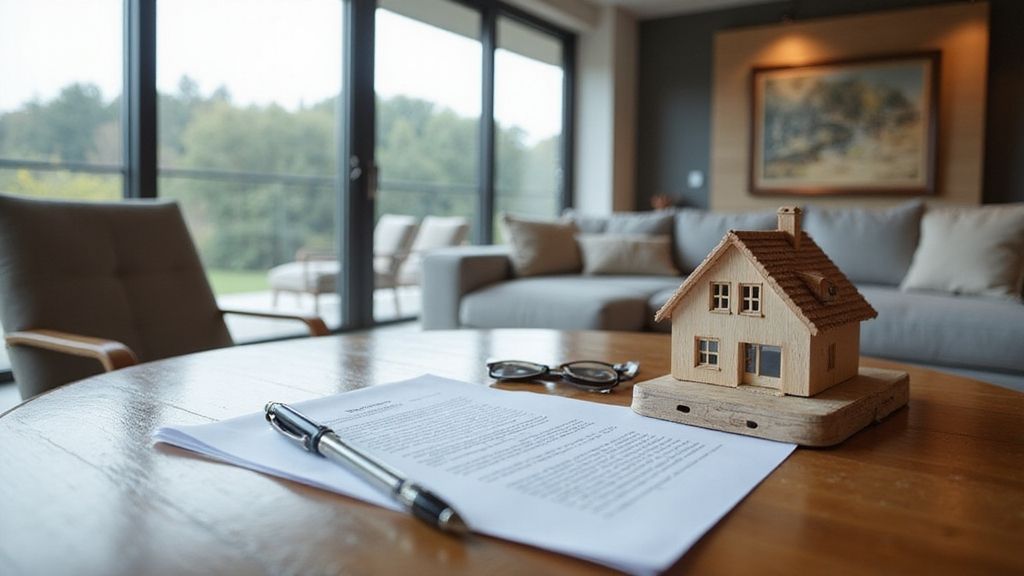
Pennsylvania does not legally require a lawyer to sell your house. You can complete an FSBO sale without one. However, most real estate experts strongly recommend hiring an attorney.
Real estate transactions involve complicated legal documents. One mistake in your contract can cost you thousands of dollars. A lawyer reviews all paperwork to protect your interests. They make sure the purchase agreement includes proper contingencies and protections.
Pennsylvania uses attorneys more than many other states for real estate closings. In some counties, lawyers attend every closing. In others, title companies handle closings without attorneys present. Local customs vary across the state.
A real estate attorney typically costs between $500 and $1,500 for an FSBO sale. This fee covers contract review, document preparation, and attendance at closing. Some lawyers charge flat fees while others bill hourly. Get quotes from several attorneys before choosing one.
Your lawyer can draft or review the purchase agreement. They explain confusing terms and make sure deadlines are reasonable. If problems come up during the inspection or appraisal, your attorney helps negotiate solutions.
Lawyers also handle title issues. They review the title search to find any liens, judgments, or claims against your property. If someone has a legal claim on your house, your lawyer works to resolve it before closing.
During closing, your attorney reviews the settlement statement. This document shows all the money changing hands. Your lawyer ensures the numbers are correct and that you receive the right amount. They also ensure all required documents get signed properly.
Some FSBO sellers skip the lawyer to save money. This works sometimes, but carries real risks. If the buyer's lawyer finds problems with your paperwork, you might need to hire an attorney anyway. Starting from scratch usually costs less than fixing mistakes later.
Consider your comfort level with legal documents. If you feel confident reviewing contracts and understand real estate terms, you might manage without a lawyer. If paperwork confuses you or you want extra protection, hire an attorney.
Purchase Agreement and Contract Essentials
The purchase agreement is the most important document in your home sale. This legal contract outlines every term of the deal. Both you and the buyer must sign it for the sale to proceed.
Your purchase agreement must include the full legal description of the property. This comes from your deed and describes the exact boundaries of your land. Street addresses alone are not enough for a legal real estate contract.
The contract must state the purchase price clearly. Include how the buyer will pay. Most buyers use a mortgage, but some pay cash. If they need a loan, the contract should include a mortgage contingency. This lets them cancel if they cannot get financing.
List all items included in the sale. Pennsylvania law says fixtures stay with the house unless you specify otherwise. Fixtures are items attached to the property, like ceiling fans, built-in appliances, and window treatments. If you plan to take the chandelier or remove the shed, write this in the contract.
Include important dates and deadlines. Set a date for the home inspection. Give yourself enough time to make repairs if needed. Choose a closing date that works for both parties. Most contracts allow 30 to 60 days from signing to closing.
Add contingencies to protect yourself. A home inspection contingency lets buyers back out if they find serious problems. An appraisal contingency protects buyers who need mortgages. If the house appraises for less than the sale price, they can renegotiate the price or cancel the sale.
The contract should explain what happens to the earnest money deposit. Buyers typically put down 1% to 3% of the purchase price when signing. This money goes into escrow. If the sale completes, it applies to their down payment. If they back out for reasons not covered by contingencies, you keep the deposit.
Include a clear explanation of who pays closing costs. In Pennsylvania, buyers and sellers split costs differently depending on local customs. Spell out exactly which party pays for title insurance, transfer taxes, and other fees.
Your contract needs proper signatures and dates. Both you and all buyers must sign. If you own the home with someone else, both owners must sign. Keep multiple copies of the signed agreement.
Companies like Pezon Properties use straightforward purchase agreements when buying homes for cash. They often waive inspections and appraisals, which significantly simplifies the contract.
Title Work and Closing Documents Explained
The title work proves you legally own the house and have the right to sell it. The title company or attorney searches public records to verify ownership. They look for any problems that could prevent a clean transfer to the new owner.
A title search uncovers liens against the property. Liens are legal claims for unpaid debts. Common liens include mortgages, home equity loans, tax liens, and mechanics' liens from unpaid contractors. You must pay off all liens before or at closing.
The title search also finds easements and restrictions. Easements give others the right to use part of your property, like utility companies accessing power lines. Restrictions might limit how the property can be used. Buyers need to know about these before making a purchase.
Title insurance protects against problems the search missed. Two types of title insurance exist. Owner's title insurance protects the buyer. Lender's title insurance protects the mortgage company. In Pennsylvania, sellers traditionally pay for the owner's policy, while buyers pay for the lender's policy. However, you can negotiate who pays these costs.
As the closing approaches, you need to gather several documents. Bring your current deed showing you own the property. Collect receipts for any repairs you made after the home inspection. Have your property tax information ready.
You will sign a new deed at closing. The deed legally transfers ownership to the buyer. Pennsylvania accepts several deed types. Most home sales use a special warranty deed or a general warranty deed. Your lawyer or title company prepares this document.
Review the settlement statement carefully before closing. Also called a closing disclosure, this document lists all costs and payments. Check that your mortgage payoff amount is correct. Verify the property taxes are prorated fairly. Make sure you receive credit for any repairs you agreed to make.
Bring a government-issued photo ID to closing. You need this to prove your identity when signing documents. Also, bring your house keys, garage door openers, and any alarm codes to give to the buyer.
The closing usually takes 30 to 90 minutes. You will sign many documents. The title company or attorney explains each one. Do not rush through this process. Ask questions if anything seems unclear.
After you sign everything, the buyer pays you the remaining money. This happens by wire transfer or certified check. Once the funds transfer, the sale is complete. The title company files the new deed with the county recorder's office within a few days.
Selling FSBO in Pennsylvania means managing all these title and closing steps yourself. Cash buyers like Pezon Properties often handle much of this work, making the process faster and simpler for sellers.
Frequently Asked Questions
What happens if I forget to disclose a problem with my house in Pennsylvania?
If you forget to disclose a known problem, the buyer can sue you after closing. Pennsylvania law requires honest disclosure of all known defects. Courts can order you to pay for repairs, compensate the buyer for damages, or even reverse the sale in serious cases. Always disclose everything you know about the property, even small issues. If you genuinely did not know about a problem, you typically cannot be held responsible. Keep records showing when you learned about any issues and when you told potential buyers.
Can I sell my house in Pennsylvania without a title company?
Technically, yes, but it is very difficult and risky. Someone must perform a title search to verify you own the property and no liens exist against it. An attorney can do this instead of a title company. You also need someone to prepare the deed and other closing documents. Without a title company or attorney, you might miss important problems that delay or cancel the sale. Most mortgage lenders require title insurance, which only title companies can provide. If your buyer pays cash and accepts the risk, you might close without a title company, but few buyers agree to this.
How long does FSBO paperwork take to complete in Pennsylvania?
The disclosure form takes 30 to 60 minutes to complete honestly and thoroughly. Preparing a purchase agreement takes 1 to 3 hours if you draft it yourself, or about 30 minutes if your attorney handles it. Title work usually takes 2 to 4 weeks from ordering the search to receiving the title insurance commitment. Gathering all closing documents takes a few hours spread over several days. From a signed purchase agreement to closing typically takes 30 to 60 days for buyers using mortgages. Cash sales can close in as little as 7 to 14 days since they skip the mortgage approval process.

About the author
Mathew Pezon
Mathew Pezon is the founder and CEO of Pezon Properties, a cash home buying company located in Lehigh Valley, Pennsylvania. With several years of experience in the real estate industry, Mathew has become a specialist in helping homeowners sell their properties quickly and efficiently. He takes pride in providing a hassle-free, transparent, and fair home buying experience to his clients. Mathew is also an active member of his local community and is passionate about giving back. Through his company, he has contributed to various charities and causes.