Complete Guide to Selling Your House by Owner in Pennsylvania

Mathew Pezon • March 31, 2026

Selling your house without a real estate agent can save you thousands of dollars. Many Pennsylvania homeowners choose this path every year. The process is called "For Sale by Owner" (FSBO). While it takes more work than hiring an agent, the money you save can be worth the effort.

This guide walks you through everything you need to know about selling your house as a homeowner in Pennsylvania. You will learn the legal requirements, the steps to follow, and how much money you can keep in your pocket.

What Does Selling by Owner Mean in Pennsylvania

Selling by owner means you handle the entire home sale yourself. You do not hire a real estate agent or pay their commission fees. In Pennsylvania, this approach is completely legal and fairly common.

When you sell FSBO in PA, you become responsible for every part of the sale. You price your home, take photos, write descriptions, and create listings. You also show the house to potential buyers, handle negotiations, and manage all the paperwork.

The biggest reason people choose FSBO is money. Traditional real estate agents typically charge 5% to 6% of your home's sale price. On a $200,000 house, that equals $10,000 to $12,000 in commission fees. When you sell by owner, you keep that money.

However, FSBO sales require time and effort. You need to understand Pennsylvania's real estate laws. You must price your home correctly to attract buyers. Marketing becomes your job, meaning taking high-quality photos and writing compelling descriptions.

Some sellers find the process overwhelming and eventually hire an agent. Others complete the sale and feel proud of their accomplishment. The key is understanding what you are getting into before you start.

Pennsylvania law allows FSBO sales but requires certain disclosures and documents. You must be honest about your property's condition. You cannot hide known problems from buyers. Breaking these rules can lead to lawsuits after the sale closes.

Companies like Pezon Properties buy houses directly from owners in Allentown and the surrounding areas. This option eliminates the marketing and showing process. Some sellers prefer this route when they want speed over maximum sale price.
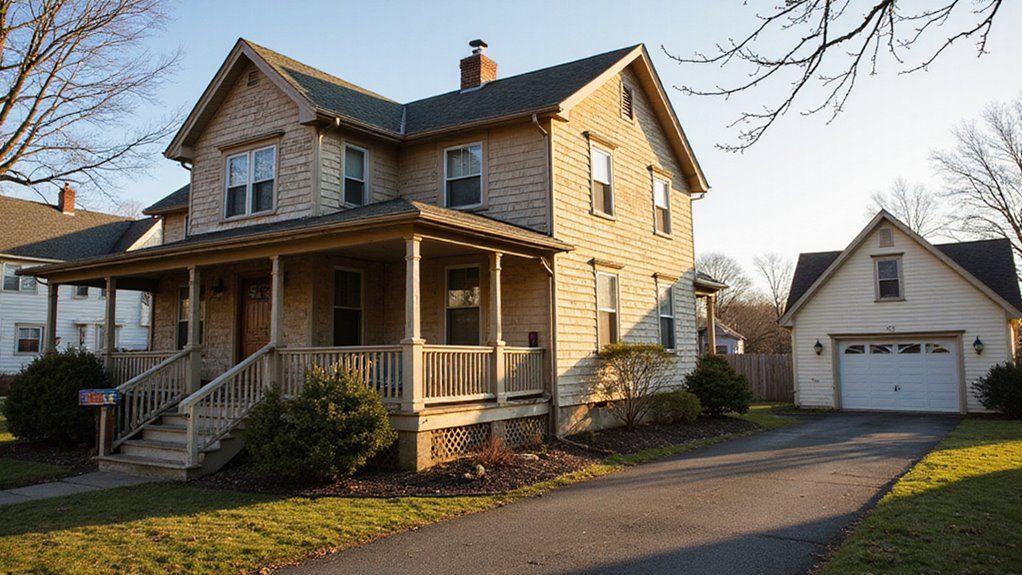
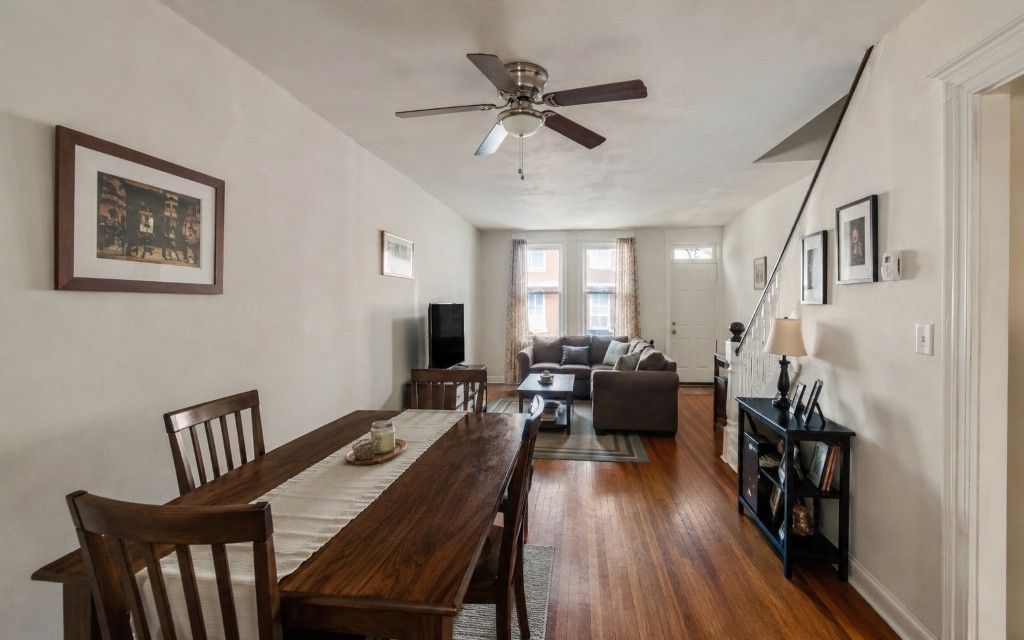
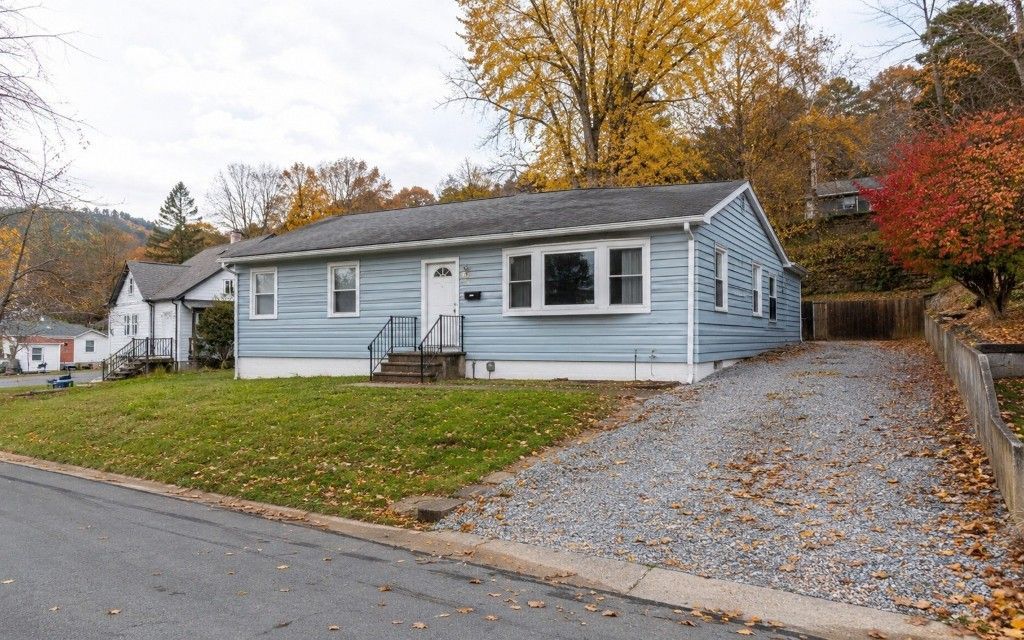
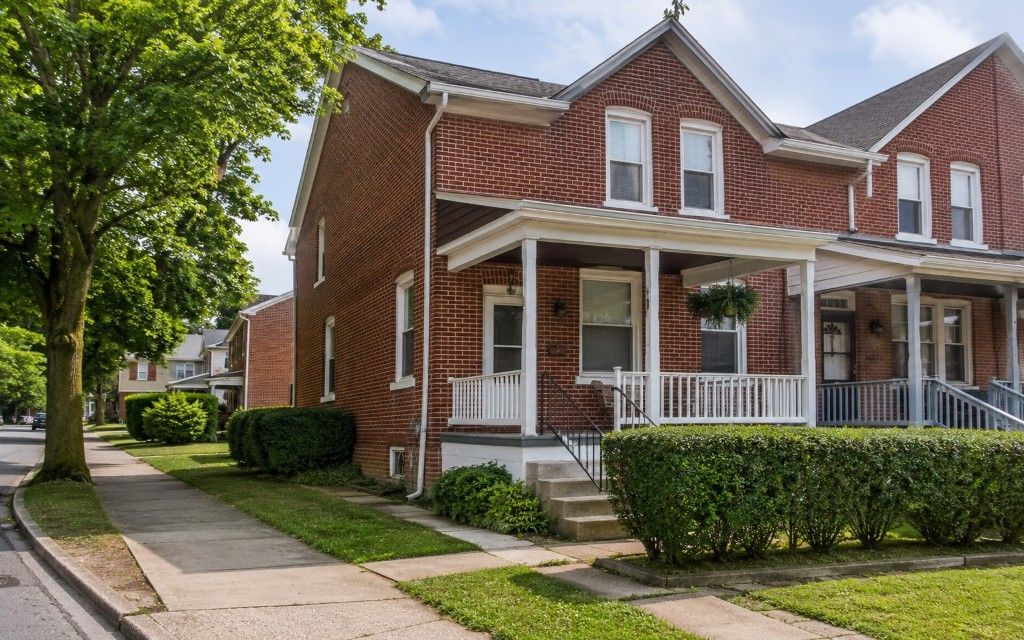
a run down house with good bones, but in desperate need of a paint job

Step-by-Step Process for FSBO in PA

The FSBO process involves multiple stages. Each step requires attention to detail and organization. Following these steps in order helps ensure a smooth sale.

Step 1: Prepare Your Home

Walk through your house as a buyer would. Fix obvious problems like leaky faucets, broken doorknobs, or cracked windows. Clean every room thoroughly. Remove personal items and excess furniture to make spaces look bigger. Fresh paint in neutral colors helps rooms feel new and clean.

Step 2: Determine Your Home's Value

Research similar homes that recently sold in your neighborhood. Look at houses with the same number of bedrooms, bathrooms, and square footage. Check online real estate sites for current listings. Consider getting a professional appraisal for $300-$500. This gives you an objective opinion of your home's worth.

Step 3: Gather Required Documents

Pennsylvania law requires a Seller's Property Disclosure Statement. This form lists everything you know about your house's condition. You also need the deed, mortgage payoff information, and property tax records. Having these documents ready speeds up the process when you find a buyer.

Step 4: Create Marketing Materials

Take clear, bright photos of every room. Include shots of the exterior and yard. Write a description highlighting your home's best features. Mention recent upgrades, the neighborhood, and nearby schools or shopping. Post your listing on popular real estate websites. Many allow FSBO listings for a small fee.

Step 5: Show Your House

Schedule showings at times that work for serious buyers. Keep your home clean and ready to show at all times. Be prepared to answer questions about the property, utilities, and neighborhood. Stay professional even if buyers make negative comments. Their feedback can help you improve your listing or adjust your price.

Step 6: Review Offers

Buyers submit written offers that include their price and terms. Look at more than just the number. Check if they need financing, what contingencies they include, and their proposed closing date. You can accept an offer, reject it, or counter with different terms.

Step 7: Navigate Inspections and Appraisals

Most buyers hire a home inspector to check the property's condition. They may request repairs based on the inspection report. You can agree to fix items, offer a credit, or refuse. If the buyer needs a mortgage, their lender orders an appraisal. The house must appraise at or above the sale price for the loan to go through.

Step 8: Close the Sale

Work with a real estate attorney or title company to prepare closing documents. Pennsylvania law does not require an attorney, but many sellers use one to ensure everything is done correctly. At closing, you sign the transfer documents and receive payment. The buyer gets the keys to their new home.

Pennsylvania Legal Requirements You Must Follow

Pennsylvania has specific laws protecting both buyers and sellers in real estate transactions. Breaking these rules can result in serious consequences. Understanding your legal obligations is not optional when selling FSBO.

Property Disclosure Statement

Pennsylvania's Real Estate Seller Disclosure Law requires you to complete a disclosure form. This document asks detailed questions about your property's condition. You must disclose known problems with the roof, foundation, plumbing, electrical system, and more. The form also asks about past repairs and improvements.

You must give this form to buyers before they make an offer or within five days after you accept an offer. Failing to provide proper disclosure can let buyers cancel the contract. They may also sue you after closing if they discover you hid known defects.

Answer every question honestly. If you do not know the answer, write "unknown" rather than guessing. Never lie or hide problems to make your house seem better than it is.

Lead-Based Paint Disclosure

If your house was built before 1978, federal law requires lead paint disclosure. You must tell buyers about any known lead-based paint or hazards. You must also provide an EPA-approved pamphlet on the dangers of lead paint. Buyers get 10 days to inspect for lead paint if they choose.

Deed and Title Requirements

You need a clear title to sell your house. This means no liens, judgments, or ownership disputes exist. A title company searches public records to verify your ownership. They also check for any claims against the property.

You must provide a deed that transfers ownership to the buyer. Pennsylvania accepts several deed types, but warranty deeds offer buyers the most protection. An attorney or title company typically prepares the deed to ensure it meets legal requirements.

Required Inspections

Pennsylvania does not require a home inspection before selling. However, most buyers request one as part of their purchase contract. Some municipalities require specific inspections, such as smoke detectors or sewage systems. Check with your local government about required certifications.

Fair Housing Laws

Federal and Pennsylvania fair housing laws prohibit discrimination. You cannot refuse to sell based on race, color, religion, national origin, sex, disability, or familial status. Apply the same standards to all potential buyers. Treat everyone equally during showings and negotiations.

Working with a real estate attorney protects you from legal mistakes. Pezon Properties handles all legal requirements when buying houses directly, removing this burden from sellers who choose its service.

How Much Money Can You Save with FSBO

The primary motivation for selling FSBO is saving money on commission fees. Understanding the complete financial picture helps you decide if this approach makes sense for your situation.

Traditional Agent Commissions

Real estate agents typically charge 5% to 6% of the sale price. This fee is split between the seller's agent and the buyer's agent. On a $250,000 house, a 6% commission equals $15,000. That money comes out of your proceeds at closing.

When you sell FSBO, you eliminate the listing agent's commission (usually half the total). However, many FSBO sellers still offer to pay the buyer's agent commission to attract more buyers. Offering 2.5% to 3% to buyer's agents gives buyers working with agents a reason to show your house.

If you successfully sell FSBO completely without paying any agent, you save the full 6%. On that $250,000 house, you keep the entire $15,000 that would have gone to commissions.

Other Selling Costs

Even FSBO sellers have expenses beyond commissions. You may spend $200 to $500 on professional photos. Listing on major real estate websites costs $300 to $600. A pre-sale home inspection runs $300 to $500. Attorney fees for reviewing contracts and attending closing range from $500 to $1,500.

Marketing costs add up if you use yard signs, flyers, or online advertising. Budget $300-$800 for quality marketing materials. Some sellers also make repairs or improvements before listing, and the extent varies widely based on your home's condition.

Real Savings Example

Here is a breakdown for a $200,000 house sale:

Traditional sale commission at 6%: $12,000

FSBO costs (photos, listings, attorney, marketing): $2,000

Net FSBO savings: $10,000

Even after paying for professional services, you save thousands. The exact amount depends on your home's price and what services you purchase.

Time Investment

Consider the value of your time when calculating savings. FSBO sales require 20 to 40 hours of work on average. You research pricing, create listings, schedule showings, and handle negotiations. Some people value this time at their regular job's hourly wage.

If you earn $50 per hour at work and spend 30 hours selling your house, that equals $1,500 in opportunity cost. Subtract this from your commission savings to find your true benefit. For most sellers, the savings still far exceed the time investment.

When FSBO May Not Save Money

Pricing your house incorrectly costs more than any commission. If you price too high, your house sits unsold for months. If you price too low, you lose thousands in potential equity. Experienced agents use market data to price homes accurately.

Poor marketing also reduces your final sale price. Professional photos and descriptions attract more buyers. More competition among buyers drives up your final price. The cost of hiring photographers and copywriters is often worth the investment.

Cash home buyers like Pezon Properties in Allentown offer another option. They buy houses in any condition without requiring repairs, marketing, or showings. While the offer may be below market value, you avoid all selling costs and close quickly. This works well for sellers who prioritize speed and convenience over maximum price.

Frequently Asked Questions

Do I need a lawyer to sell my house as a seller in Pennsylvania?

Pennsylvania law does not require you to hire a lawyer when selling your house. However, most real estate professionals strongly recommend using one. A real estate attorney reviews contracts, ensures proper disclosure, prepares deeds, and handles closing documents. They catch legal problems before they become expensive mistakes. Attorney fees typically range from $500 to $1,500, which is far less than the cost of fixing legal issues after closing. Even experienced FSBO sellers benefit from legal guidance during complex transactions.

How long does it take to sell a house FSBO in Pennsylvania?

The average FSBO sale in Pennsylvania takes 3 to 6 months from listing to closing. This timeline varies based on your home's price, condition, and location. Houses in desirable neighborhoods sell faster than those in slow markets. Proper pricing speeds up the process significantly. Overpriced FSBO homes often sit on the market for 6 to 12 months or more. Well-priced homes with quality photos and marketing can sell in 4 to 8 weeks. If you need to sell quickly, companies like Pezon Properties can close in as little as 7 days.

Can I use the MLS without a real estate agent?

The Multiple Listing Service (MLS) is typically restricted to licensed real estate agents. However, some companies offer flat-fee MLS listings for FSBO sellers. You pay a one-time fee of $200 to $600 to list your property on the MLS. This gives your home exposure to thousands of agents and their buyers. You still handle showings, negotiations, and paperwork yourself. Flat-fee MLS services vary in what they include, so read the terms carefully before signing up. This option combines FSBO savings with broader market exposure.

Mathew Pezon, co-owner of Pezon Properties

About the author

Mathew Pezon

Mathew Pezon is the founder and CEO of Pezon Properties, a cash home buying company located in Lehigh Valley, Pennsylvania. With several years of experience in the real estate industry, Mathew has become a specialist in helping homeowners sell their properties quickly and efficiently. He takes pride in providing a hassle-free, transparent, and fair home buying experience to his clients. Mathew is also an active member of his local community and is passionate about giving back. Through his company, he has contributed to various charities and causes.
By Mathew Pezon July 27, 2026
Selling your home does not require a perfect credit score, and for many homeowners that is a relief worth understanding. If you need to sell a house with bad credit, cash buyer options may open doors that traditional listings cannot, and knowing exactly how credit plays into a home sale helps you move forward with confidence. Does a Seller Need a Good Credit Score to Close a Deal? Most people associate credit scores with borrowing money. When you apply for a mortgage, a car loan, or a credit card, your credit history gets reviewed closely. But selling a home works differently. As a seller, you are not asking a bank for money. You are receiving money. That distinction changes everything. The Minimum Credit Score to Sell a Home There is no minimum credit score to sell your home. The laws governing real estate transactions in Pennsylvania do not require sellers to pass any credit check before listing or closing. Your credit report is simply not part of the seller's side of the transaction under normal circumstances. This surprises some homeowners. Many assume that bad credit prevents them from any real estate deal. In truth, your credit score is your lender's concern, not your buyer's concern, and not a legal requirement for selling property you own. Seller Credit Requirements Do Not Work Like Buyer Requirements Seller credit requirements are almost nonexistent compared to what buyers face. A buyer using a conventional loan must often show a score of 620 or higher. FHA buyers typically need a minimum score of 580. VA and USDA loans have their own thresholds. Sellers face none of these hurdles. The only time seller credit becomes relevant is in very specific circumstances tied to the property itself or to existing debt on that property. Outside of those situations, your credit score sits on the sidelines during the sale. Why Homeowners with Bad Credit Still Have Options Bad credit can feel like a wall between you and a fresh start. But selling your home is one of the few financial moves where your credit history rarely blocks you. If you have owned the property and can sign the deed, you can sell. The question shifts from "am I allowed to sell?" to "which type of sale works best for my situation?" That question matters, and the answer depends on what kind of buyer you are working with.
By Mathew Pezon July 24, 2026
Knowing the right questions to ask a real estate agent before you commit to a contract can save you thousands of dollars and months of frustration. Selling a home is one of the biggest financial decisions you will ever make, and the agent you choose will shape that entire experience. Most sellers meet with an agent once, feel comfortable, and sign a listing agreement that same day. That instinct to move quickly is understandable, but it often leads to regret. Taking the time to ask the right questions up front gives you a clearer picture of who you are actually working with. What Questions Should You Ask a Real Estate Agent at the First Meeting? The first meeting sets the tone for everything that follows. This is your opportunity to gather information, not just hear a sales pitch. Come prepared with specific questions and pay close attention to how the agent responds, not just what they say. Ask About Their Experience With Sellers Like You Every home sale is different. An agent who has spent years working with buyers may not have deep expertise in seller representation. Ask how many homes they have listed in the past 12 months, and ask specifically about homes in your price range and neighborhood. In Plainfield Township local market knowledge matters. An agent who knows which streets sell fast, which types of homes sit longer, and what buyers in this area are looking for will serve you far better than a generalist with a large but scattered portfolio. Ask How They Plan to Price Your Home Pricing is one of the most critical decisions in the home-selling process. Ask the agent to walk you through how they arrived at their suggested listing price. A strong agent will show you a comparable market analysis, explain their reasoning clearly, and be honest about pricing risks. Watch out for agents who suggest an unusually high list price without solid data to back it up. This approach, sometimes called "buying the listing," leads to price cuts later and homes that sit on the market too long. Ask What Their Commission Structure Looks Like Real estate commission is negotiable in most cases, but many sellers do not realize that. Ask the agent to explain their fee structure in plain terms. Find out what services are included and whether there are any additional costs you should expect during the transaction.
By Mathew Pezon July 23, 2026
Pricing your home correctly from the start can be the difference between a smooth sale and months of frustration. An overpriced home on the market loses momentum fast, and in Allentown, PA, buyers notice quickly when a listing is out of step with local values. What Are the Most Common Signs of an Overpriced Home on the Market? Most sellers do not realize their price is the problem until weeks have passed. By then, the damage to the listing is already done. Knowing what to watch for early gives you the power to adjust before things get worse. Low Showing Activity in the First Two Weeks The first two weeks after listing are critical. Buyer interest peaks early, and if your phone stays quiet during that window, pricing is usually the first thing to examine. Serious buyers in Forks Township are already watching the market. They have alerts set up, and they move fast on homes that feel fairly priced. When a listing has few or no showings, it signals to buyers that the price does not match what they are seeing elsewhere. A strong listing typically generates multiple showings in the first seven to ten days. Fewer than three showings in that window is a meaningful warning sign worth taking seriously. No Offers After Multiple Showings Getting showings but no offers is a different problem, and in some ways a more telling one. It means buyers are curious enough to visit but are walking away unconvinced. In most cases, people who tour a home and do not make an offer have done their homework. They have seen comparable homes nearby, and they know when a price is too high. Their silence is feedback, even if no one says it out loud. If your home has had five or more showings without an offer, that pattern is a signal. It points directly to a conversation about a price reduction with your listing agent. Feedback That Points to Pricing Showing feedback is valuable data. Pay close attention when multiple buyers say the same thing, even indirectly. Comments like "we liked it but found a better value nearby" or "needs too much work at this price" are polite ways of saying the same thing. Buyers rarely say a home is overpriced directly, but the pattern in their feedback tells the story clearly. When you start hearing consistent price-related concerns from different buyers who toured independently, the message is worth taking seriously.
By Mathew Pezon July 22, 2026
First-time buyer down payment assistance is money given or lent to homebuyers to help cover the upfront cost of purchasing a home. For many people in Lehigh Township that upfront cost is the single biggest barrier standing between renting and owning. These programs exist specifically to close that gap, offering grants, low-interest loans, or forgivable funds that reduce what you need to bring to the closing table. Buying your first home involves more than just a monthly mortgage payment. Before you even get the keys, you may owe anywhere from 3% to 20% of the purchase price as a down payment, plus additional closing costs that can run another 2% to 5%. On a $200,000 home, that could easily mean $10,000 to $50,000 out of pocket. That kind of number stops a lot of people before they even start. Down payment assistance programs were designed to change that. What Does First-Time Buyer Down Payment Assistance Actually Cover? The term "down payment assistance" can mean several different things depending on the program. Some programs cover only the down payment itself. Others extend to closing costs, which include lender fees, title insurance, appraisal costs, and prepaid taxes or insurance. Knowing the difference matters before you apply. Grants vs. Forgivable Loans A homebuyer grant is money you do not have to pay back. State housing agencies, nonprofits, or local governments often provide these. Grants are typically smaller in size but come with no repayment strings attached as long as you meet the program's occupancy requirements. A forgivable loan works differently. The lender provides funds that are forgiven over a set number of years, usually 5 to 10, as long as you stay in the home. If you sell or move before that period ends, you may have to repay part of the balance. Both options reduce what you need upfront. Second Mortgage Programs Some assistance comes in the form of a second mortgage with deferred payments. You borrow the down payment amount as a separate loan, and repayment does not begin until you sell, refinance, or pay off your primary mortgage. This is a common structure in Pennsylvania's state-run affordable housing initiatives and keeps your monthly costs manageable during those early years of homeownership. What Counts as an Eligible Expense Most programs are specific about how the funds can be used. Eligible expenses typically include the down payment, loan origination fees, title-related costs, and prepaid interest. Personal moving expenses, furniture, or home repairs generally do not qualify. Reading the fine print before accepting any mortgage assistance funds can save you from surprises later.
By Mathew Pezon July 21, 2026
The FHA 3.5 percent down payment makes homeownership possible for millions of buyers who cannot afford a large upfront sum. Backed by the Federal Housing Administration, this program was designed to lower the barrier to entry for people who have a steady income but limited savings. Learning how it works, who qualifies, and what it costs can help you make a smarter decision before you ever sign a purchase agreement. What Is the FHA 3.5 Percent Down Payment Rule? The FHA down payment rule sets the minimum amount a buyer must put down when using a government-backed FHA loan. Rather than the traditional 20 percent required by many conventional lenders, the Federal Housing Administration allows qualified buyers to put down as little as 3.5 percent of the purchase price. On a $250,000 home, that is $8,750 instead of $50,000. That difference changes everything for buyers who are saving money while also paying rent. Where the 3.5 Percent Rule Comes From Congress created the Federal Housing Administration in 1934 during the Great Depression to stabilize the housing market. The agency insures FHA loans, meaning if a borrower defaults, the lender is protected. That government backing is what allows lenders to accept a lower down payment without taking on excessive risk. The 3.5 percent floor has remained a defining feature of the program for decades. It is not a promotional rate or a temporary offer. It is built into federal housing policy and applies to FHA-approved lenders nationwide, including those serving buyers in Palmer Township , PA. How the Down Payment Amount Is Calculated The minimum down payment is based on the lesser of the purchase price or the appraised value. If a home is listed at $200,000 but appraised at $190,000, the FHA uses $190,000 as the base. Three and a half percent of that would be $6,650. This matters because buyers sometimes offer more than the appraised value in competitive markets. The FHA will not adjust its down payment calculation upward to match an inflated offer. That gap becomes the buyer's responsibility outside the loan. Mortgage Insurance Is Part of the Deal One trade-off with any low-down-payment mortgage is the cost of mortgage insurance. FHA loans require two types of premiums: an upfront mortgage insurance premium paid at closing and an annual premium spread across monthly payments. The upfront premium is currently 1.75 percent of the loan amount. The annual premium varies based on loan term, loan amount, and down payment size. These costs protect the lender, not the buyer, so it is worth factoring them into your overall budget.
By Mathew Pezon July 20, 2026
Seeing how your mortgage is structured can mean the difference between paying tens of thousands of dollars more than necessary and making smart, confident decisions about your loan. Using a mortgage amortization calculator early in the process gives you a clear picture of exactly how much your home will cost over time, not just what your monthly payment looks like on the surface. Most homeowners focus on the monthly payment when shopping for a loan. That number matters, but it only tells part of the story. The real cost of your mortgage is determined by an amortization schedule, which maps out every payment you will make from the first month to the last. Each payment is split between principal, which reduces what you owe, and interest, which is the fee you pay the lender for borrowing the money. In the early years of a loan, the split is heavily weighted toward interest. That means you are paying the bank a lot before you are really paying down your home. How Much Interest Will You Pay Over the Life of Your Mortgage? The total interest paid on a mortgage can be shocking when you see it laid out clearly. A mortgage amortization calculator makes that number visible so you are not caught off guard. The Front-Heavy Nature of Amortization On a 30-year mortgage at a 7% interest rate for a $250,000 loan, your monthly payment would be roughly $1,663. Over 30 years, you would pay approximately $598,680. That means you paid around $348,680 in interest alone on a $250,000 home. The home did not cost $250,000. It costs close to $600,000 when you include the full cost of borrowing. This happens because of how amortization works. In the first month of that same loan, about $1,458 of your payment goes toward interest, and only around $205 goes toward reducing what you owe. By month 12, the split has barely moved. You are still paying the bank far more than you are paying down the debt. Why Early Payments Feel Like They Go Nowhere This front-heavy structure is intentional. Lenders calculate interest on your remaining balance each month. Since that balance is highest at the start of the loan, interest charges are highest then, too. As the years go by and the balance slowly drops, more of each payment shifts toward principal. The practical effect is that it can take more than 20 years of a 30-year loan before you are paying more principal than interest each month. That is a long time to feel like you are barely making a dent. Using a Calculator to See Your Own Numbers Plugging your loan details into a mortgage amortization calculator changes how you see your debt. You can input your loan amount, interest rate, and term to get a month-by-month breakdown of every payment. Seeing the full amortization schedule helps you understand not just what you owe today, but what you are committing to over the life of the loan. For Bethlehem Township homeowners considering a home purchase or refinance, that transparency is powerful.
By Mathew Pezon July 17, 2026
Why are mortgage rates going up faster than most homeowners expected? Inflation is one of the biggest forces driving this shift, and seeing the connection between rising prices and higher borrowing costs can help you make smarter decisions about your home. Why Does Inflation Make Mortgage Rates Go Up? Inflation and mortgage rates move together more closely than most people realize. When the cost of everyday goods rises, lenders respond by raising the cost of borrowing. The two are deeply connected, and ignoring that relationship can leave homeowners caught off guard. How Lenders Protect Themselves Against Rising Prices Lenders make money by collecting interest over time. When inflation is high, every dollar repaid in the future is worth less than it is today. To protect their profits, lenders raise interest rates so that the money they earn keeps up with the declining value of the dollar. Think of it this way: if a lender gives you $300,000 today and inflation runs at 6% per year, the money they collect back over 30 years is worth far less in real terms. Higher mortgage rates are their way of offsetting that loss of purchasing power. The Federal Reserve's Role in the Cycle The Federal Reserve, often called the Fed, does not directly set mortgage rates. But it does set the federal funds rate, which is the interest rate banks charge each other for overnight loans. When inflation runs high, the Fed raises this rate to cool down spending across the economy. As borrowing becomes more expensive for banks, those costs flow downstream to consumers. That means auto loans, credit cards, and home loans all get pricier. Mortgage lenders also closely watch the yield on 10-year Treasury bonds. When Treasury yields rise alongside Fed rate hikes, mortgage rates follow. The Consumer Price Index and What It Signals The consumer price index, or CPI, measures how much everyday goods and services cost compared to a previous period. It tracks categories like housing, food, transportation, and medical care. When the CPI rises sharply, it tells the market that inflation is accelerating. Mortgage investors, especially those who buy mortgage-backed securities, pay close attention to CPI reports. A hot CPI reading often triggers an immediate spike in mortgage rates because investors demand higher returns to offset expected inflation. This is one reason mortgage rates can jump within days of a government data release.
By Mathew Pezon July 16, 2026
Selling your home is one of the biggest financial decisions you will ever make, and understanding your options can save you thousands of dollars. A fair cash offer for home sellers in Pennsylvania means getting a real, no-obligation offer based on your property's actual value, without the delays and fees that come with traditional real estate sales. What Does a Fair Cash Offer for a Home Actually Mean? A fair cash offer is not a lowball number pulled out of thin air. It is a carefully calculated figure that reflects your home's current market value, its condition, and the prices at which comparable homes in your area have recently sold. The goal is to give you a number that makes sense for both sides. Cash Offers vs. Traditional Listing Prices When you list a home on the open market, you often see a higher asking price on paper. But that number rarely tells the whole story. After realtor commissions, closing costs, inspection repairs, and months of carrying costs like mortgage payments and utilities, your actual take-home amount can drop significantly. A cash offer skips most of those deductions. There are no agents taking a 5- to 6-percent commission, no lender-required repairs, and no waiting for buyer financing to be approved. What you are offered is much closer to what you actually walk away with. Why "Fair" Matters More Than "High" The word fair is important here. A genuinely fair offer accounts for the real costs involved in buying, holding, and reselling a property. It is not inflated to win your attention, nor so low that it takes advantage of your situation. For homeowners in Pen Argyl dealing with job loss, divorce, inherited property, or looming foreclosure, a fair offer means being treated with respect. It means receiving a transparent number backed by real data, not pressure tactics. The Role of As-Is Condition in Cash Offers One of the biggest advantages of a cash home sale is that your property is evaluated as-is. You do not need to repaint rooms, replace a worn roof, or update an outdated kitchen before selling. The offer already accounts for the home's condition, so you can move forward without spending another dollar on the property. This is especially helpful for homeowners dealing with aging homes, deferred maintenance, or properties that would struggle to pass a traditional buyer's inspection.
By Mathew Pezon July 15, 2026
Searching for homes for sale by price range in Allentown, PA, can feel overwhelming if you do not know where to start. The Allentown housing market has changed a lot over the past few years. Prices have climbed, inventory has tightened, and buyers who walk in without a clear budget often lose out to more prepared offers. Knowing your number before you search is not just helpful; it's essential. It is essential. What Price Ranges Are Available for Homes For Sale in Allentown, PA? Understanding the full spectrum of property listings in Allentown gives you a realistic picture before you fall in love with something out of reach. Here is how the market generally breaks down. Entry-Level Homes: Under $200,000 This price tier exists in Allentown, but it is shrinking fast. Homes under $200,000 are typically older row houses or small single-family properties, often in the western or northern parts of the city. Many need work. Some need significant repairs. If you are shopping in this range, your buyer budget needs to account for renovation costs in addition to the purchase price. A home listed at $150,000 could easily need another $30,000 to $50,000 in repairs to be move-in ready. Go in with open eyes and a trusted contractor. Mid-Range Homes: $200,000 to $500,000 This is where most of the action is in Allentown. The $200,000 to $500,000 range covers a wide variety of properties, from updated row homes and Cape Cods to modest single-family houses with yards. At the lower end of this range, expect smaller square footage or properties that need cosmetic updates. At the higher end, you will find move-in-ready homes in more desirable pockets of the city. Competition in this band is strong, and good homes move fast. Upper-Range Homes: $500,000 and Above Allentown's upper tier is expanding as the Lehigh Valley real estate market has appreciated overall. Homes above $500,000 in the city often offer more space, updated kitchens and baths, and quieter residential streets. Above $550,000, you start crossing into the suburbs and neighboring communities like Wescosville, South Whitehall Township, and Upper Macungie. If your budget reaches this level, you have the flexibility to compare Allentown proper against surrounding townships.
By Mathew Pezon July 14, 2026
Which Home Improvements Show Up in a Home Value Estimator? A home value estimator is an online tool that uses recent sales data, square footage, location, and condition to generate a price range for your property. Tools like Zillow's Zestimate or Redfin's estimate pull from public records and listing data. They're fast and free, but they have real limits. Most automated tools can't walk through your front door. They don't see your new countertops or your freshly painted walls. What they do respond to is changes in recorded data, such as a permitted addition that increases your square footage or a basement finish logged in public records. What Data These Tools Actually Use Automated estimators look at a handful of measurable factors. These typically include: Square footage reported in public records Number of bedrooms and bathrooms Lot size and location Recent comparable home sales in your area Year built and any permitted additions If your renovation doesn't change any of these recorded data points, the tool may not reflect your work at all. Permitted vs. Unpermitted Renovations This is where many homeowners get caught off guard. If you add a bathroom or finish your basement and pull the proper permits, that work often gets updated in county records. A home value estimator may then pick up the change the next time it syncs data. Unpermitted work, no matter how beautiful, rarely shows up in these tools. It also creates headaches during appraisals and buyer inspections. Permitted improvements give you the best shot at seeing your renovations reflected in an estimated value. Cosmetic Upgrades vs. Structural Changes Painting your living room or replacing cabinet hardware looks great in photos. But cosmetic upgrades rarely change what an automated estimator reports. They don't change your square footage, bedroom count, or any other data field the algorithm uses. Structural changes, like adding a bedroom, converting a garage, or building an addition, are the moves that tend to register. If your goal is to raise your estimated value before listing, focus on improvements that change your home's recorded specs.