How to Get a Fair Cash Offer for Your House
Selling your house for cash can be fast and simple. But how do you know if the offer you get is fair? Many homeowners worry about getting cheated when they sell for cash. The good news is that you can protect yourself. When you understand how cash offers work, you can spot a good deal and avoid the bad ones.
Cash home buyers like Pezon Properties make offers based on real numbers, not guesses. They look at your home's condition, location, and what repairs it needs. A fair cash buyer will explain how they arrived at their offer amount. A shady buyer will pressure you to sign fast without details.
This guide shows you exactly how cash offers are calculated. You will learn what makes your house worth more or less to investors. We will also cover the red flags that signal a lowball offer. By the end, you will know how to negotiate and get the best possible deal on your home.
How Cash Home Buyers Calculate Their Offers
Cash buyers use a simple formula to figure out what they can pay. First, they look at the after-repair value, or ARV. This is what your house would sell for in perfect condition on the regular market. They find this number by checking recent sales of similar homes in your neighborhood.
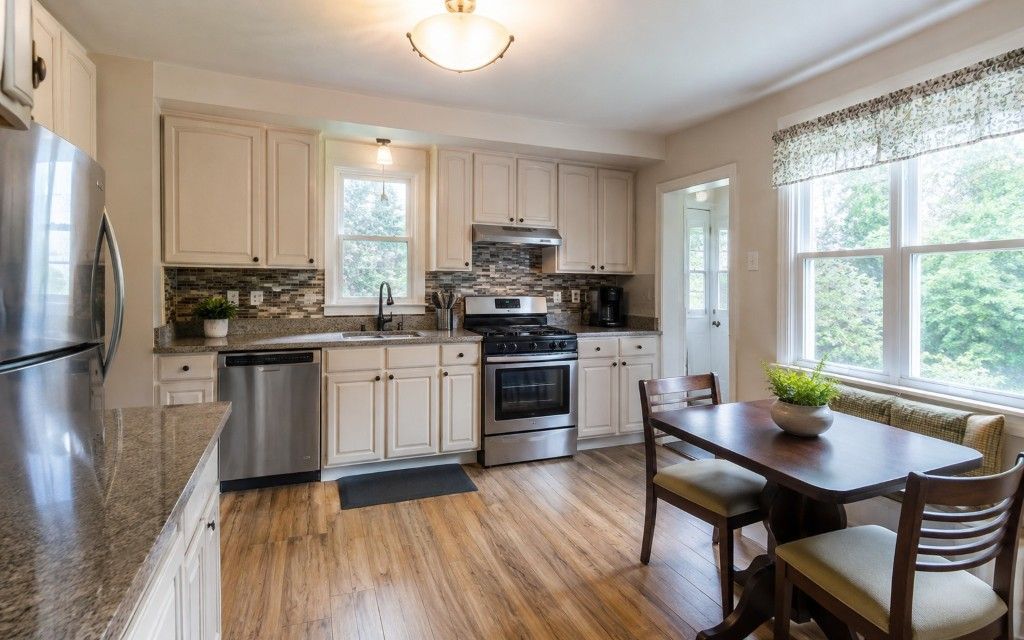
Next, they subtract the cost of all repairs needed. A professional buyer will walk through your home and make a list. They estimate the costs of fixing the roof, updating the kitchen, replacing the old carpet, and anything else that needs work. These are real contractor prices, not guesses.
Then comes their profit margin. Cash buyers need to make money when they resell or rent your home. Most aim for a profit of 10% to 20% of the ARV. This covers their business costs, taxes, and risk. Without profit, they cannot stay in business.
Here is the basic formula: Cash Offer = ARV minus Repair Costs minus Profit Margin minus Holding Costs.
Holding costs include property taxes, insurance, and utilities while they own the home. If repairs take three months, they pay for everything during that time. These costs add up fast in some areas.
A fair cash buyer shows you their math. They explain each number and answer your questions. Companies like Pezon Properties walk homeowners through the whole calculation. You should never feel confused about how your offer was determined.
The timeline matters too. If you need to close in one week rather than one month, that can affect the offer. Faster closings mean the buyer takes on more risk and pays more holding costs up front.
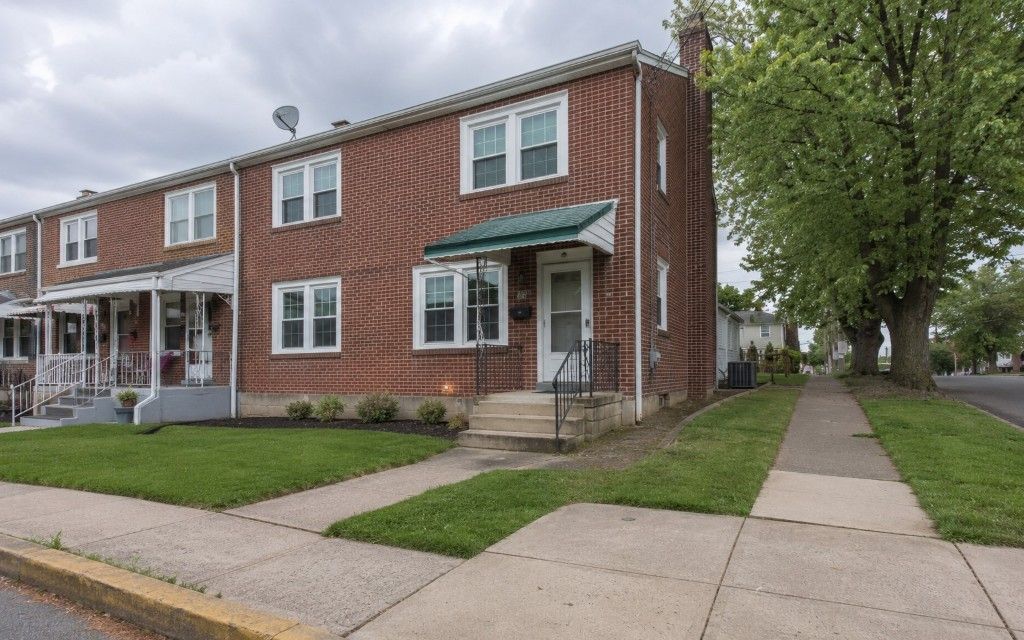
Location plays a huge role in cash offers. A house in a desirable Allentown neighborhood will get a better offer than the same house in a declining area. Buyers look at school ratings, crime statistics, and job growth in your zip code.
What Makes Your House Worth More or Less to Cash Buyers
Several factors push your cash offer higher or lower. Understanding these helps you know if your offer is fair for your specific situation.
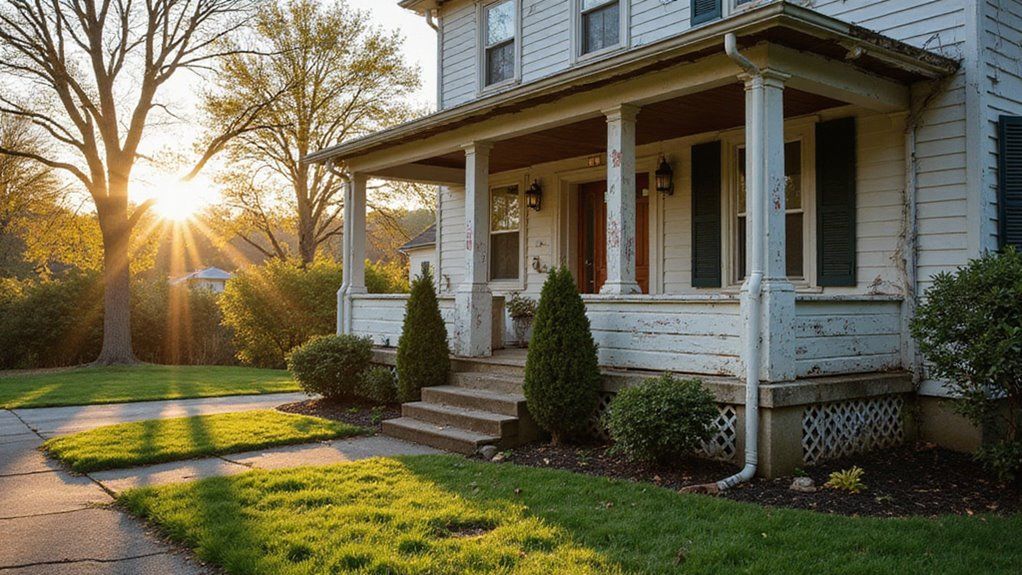
Condition is king. A house that needs just paint and cleaning gets a much better offer than one with foundation cracks or a bad roof. Major systems matter most. If your furnace, AC, electrical panel, and plumbing all work fine, your offer goes up. One big, expensive repair can drop your offer by thousands.
Square footage and layout affect value. Bigger homes generally bring higher offers, but only if the space is usable. A four-bedroom house with one bathroom is harder to sell than a three-bedroom with two baths. Open floor plans are worth more than choppy layouts with lots of small rooms.
The local market temperature changes are offered weekly. In a hot market where homes sell fast, cash buyers can pay more because they will resell quickly. In a slow market, they offer less because the home might sit empty for months. Right now in Allentown, market conditions directly impact how much investors can pay.
Neighborhood trends matter more than you think. Is your area improving or declining? Are new businesses opening or closing? Cash buyers research this carefully. A home in an up-and-coming neighborhood gets a premium. A home where values are dropping gets a discount.
Legal and title issues significantly reduce offers. If you have liens, back taxes, or unclear ownership, buyers must pay to fix these problems. They deduct those costs from your offer. A clean title with no issues is worth thousands more.
Urgency affects pricing from both sides. If you must sell this month due to foreclosure or relocation, buyers know you have limited options. But if you have time and flexibility, you can negotiate harder. Never reveal that you are desperate unless you have to.
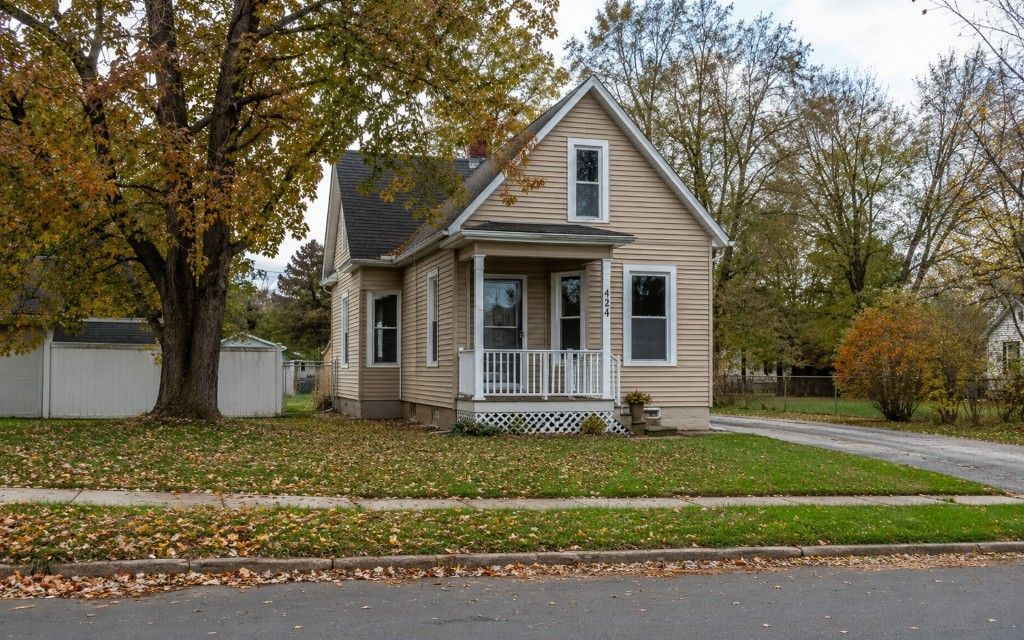
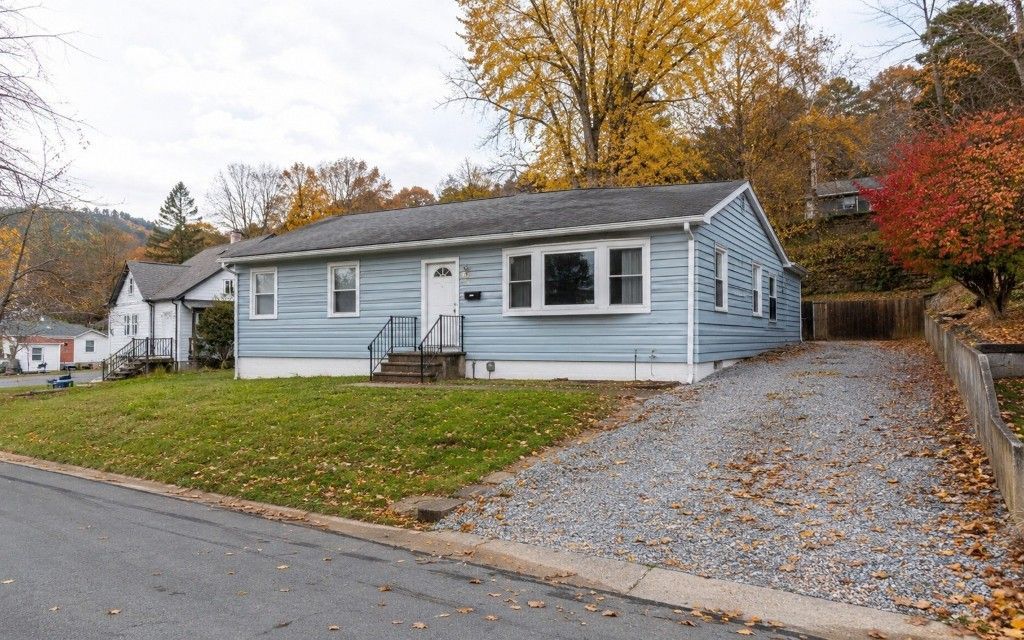
Curb appeal and first impressions count. Even cash buyers who plan to renovate pay more for homes that show well. Basic cleaning, mowing the lawn, and removing junk all help. These small efforts cost little but can boost your offer.
Permit history and code violations are red flags. If you added a room without permits or have open code violations, buyers must deal with the city. This costs money and time. Always disclose these issues upfront to avoid problems later.
Warning Signs of Lowball Offers and Shady Buyers
Not all cash buyers operate with honesty. Some use tricks to pay far less than your home is worth. Knowing the warning signs helps protect you from being cheated.
Pressure tactics are the biggest red flag. If a buyer says you must decide today or the offer disappears, walk away. Legitimate buyers like Pezon Properties give you time to think and review paperwork. High pressure usually means high scam risk.
Offers that seem too good often are. If one buyer offers $50,000 more than everyone else, question why. Sometimes scammers make big promises to get you under contract. Then they find "problems" during inspection and demand a huge price cut. You already stopped talking to other buyers, so you feel stuck.
Vague contracts spell trouble. A fair agreement clearly lists the exact price, closing date, and all terms. If the contract has blanks, phrases like "subject to partner approval," or confusing legal language, get a lawyer. Shady buyers hide escape clauses in messy paperwork.
Buyers who avoid questions or get defensive are hiding something. When you ask how they calculated their offer, they should explain clearly. If they change the subject or act annoyed, that is a bad sign. Honest buyers welcome questions because they have nothing to hide.
Requests for upfront fees are always scams. Real cash buyers never ask you to pay anything before closing. If someone wants money for inspections, appraisals, or paperwork, stop talking to them immediately. You might lose that money and still not sell your home.
No proof of funds means no real offer. Before you accept, ask to see a bank statement or proof that they actually have the cash. Anyone can write a number on paper. Only serious buyers show they can actually pay.
Companies with no online presence or reviews are risky. Search their name online. Check Google reviews, Better Business Bureau, and social media. If you find nothing or only bad reviews, keep looking. Established buyers have track records you can verify.
Constantly changing terms indicate problems. If the price, closing date, or other details keep shifting, the buyer is not serious. They might be trying to tie up your property while they find another buyer. This wastes your time and lets good offers slip away.
Refusal to put agreements in writing is a deal breaker. Every promise should be in the contract. If a buyer says, "Don't worry, we'll handle that later," get it in writing now or walk away.
Smart Ways to Negotiate Your Cash Offer
You have more negotiating power than you think, even in a cash sale. Use these strategies to get the best possible deal on your home.
Get multiple offers before deciding. Contact
at least three cash buyers. This gives you points of comparison and leverage. When buyers know they have competition, they often raise their offers. Never accept the first offer without shopping around.
Ask each buyer to explain their math. How did they calculate the ARV? What repair costs did they include? What is their profit margin? Companies like Pezon Properties will walk you through every number. If a buyer refuses to share details, their offer might be unfair.
Question every repair estimate. If a buyer says your roof needs $15,000 in work, get a second opinion. Sometimes, estimates are inflated to justify a lower offer. Get your own contractor quote for major items. Use those numbers to negotiate.
Highlight your home's strengths. Does your house have a new furnace? Great schools nearby? A big yard? Remind buyers of these positives. They might not affect the formula much, but they give you talking points. Every bit helps in negotiation.
Be willing to walk away. This is your strongest tool. If an offer feels wrong, say no. Desperate sellers accept bad deals. Confident sellers wait for fair ones. You can always come back to an offer later if you change your mind.
Consider the total package, not just price. A buyer offering $5,000 less but covering all closing costs might be better than a higher offer that requires you to pay fees. Also, compare closing timelines. If you need out fast, a quick close has real value.
Use your timeline as leverage. If you can wait longer, you have more power. Buyers who need inventory might pay more for a flexible seller. But if you must close fast due to financial pressure, focus on reliability over top dollar.
Ask about price adjustment clauses. Some contracts let buyers reduce the price after inspection. Try to negotiate a firm price with no option for adjustment. Or at least limit how much the price can drop. This protects you from bait-and-switch tactics.
Request an escalation clause. If you have multiple interested buyers, ask them to submit their best and final offer. Some buyers will raise their price if they know others are competing. This simple request can add thousands to your sales.
Get everything in writing before you commit. Verbal promises mean nothing. If a buyer agrees to pay certain closing costs or fix a specific issue, add it to the contract. Never sign paperwork that does not match what you discussed.
Work with a real estate attorney if the numbers are big. Spending a few hundred dollars for legal review can save you thousands. An attorney spots problems you might miss and helps you negotiate better terms.
Stay calm and professional throughout. Getting emotional hurts your negotiating position. Treat this as a business transaction. Ask questions, request changes, and stand firm on what matters to you. But always remain polite and reasonable.
Frequently Asked Questions
How much less is a cash offer compared to market value?
Cash offers typically range from 70% to 85% of your home's market value. The exact amount depends on your home's condition and needed repairs. A house in great shape might get 80% to 85% of retail value. A home needing major work might get 70% or less. Remember, market value assumes your house is updated and ready to sell. Cash buyers account for repair costs, holding expenses, and their profit margin. If your house sells for $200,000 fixed up, a fair cash offer might be $140,000 to $170,000. This sounds low, but you avoid months of showings, repairs, and uncertainty. You also skip real estate commissions and many closing costs. For homeowners who need speed or want to avoid repairs, this trade-off makes sense.
Can I negotiate a higher cash offer?
Yes, you can almost always negotiate a cash offer. Start by getting multiple offers from different buyers. Use the highest offer as leverage with others. Ask buyers to explain their repair estimates in detail. If their numbers seem high, get your own contractor quotes and share them. Point out any recent improvements you made, like a new roof or updated kitchen. These might not be factored into the initial offer. You can also negotiate on terms beyond price. Ask the buyer to cover more closing costs, include certain appliances, or adjust the timeline. Companies like Pezon Properties often have flexibility on these items. The key is to ask respectfully, with facts to support your position. Most buyers would rather raise their offer slightly than lose a motivated seller.
How long does a cash sale take from offer to closing?
Most cash sales close in 7 to 30 days. The timeline depends on your needs and the buyer's process. If you need to sell immediately due to foreclosure or job relocation, some buyers can close in as little as one week. This requires having all paperwork ready and a clear title. More typically, cash sales take two to three weeks. This allows time for the title company to do its research and prepare documents. Traditional sales with mortgages take 30 to 60 days or longer. Cash sales skip the loan approval process, which saves the most time. You also avoid appraisals and bank underwriting. If you are flexible on timing, you might negotiate a better price by allowing 30 days to close instead of rushing the process.

About the author
Mathew Pezon
Mathew Pezon is the founder and CEO of Pezon Properties, a cash home buying company located in Lehigh Valley, Pennsylvania. With several years of experience in the real estate industry, Mathew has become a specialist in helping homeowners sell their properties quickly and efficiently. He takes pride in providing a hassle-free, transparent, and fair home buying experience to his clients. Mathew is also an active member of his local community and is passionate about giving back. Through his company, he has contributed to various charities and causes.