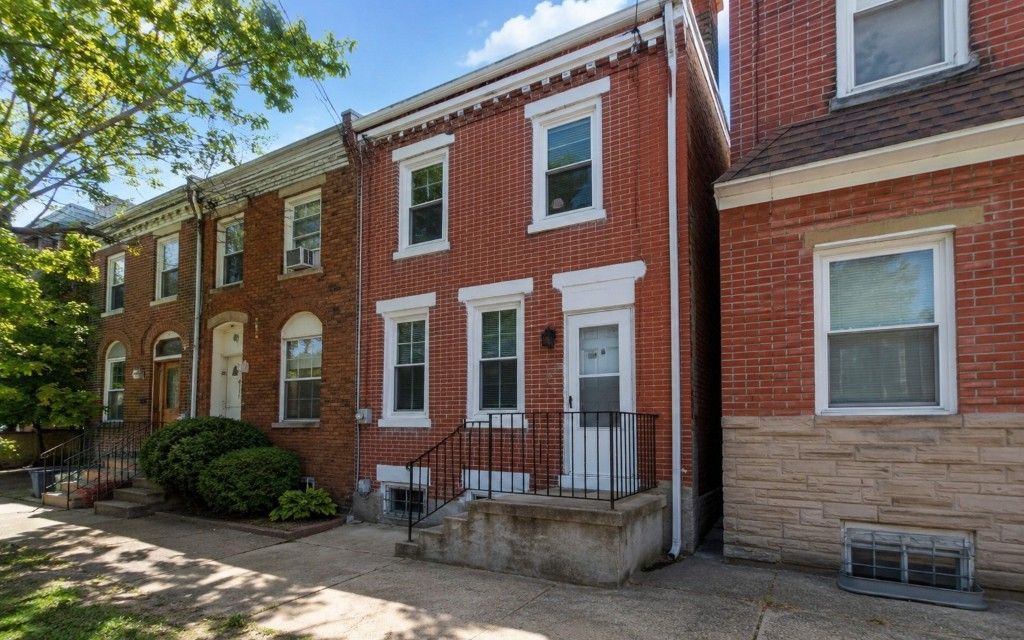
Cash Sale vs Traditional Sale: Which Way Should You Sell Your House
Selling your house is a big decision. You want to make the right choice for your situation. Two main paths exist: selling for cash or listing with a realtor. Each method has its own benefits and drawbacks. This guide will help you understand both options so you can pick the best one for you.
Many homeowners feel confused about which route to take. Some need to sell quickly because of a job change or financial pressure. Others have more time and want to get the highest possible price. The truth is that neither method is always better. It depends on your specific needs and timeline.
When you understand how to sell your house fast for cash versus the traditional way, you gain control. You can make a smart choice instead of guessing. Let's break down everything you need to know about both selling methods.
The Biggest Differences Between Cash and Traditional Sales
The way you sell your house changes almost everything about the process. Cash sales and traditional sales work very differently from start to finish.
A cash sale happens when a buyer purchases your home without getting a mortgage. Companies like Pezon Properties in Allentown, PA, buy houses directly from owners. They use their own money instead of bank loans. This makes the process much faster and simpler.
Traditional sales involve listing your house with a real estate agent. Your home goes on the market for everyone to see. Buyers usually need to get approved for a mortgage before they can buy. This adds time and complexity to the sale.
Speed is the first major difference. Cash sales often close in just 7 to 14 days. Traditional sales take an average of 30 to 60 days, sometimes longer. You have to wait for the buyer's mortgage approval, home inspections, and appraisals in traditional sales.
The condition of your house matters differently depending on the method. Cash buyers typically purchase homes as-is. You do not need to fix anything or make repairs. Traditional buyers often ask for repairs after their home inspection. They may walk away if they find too many problems.
Certainty is another key difference. Cash offers rarely fall through because there is no mortgage involved. Traditional sales can collapse at the last minute. The buyer might not get loan approval, or the appraisal might come back too low.
You also prepare your house differently. Traditional sales require staging, professional photos, and keeping your home show-ready for weeks. Cash sales need none of this. The buyer sees your house once and makes an offer based on its current condition.
Finally, paperwork and hassle levels vary greatly. Cash sales involve minimal paperwork and fewer parties. Traditional sales include agents, lenders, inspectors, appraisers, and sometimes lawyers. Each person adds another layer of coordination and potential delay.

How Much Money You Actually Keep With Each Method
Money matters most to many sellers. You need to know what you will actually walk away with, not just the sale price.
Traditional sales
often show a higher listing price. This catches everyone's attention. But the final amount you keep gets reduced by many costs. Real estate agent commissions eat up 5% to 6% of the sale price, on a $200,000 home, that equals $10,000 to $12,000 right off the top.
Closing costs add another 1% to 3% for sellers in traditional sales. You might pay for title insurance, transfer taxes, and attorney fees. These can total $2,000 to $6,000 on a $200,000 sale.
Repair costs come next. After a home inspection, buyers typically request repairs or credits. You might spend $3,000 to $10,000 to fix issues or give the buyer a refund at closing. Some problems, like roof damage or foundation issues, cost even more.
Carrying costs pile up while you wait. Every month your house sits on the market, you pay the mortgage, utilities, insurance, and property taxes. If your house takes three months to sell, you might spend $6,000 to $9,000 in these ongoing costs.
Staging and preparation expenses can reach $1,000 to $3,000. Professional photos, minor touch-ups, and cleaning all cost money upfront.
Cash sales work differently. The offer price is usually lower than market value, typically 50% to 70% of what you might get in a traditional sale. This sounds bad at first. But cash buyers cover all closing costs. You pay no agent commissions. You make zero repairs.
Let's compare real numbers. Imagine your house is worth $200,000 in perfect condition.
Traditional sale: $200,000 listing price minus $12,000 in commissions, $4,000 in closing costs, $7,000 in repairs, and $7,500 in carrying costs equals $169,500 net.
Cash sale: $140,000 offer with no other costs equals $140,000 net.
The gap is smaller than it first appears. When major repairs are needed, or the market is slow, cash sales actually put more money in your pocket. Each situation is unique, so you need to calculate your specific numbers.
When Selling for Cash Makes the Most Sense
Cash sales solve specific problems that traditional sales cannot handle well. Certain situations make cash the obvious choice.
Time pressure tops the list. If you need to relocate for a job within 30 days, traditional sales cannot keep up. If you face foreclosure in a few weeks, only cash buyers can close fast enough. Medical emergencies, divorce, or estate settlements often create tight deadlines that favor cash sales.
House condition matters greatly. Homes needing major repairs rarely sell well traditionally. Buyers get scared off by foundation problems, old roofs, outdated electrical systems, or mold issues. Cash buyers like Pezon Properties buy houses in any condition. They factor repair costs into their offer and handle everything after closing.
Financial distress makes cash sales attractive. If you are behind on mortgage payments or facing foreclosure, you need a quick solution. Cash buyers can close before foreclosure happens, protecting your credit score from serious damage.
Inherited properties often work better as cash sales. You might live far away or not want to deal with repairs and showings. Estate situations can get complicated with traditional sales because all heirs must agree on repairs and pricing.
Rental properties with problem tenants sell better for cash. Traditional buyers do not want to inherit tenant issues. Cash buyers purchase occupied properties and handle tenant situations themselves.
Avoiding hassle has real value. Some sellers simply do not want to deal with showings, staging, or keeping their house perfect for weeks. They value simplicity and certainty over squeezing out every dollar.
Market conditions sometimes favor cash, too. In a slow market where houses sit for months, cash offers guarantee money now instead of hoping for a better offer later.
Your mental and emotional state counts. Selling a house creates stress. If you are overwhelmed or dealing with other life challenges, the simple cash sale process provides peace of mind and is worth the lower price.
When You Should List With a Realtor Instead
Traditional sales make more sense in many common situations. Knowing when to list helps you avoid leaving money on the table.
Time on your side changes everything. If you have three to six months before you need to move, traditional sales usually net more money. You can wait for the right buyer and negotiate for top dollar.
Houses in great condition shine in traditional sales. If your home is updated, well-maintained, and move-in ready, buyers will pay premium prices. Why accept a cash offer at 70% of value when you can get 95% to 100% with minimal repairs?
Hot real estate markets favor traditional sales. When houses sell within days, and buyers compete with multiple offers, you can command the full price or more. The Allentown, PA market fluctuates, so timing matters.
Equity protection is crucial for some sellers. If you owe very little on your mortgage and have built substantial equity over the years, maximizing your sale price protects that wealth. The difference between a $150,000 cash offer and a $210,000 traditional sale is $60,000. That money can change your retirement or next home purchase.
Motivated buyers exist in traditional markets. First-time homebuyers, growing families, and people relocating for work actively search for homes. These buyers often pay more because they plan to live there long term, not to flip the property.
Competitive neighborhoods benefit from traditional listings. If similar homes recently sold for strong prices, yours likely will too. Your agent can price strategically and create competition among buyers.
Financial flexibility helps traditional sellers. If you can afford to make the requested repairs and cover months of carrying costs, you position yourself to net more money. Sellers with savings or backup housing can wait for the best offer.
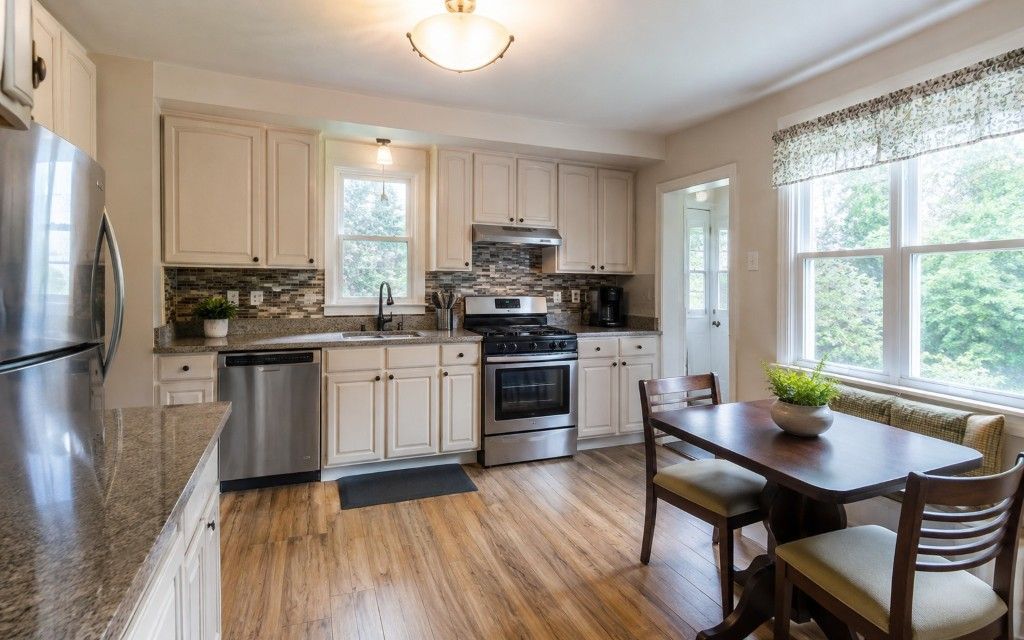
Pride of ownership matters to some people. You might have renovated your kitchen, landscaped beautifully, or maintained your home meticulously. Traditional sales let you showcase these improvements and get paid for them. Cash buyers calculate based on comps and formulas, not your personal touches.
Tax considerations sometimes favor timing your sale through traditional means. You should close in a specific tax year or qualify for capital gains exclusions. Traditional sales give you more control over closing dates.
The right choice depends on weighing what matters most to you. Is it speed, certainty, and simplicity? Or is it maximum price, even with more work and risk involved?
Frequently Asked Questions
How long does it take to sell a house for cash compared to listing with a realtor?
Cash sales typically close in 7 to 14 days from the time you accept an offer. Some companies can close even faster if needed. Traditional sales with a realtor take 30 to 60 days on average, sometimes longer. You first need time to list and market the property, which takes one to two weeks. Then you wait for buyer offers, which could take days or months, depending on your market. After accepting an offer, the buyer needs 30 to 45 days for mortgage approval, inspections, and appraisals. Any problems during this period can add weeks or cause the sale to fall apart completely. If you need certainty and speed, cash sales win clearly. If you have time and want the maximum price, traditional sales work better.
Can I save money by selling for cash even though the offer is lower?
Sometimes yes, sometimes no. You need to calculate your specific situation. Cash offers run at 50% to 70% of market value, which may sound low. But traditional sales include 5% to 6% in agent commissions, 1% to 3% in closing costs, repair expenses after inspection, and carrying costs while you wait. These expenses can total 15% to 25% of your sale price. The gap between methods shrinks significantly when you account for all costs. Sellers with houses needing major repairs, those facing foreclosure, or those in slow markets often net similar amounts with cash. Homes in excellent condition in hot markets almost always net more through traditional sales. Request offers from both cash buyers and realtors, then compare the actual money you will receive after all expenses.
Can I get multiple cash offers to compare before deciding?
Absolutely. Getting multiple cash offers is smart. Different cash buying companies use different formulas and have different profit requirements. One company might offer $130,000 while another offers $145,000 for the same house. Contact 3 to 5 cash buyers in your area, including local companies such as Pezon Properties and national buyers. Each will evaluate your property and make an offer. Compare not just the price but also the timeline, who pays closing costs, and how flexible they are with your moving date. You can also get cash offers while simultaneously listing with a realtor. This gives you options and leverage. You are never obligated to accept any offer. Taking time to compare helps you make the best financial decision for your situation.

About the author
Mathew Pezon
Mathew Pezon is the founder and CEO of Pezon Properties, a cash home buying company located in Lehigh Valley, Pennsylvania. With several years of experience in the real estate industry, Mathew has become a specialist in helping homeowners sell their properties quickly and efficiently. He takes pride in providing a hassle-free, transparent, and fair home buying experience to his clients. Mathew is also an active member of his local community and is passionate about giving back. Through his company, he has contributed to various charities and causes.