What Will a Cash Buyer Offer for My Pennsylvania Home?
Selling your house for cash can feel confusing. How do these buyers come up with their numbers? You may want to know if you can get a fair deal. This guide will help you understand how cash offers work in Pennsylvania. You will learn what affects the price and why these offers look different from traditional sales.
How Do Cash Buyers Decide What to Offer?
Cash buyers use a clear formula to calculate their offers. They start by looking at your home's after-repair value (ARV). This is what your house could sell for if it were in perfect condition. They research recent sales of similar homes in your neighborhood. These are called comparable sales or "comps."
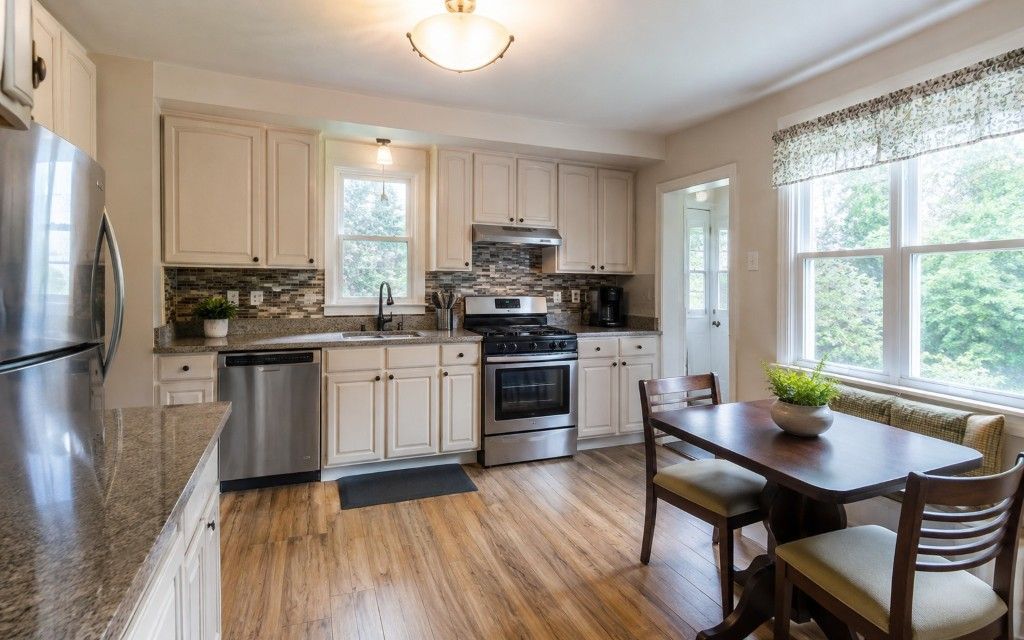
After finding the ARV, cash buyers subtract the cost of needed repairs. They walk through your home and note everything that needs fixing. This includes small items like broken tiles and big issues like roof damage. They get estimates from contractors to figure out the exact repair costs.
Next, they subtract their business expenses. Cash buyers need to cover holding costs, such as property taxes and insurance, while they own the home. They also factor in closing costs, which can be 2% to 3% of the sale price. Marketing costs to resell the home are part of the equation, too.
Finally, cash buyers include their profit margin. Most aim for 10% to 20% profit. This might sound high, but remember, they take on all the risk. If repairs cost more than expected or the market drops, they lose money.
Here is a simple example. Say your home's ARV is $200,000. Repairs will cost $30,000. Business expenses total $10,000. The buyer wants a $20,000 profit. The offer would be $140,000 ($200,000 minus $30,000, $10,000, and $20,000).
Companies like Pezon Properties follow this type of formula. They aim to be transparent about how they calculate offers. The goal is to give you a fair cash price while covering their costs and risks.
Location affects offers, too. Homes in popular Pennsylvania neighborhoods get higher offers. Properties in areas with strong demand are easier to resell.
Cash buyers can pay more when they know the home will sell quickly.

Why Are Cash Offers Lower Than Market Value?
Cash offers usually come in below full market value. This surprises many sellers at first. Understanding why helps you decide if a cash sale makes sense for your situation.
The biggest reason is the condition. Market value
assumes your home is in good shape and ready to show. Cash buyers purchase homes "as-is." They buy properties that need work. If your home needs a new roof, updated kitchen, or foundation repairs, a traditional buyer would walk away. Cash buyers take on these problems.
Speed is another factor. When you sell the traditional way, your home sits on the market for weeks or months. You pay mortgage, utilities, taxes, and insurance during that time. With a cash sale, you close in as little as seven days. You stop paying those bills immediately. The lower offer reflects this speed advantage.
Cash buyers also eliminate uncertainty. Traditional sales fall through all the time. Buyers get denied for loans. Inspections reveal problems that kill the deal. Appraisals come in low. With cash buyers, you skip all these risks. The offer you accept is the money you get at closing.
Convenience plays a role, too. You do not need to clean, stage, or show your home. No open houses on weekends. No strangers walking through your rooms. You avoid realtor commissions, which typically eat up 6% of your sale price. These benefits are built into the cash offer structure.
Think about it this way. Would you rather get $200,000 after six months of stress, repairs, and fees? Or $150,000 in two weeks with zero hassle? For many Pennsylvania sellers, that second option is worth considering. The cash offer might be lower on paper, but your net profit could be similar.
Not every seller needs to accept a lower offer. If your home is in great shape and you have time to wait, listing traditionally might make sense. But if you need to sell fast, avoid repairs, or skip the selling hassle, a cash offer could be your best move.
What Costs Am I Avoiding by Selling for Cash?
Selling the traditional way comes with hidden costs that add up quickly. Understanding these expenses helps you see the real value of a cash offer. Let me break down what you avoid.
Realtor commissions are the biggest expense. In Pennsylvania, agents typically charge 5% to 6% of your sale price. On a $200,000 home, that is $10,000 to $12,000. You split this between your agent and the buyer's agent. Cash sales eliminate this entire cost.
Repairs and improvements cost thousands. Traditional buyers expect move-in-ready homes. You might need to paint, update fixtures, fix the roof, or replace old carpet. Even minor updates add up to $5,000 or more. Major repairs can hit $20,000 or higher. Cash buyers purchase your home exactly as it stands.
Closing costs hit sellers, too. You pay for title insurance, attorney fees, transfer taxes, and recording fees. In Pennsylvania, these run 2% to 3% of the sale price. On that same $200,000 home, expect $4,000 to $6,000 in closing costs. Many cash buyers cover some or all of these expenses for you.
Carrying costs drain your wallet every month. Your mortgage payment continues until closing. Property taxes keep coming. Homeowners insurance stays active. Utilities run even when the house sits empty. If your home takes four months to sell, these costs total $5,000 or more.
Staging and marketing expenses surprise many sellers. Professional photos cost $200 to $500. Staging furniture rental runs $2,000 per month. Landscaping upgrades might add another $1,000. These costs help your home sell faster, but they still come from your pocket.
Inspection repairs often pop up after the buyer's inspection. Even if your home seems fine, inspectors find problems. Buyers then ask you to fix these issues or reduce the price. This negotiation can cost you thousands more than you planned.
Time has a dollar value too. Every month your home sits on the market costs money. You cannot move forward with your life. You stay stuck in limbo. Stress affects your work and family. While hard to measure, this cost is very real.
When working with Pezon Properties or similar cash buyers, you skip all these expenses. The offer might look lower at first glance. But when you add up everything you avoid, the net amount in your pocket often looks much better.
Can I Negotiate the Cash Offer?
Yes, you absolutely can negotiate a cash offer. Many sellers do not realize this. They think the first offer is final. That is not true. Cash buyers expect some back-and-forth.
Start by understanding the offer breakdown. Ask the buyer to show their math. How did they calculate repair costs? What did they use for after-repair value? Good cash buyers like Pezon Properties will share this information. They want you to feel confident about the deal.
If you disagree with repair estimates, say so. Maybe the buyer thinks your roof needs a full replacement. But you have a recent inspection showing it has five years left. Share that documentation. The buyer might adjust their offer based on new information.
You can negotiate the timeline, too. Most cash buyers advertise quick closings. But if you need more time to move, ask for it. Some buyers will extend the closing date if it means securing the deal. Flexibility goes both ways.
Consider getting multiple offers. Do not accept the first cash offer you receive. Contact three or four cash buyers. Compare their numbers and terms. This gives you leverage when negotiating. You can tell Buyer A that Buyer B offered more. This often leads to improved offers.
Closing costs are negotiable in Pennsylvania. Some cash buyers cover all closing costs. Others ask you to pay part. If an offer seems low, ask whether the buyer can cover additional closing costs. This effectively increases the money you walk away with.
Be ready to justify your counteroffer. You cannot just ask for more money without a reason. Point to specific factors. Similar homes have recently sold for higher prices. Perhaps the buyer underestimated your home's condition. Give concrete reasons why you deserve more.
Know your bottom line before negotiating. What is the minimum amount you will accept? What do you absolutely need from this sale? Having clear goals keeps you focused during negotiations. You will not get emotional or accept a bad deal.
Timing affects negotiation power. If you have other options and no rush, you can push harder. If you face foreclosure next month, you have less room to negotiate. Cash buyers understand these situations. They will work with you, but they also recognize urgency.
Remember that everything is negotiable except the core concept. Cash buyers purchase as-is and close quickly. Those factors stay constant. But the price, timeline, and who pays what costs can all be discussed. Do not be afraid to ask for what you need.
The worst that happens is the buyer says no. Then you decide if their original offer works for you. More often than not, you will find a middle ground that makes both sides happy.
Frequently Asked Questions
How long does it take to get a cash offer in Pennsylvania?
Most cash buyers provide offers within 24 to 48 hours. The process starts when you contact the buyer and share basic information about your home. This includes the address, number of bedrooms and bathrooms, square footage, and any major issues you know about. Some buyers ask for photos. Others schedule a quick walkthrough first. After reviewing your property, they send a written offer. Companies like Pezon Properties often deliver offers the same day you reach out. This speed is one of the biggest advantages of cash sales. You get certainty quickly, rather than waiting weeks for traditional buyer interest.
Do cash buyers try to lowball sellers?
Some cash buyers do make very low offers, but not all of them. Reputable companies calculate fair offers based on real numbers and market conditions. The key is getting multiple offers so you can compare. If one offer seems much lower than the others, ask why. A good cash buyer will explain their reasoning and show you the math. They will account for repairs, their costs, and current market values. If a buyer cannot or will not explain their offer, consider it a red flag. Work with companies that are transparent and willing to discuss their calculations. This protects you from unfair lowball tactics.
What documents do I need to sell my house for cash in Pennsylvania?
You need fewer documents for a cash sale than for a traditional sale. The essentials include your photo ID, proof of ownership, such as your deed, and mortgage payoff information if you still owe money on the home. The title company handling the closing will run a title search to verify ownership. You will sign a purchase agreement and closing documents when you accept the offer. You do not need inspection reports, appraisals, or loan approval paperwork since the buyer pays cash. If you have any recent repair receipts or warranties, bring those too. They might help during negotiations. The cash buyer and title company will guide you through exactly what you need. The process is simpler than traditional sales.

About the author
Mathew Pezon
Mathew Pezon is the founder and CEO of Pezon Properties, a cash home buying company located in Lehigh Valley, Pennsylvania. With several years of experience in the real estate industry, Mathew has become a specialist in helping homeowners sell their properties quickly and efficiently. He takes pride in providing a hassle-free, transparent, and fair home buying experience to his clients. Mathew is also an active member of his local community and is passionate about giving back. Through his company, he has contributed to various charities and causes.