Selling Your House As-Is in Pennsylvania: What You Need to Know
Selling a home can feel overwhelming, especially when your property needs work. Maybe your roof leaks, the kitchen is outdated, or the yard looks like a jungle. The good news? You don't have to fix anything before you sell. Selling your house as-is in Pennsylvania is a real option that thousands of homeowners choose every year.
This guide explains everything you need to know about selling your Pennsylvania home in its current condition. You'll learn what "as-is" really means, which problems won't stop a sale, and how cash buyers decide what to pay. If you want to sell my house fast in Pennsylvania, understanding these facts will help you make the best choice for your situation.
What Does As-Is Really Mean When Selling Your Pennsylvania Home
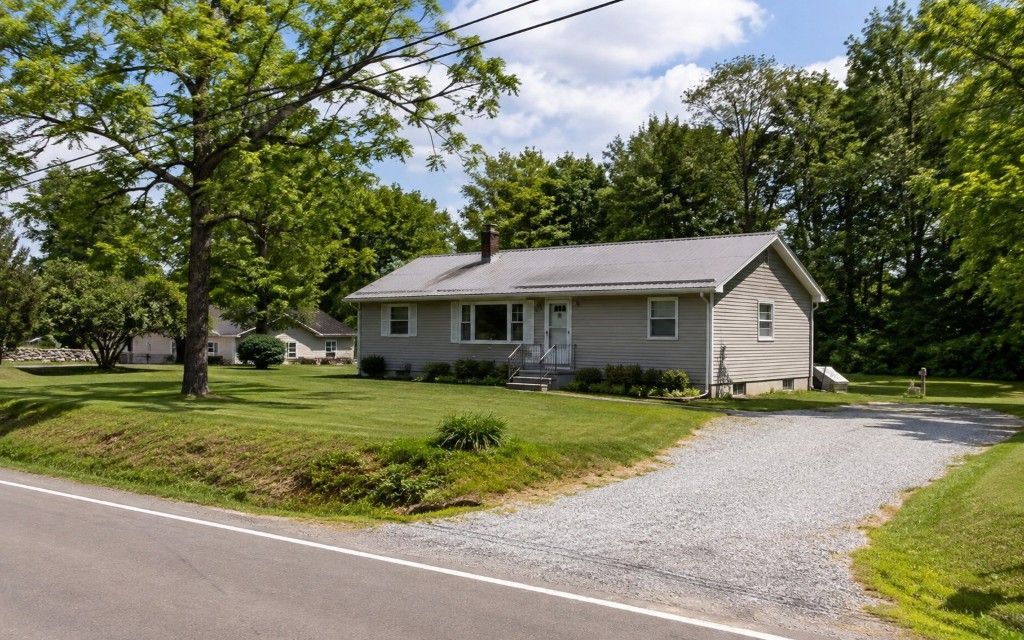
When you sell a house as-is, you're selling it exactly how it sits today. You won't paint walls, replace broken windows, or fix the furnace. The buyer accepts the property with all its problems and handles repairs after closing.
In Pennsylvania, as-is sales are completely legal and common. You must still tell buyers about known issues. This is called disclosure. If you know the basement floods every spring, you need to share that information. However, you don't need to fix the flooding before selling.
Traditional buyers usually want move-in-ready homes. They get mortgages from banks, and banks often refuse to lend money for houses with serious problems. This is where cash home buyers in Pennsylvania come in. Companies like Pezon Properties buy homes in any condition without requiring repairs.
As-is sales work differently from regular sales in several ways. First, there's no negotiation on the home inspection. In typical sales, buyers inspect the home and ask sellers to fix problems. With as-is sales, inspections might still happen, but buyers already know they're accepting the home's condition. Second, closing happens much faster. Without repair delays, you can often close in just a few weeks.
Many homeowners worry that as-is means getting a terrible price. While you might get less than if the home were perfect, you save thousands on repairs. You also save time and stress. If your home needs $30,000 in fixes, you won't spend months managing contractors. The cash buyer handles everything after purchase.
Pennsylvania law protects both buyers and sellers in as-is transactions. Sellers must complete a property disclosure statement. This form lists known problems with the home. Being honest on this form protects you from future legal trouble. Buyers can't sue later for issues you disclosed upfront.
The as-is approach works well for inherited homes, distressed properties, and situations where owners need to sell quickly. It removes the burden of making your home perfect before listing it.
Common House Problems That Don't Stop Cash Sales in PA
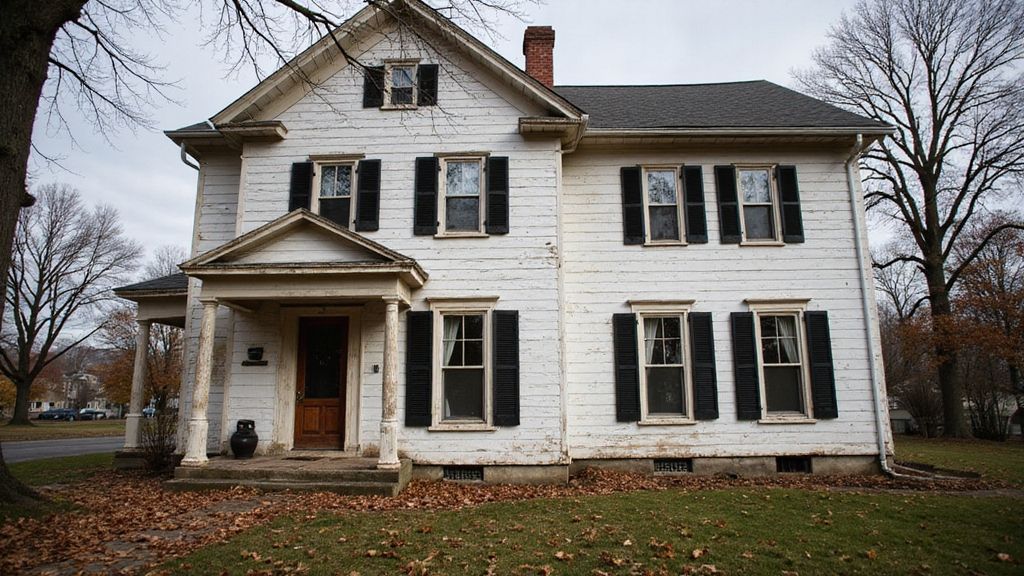
Cash buyers purchase homes that traditional buyers won't touch. Understanding which problems still allow for quick sales helps you know if this option fits your situation.
Foundation issues scare most buyers away. Cracks in basement walls, uneven floors, or water seepage are expensive to fix. Traditional buyers can't get mortgages for homes with foundation problems. Cash buyers, however, regularly purchase these properties. They have contractors who specialize in foundation repair and can handle the work after closing.
Roof damage is another common issue. Missing shingles, leaks, or a roof past its lifespan can cost $10,000 or more to replace. In Pennsylvania's harsh winters, a bad roof leads to water damage and heat loss. Despite this, cash home buyers in Pennsylvania purchase properties with damaged roofs all the time. They factor the replacement cost into their offer.
Outdated electrical and plumbing systems pose safety risks and lead to code violations. Homes with knob-and-tube wiring or lead pipes need complete system replacements. These upgrades cost tens of thousands of dollars. Banks won't approve mortgages for homes with dangerous electrical systems. Cash buyers will still make offers because they plan to renovate anyway.
Fire or water damage makes homes nearly impossible to sell traditionally. Insurance claims, lingering smoke smell, mold growth, and structural damage overwhelm most buyers. Companies that specialize in as-is purchases have experience restoring fire and flood-damaged properties.
Code violations and permit issues also don't stop cash sales. Maybe someone added a room without permits, or the property has open code violations from the township. These legal problems can take months to resolve. Traditional sales require clean titles and no violations. Cash buyers often have systems for handling these issues efficiently.
Hoarding situations and extreme neglect create properties that need complete cleanouts. Mountains of belongings, pest infestations, and years of deferred maintenance make homes unsellable on the regular market. Cash buyers coordinate cleanouts and renovations as part of their business model.
Pezon Properties and similar companies see these problems daily. They have teams ready to handle any condition. This means homeowners facing tough situations have a way to sell without spending months and thousands of dollars on repairs. If you need to sell my house fast in Pennsylvania, these problems won't prevent a sale to the right buyer.
How Cash Buyers Determine Offers for Homes Needing Repairs
Understanding how cash buyers calculate offers helps you know what to expect. The process is straightforward and based on real numbers, not emotions.
Cash buyers start with your home's after-repair value (ARV). This means what your house would sell for if it were in perfect condition. They research recent sales of similar renovated homes in your neighborhood in Pennsylvania. If renovated three-bedroom homes nearby sell for $200,000, that's your ARV starting point.
Next, they calculate repair costs. Professional buyers have contractors who provide accurate estimates. They consider everything: foundation work, new roof, kitchen remodel, bathroom updates, flooring, painting, and landscaping. For major renovations in Pennsylvania, costs typically range from $30,000 to $100,000, depending on the home's size and condition. Buyers use actual contractor quotes, not guesses.
Then comes the holding costs and profit margin. Cash buyers run businesses, so they need to make money. They calculate costs for property taxes, insurance, and utilities while they own the home. They also factor in their time, risk, and business expenses. Most cash buyers aim for a profit margin of 15 to 20 percent on each property.
The math looks like this: Start with ARV ($200,000), subtract repair costs ($50,000), subtract holding costs and profit margin ($40,000), and you get an offer price ($110,000). This formula explains why as-is offers come in at lower prices than retail. The buyer takes on all the risk, work, and expense.
However, this price might still work better for you than a traditional sale. Consider what you save. You pay no real estate commissions (typically 6 percent or $12,000 on a $200,000 home). You make zero repairs, saving your $50,000 renovation cost. You close in weeks rather than months, saving on mortgage payments, utilities, and property taxes. You avoid the stress of showings, inspections, and buyer negotiations.
Location matters in Pennsylvania. Homes in growing areas like the Lehigh Valley often get higher offers than properties in declining markets. Cash buyers know which neighborhoods are improving and which face challenges. A home in Allentown might get a better offer than a similar home in a shrinking rural area.
Speed and certainty have value. When you sell your house fast in Pennsylvania to a cash buyer, the deal rarely falls through. There's no waiting period for mortgage approval. No bank appraisal can kill the sale. You get a closing date and can plan your next steps with confidence.
Reputable cash buyers like Pezon Properties provide transparent offers. They explain their numbers and show you the math. If an offer seems too low, ask questions. Understanding the calculation helps you make an informed decision about whether selling as-is makes sense for your situation.
Frequently Asked Questions
Do I have to disclose all problems when selling as-is in Pennsylvania?
Yes, Pennsylvania law requires sellers to complete a property disclosure statement even for as-is sales. You must report any known issues with the structure, systems, or property. This includes foundation problems, roof leaks, water damage, electrical issues, and more. However, you only need to disclose problems you actually know about. You're not required to hire inspectors to find hidden issues. Being honest on your disclosure protects you legally. If you lie or hide known problems, buyers can sue you later. Cash buyers expect problems in as-is properties, so honest disclosure rarely stops a sale. It actually builds trust and leads to smoother transactions.
How long does it take to sell a house as-is to a cash buyer in Pennsylvania?
Most as-is cash sales in Pennsylvania close in two to four weeks. The timeline moves fast because there are no repairs, no waiting periods for mortgage approval, and fewer contingencies. After you contact a cash buyer, they typically visit your property within a few days. They make an offer within 24 to 48 hours. If you accept, closing will occur as soon as the title company completes the paperwork. Some sellers close in as little as seven days when they need to move quickly. Traditional sales usually take 60 to 90 days or longer. If you need to sell your house quickly in Pennsylvania due to job relocation, divorce, or financial pressure, an as-is cash sale provides the quickest solution.
Will I get a fair price selling as-is compared to making repairs first?
This depends on your situation and what "fair" means to you. Cash offers are typically 70 to 80 percent of after-repair value. That might sound low, but consider the full picture. If repairs cost $40,000 and you'd pay $12,000 in real estate commissions on a traditional sale, you're already saving $52,000 by selling as-is. Add the time saved (no months of renovation work), the stress avoided (no managing contractors), and the certainty of closing (no deals falling through), and many sellers find that as-is sales give them better net results. Calculate your actual profit after repairs and commissions, then compare it to the as-is offer. Often, the difference is smaller than people expect, and the convenience makes as-is the smarter choice for distressed properties.

About the author
Mathew Pezon
Mathew Pezon is the founder and CEO of Pezon Properties, a cash home buying company located in Lehigh Valley, Pennsylvania. With several years of experience in the real estate industry, Mathew has become a specialist in helping homeowners sell their properties quickly and efficiently. He takes pride in providing a hassle-free, transparent, and fair home buying experience to his clients. Mathew is also an active member of his local community and is passionate about giving back. Through his company, he has contributed to various charities and causes.