Myth: You Always Lose Money Selling Your Fountain Hill House for Cash
If you want to sell your house fast in Fountain Hill, you have probably heard this warning: “Cash buyers lowball everyone. You will leave tens of thousands of dollars on the table.” The concern deserves to be taken seriously, and it has some basis. But the belief that cash buyers always cheat sellers is a generalization that doesn’t hold up under scrutiny. The real picture is more nuanced, and understanding it protects you far better than dismissing cash sales outright.

Where Does the Idea That Cash Buyers Cheat Sellers Come From?
The reputation problem has real roots. Some investors have used aggressive tactics, including unsolicited mail, pressure to sign quickly, and offers set at the lowest number a distressed seller might accept. Sellers who ran into those practices, or heard about them, reasonably drew a broader conclusion.
A structural reality also feeds the stereotype. Every real estate investor, including us, has to factor in carrying costs, renovation budgets, and resale margin when calculating an offer. That math will always produce a number below full retail value. When sellers compare it to a Zillow estimate without accounting for what a retail sale costs, the gap looks like exploitation. Usually it isn’t. It is two different products being mistaken for the same thing.
Why Is the “Zillow Number” a Trap?
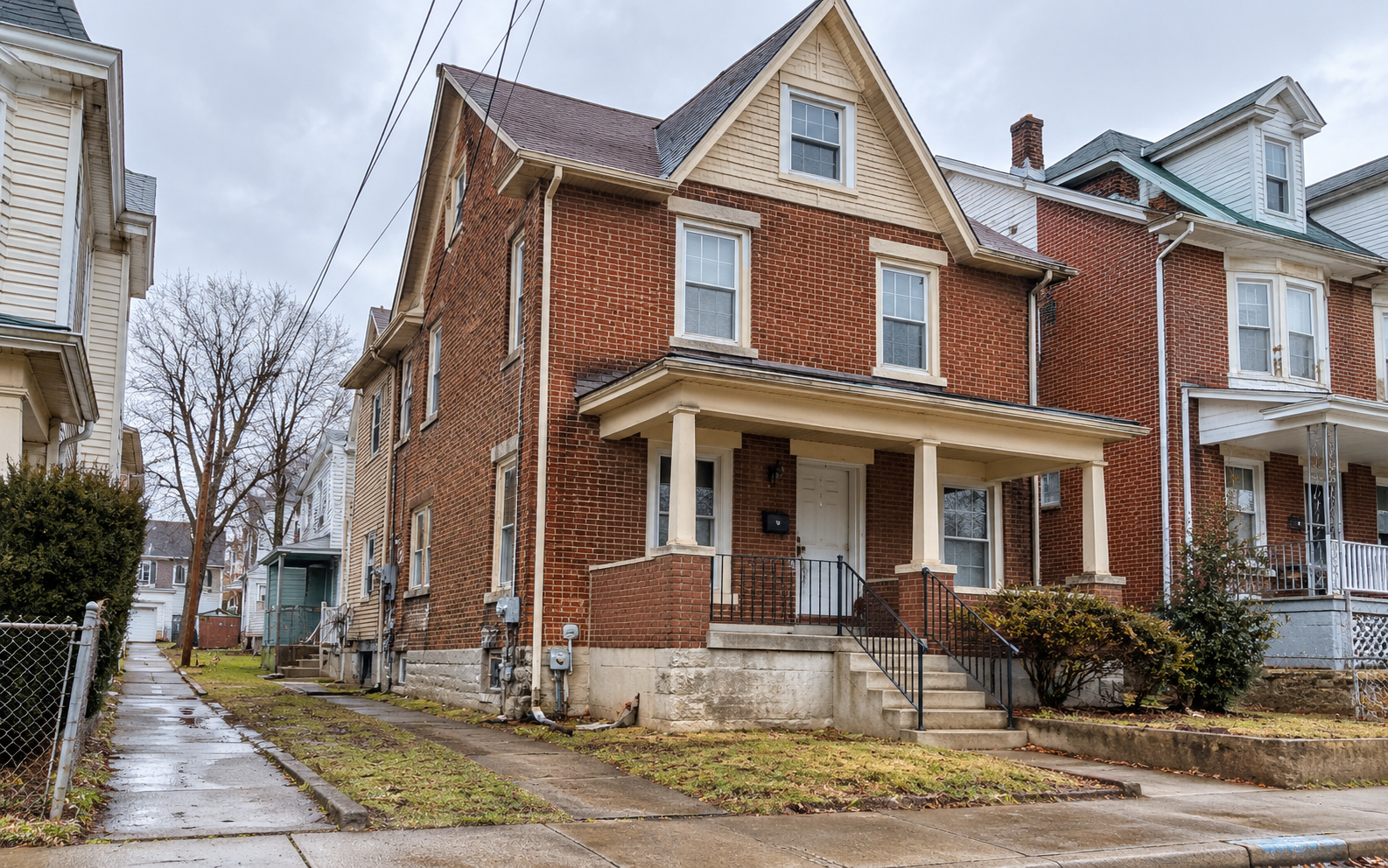
Most sellers anchor their expectations to an automated valuation tool like Zillow or Redfin. Those estimates rely on public transaction data and often miss condition, deferred maintenance, unpermitted additions, and the quirks of Lehigh County’s older housing stock. A 1940s Fountain Hill row home with original knob-and-tube wiring and a crumbling foundation is not worth the same as a renovated home sold two streets over, even if an online estimate treats them alike. Starting a negotiation from an inaccurate number frustrates both sides.
What Separates a Lowball from a Fair Cash Offer?
A fair cash offer reflects the home’s actual condition, the real cost to make it sellable at retail, and a reasonable investor margin. A lowball ignores the first two and inflates the third. You can tell the difference. If an investor can’t walk you through the repair estimates behind their number, that is a red flag. A credible buyer will show their work, or at least explain the logic.
What Does Net Profit Look Like in a Fountain Hill Cash Sale vs. a Listed Sale?
The honest comparison is not offer price versus list price. It is net proceeds after every cost is subtracted. Selling through a traditional agent in Pennsylvania carries costs that sellers often underestimate.
Agent commissions in Pennsylvania usually run 5% to 6% of the sale price. On a $160,000 Fountain Hill home, that is $8,000 to $9,600 off the top. Add the closing costs sellers often cover (1% to 3% of the sale price), concessions a buyer negotiates after an inspection, and holding costs while a listing sits on the market. A seller carrying a $1,100 monthly payment for two months loses another $2,200 before the money ever reaches their account.
Say a homeowner in Fountain Hill receives a cash offer of $140,000 on a property their agent would list at $165,000. The gap looks like 25,000. But after a 5.5% commission (9,075), a 2% inspection concession (3,300), two months of holding costs (2,200), and $1,500 in closing fees, the net from the listed sale is about $148,925. The cash offer, after standard closing costs, nets roughly $137,000 to $139,000. That puts the real gap at about $10,000 to $12,000, far smaller than the surface numbers suggest. Cash won’t always catch up, but the gap is rarely as dramatic as sellers first believe.
How Does Your Home’s Condition Change the Math?
The math shifts further toward cash when the home needs significant work. Cosmetic updates are one thing, but structural problems, roof replacement, HVAC failure, or code violations require licensed contractors, permits, and time. A seller who must spend $20,000 to get a home list-ready doesn’t own a $165,000 property. They own a $145,000 property that needs $20,000 in capital they may not have. A cash buyer lets you sell a house that needs major repairs without funding the work first, and the offer already prices that work in.
When Is a Lower Cash Offer Still the Right Call for a Fountain Hill Homeowner?
A net proceeds comparison captures only part of the picture. In some situations, other factors matter more than the final number.
Sellers handling an estate property often pay ongoing costs for a home they don’t live in: insurance, taxes, minimum utilities, and potential liability. Every month an empty Lehigh County property sits erodes your net return. A clean exit, even at a lower price, stops those costs.
Financial default carries a different kind of cost. A homeowner behind on payments isn’t choosing between $165,000 and $140,000. They are choosing between a sale and a foreclosure that can damage their credit for years. In Pennsylvania, a lender may also pursue a deficiency judgment if the auction doesn’t cover the full balance. In that context, a cash offer can be a way out of a much larger problem.
Speed and certainty also have real value for some sellers. A job relocation, a divorce that requires selling the asset, or a landlord leaving a tenant-occupied property without months of legal process all benefit from a defined closing timeline. In those cases, the extra money a listing might bring doesn’t make up for the cost of waiting.
When Is a Cash Offer Not the Right Choice?
Fairness requires saying so. If your home is in strong condition, you aren’t under time pressure, you can carry it through a traditional sale, and the Fountain Hill market shows competitive buyer activity, listing with an agent will likely net more. We would rather you know that than decide on incomplete information.
The goal with any offer, from any type of buyer, is an accurate net proceeds comparison based on your actual situation, not an idealized one.
Frequently Asked Questions
How do cash buyers calculate what to offer on a Fountain Hill home?
Most cash buyers start with the home’s estimated after-repair value, then subtract renovation costs, holding costs, and a margin that makes the project viable. The result is the offer. If a buyer can’t give you a general breakdown of how they reached their number, question it before you sign anything.
Are cash offers on Fountain Hill homes always below market value?
Cash offers are typically below the retail price of a fully renovated comparable home. They are not always below what a seller takes home after commissions, repairs, concessions, and holding costs. The comparison that matters is net proceeds, and the gap varies with the home’s condition and how long a traditional sale would realistically take.
Can I negotiate a cash offer in Fountain Hill, or is the first number final?
The first number is rarely the only number. You can share recent comparable sales, point out upgrades the buyer may have missed, or challenge a repair estimate you believe is inflated. We review any additional information you provide and revisit our assessment when it changes the picture.

About the author
Mathew Pezon
Mathew Pezon is the founder and CEO of Pezon Properties, a cash home buying company located in Lehigh Valley, Pennsylvania. With several years of experience in the real estate industry, Mathew has become a specialist in helping homeowners sell their properties quickly and efficiently. He takes pride in providing a hassle-free, transparent, and fair home buying experience to his clients. Mathew is also an active member of his local community and is passionate about giving back. Through his company, he has contributed to various charities and causes.