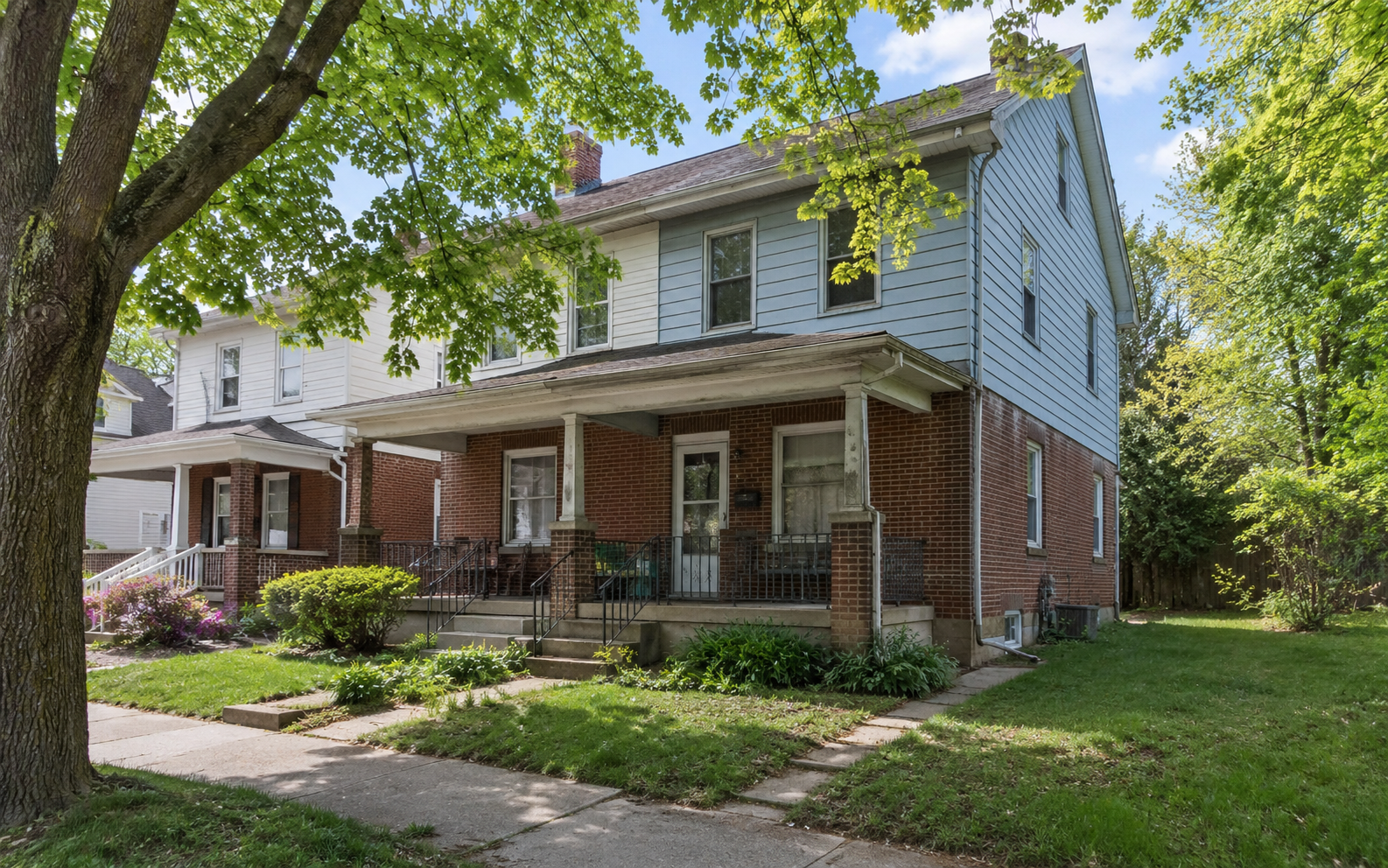
Marital Property vs. Separate Property in Pennsylvania: What Homeowners Need to Know
Figuring out who gets the house in a Pennsylvania divorce can feel overwhelming, especially when emotions already run high. Pennsylvania follows a legal framework called equitable distribution, which means courts divide marital property fairly, though not always equally. This article offers general information, and a Pennsylvania family law attorney can advise on your situation.
Knowing how the law classifies your home is one of the most important steps you can take before or during a divorce. The difference between marital property and separate property often determines how much say a judge has over your home.
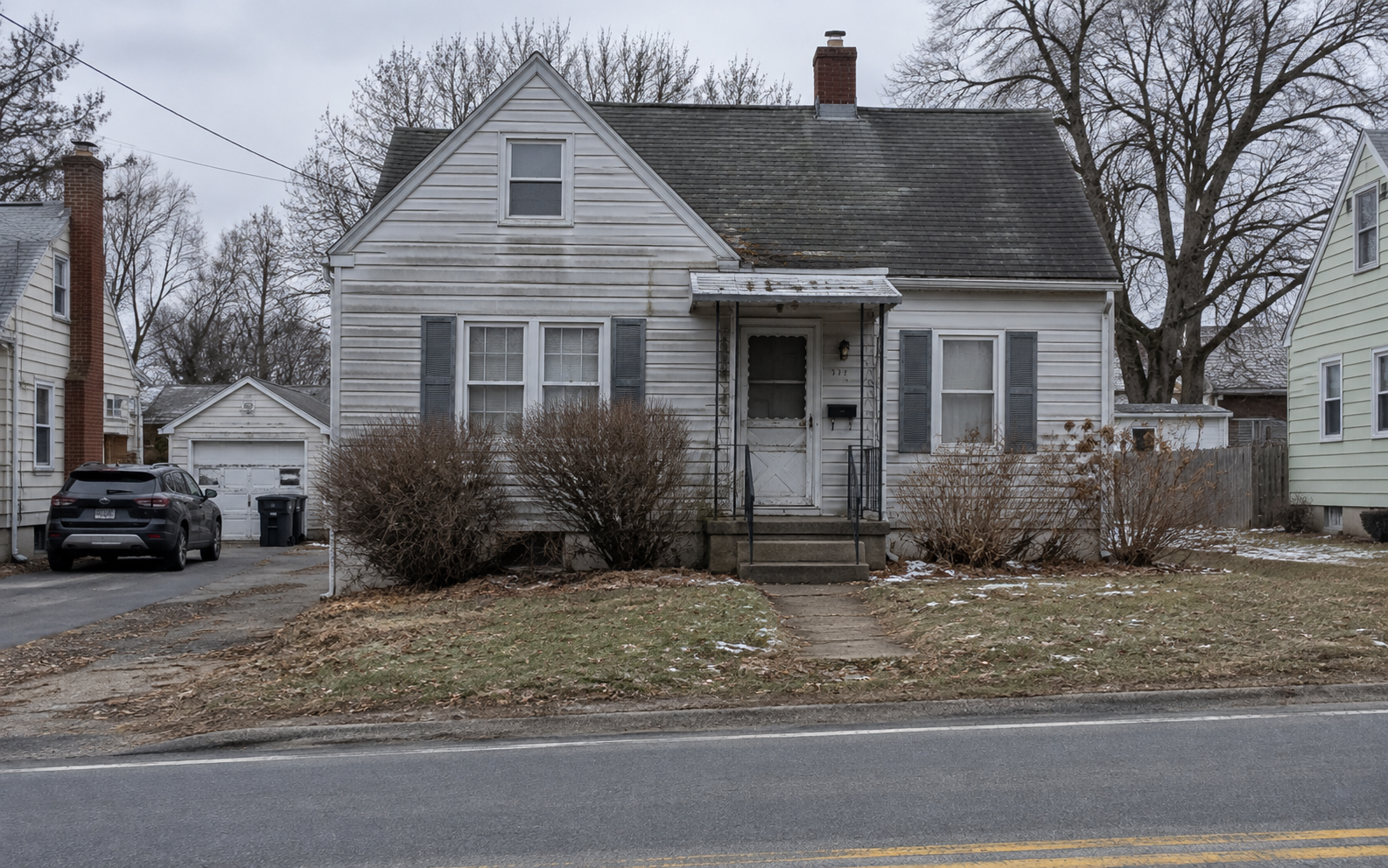
What Makes a Home Marital Property Under Pennsylvania Law?
In Pennsylvania, marital property generally includes assets either spouse acquires during the marriage. This applies regardless of whose name appears on the deed or who made the mortgage payments. Courts look at when someone acquired the asset, not only who holds legal title.
A home you and your spouse purchased together after the wedding is very likely marital property. Even if only one spouse’s name appears on the mortgage, the home may still count as a shared marital asset.
How Pennsylvania Defines the Marital Estate
Under the Divorce Code, Pennsylvania generally treats assets acquired between the date of marriage and the date of final separation as part of the marital estate. That includes real estate, retirement accounts, savings, and even debt. The law casts a wide net, and many homeowners are surprised to learn that assets they thought were personal are subject to division.
Courts consider the full picture. A family home purchased during the marriage typically falls within the marital estate, even if only one spouse lived there toward the end of the relationship.
Why Title Ownership Does Not Decide Everything
A common misconception says that whoever holds the deed owns the home outright in a divorce. Pennsylvania law does not work that way. Title is one factor. Courts also consider when the home was purchased, how the couple financed it, and how both spouses contributed over time, financially or otherwise.
A spouse who stayed home to raise children and maintain the household may still have a claim to the marital home, even without a name on any official document. Pennsylvania courts recognize non-financial contributions as meaningful.
The Role of the Date of Separation
The date of separation plays a key role in how courts classify property. Assets acquired after the date of final separation generally fall outside the marital estate. Establishing a clear, documented separation date can help protect assets you accumulate once the marriage has functionally ended.
Can a House You Owned Before Marriage Stay Separate Property?
Property you owned before the marriage is generally separate property under Pennsylvania law, which means it is not subject to equitable distribution. You can keep premarital assets as long as they remain clearly separate throughout the marriage. Note that any increase in value during the marriage may be treated as marital.
Keeping premarital property classified as separate is harder than most people expect. The way you manage and use a property during the marriage can blur the legal lines significantly.
What Counts as Separate Property in Pennsylvania
Separate property typically includes real estate you purchased before the marriage, inheritance you received in your name alone, and gifts given specifically to you rather than to both spouses. It also includes property you and your spouse agreed in writing to keep separate, often through a valid prenuptial or postnuptial agreement.
Courts can honor separate property claims when the evidence is clear and well documented. Purchase agreements, bank statements, and legal documents from before the marriage can strengthen your position.
How Marriage Can Change the Status of Your Premarital Home
Even if you owned your home before the wedding, certain actions during the marriage can shift its classification. Adding your spouse’s name to the deed is one of the most common ways a separate property home becomes marital property. Making joint mortgage payments from a shared bank account can also complicate the picture.
Pennsylvania courts examine whether the couple treated the property as a shared marital asset over the years, regardless of its original status. Behavior can matter as much as paperwork.
Protecting Your Premarital Property During a Divorce
If you want to assert a separate property claim, documentation is your strongest tool. Property records, bank statements showing solo ownership, and written agreements between spouses can all support your claim. Consulting a family law attorney in the Allentown area is often the most reliable way to protect these assets.
How Do Commingled Assets Change the Way Courts Classify Your Home?
Commingled assets occur when separate property becomes mixed with marital property in a way that makes the two difficult to untangle. This is one of the most complicated areas of property law in Pennsylvania divorces, and it directly affects who gets the house.
Once separate funds merge with marital funds, courts may treat the combined asset as marital property. The spouse claiming separate property must show which portion belongs solely to them.
What Commingling Looks Like in Real Estate
Suppose you owned a home before getting married. During the marriage, your spouse contributed to renovations using money from a joint savings account. You also refinanced the mortgage together and added their name to the loan. Each step brought marital money and marital commitment into what began as a separate asset.
Courts classifying property in a divorce look at every point where the lines blurred. The more intertwined the finances, the harder it becomes to reclaim a separate classification.
How Courts Trace Separate Contributions
Pennsylvania courts may trace where funds originally came from. If you can show, through clear documentation, that a specific portion of the home’s value came entirely from premarital assets or inherited funds, a court may credit you for that portion.
Tracing requires detailed financial records that often go back years. Without proper documentation, courts often treat the asset as marital.
What Commingling Means for Homeowners Facing Divorce
Commingling often leads to disputes that are difficult and costly to resolve through litigation. Many homeowners in this situation find it more practical to sell the home and divide the proceeds than to fight over individual contributions in court. We work with homeowners throughout the Lehigh Valley who face situations like these and need a straightforward path to resolution.
When dividing a home becomes more complicated than keeping it, a cash sale can give both parties a clean financial break. We understand how stressful this process feels, and we work with sellers who need flexibility and clarity during a difficult chapter. For Pennsylvania homeowners, understanding marital property vs. separate property is the first step toward deciding whether to keep, buy out, or sell the home.
Frequently Asked Questions
Who gets the house in a divorce in Pennsylvania if only one spouse is on the deed?
Having only one spouse’s name on the deed does not automatically make the home separate property in Pennsylvania. If the couple purchased the home during the marriage, courts typically classify it as marital property subject to equitable distribution, regardless of whose name appears on the title.
Can I keep a house I inherited during my marriage as separate property?
Inherited property is generally separate property in Pennsylvania, even when you receive it during the marriage. The key is keeping it separate from marital funds. If you deposit inheritance money into a joint account or use it to pay joint expenses, it may lose its separate status through commingling.
What happens to the family home when divorcing spouses cannot agree?
When spouses cannot settle, a judge applies Pennsylvania’s equitable distribution rules to divide the marital estate. The court may order the home sold and the proceeds divided, award the home to one spouse while offsetting other assets, or approve another arrangement based on the circumstances of the marriage.

About the author
Mathew Pezon
Mathew Pezon is the founder and CEO of Pezon Properties, a cash home buying company located in Lehigh Valley, Pennsylvania. With several years of experience in the real estate industry, Mathew has become a specialist in helping homeowners sell their properties quickly and efficiently. He takes pride in providing a hassle-free, transparent, and fair home buying experience to his clients. Mathew is also an active member of his local community and is passionate about giving back. Through his company, he has contributed to various charities and causes.