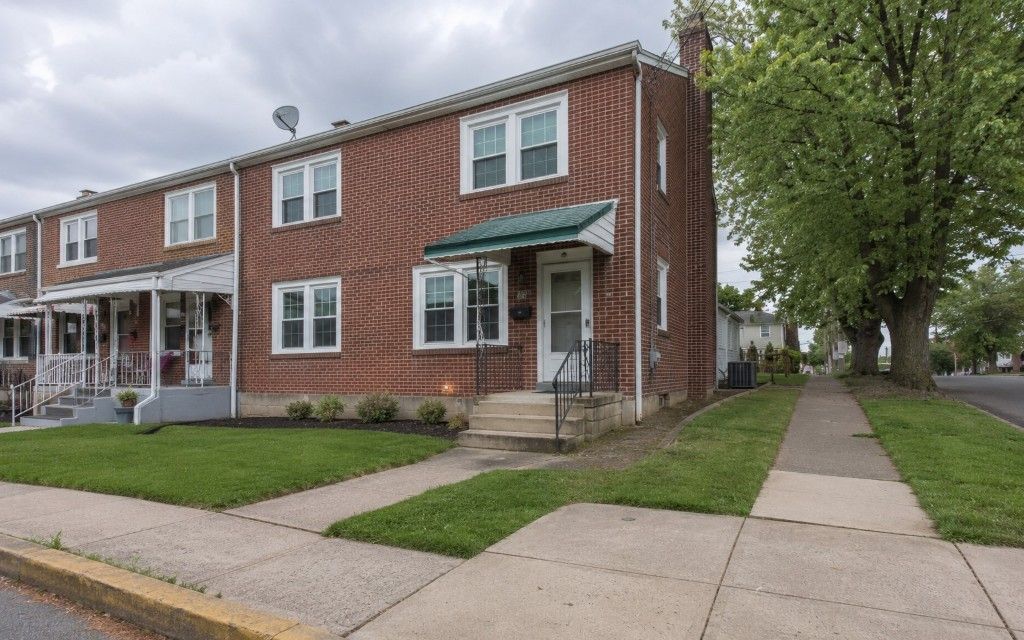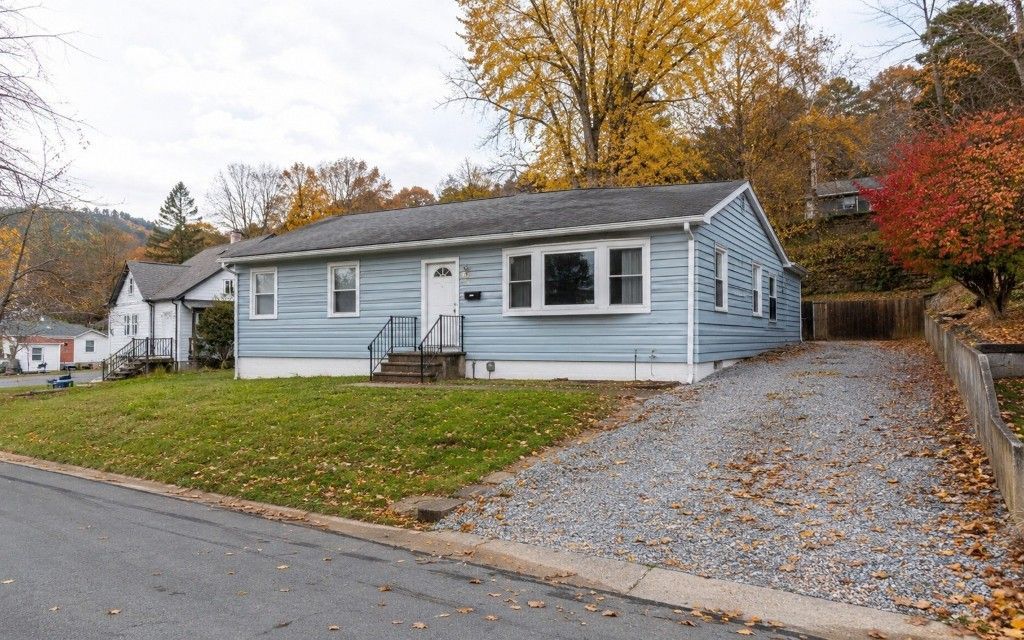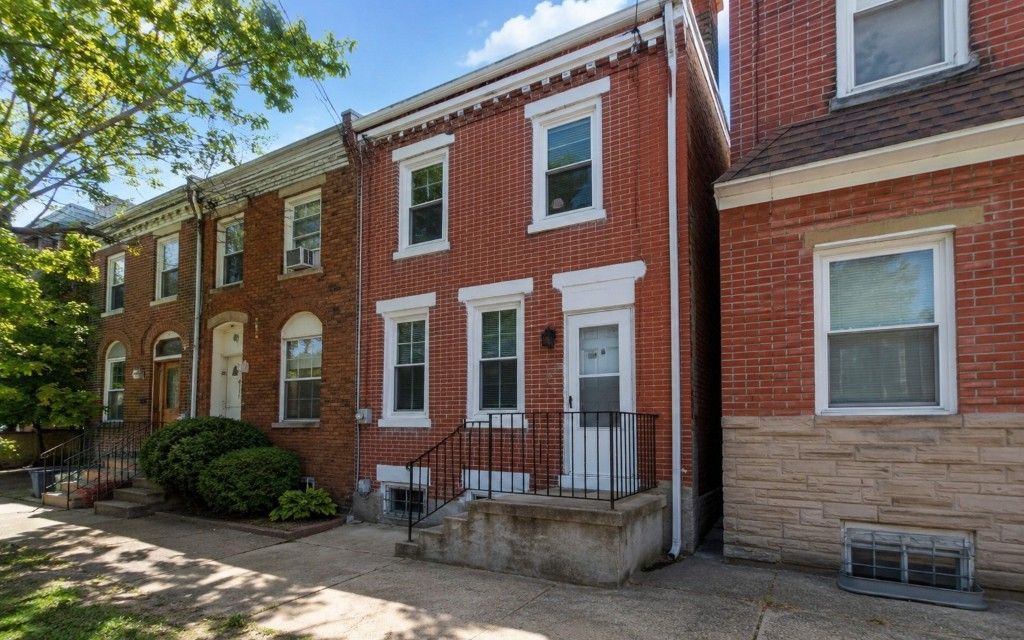
How to Estimate Your Home Sale Proceeds in 5 Minutes

Mathew Pezon • March 31, 2026

Selling your house comes with one big question: how much money will you actually get? Most homeowners think they know the answer. They look up their home value online and assume that is what they will pocket. But the real number is often much lower.


The truth is, selling a house costs money. You have to pay fees, commissions, and debts. These costs can eat up thousands of dollars. Sometimes they take 10% or more of your home's value.


This guide will show you exactly how to figure out your real profit. You will learn a simple three-step formula. It takes about five minutes to complete. When you finish, you will know approximately how much cash you will walk away with.


Whether you sell with an agent or to a cash buyer like Pezon Properties these steps apply equally. Let's break down each one so you understand where your money goes.

Step 1: Find Out What Your House Is Worth


Before you can calculate your profit, you need to know your starting point. That means finding your home's current market value.


Start by looking at recent sales in your neighborhood. These are called comparable sales or "comps." Look for houses that sold in the last three to six months. They should be similar to yours in size, age, and condition.


You can find comps on websites like Zillow, Realtor.com, or Redfin. Enter your address and see nearby sales. Write down the prices of three to five similar homes.


Next, consider your home's condition. Is it updated or outdated? Does it need repairs? A house with a new kitchen and fresh paint will sell for more than one with old carpets and broken fixtures.


Be honest about problems. A leaky roof, a cracked foundation, or an outdated electrical system will lower your home's value. Buyers will either ask for a lower price or request that you fix these issues before closing.


If you want a more accurate number, you have two options. First, you can hire a professional appraiser. They charge around $300 to $500 but give you an official valuation. Second, you can request a free home evaluation from a real estate agent or cash buyer.


Companies like Pezon Properties offer free, no-obligation valuations. They will assess your home and provide a cash offer based on current market conditions and your property's condition.


Once you have a realistic value, write it down. This is your starting number. For example, if your home is worth $250,000, that is where you begin.


Remember, this number is not your profit. It is just the gross sale price. You still have costs to subtract.
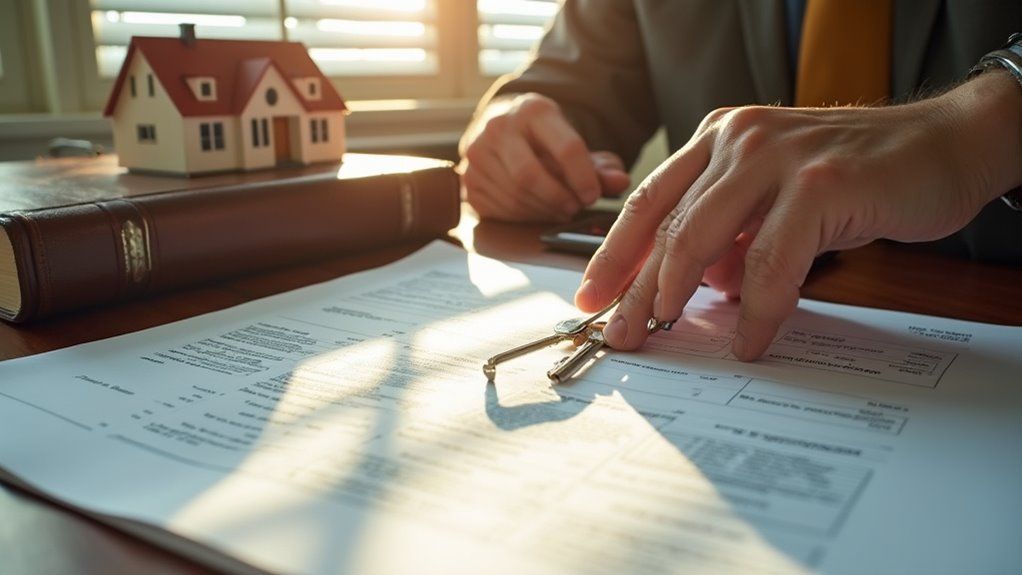
Step 2: Subtract All Your Selling Costs


Selling a house is not free. You will pay various fees and costs before you get your money. These expenses can add up fast.


The highest cost is usually the real estate agent's commission. In Pennsylvania, agents typically charge 5% to 6% of the sale price, on a $250,000 home, that equals $12,500 to $15,000. This fee is split between your agent and the buyer's agent.


You can avoid this cost if you sell to a cash buyer. Companies like Pezon Properties do not charge commissions. They make you a direct offer and buy your house as-is. This saves you thousands of dollars right away.


Next, think about closing costs. These include title insurance, attorney fees, transfer taxes, and recording fees. In Pennsylvania, sellers usually pay 2% to 3% of the sale price in closing costs. On that same $250,000 home, expect to pay $5,000 to $7,500.


You may also need to pay for repairs or improvements. If your home inspection reveals problems, buyers might ask you to fix them. Or you can make updates before listing
to get a higher price. These repairs can cost anywhere from a few hundred to several thousand dollars.


Do not forget about other possible expenses. You might pay for staging, professional photos, or minor upgrades like fresh paint. If you need to move out before selling, you will incur moving costs and possibly temporary housing costs.


Add up all these costs. Write down the total. For our example, let's say your total costs are $20,000. You would subtract this from your $250,000 home value, leaving you with $230,000.


But you are not done yet. You still have one more big number to subtract.


Step 3: Account for What You Still Owe


Most homeowners have a mortgage. You must pay off this loan before you can keep any profit from your sale.


Find your current mortgage balance. You can check your latest statement or call your lender. This number is what you owe right now, not what you originally borrowed.


Your mortgage balance goes down every month as you make payments. If you bought your house recently, you still owe close to the original amount. If you have owned it for many years, your balance should be much lower.


Write down your exact payoff amount. This differs from your regular balance because it includes interest accrued up to the closing date and any prepayment penalties.


Let's continue our example. Say you owe $180,000 on your mortgage. You would subtract this from your $230,000 (your home value minus selling costs). That leaves you with $50,000 in profit.


But wait, there is more to consider. Do you have a second mortgage or home equity loan? These must be paid off, too. Add any additional loans to your mortgage balance.


Also, check for liens on your property. A lien is a legal claim against your house. Common liens include unpaid property taxes, contractor bills, or homeowners' association fees. You must pay these before you can transfer ownership.


Your title company will search for liens during the closing process. They will make sure all debts are paid from your sale proceeds.


After you subtract everything you owe, you get your net proceeds. This is the actual cash you will receive at closing. In our example, you would walk away with about $50,000.


This money is yours to keep. You can use it for a down payment on your next home, pay off other debts, or save it for the future.


If your calculation shows little or no profit, you have options. You might wait to sell until you build more equity. Or consider a cash sale to avoid commission fees and closing costs. Pezon Properties works with homeowners in situations like this, offering fair cash offers that help you move forward.


When Selling for Cash Changes the Math


A traditional sale follows the formula we just covered. But selling to a cash buyer changes some of the numbers.


Cash buyers like Pezon Properties make direct offers on your home. You do not need a real estate agent, so you save the 5% to 6% commission. That alone can mean thousands of extra dollars in your pocket.


You also skip many typical closing costs. Cash buyers cover most or all of these fees. You do not pay for appraisals, inspections, or lengthy closing procedures.


Another big difference is repairs. Traditional buyers often ask for repairs after the home inspection. They want the house in good condition before they move in. Cash buyers purchase homes as-is. You do not fix anything. You do not clean, stage, or update.


This saves you time and money. If your house needs $10,000 in repairs, you keep that money instead of spending it on repairs.


The trade-off is the offer price. Cash offers are typically lower than traditional retail prices. But when you add up all the costs you avoid, the net proceeds often come out to be similar to or even better.


Let's compare using our example. With a traditional sale at $250,000, you might net $50,000 after all costs. With a cash offer of $230,000 and almost no selling costs, you might also net around $50,000 or more. Plus, you close faster, often in just seven to fourteen days.


Every situation is different. Run the numbers for your specific home. Compare what you would net from each option. Then decide which path makes more sense for you.


Cash sales work especially well if you need to sell quickly, have repair issues, or want to avoid the stress of listing and showings.


Common Mistakes That Reduce Your Proceeds


Many sellers lose money because of simple mistakes. Avoid these common errors to keep more cash in your pocket.


First, overpricing your home. When you set the price too high, your house sits on the market. It becomes stale. Eventually, you have to drop the price, sometimes lower than where you should have started. Price it right from the beginning based on real comps.


Second, skipping the pre-listing inspection. Some sellers skip this to save money. But buyers will do their own inspection. If they find problems, they will ask for concessions or repairs. A pre-listing inspection lets you fix issues on your terms or price accordingly.


Third, making expensive upgrades that do not add value. Not every improvement increases your sale price. Kitchen and bathroom updates usually help. But a fancy pool in Pennsylvania or a custom home theater might not give you a return on investment.


Fourth, ignoring curb appeal. First impressions matter. A messy yard, peeling paint, or cluttered entrance turns buyers away. Simple fixes like mowing the lawn, planting flowers, and cleaning windows cost little but make a big difference.


Fifth, refusing reasonable offers. Some sellers hold out for their perfect price and end up settling for less months later. Carrying costs add up. Every month you own the house, you pay the mortgage, utilities, insurance, and taxes. A slightly lower offer today might be better than a higher offer six months from now.


Finally, do not compare all your options. Talk to both real estate agents and cash buyers. Get multiple opinions on your home's value. Understand exactly what you will net from each approach. Then make an informed decision.


How to Get Your Most Accurate Number


The three-step formula gives you a solid estimate. But for the most accurate number, you need professional help.


Start by gathering your documents. Find your most recent mortgage statement, property tax bill, and homeowners' insurance policy. Look up any home equity loans or liens. Have your original purchase price and closing documents handy.


Next, get a professional valuation. A licensed appraiser costs money but provides an official opinion of value. Real estate agents offer free comparative market analyses. Cash buyers like Pezon Properties also provide free home evaluations with no strings attached.


Request a net sheet from your closing agent or real estate professional. A net sheet lists every cost and fee. It shows exactly what you will pay and what you will receive. This document removes the guesswork.


Compare offers if you have multiple options. Do not just look at the sale price. Calculate your net proceeds for each scenario. The highest offer is not always the best deal when you factor in all the costs.


Ask questions about anything you do not understand. Your closing agent, attorney, or real estate professional should explain every line item. There are no dumb questions when it comes to your money.


Finally, plan for the unexpected. Set aside a buffer of 1% to 2% of your sale price for surprise costs. Sometimes issues arise during an inspection or title search. Having extra money available prevents stress at closing.


When you know your real numbers, you can make confident decisions about your home sale.


Frequently Asked Questions


How accurate are online home value estimates?


Online estimates from sites like Zillow or Redfin give you a general idea, but they are not always accurate. These tools use computer algorithms that analyze public data such as recent sales, tax records, and basic property information. They cannot see inside your home or know about upgrades, damage, or unique features. Studies show these estimates can be off by 5% to 10% or more. For a $200,000 home, that means a potential error of $10,000 to $20,000. Use online estimates as a starting point, but get a professional opinion from an appraiser, agent, or cash buyer like Pezon Properties for a real valuation based on your home's actual condition.


Can I negotiate who pays closing costs?


Yes, closing costs are often negotiable between buyer and seller. In Pennsylvania, sellers traditionally pay some costs, such as transfer taxes and the real estate commission, while buyers pay others, such as appraisal and loan fees. However, everything is up for discussion. In a seller's market with high demand, you might convince the buyer to cover more costs. In a buyer's market, you may need to pay more to close the deal. Cash buyers like Pezon Properties typically cover most closing costs as part of their offer, which simplifies the process and puts more money in your pocket. Always review your closing disclosure carefully and ask your attorney or agent about any fees you want to negotiate.


What happens if I owe more than my house is worth?


If you owe more on your mortgage than your home's current value, you are "underwater" or in negative equity. You cannot complete a traditional sale without bringing cash to closing to cover the difference. However, you have options. You might qualify for a short sale, where your lender agrees to accept less than you owe. You could wait until you build more equity through payments or market appreciation. Or you might refinance to lower your payments and stay in the home longer. Companies like Pezon Properties sometimes work with underwater homeowners and their lenders to find solutions. Contact your mortgage lender first to discuss your options, as they must approve any short sale arrangement.

Mathew Pezon

About the author

Mathew Pezon

Mathew Pezon is the founder and CEO of Pezon Properties, a cash home buying company located in Lehigh Valley, Pennsylvania. With several years of experience in the real estate industry, Mathew has become a specialist in helping homeowners sell their properties quickly and efficiently. He takes pride in providing a hassle-free, transparent, and fair home buying experience to his clients. Mathew is also an active member of his local community and is passionate about giving back. Through his company, he has contributed to various charities and causes.
By Mathew Pezon March 31, 2026
Selling your house for cash can be fast and simple. But how do you know if the offer you get is fair? Many homeowners worry about getting cheated when they sell for cash. The good news is that you can protect yourself. When you understand how cash offers work, you can spot a good deal and avoid the bad ones. Cash home buyers like Pezon Properties make offers based on real numbers, not guesses. They look at your home's condition, location, and what repairs it needs. A fair cash buyer will explain how they arrived at their offer amount. A shady buyer will pressure you to sign fast without details. This guide shows you exactly how cash offers are calculated. You will learn what makes your house worth more or less to investors. We will also cover the red flags that signal a lowball offer. By the end, you will know how to negotiate and get the best possible deal on your home. How Cash Home Buyers Calculate Their Offers Cash buyers use a simple formula to figure out what they can pay. First, they look at the after-repair value, or ARV. This is what your house would sell for in perfect condition on the regular market. They find this number by checking recent sales of similar homes in your neighborhood. Next, they subtract the cost of all repairs needed. A professional buyer will walk through your home and make a list. They estimate the costs of fixing the roof, updating the kitchen, replacing the old carpet, and anything else that needs work. These are real contractor prices, not guesses. Then comes their profit margin. Cash buyers need to make money when they resell or rent your home. Most aim for a profit of 10% to 20% of the ARV. This covers their business costs, taxes, and risk. Without profit, they cannot stay in business. Here is the basic formula: Cash Offer = ARV minus Repair Costs minus Profit Margin minus Holding Costs. Holding costs include property taxes, insurance, and utilities while they own the home. If repairs take three months, they pay for everything during that time. These costs add up fast in some areas. A fair cash buyer shows you their math. They explain each number and answer your questions. Companies like Pezon Properties walk homeowners through the whole calculation. You should never feel confused about how your offer was determined. The timeline matters too. If you need to close in one week rather than one month, that can affect the offer. Faster closings mean the buyer takes on more risk and pays more holding costs up front. Location plays a huge role in cash offers. A house in a desirable Allentown neighborhood will get a better offer than the same house in a declining area. Buyers look at school ratings, crime statistics, and job growth in your zip code.
By Mathew Pezon March 31, 2026
Selling your house is a big decision. You want to make the right choice for your situation. Two main paths exist: selling for cash or listing with a realtor. Each method has its own benefits and drawbacks. This guide will help you understand both options so you can pick the best one for you. Many homeowners feel confused about which route to take. Some need to sell quickly because of a job change or financial pressure. Others have more time and want to get the highest possible price. The truth is that neither method is always better. It depends on your specific needs and timeline. When you understand how to sell your house fast for cash versus the traditional way, you gain control. You can make a smart choice instead of guessing. Let's break down everything you need to know about both selling methods. The Biggest Differences Between Cash and Traditional Sales The way you sell your house changes almost everything about the process. Cash sales and traditional sales work very differently from start to finish. A cash sale happens when a buyer purchases your home without getting a mortgage. Companies like Pezon Properties in Allentown, PA, buy houses directly from owners. They use their own money instead of bank loans. This makes the process much faster and simpler. Traditional sales involve listing your house with a real estate agent. Your home goes on the market for everyone to see. Buyers usually need to get approved for a mortgage before they can buy. This adds time and complexity to the sale. Speed is the first major difference. Cash sales often close in just 7 to 14 days. Traditional sales take an average of 30 to 60 days, sometimes longer. You have to wait for the buyer's mortgage approval, home inspections, and appraisals in traditional sales. The condition of your house matters differently depending on the method. Cash buyers typically purchase homes as-is. You do not need to fix anything or make repairs. Traditional buyers often ask for repairs after their home inspection. They may walk away if they find too many problems. Certainty is another key difference. Cash offers rarely fall through because there is no mortgage involved. Traditional sales can collapse at the last minute. The buyer might not get loan approval, or the appraisal might come back too low. You also prepare your house differently. Traditional sales require staging, professional photos, and keeping your home show-ready for weeks. Cash sales need none of this. The buyer sees your house once and makes an offer based on its current condition. Finally, paperwork and hassle levels vary greatly. Cash sales involve minimal paperwork and fewer parties. Traditional sales include agents, lenders, inspectors, appraisers, and sometimes lawyers. Each person adds another layer of coordination and potential delay.
By Mathew Pezon March 31, 2026
Selling a house can feel overwhelming. You might worry about repairs, showings, and how long it will take. But there is another way. You can sell your house for cash and skip most of the usual stress. A cash sale is different from a traditional sale. You work directly with a buyer who has money ready. There is no waiting for bank approvals. No lengthy negotiations. And often, no repairs are needed. This guide will walk you through every step of selling your house fast for cash. You will learn what happens at each stage, how long each stage takes, and which papers you need. We will also cover mistakes people make so you can avoid them. By the end, you will know exactly what to expect when selling your home for cash. What Happens During a Cash Home Sale (The 7 Simple Steps) The cash home sale process is straightforward. Most buyers follow the same basic steps. Here is what happens from start to finish. Step 1: You Reach Out for an Offer First, you contact a cash buyer like Pezon Properties. You can call, fill out a form online, or send an email. You will share basic information about your house. This includes the address, the number of bedrooms and bathrooms, and its condition. Step 2: The Buyer Reviews Your Property The buyer looks at your property details. Some companies use online tools and public records. Others schedule a quick visit to see the house in person. This visit is not like a regular showing. You do not need to clean or stage anything. The buyer just wants to see the property as it is. Step 3: You Receive a Cash Offer Within a few days (sometimes just 24 hours), you get a cash offer. This offer is usually fair based on your home's condition and location. The buyer considers repair costs and market value. You are free to accept, reject, or negotiate.
By Mathew Pezon March 31, 2026
Life can change in an instant. One day, everything feels normal, and the next day, you need to move across the country or deal with a family crisis. When these moments happen, selling your house fast becomes crucial. You might wonder how to sell your house in 5 days when most people take months to close a deal. The truth is that thousands of homeowners face urgent situations every year. These situations force them to sell their homes much faster than usual. Some need to relocate for work. Others face foreclosure or deal with inherited property. Many go through divorce or sudden financial troubles. Understanding these situations helps you see that you are not alone. Fast home sales happen every day in Allentown, PA, and across the country. Companies like Pezon Properties specialize in helping people who need quick solutions. This article explores the most common reasons people need to sell their homes within 5 days. You will learn what drives these urgent sales and why a traditional listing might not work for everyone. Job Relocation and Sudden Moves Getting a job offer in another city sounds exciting at first. Then reality hits. You need to move in two or three weeks, and your house is still sitting empty. This happens more often than you might think. Companies want new employees to start quickly. They do not always give you months to prepare. Military families face this challenge regularly. Transfer orders come through, and service members must report to their new base soon. Selling a house through traditional methods takes 30 to 60 days or longer. That timeline does not work when you have orders to move across the country in three weeks. Corporate relocations create similar pressure. A promotion might require you to move to another state. Your new employer expects you to be there fast. You cannot wait months for a buyer to get mortgage approval. You need cash in hand so you can focus on your new opportunity. International moves add even more urgency. If you accept a job overseas, you cannot manage a house sale from another continent. Time zone differences make phone calls difficult. Managing repairs and showings becomes nearly impossible. Selling quickly before you leave makes sense. Some people face unexpected moves due to family emergencies. A parent might need full-time care in another state. You need to be there for them, not waiting for home inspections and buyer negotiations. In these cases, knowing how to sell your house in 5 days becomes essential. Fast sales also help people avoid paying two mortgages. Once you move for work, you start paying rent or a mortgage in your new location. Keeping your old house means double housing costs. This drains savings quickly. A five-day sale stops this financial bleeding before it starts.
By Mathew Pezon March 31, 2026
Selling a house the traditional way can take months. You paint walls, fix leaky faucets, clean carpets, and stage rooms to look perfect. But what if you could skip all of that? When you sell your house as-is, you don't have to do any of those things. This is how people sell homes in just 5 days, not 5 months. An as-is sale means you sell your home exactly how it is right now. No fixing broken things. No deep cleaning. No, making it look pretty for buyers. Companies like Pezon Properties buy houses in Allentown, PA, in their current condition. They look at your home, make an offer, and close fast. This article will show you what as-is really means. You'll learn which repairs you can skip. We'll talk about the money you save and which properties work best for quick, as-is sales. By the end, you'll know if selling as-is is right for you. What 'As-Is' Really Means for Home Sellers As-is means exactly what it sounds like. You sell your house in its current state. The buyer accepts everything about the property, good and bad. They know the roof might leak. They see the outdated kitchen. They understand the carpet has stains. And they buy it anyway. In a traditional sale, buyers often ask for repairs after the home inspection. They might want you to fix the furnace or replace rotting deck boards. With an as-is sale, there are no repair requests. The buyer takes full responsibility for all fixes after closing. This doesn't mean you hide problems from buyers. You still need to be honest about issues you know about. But you don't have to fix them before selling. The buyer knows they're getting a fixer-upper or a home that needs work. Cash home buyers specialize in as-is purchases. They buy homes that need lots of work. They buy homes that are perfectly fine, but the owner needs to move fast. The condition doesn't matter much to them. What matters is making the process quick and simple for you. Regular buyers using bank loans often can't buy as-is homes. Their lender might refuse to finance a house with major problems. Cash buyers don't have this issue. They use their own money so that they can buy any property in any condition. When you sell as-is, you trade maximum sale price for speed and convenience. Your home might sell for less than it would after renovations. But you save time, money, and stress. For many sellers, that trade makes perfect sense.
By Mathew Pezon March 31, 2026
Selling your house fast means being ready with the right paperwork. Many home sellers don't realize that missing documents can slow down or even stop a quick sale. When you know what papers you need ahead of time, you can close in as little as five days. This guide shows you exactly what documents are required for a fast home sale and how to prepare them. Essential Documents Every Home Seller Needs The first thing you need is your property deed. This legal paper proves you own the house. Without it, you cannot sell. Most people keep their deed in a safe place at home. If you cannot find yours, don't worry. You can get a copy from your county recorder's office for a small fee. Next, gather your mortgage information. You need to know how much you still owe on your home loan. Call your lender and ask for a payoff statement. This document shows the exact amount needed to pay off your mortgage. It also lists any fees or penalties for paying early. Some lenders charge extra if you pay off your loan before the term ends. You will also need a photo ID. A driver's license or passport works perfectly. The title company uses this to confirm your identity at closing. Both you and any co-owners must bring valid ID. Property tax records are important, too. These show whether your taxes are current or if you owe money. You can usually find these online through your county tax office. Buyers want to know the tax situation before they purchase. If you have done recent repairs or improvements, keep those receipts. While not always required, they can help prove the value of your home. Major work, like a new roof or HVAC system, adds value. Having proof makes the sale smoother. Homeowners' insurance information should be ready as well. The buyer's lender might want to see your current policy. This shows the home has been protected and maintained. Finally, prepare any home warranty documents you have. Some sellers offer warranties to make their homes more attractive. If your home already has coverage, the buyer might want to continue it. Companies like Pezon Properties can help you understand which documents matter most for your specific situation. They work with sellers in Allentown and know local requirements well.
By Mathew Pezon March 31, 2026
You need to sell your house quickly. You may have got a new job in another state. Maybe you are going through a divorce. Or you inherited a property and need cash now. Whatever your reason, you have two main choices. You can list with a real estate agent or sell to a cash buyer. Each path takes a very different amount of time. This guide breaks down both options so you can pick the right one for your situation. How Long Does a Traditional Home Sale Actually Take? Most people think listing a house with an agent is the only way to sell it. But this method takes much longer than you might expect. The typical timeline looks like this. First, you spend one to three weeks getting your house ready. You might paint walls, fix broken things, and clean every corner. Many sellers also stage their homes with nice furniture to attract buyers. Next, your agent lists the property. Now you wait for offers. In a hot market, this might take a few days. In a slow market, your house could sit for months. The national average is about 30 days on the market before you get an offer. After you accept an offer, the real waiting begins. The buyer needs to get a mortgage approved. This process alone takes 30 to 45 days on average. During this time, the lender checks the buyer's credit, income, and job history. The buyer also schedules a home inspection. If the inspector finds problems, the buyer might ask you to make repairs or lower the price. These negotiations can add another week or two. Then comes the appraisal. The buyer's lender sends someone to make sure your house is worth what the buyer agreed to pay for it. If the appraisal comes in low, you should renegotiate the entire deal. Some sales fall apart at this stage. Finally, you reach the closing table. Even after everything is approved, scheduling the actual closing takes time. You need to coordinate with the buyer, both sets of lawyers, the title company, and the lender. Add it all up, and you get this. From the day you decide to sell until the day you get your money, expect at least 60 to 90 days. Many sales take even longer. According to the National Association of Realtors, the median time from listing to closing is about 75 days. But this does not include the prep time before you list. For people in Allentown, these timelines can vary. Local market conditions make a big difference. If there are lots of buyers and few homes for sale, you might sell faster. If the market slows down, you could wait months without a single offer.
By Mathew Pezon March 31, 2026
Selling a house usually takes months. You list it, wait for buyers, host open houses, and deal with repairs. But what if you need to sell fast? You may have got a new job in another state. Maybe you inherited a property you don't want. You may need cash quickly. Good news: you can sell your house in just five days. This guide shows you exactly how it works, day by day. You will learn what happens each day and what you need to do. By the end, you will know if this option makes sense for you. Is It Really Possible to Sell a House in 5 Days? Yes, it is absolutely possible. But it works differently from a normal sale. In a traditional sale, you put your house on the market. You wait for buyers to see it. They make offers. You negotiate. They get a mortgage approved, which takes weeks. Then you close. This process usually takes 60 to 90 days, sometimes longer. A fast sale cuts out most of these steps. Cash home buyers like Pezon Properties can make an offer in 24 hours. They don't need bank approval because they pay with cash. They buy houses as-is, so you skip repairs. And they can close in just a few days. The trade-off is simple. You get speed and convenience, but you might get less money than in a traditional sale. Cash buyers need to make a profit, so they offer below market value. Think of it as selling your car to a dealer rather than a private buyer. The dealer pays less, but you sell it today instead of waiting weeks. Who benefits from a five-day sale? People are facing foreclosure. People who inherited unwanted property. People relocating for work. People are going through a divorce. People with houses that need major repairs. If you value speed over top dollar, this could be perfect for you. The process is straightforward. You contact a cash buyer. They look at your house. They make an offer. You accept or negotiate. You sign papers. You close. Five days, start to finish. Cash buyers can move this fast because they have money ready. They don't wait for loan approval. They don't require inspections or appraisals (though they might do a quick walk-through). They handle all the paperwork and closing costs. You just show up and sign. This method works in any market. Whether houses are selling fast or sitting for months, cash buyers are always looking. They buy in good neighborhoods and rough ones. They buy perfect houses and houses that need work.
By Mathew Pezon March 31, 2026
Selling your house can feel overwhelming. One big question pops up right away: how much will I get when I sell my house? If you're looking at cash offers from companies like Pezon Properties, the numbers are lower than you expected. This can be confusing and frustrating. Why would anyone pay less than what your home is worth? The truth is, cash offers work differently from traditional home sales. They come with trade-offs. You get speed and convenience, but you give up some profit. Understanding why cash buyers pay less helps you make a smart choice. This article explains the real reasons behind lower cash offers. You'll learn what's fair and when accepting less money actually makes perfect sense for your situation. Why Cash Buyers Pay Less Than Retail Price Cash home buyers like Pezon Properties run businesses. They need to make money to keep their doors open. When they buy your house, they're taking on all the work and risk you would normally handle yourself. Think about what happens in a traditional sale. You clean, repair, and stage your home. You pay a real estate agent around 6% commission. You wait weeks or months for a buyer. You might pay for inspections, appraisals, and closing costs. If the buyer's financing falls through, you start over. Cash buyers skip all those steps for you. But they take on every single one of those tasks themselves. After buying your house, you usually need to fix it up. They might replace the roof, update the kitchen, or repair the foundation. These repairs cost thousands of dollars. Labor isn't cheap, and materials add up fast. Next comes holding costs. Every month, they own your house, they pay property taxes, insurance, and utilities. If they borrowed money to buy your house, they're paying interest too. These costs pile up while they work on repairs. Finally, they need to resell the house. That means more agent fees, marketing costs, and closing expenses. They might hold the property for six months or longer before finding a buyer. During that time, the market could drop. Unexpected problems could pop up during their renovations. All these factors mean risk. Cash buyers need a cushion to protect themselves. If they paid full market value, one big surprise could wipe out their entire profit. The difference between what they offer and the retail price covers repairs, holding costs, selling expenses, and their profit margin. This isn't about taking advantage of sellers. It's basic business math. Companies like Pezon Properties in Allentown need to cover their expenses and earn a profit for their services. In return, you get a fast sale with zero hassle. No repairs, no showings, no waiting, no uncertainty.
By Mathew Pezon March 31, 2026
Selling your house should put money in your pocket. But most homeowners are shocked when they see their final check. The number is often thousands of dollars less than they expected. Why does this happen? Hidden costs eat away at your sale price like termites in wood. You might sell your house for $200,000, but you could walk away with only $170,000 or less. That's a $30,000 difference! Understanding these costs before you sell helps you plan better. You'll know exactly how much money you'll actually receive. This article breaks down every fee and expense that reduces your home sale proceeds. No surprises, no confusion, just the facts you need to make smart decisions. Closing Costs and Agent Commissions Explained Real estate agent commissions are the highest cost most sellers face. Agents typically charge 5% to 6% of your home's sale price. This fee gets split between your agent and the buyer's agent. Here's what that looks like in real numbers. If you sell your house for $200,000 and pay 6% commission, that's $12,000 gone immediately. On a $300,000 home, you're paying $18,000. These numbers add up fast. But commissions aren't the only closing costs you'll pay. Title insurance protects the buyer and lender from legal issues related to the property's ownership. This usually costs between $500 and $1,000. You might also pay for a title search, which confirms you legally own the property and can sell it. Transfer taxes are fees your local government charges when property changes hands. These vary wildly by location. Some areas charge 1% of the sale price. Others charge much less. In Pennsylvania, transfer taxes can be significant depending on your county and municipality. Attorney fees matter, too, if you hire a real estate lawyer. Some states require lawyers for home sales. Even where they're optional, having one can protect you from legal mistakes. Expect to pay $500 to $1,500 for legal help. Don't forget about settlement fees. The title company or closing agent charges for managing all the paperwork and money transfers. This administrative fee usually runs $300 to $500. Recording fees go to your county to officially record the sale in public records. These are usually small, around $50 to $250, but they still count. One final closing cost: prorated property taxes. If you already paid taxes for the full year but sell in June, you'll credit the buyer for the remaining months. This isn't a cost, but it reduces your proceeds. Companies like Pezon Properties work differently. We buy houses directly without agents involved. This means no commissions to pay, which can save you thousands of dollars right away.