Who Buys Houses As-Is in Pennsylvania, and How Do They Make Offers?
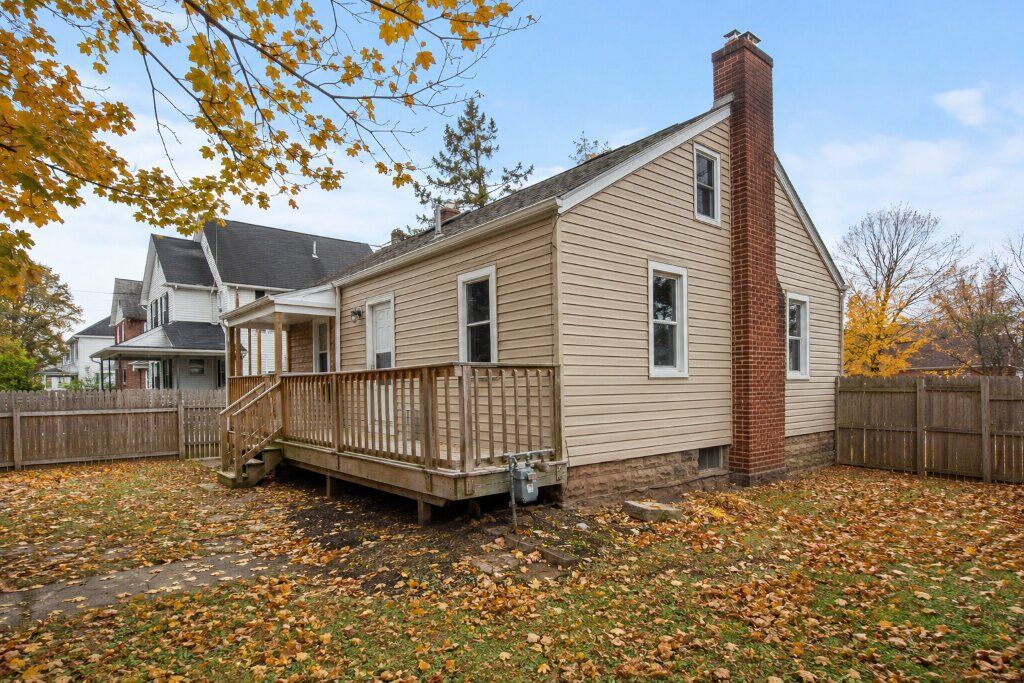
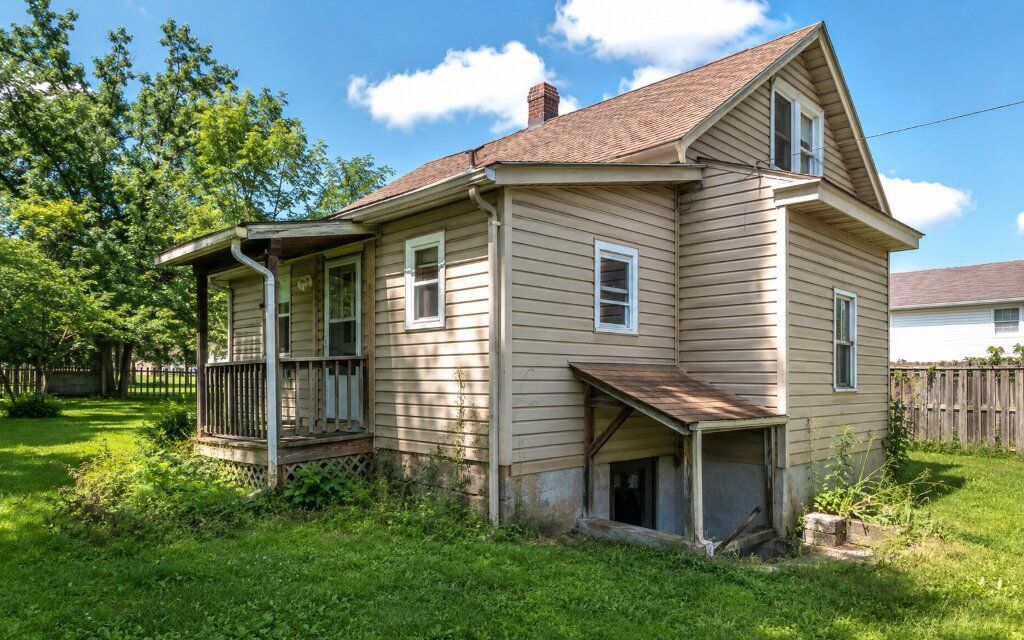
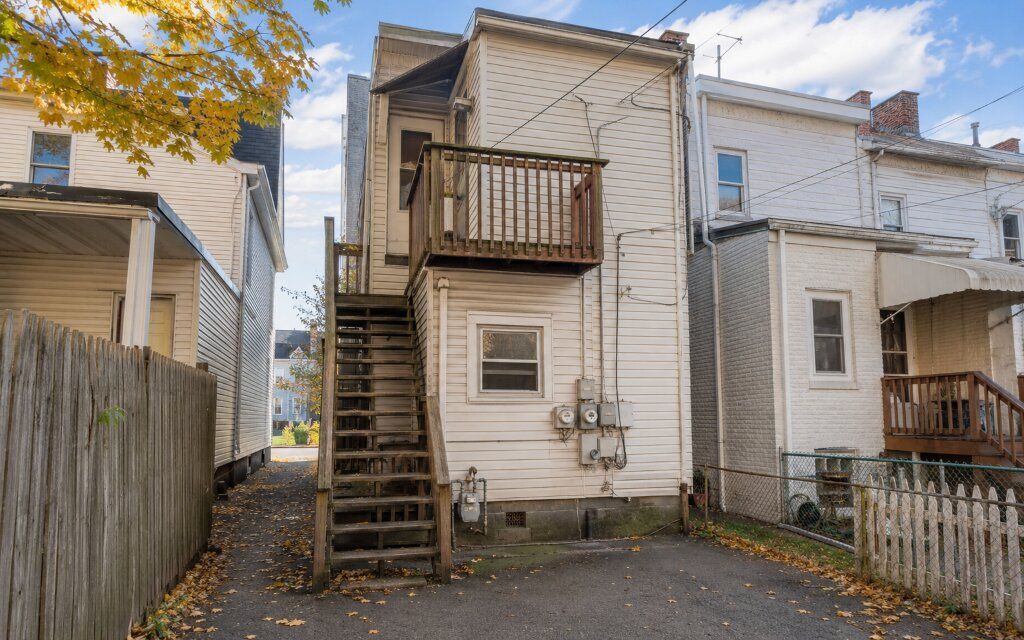
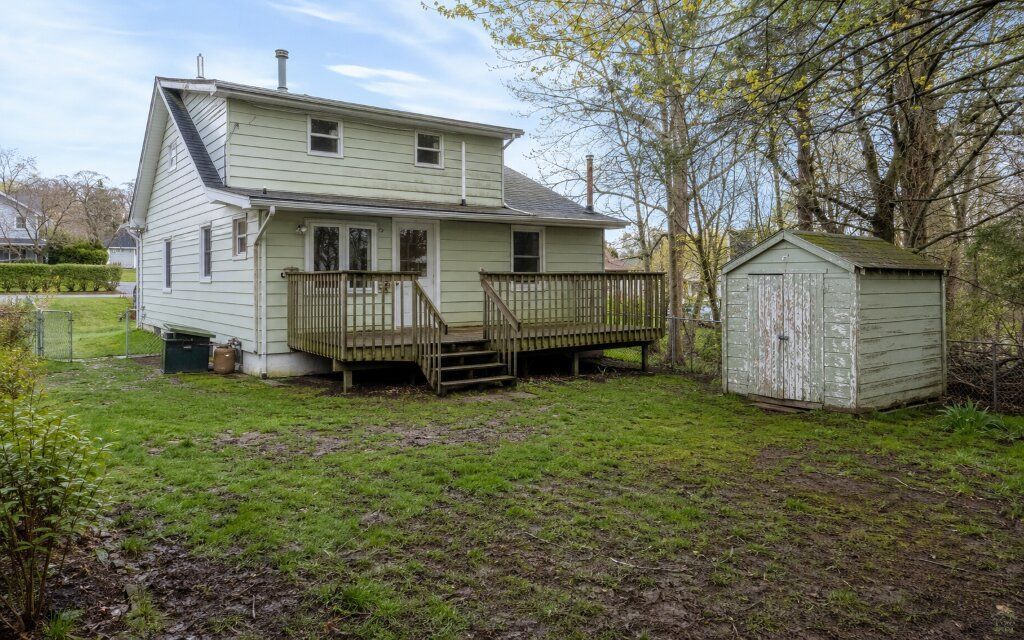
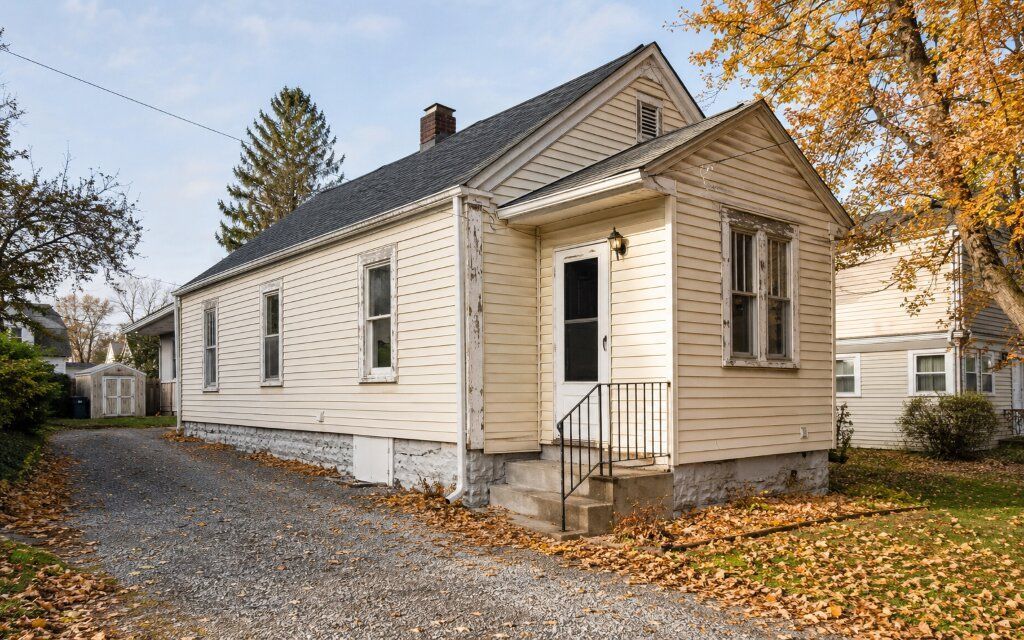
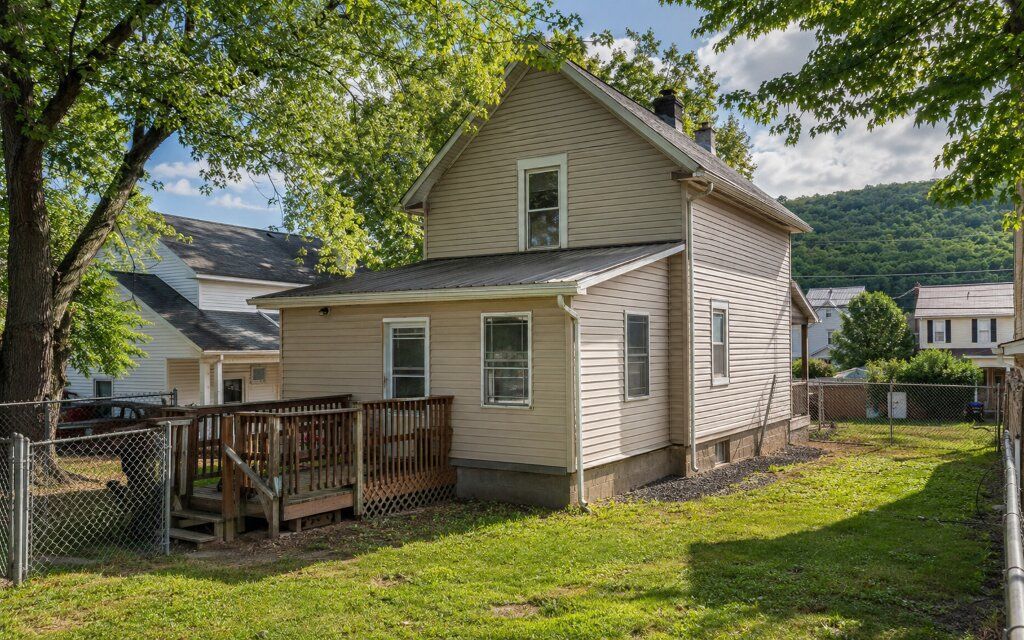
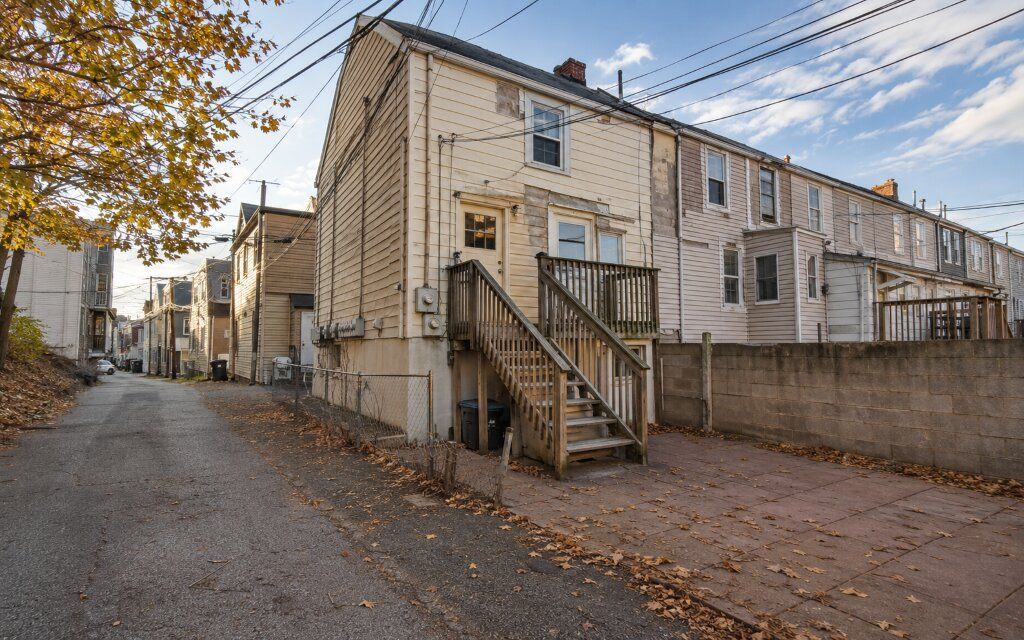
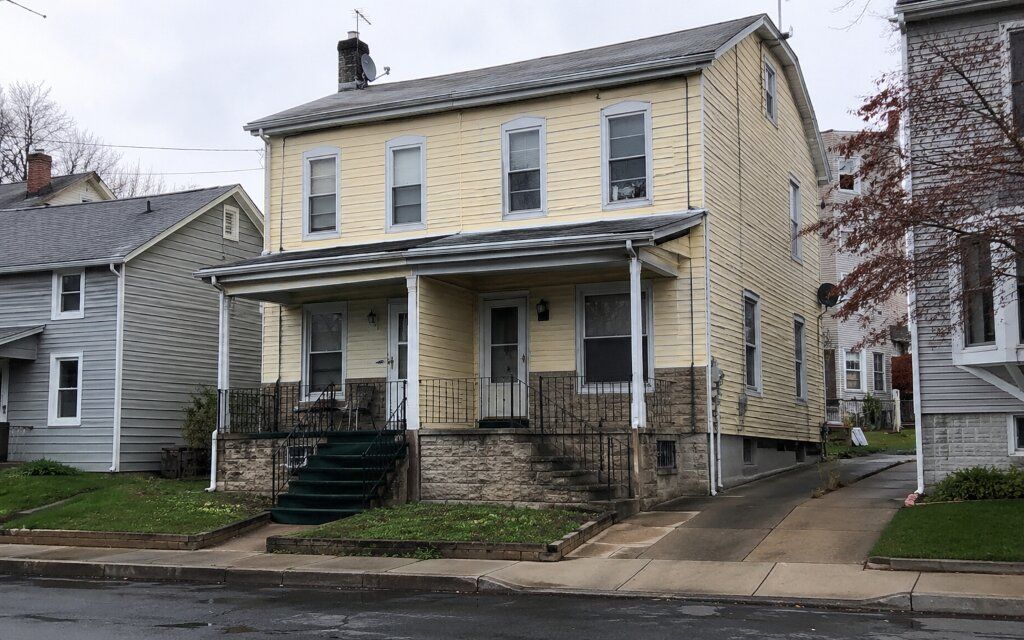
Selling a house as-is in PA opens the door to a very different group of buyers than a traditional home sale does. Most of these buyers are not looking for a move-in-ready property. They are investors, companies, and individuals who see value in homes that need work and are willing to pay cash to get them. Knowing who these buyers are and how they think about pricing helps you evaluate any offer you receive with clear eyes.
What Types of Buyers Purchase As-Is Homes in Pennsylvania?
Not every buyer who is willing to take a property in its current condition works the same way. The three most common types of as-is buyers in Pennsylvania each bring a different approach, timeline, and way of determining price.
Individual Real Estate Investors
Individual investors, sometimes called fix-and-flip buyers, purchase homes with the intention of renovating and reselling them for a profit. They are active across Pennsylvania, including markets such as Allentown, Reading, Bethlehem, and Philadelphia. These buyers typically use their own capital or private financing, which means they can move without delays in the mortgage approval process.
Their offers are shaped entirely by the numbers. They look at what the home will be worth after repairs, subtract the cost of those repairs, and then subtract their desired profit margin. What remains is roughly what they are willing to pay. This formula can feel cold, but it reflects the real financial risk they are absorbing when they buy a home in unknown condition.
iBuyers and Institutional Platforms
iBuyers are technology-driven companies that generate automated offers based on market data algorithms. They tend to favor homes in relatively good shape, located in larger metro areas where they can process volume efficiently. While some Pennsylvania cities fall within their service zones, iBuyers rarely pursue properties with significant structural issues, deferred maintenance, or major systems requiring replacement.
If your home qualifies, an iBuyer may move quickly, but their service fees can be substantial, sometimes reaching five to eight percent of the sale price on top of any repair credits they request. That can reduce your net proceeds more than you might expect.
Local Cash Home Buying Companies
Local cash home buyers like Pezon Properties are a third category. We focus specifically on homeowners who need to sell without making repairs, dealing with agents, or waiting through a lengthy closing process. We buy homes in any condition, which means the property does not have to be cleaned out, updated, or inspected for loan approval.
A local cash buyer like us is often the most practical option for sellers facing inherited properties, code violations, tax liens, or structural damage that would stop a financed buyer in their tracks.
How Do Cash Home Buyers Calculate Their Offers?
Understanding the math behind a cash home buyer offer in Pennsylvania takes the mystery out of the process. Every offer we make is rooted in the same core calculation, even if the exact numbers vary by property.
The Role of After-Repair Value
After-repair value, or ARV, is the estimated market value of a home after it has been fully renovated. This is the starting point for nearly every investor offer in Pennsylvania. A buyer will look at recent comparable sales of updated homes in your neighborhood to determine what the property could realistically sell for in excellent condition.
ARV is not what your home is worth today. It is a projection of future value, used as an anchor for the math that follows.
Repair Costs and the Investor Margin
Once the ARV is established, a cash buyer estimates the cost to bring the home up to market-ready condition. This includes everything from roof replacement and foundation work to cosmetic upgrades like flooring and paint. These estimates are based on current contractor pricing in your local market.
After repair costs, the buyer also accounts for holding costs, including property taxes, insurance, utilities, and financing expenses paid while the renovation is underway. Finally, a profit margin is factored in. This is what makes the purchase worthwhile for the investor. The remainder, after subtracting all of these costs from the ARV, is the fair cash offer range for your home.
For example, if a home in Pen Argyl has an ARV of $200,000 and estimated repairs of $60,000, with an additional $20,000 in holding and selling costs, a buyer targeting a 15 percent margin on ARV would offer between $90,000 and $100,000.
How We Evaluate Your Specific Home
When we assess a property, we look beyond the surface. Roof age, HVAC condition, plumbing and electrical systems, foundation integrity, and local market trends all factor into our evaluation. Two homes on the same block may produce different offers because their underlying condition and potential repair costs differ.
We also consider the seller's situation. If speed and certainty matter more than squeezing out every dollar, that context shapes how we structure the offer. A flexible closing timeline, no contingencies, and no financing risk all have real value, and these factors are built into our approach to each conversation.
Is a Cash Offer Always Lower Than a Financed Offer on an As-Is Home?
This is one of the most common questions sellers ask when considering selling a house as-is in PA. The short answer is more nuanced than most people expect.
What a Financed Offer Actually Requires
A buyer using a mortgage must satisfy the lender’s appraisal and property-condition requirements before the loan is approved. This can create extra complications for homes being sold as-is, especially when significant repairs are needed. Homeowners asking whether you can sell a house as-is without inspection should understand that even when a seller does not plan to make repairs, a financed buyer may still request an inspection or face lender requirements tied to the property’s condition.
A lender may require certain repairs before closing, or an appraisal may come in below the agreed purchase price, which can lead to renegotiation or cancellation. Even if a financed buyer offers a higher amount on paper, that offer may carry conditions that a damaged or neglected property cannot easily satisfy. If those conditions are not met, the transaction can fall through and put the property back on the market.
The True Cost Comparison
When you account for agent commissions, closing cost contributions, and months of carrying costs while the home sits on the market, the gap between a financed offer and a cash offer often narrows considerably. In some cases, the net proceeds from a cash sale are comparable to what a seller would walk away with after all deductions from a higher-but-slower traditional sale.
Selling without repairs, staging, or uncertainty has real financial value. That value is not always visible in a headline offer number.
When a Cash Offer Makes More Sense
For an investor home purchase on a property with significant issues, a cash offer is not just faster. This is the only realistic path to closing. Financed buyers simply cannot purchase homes with major structural problems, active water damage, unpermitted additions, or other issues that fail lender standards.
If your home falls into this category, comparing a cash offer to a financed offer is not always an apples-to-apples comparison. The financed offer may not be a viable option.
Pezon Properties works with homeowners across Lehigh Valley and beyond who are navigating exactly these kinds of situations. We make it straightforward to understand what your home is worth in its current state and what a sale would actually put in your pocket.
Ultimately, selling a house as-is in PA is a viable and often smart choice for sellers who want clarity, speed, and a sale that does not depend on a buyer's financing falling into place.
Frequently Asked Questions
Who typically buys houses as-is in Pennsylvania?
The most common buyers of as-is homes in Pennsylvania are individual real estate investors, local cash-buying companies, and, less frequently, iBuyer platforms. Each of these buyer types uses their own version of a repair-cost and resale-value calculation to determine their offer. Traditional retail buyers who use mortgage financing rarely purchase homes in as-is condition because lenders often prohibit it.
How long does it take to sell a house as is to a cash buyer?
Cash home buyers can generally move much faster than buyers who need mortgage approval because there is no lender involved in the process. Without inspections tied to loan conditions, appraisals, or underwriting delays, the timeline from accepted offer to closing is typically far shorter than a traditional sale. We work around the seller's needs and can often accommodate a faster schedule when that matters.
Will I get a fair price for selling my home as-is without making repairs?
Selling without repairs does mean accepting an offer that accounts for the cost and risk the buyer is taking on, but that does not mean the offer is unfair. A fair cash offer reflects real market data, actual repair costs, and local comparable sales. When you factor in what you save on commissions, repairs, and carrying costs, many sellers find the net difference is smaller than they expected.

About the author
Mathew Pezon
Mathew Pezon is the founder and CEO of Pezon Properties, a cash home buying company located in Lehigh Valley, Pennsylvania. With several years of experience in the real estate industry, Mathew has become a specialist in helping homeowners sell their properties quickly and efficiently. He takes pride in providing a hassle-free, transparent, and fair home buying experience to his clients. Mathew is also an active member of his local community and is passionate about giving back. Through his company, he has contributed to various charities and causes.