Selling a House in Allentown, PA: Local Market Factors That Change Your Strategy

Mathew Pezon • August 6, 2026

The best way to sell a house in Pennsylvania depends heavily on where you live, and Allentown sellers face a very specific set of local conditions that a generic guide will never cover. Lehigh Valley home values, neighborhood price gaps, and shifting buyer demand all shape which exit route actually makes sense for your property and your timeline.

What Does the Allentown, PA, Housing Market Look Like for Sellers Right Now?

Allentown market conditions vary by property type, condition, price range, and neighborhood. Sellers should review current comparable sales and active competition for properties similar to their own before choosing a strategy. 

Days on Market Are Not the Same Across All Homes

Days on market is one of the most telling numbers in any local market, and in Allentown, it varies widely. A well-priced home in good condition may attract stronger interest, but the response depends on comparable listings, price, location, and current demand. A home with deferred maintenance, title issues, or tenant complications can sit on the market much longer, even when buyer demand in the broader Lehigh Valley is healthy.

Sellers often compare their situation to the best-case listings they see online. That comparison is rarely fair to your specific circumstances. Your home's age, condition, and location will shape your actual timeline far more than a market average will.

PA Housing Market Trends That Allentown Sellers Need to Know

Interest rate shifts have cooled buyer purchasing power compared to the low-rate era. More buyers in the Easton, PA, property-demand pool are stretching their budgets, which means financing contingencies and appraisal gaps are becoming more common again in traditional sales. Sellers who need a clean, certain close are finding that a financed buyer comes with more moving parts than it did even two years ago.

Cash buyers, both individual investors and companies like ours, have become a steadier presence in this environment because they eliminate financing uncertainty. For homeowners asking “are cash home buyers legit,” evaluating the buyer, written offer, and contract terms is an important part of comparing this option with a traditional sale. 

What Types of Homes Sell Fastest in Allentown?

Proximity to transportation, employment, and amenities may influence buyer interest, but the effect varies by property and buyer. Buyer interest may be influenced by location, transportation access, property condition, lot characteristics, taxes, and nearby amenities. Homes that fall outside those categories frequently sit on the market longer or require price reductions that eat into the seller's net.
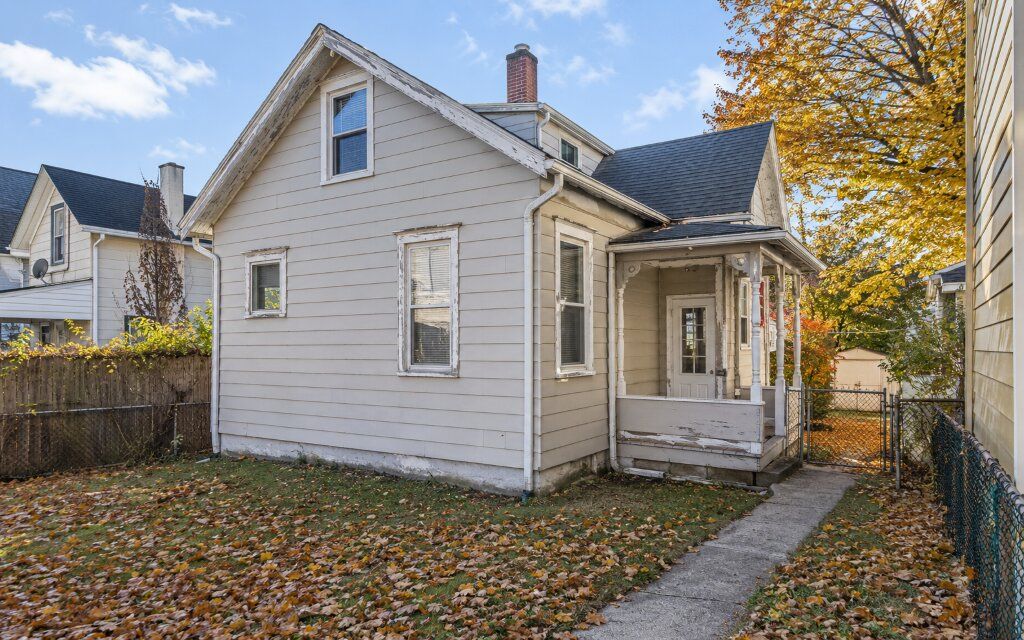

How Does the Allentown Neighborhood Affect Which Selling Method You Should Use?

Allentown is not one market. It is a collection of distinct neighborhoods, each with its own pricing ceiling, buyer profile, and demand pattern. The method that works well in the West End Historic District may underperform in the South Side or Center City areas, and vice versa.

Neighborhood Pricing Ceilings Limit What a Listing Can Achieve

Every neighborhood has a pricing ceiling, which is the highest price the market will support regardless of how upgraded your home is. If you spend money on renovations in a neighborhood where comps do not support that investment, you absorb the cost without recovering it at closing.

This ceiling effect is most pronounced in parts of Allentown where investor activity is high and retail buyer demand is more selective. Knowing your ceiling before you commit to a selling method protects you from putting money into a property that will not pay it back.

How Buyer Demographics Shift Block to Block

The type of buyer interested in your home changes depending on your street. Some Allentown blocks draw first-time buyers using FHA or VA financing, which adds appraisal requirements and condition standards. Other areas attract experienced investors or landlords paying cash. Understanding which buyer type your home will realistically appeal to helps you set realistic expectations about offers, timelines, and contingencies.

We pay attention to these patterns every day as we work in the Lehigh Valley, and they genuinely shape how we evaluate properties across different zip codes.

Matching Your Method to Your Block

Selling considerations may differ between an Allentown landlord managing a rental property and an estate representative handling a home elsewhere in the Lehigh Valley. A traditional listing assumes your home will appeal to retail buyers who can qualify for financing and are comfortable with the inspection process. A direct sale may appeal to an owner who prioritizes the property’s current condition, transaction structure, and estimated net proceeds over public marketing.

Neither approach is universally better. The right choice depends on your property's condition, your financial situation, and how much uncertainty you can comfortably absorb.

Why Do So Many Allentown Homeowners Choose Cash Buyers Over Traditional Listings?

The traditional listing process works well under the right conditions: good market timing, a home in solid shape, and a seller who can wait through the full buyer search, inspection, and financing process. When one or more of those conditions are missing, the math changes.

What the Listing Process Actually Costs in a Realistic Scenario

Brokerage compensation varies and is negotiable. Sellers should review the listing agreement and any requested buyer concessions when estimating net proceeds. Add closing costs, any repairs requested after inspection, holding costs during the listing period, and potential price reductions if the home does not sell quickly. For many sellers, the net proceeds from a traditional sale are lower than the list price suggests on paper.

A cash offer may come in below market value, but the savings on commissions, repairs, and carrying costs often close that gap significantly. Running both numbers side by side is the most honest way to compare your options.

Situations Where Speed and Certainty Matter More Than Price

Some sellers cannot afford to wait. Divorce settlements, estate sales, job relocations, pre-foreclosure situations, and inherited properties with carrying costs all create timelines that a traditional listing may not fit. In those cases, the certainty of a close is worth more than the possibility of a higher offer that might fall through.

We work with homeowners in exactly these situations throughout Allentown, PA. We explain our proposed price and contract terms so the owner can evaluate the transaction.

The Best Way to Sell a House in Pennsylvania Starts With Honest Numbers

Finding the best way to sell a house in Pennsylvania is not about which method sounds best in theory. It comes down to your specific numbers. What will you net after all costs on a traditional sale? What are the estimated net proceeds from the written direct offer? How much is your time worth, and what is the cost of uncertainty if a financed deal falls apart?

Pezon Properties approaches every seller conversation with those questions on the table first. We are not the right fit for every situation, but when the numbers favor a direct cash sale, we work hard to make the process straightforward and respectful of your time.


Frequently Asked Questions

How do I know which selling method is actually best for my Allentown home?

The right method depends on your home's condition, your timeline, and how much risk you can handle during the sale process. A move-in-ready home with flexible timing may net more through a traditional listing. A property with deferred maintenance or complicated ownership may be worth evaluating through both a traditional listing and a direct-sale offer.

What factors in the Allentown, PA, real estate market should I consider before listing?

Allentown real estate market conditions to review include current days on market for homes similar to yours, the pricing ceiling in your specific neighborhood, and the type of buyer your home is likely to attract. Broader PA housing market trends, like interest rate shifts and buyer financing patterns, also affect how reliable a retail sale will be from start to finish.

Is selling to a cash buyer really worth it if the offer is below market value?

The offer price is only one part of the equation. When you factor in agent commissions, inspection repair requests, closing cost contributions, and carrying costs over a listing period, the net from a cash sale is often closer to that of a traditional sale than the initial numbers suggest. Pezon Properties can walk you through a side-by-side comparison so you can make a clear, informed decision based on your actual bottom line.


Mathew Pezon, co-owner of Pezon Properties

About the author

Mathew Pezon

Mathew Pezon is the founder and CEO of Pezon Properties, a cash home buying company located in Lehigh Valley, Pennsylvania. With several years of experience in the real estate industry, Mathew has become a specialist in helping homeowners sell their properties quickly and efficiently. He takes pride in providing a hassle-free, transparent, and fair home buying experience to his clients. Mathew is also an active member of his local community and is passionate about giving back. Through his company, he has contributed to various charities and causes.

By Mathew Pezon August 7, 2026
Understanding capital gains tax when selling a house in Pennsylvania is one of the most important things you can do before listing your home. Many sellers are surprised to learn that federal tax law allows qualifying homeowners to shield a significant portion of their capital gains from tax entirely, and Pennsylvania has its own layer of rules on top of that. Knowing how the Section 121 exclusion works can mean the difference between keeping thousands of dollars and handing them to the IRS. What Is the Primary Residence Exclusion and Who Qualifies in Pennsylvania? The Section 121 exclusion is a federal tax benefit that lets homeowners exclude up to $250,000 of profit from the sale of their primary residence. For married couples filing jointly, that number doubles. This exclusion applies to federal capital gains tax, not Pennsylvania state income tax, which we will cover separately below. What Counts as a Primary Residence? Your primary residence is the home where you live most of the time. It does not have to be a house. It can be a condo, a mobile home, or even a houseboat, as long as it qualifies under IRS rules. The IRS looks at factors like where you receive mail, where you are registered to vote, and where you spend the majority of your time throughout the year. If you own more than one property, only one can be your primary residence at a time. A vacation home or a rental property does not qualify, even if you visit it often. How Does Pennsylvania Treat Capital Gains from a Home Sale? Pennsylvania generally excludes gain from the sale of a principal residence when the seller satisfies the state’s ownership and use requirements. Pennsylvania administers its exclusion under state rules and forms, so sellers should not assume that the federal result automatically determines the Pennsylvania result. If the property does not qualify as a principal residence, some or all of the gain may be subject to Pennsylvania personal income tax. Who Is Eligible for the Section 121 Exclusion? To use the Section 121 exclusion, you must meet two tests: the ownership test and the use test. Both must be satisfied during the five years ending on the date you sell your home. You also cannot have used this exclusion on another home sale within the past two years.
By Mathew Pezon August 5, 2026
When time matters, knowing exactly how long a home sale takes can change everything. Pennsylvania home buyers who pay cash operate on a completely different timeline than the traditional real estate market, and understanding that difference helps you make a smarter decision for your situation. Most sellers assume all home sales move at roughly the same pace. They do not. The gap between a cash sale and a financed sale can be measured in weeks, and sometimes in months. How Quickly Can a Pennsylvania Home Buyer Close Compared to a Traditional Sale? The timeline difference between a cash sale and a traditional sale is one of the most misunderstood parts of selling a home. Both paths lead to the same destination, but the roads are very different. The Traditional Sale Timeline A financed sale may involve mortgage underwriting, appraisal, title review, and other contractual requirements. The agreement of sale establishes the closing date and can be affected by the particular transaction. That window exists because of everything a lender requires before releasing funds. Here is what fills those weeks: Mortgage pre-approval verification for the buyer (often done before the offer, but sometimes still in progress) Home appraisal, which the lender orders and schedules independently Loan underwriting, where the bank reviews every detail of the buyer's financial picture Title search and title insurance, which must be completed before any closing can happen Final walk-through and closing disclosure review periods required by law Each step adds time. A financing issue may affect the buyer’s ability to perform, but the parties’ rights and remedies depend on the terms of the agreement of sale. In a slower market, that pause can stretch into weeks.
By Mathew Pezon August 4, 2026
Interviewing real estate agents before signing anything is one of the smartest moves a home seller can make. The agent you choose will shape your entire selling experience, from pricing your home to negotiating the final deal, and the wrong fit can cost you both time and money. Why Should You Interview Real Estate Agents Before Choosing One? Most homeowners in Allentown, PA, pick the first agent they meet or go with whoever a friend recommends. That approach works out sometimes , but it leaves a lot to chance. Taking time to evaluate your options properly puts you in control of one of the biggest financial decisions of your life. The Agent Selection Process Protects Your Money A listing agent does far more than put a sign in your yard. They price your home, market it to buyers, manage showings, and guide you through negotiations. If they price your home too low, you leave money on the table. If they overprice it, your home sits, and buyers start to wonder what is wrong with it. Choosing without interviewing is a bit like hiring a contractor before seeing their work. You might get lucky, but you have no real way to know. Agent Interviews Reveal What Credentials Cannot A license tells you someone passed a test. An interview tells you how they think, how they communicate, and whether they actually understand your neighborhood. Some agents are excellent at selling starter homes but have limited experience with larger properties. Others specialize in specific zip codes and have deep insight into what buyers in those areas are willing to pay. You will not know any of this without asking. Seller Representation Matters More Than Most People Realize Seller representation means an agent is legally and ethically obligated to act in your best interest. But the quality of that representation varies widely from one agent to the next. An interview helps you find someone who will fight for your priorities, not just close a deal as fast as possible. When you skip this step, you often end up with an agent who is more focused on their commission timeline than your outcome.
By Mathew Pezon August 3, 2026
Knowing whether home prices are rising or falling in your area can be the difference between a smart financial move and a costly mistake. Real estate markets shift constantly, and the homeowners who make the best decisions are the ones who understand how to read the signals before prices change. These five economic indicators are the same ones that real estate professionals track every day. Once you know what to look for, you will have a much clearer picture of where prices in your market may be headed. What Economic Signals Should Homeowners Watch Closely? The housing market does not move randomly. It responds to real, measurable forces happening in the broader economy. Learning to spot these forces early puts you ahead of most buyers and sellers. The Employment Rate in Your Local Area Local employment is one of the strongest predictors of housing demand. When people have stable jobs and growing incomes, they feel confident enough to buy homes. That confidence drives prices upward. In markets like Allentown, PA, shifts in major employers or manufacturing sectors can ripple quickly through home values. A plant closure or a new company moving into the region both send clear signals about where buyer demand is heading. Watch local job reports the same way you would watch the weather before a road trip. Consumer Confidence and Spending Patterns When people feel good about the economy, they spend. When they spend, they also buy homes. Consumer confidence indexes are published monthly by several research organizations and give a snapshot of how optimistic households feel about their financial futures. A rising confidence index tends to push more buyers into the market, increasing competition and lifting prices. A falling index often signals that buyers are pulling back , which gives sellers less leverage.
By Mathew Pezon July 28, 2026
Paying off a mortgage at closing is one of the most important financial steps in any home sale. Yet, many sellers in Middletown have never heard of a mortgage payoff statement until they are already in the middle of a transaction. Taking the time to review this document early can save you from surprises on closing day and help you walk away with a clear picture of what you will actually receive. A mortgage payoff statement is an official document from your lender that shows the exact amount needed to fully satisfy your loan as of a specific date. It is not the same as your current balance. The two numbers are often different, and knowing why matters before you sign anything. What Information Is on a Mortgage Payoff Statement? Most sellers assume their remaining balance is all they owe. The payoff statement tells a more complete story. The Outstanding Loan Balance The outstanding loan balance is the starting point. This is the principal you still owe after every payment you have made. However, this number alone will not close out your loan. Interest continues to build every day until the money actually reaches your lender, so the payoff amount almost always runs higher than the balance listed on your monthly statement. Per Diem Interest and the Good Through Date Two terms on this document deserve close attention: per diem interest and the good-through date. Per diem interest is the daily interest charge that accumulates on your loan. Lenders calculate this by dividing your annual interest rate by 365 and multiplying it by your outstanding balance. If your closing gets pushed back even a few days, more interest accrues. The good-through date is the deadline by which your payoff amount is valid. After that date, the lender adds more per diem interest before the loan can be closed. Always confirm that your closing is scheduled before this date, and ask for an updated statement if plans change. Fees, Prepayment Penalties, and Escrow Adjustments Some payoff statements include additional line items that catch sellers off guard. These may include: Prepayment penalties: Some older loans charge a fee if you pay off the balance before a certain date. Check your original loan documents or ask your lender directly. Escrow balance credits: If your lender holds funds in an escrow account for taxes or insurance, you may receive a credit back after closing. Recording fees or administrative charges: Small fees for processing the payoff and releasing the lien on your property. Each of these items affects the final number, so read every line carefully.
By Mathew Pezon July 27, 2026
Selling your home does not require a perfect credit score, and for many homeowners that is a relief worth understanding. If you need to sell a house with bad credit, cash buyer options may open doors that traditional listings cannot, and knowing exactly how credit plays into a home sale helps you move forward with confidence. Does a Seller Need a Good Credit Score to Close a Deal? Most people associate credit scores with borrowing money. When you apply for a mortgage, a car loan, or a credit card, your credit history gets reviewed closely. But selling a home works differently. As a seller, you are not asking a bank for money. You are receiving money. That distinction changes everything. The Minimum Credit Score to Sell a Home There is no minimum credit score to sell your home. The laws governing real estate transactions in Pennsylvania do not require sellers to pass any credit check before listing or closing. Your credit report is simply not part of the seller's side of the transaction under normal circumstances. This surprises some homeowners. Many assume that bad credit prevents them from any real estate deal. In truth, your credit score is your lender's concern, not your buyer's concern, and not a legal requirement for selling property you own. Seller Credit Requirements Do Not Work Like Buyer Requirements Seller credit requirements are almost nonexistent compared to what buyers face. A buyer using a conventional loan must often show a score of 620 or higher. FHA buyers typically need a minimum score of 580. VA and USDA loans have their own thresholds. Sellers face none of these hurdles. The only time seller credit becomes relevant is in very specific circumstances tied to the property itself or to existing debt on that property. Outside of those situations, your credit score sits on the sidelines during the sale. Why Homeowners with Bad Credit Still Have Options Bad credit can feel like a wall between you and a fresh start. But selling your home is one of the few financial moves where your credit history rarely blocks you. If you have owned the property and can sign the deed, you can sell. The question shifts from "am I allowed to sell?" to "which type of sale works best for my situation?" That question matters, and the answer depends on what kind of buyer you are working with.
By Mathew Pezon July 24, 2026
Knowing the right questions to ask a real estate agent before you commit to a contract can save you thousands of dollars and months of frustration. Selling a home is one of the biggest financial decisions you will ever make, and the agent you choose will shape that entire experience. Most sellers meet with an agent once, feel comfortable, and sign a listing agreement that same day. That instinct to move quickly is understandable, but it often leads to regret. Taking the time to ask the right questions up front gives you a clearer picture of who you are actually working with. What Questions Should You Ask a Real Estate Agent at the First Meeting? The first meeting sets the tone for everything that follows. This is your opportunity to gather information, not just hear a sales pitch. Come prepared with specific questions and pay close attention to how the agent responds, not just what they say. Ask About Their Experience With Sellers Like You Every home sale is different. An agent who has spent years working with buyers may not have deep expertise in seller representation. Ask how many homes they have listed in the past 12 months, and ask specifically about homes in your price range and neighborhood. In Plainfield Township local market knowledge matters. An agent who knows which streets sell fast, which types of homes sit longer, and what buyers in this area are looking for will serve you far better than a generalist with a large but scattered portfolio. Ask How They Plan to Price Your Home Pricing is one of the most critical decisions in the home-selling process. Ask the agent to walk you through how they arrived at their suggested listing price. A strong agent will show you a comparable market analysis, explain their reasoning clearly, and be honest about pricing risks. Watch out for agents who suggest an unusually high list price without solid data to back it up. This approach, sometimes called "buying the listing," leads to price cuts later and homes that sit on the market too long. Ask What Their Commission Structure Looks Like Real estate commission is negotiable in most cases, but many sellers do not realize that. Ask the agent to explain their fee structure in plain terms. Find out what services are included and whether there are any additional costs you should expect during the transaction.
By Mathew Pezon July 23, 2026
Pricing your home correctly from the start can be the difference between a smooth sale and months of frustration. An overpriced home on the market loses momentum fast, and in Allentown, PA, buyers notice quickly when a listing is out of step with local values. What Are the Most Common Signs of an Overpriced Home on the Market? Most sellers do not realize their price is the problem until weeks have passed. By then, the damage to the listing is already done. Knowing what to watch for early gives you the power to adjust before things get worse. Low Showing Activity in the First Two Weeks The first two weeks after listing are critical. Buyer interest peaks early, and if your phone stays quiet during that window, pricing is usually the first thing to examine. Serious buyers in Forks Township are already watching the market. They have alerts set up, and they move fast on homes that feel fairly priced. When a listing has few or no showings, it signals to buyers that the price does not match what they are seeing elsewhere. A strong listing typically generates multiple showings in the first seven to ten days. Fewer than three showings in that window is a meaningful warning sign worth taking seriously. No Offers After Multiple Showings Getting showings but no offers is a different problem, and in some ways a more telling one. It means buyers are curious enough to visit but are walking away unconvinced. In most cases, people who tour a home and do not make an offer have done their homework. They have seen comparable homes nearby, and they know when a price is too high. Their silence is feedback, even if no one says it out loud. If your home has had five or more showings without an offer, that pattern is a signal. It points directly to a conversation about a price reduction with your listing agent. Feedback That Points to Pricing Showing feedback is valuable data. Pay close attention when multiple buyers say the same thing, even indirectly. Comments like "we liked it but found a better value nearby" or "needs too much work at this price" are polite ways of saying the same thing. Buyers rarely say a home is overpriced directly, but the pattern in their feedback tells the story clearly. When you start hearing consistent price-related concerns from different buyers who toured independently, the message is worth taking seriously.
By Mathew Pezon July 22, 2026
First-time buyer down payment assistance is money given or lent to homebuyers to help cover the upfront cost of purchasing a home. For many people in Lehigh Township that upfront cost is the single biggest barrier standing between renting and owning. These programs exist specifically to close that gap, offering grants, low-interest loans, or forgivable funds that reduce what you need to bring to the closing table. Buying your first home involves more than just a monthly mortgage payment. Before you even get the keys, you may owe anywhere from 3% to 20% of the purchase price as a down payment, plus additional closing costs that can run another 2% to 5%. On a $200,000 home, that could easily mean $10,000 to $50,000 out of pocket. That kind of number stops a lot of people before they even start. Down payment assistance programs were designed to change that. What Does First-Time Buyer Down Payment Assistance Actually Cover? The term "down payment assistance" can mean several different things depending on the program. Some programs cover only the down payment itself. Others extend to closing costs, which include lender fees, title insurance, appraisal costs, and prepaid taxes or insurance. Knowing the difference matters before you apply. Grants vs. Forgivable Loans A homebuyer grant is money you do not have to pay back. State housing agencies, nonprofits, or local governments often provide these. Grants are typically smaller in size but come with no repayment strings attached as long as you meet the program's occupancy requirements. A forgivable loan works differently. The lender provides funds that are forgiven over a set number of years, usually 5 to 10, as long as you stay in the home. If you sell or move before that period ends, you may have to repay part of the balance. Both options reduce what you need upfront. Second Mortgage Programs Some assistance comes in the form of a second mortgage with deferred payments. You borrow the down payment amount as a separate loan, and repayment does not begin until you sell, refinance, or pay off your primary mortgage. This is a common structure in Pennsylvania's state-run affordable housing initiatives and keeps your monthly costs manageable during those early years of homeownership. What Counts as an Eligible Expense Most programs are specific about how the funds can be used. Eligible expenses typically include the down payment, loan origination fees, title-related costs, and prepaid interest. Personal moving expenses, furniture, or home repairs generally do not qualify. Reading the fine print before accepting any mortgage assistance funds can save you from surprises later.
By Mathew Pezon July 21, 2026
The FHA 3.5 percent down payment makes homeownership possible for millions of buyers who cannot afford a large upfront sum. Backed by the Federal Housing Administration, this program was designed to lower the barrier to entry for people who have a steady income but limited savings. Learning how it works, who qualifies, and what it costs can help you make a smarter decision before you ever sign a purchase agreement. What Is the FHA 3.5 Percent Down Payment Rule? The FHA down payment rule sets the minimum amount a buyer must put down when using a government-backed FHA loan. Rather than the traditional 20 percent required by many conventional lenders, the Federal Housing Administration allows qualified buyers to put down as little as 3.5 percent of the purchase price. On a $250,000 home, that is $8,750 instead of $50,000. That difference changes everything for buyers who are saving money while also paying rent. Where the 3.5 Percent Rule Comes From Congress created the Federal Housing Administration in 1934 during the Great Depression to stabilize the housing market. The agency insures FHA loans, meaning if a borrower defaults, the lender is protected. That government backing is what allows lenders to accept a lower down payment without taking on excessive risk. The 3.5 percent floor has remained a defining feature of the program for decades. It is not a promotional rate or a temporary offer. It is built into federal housing policy and applies to FHA-approved lenders nationwide, including those serving buyers in Palmer Township , PA. How the Down Payment Amount Is Calculated The minimum down payment is based on the lesser of the purchase price or the appraised value. If a home is listed at $200,000 but appraised at $190,000, the FHA uses $190,000 as the base. Three and a half percent of that would be $6,650. This matters because buyers sometimes offer more than the appraised value in competitive markets. The FHA will not adjust its down payment calculation upward to match an inflated offer. That gap becomes the buyer's responsibility outside the loan. Mortgage Insurance Is Part of the Deal One trade-off with any low-down-payment mortgage is the cost of mortgage insurance. FHA loans require two types of premiums: an upfront mortgage insurance premium paid at closing and an annual premium spread across monthly payments. The upfront premium is currently 1.75 percent of the loan amount. The annual premium varies based on loan term, loan amount, and down payment size. These costs protect the lender, not the buyer, so it is worth factoring them into your overall budget.