What Can I List My House For? A Simple Guide for Allentown Homeowners

Mathew Pezon • June 19, 2026

What can I list my house for? If you are a homeowner thinking about selling, this is probably the first question on your mind. In this guide, you will learn exactly how listing prices are set, what factors push your number up or down, and how to walk into the market with confidence.

Selling a home feels overwhelming at first. But once you understand how pricing works, the process becomes much clearer. Let's break it down step by step so you know what to expect before your home ever hits the market.

What Does It Mean to List Your House, and How Is the Price Set?

Listing your house in Bethlehem Township, PA means putting it up for sale at a specific asking price. That number is your seller's asking price, the starting point for every negotiation you will have with buyers.

Your listing price is not just a guess. It is a number grounded in data, market conditions, and the specific features of your home. Getting it right from the start matters more than most sellers realize.

The Difference Between Listing Price and Market Value

Your listing price and your real estate market value are related, but not the same thing. Market value is what a willing buyer would pay for your home in the current market. Your listing price is what you decide to ask for.

If you list too high, buyers may scroll right past your home. If you list too low, you could leave money on the table. The goal is to land as close to true market value as possible.

What Role Does a Real Estate Agent Play?

A local agent will often run something called a Comparative Market Analysis, or CMA. This report compares your home to similar homes that have recently sold in your neighborhood. It gives you a data-backed price range for your property listing.

Agents who know the Lehighton, PA market well can spot trends that a national algorithm might miss. That local knowledge is one of the most valuable tools a seller can use.

Can You Set the Price Yourself?

Yes, you can set your own price. But without proper data, most homeowners either overestimate or underestimate their home's value. Using a combination of online tools, professional input, and local market knowledge gives you the best starting point.
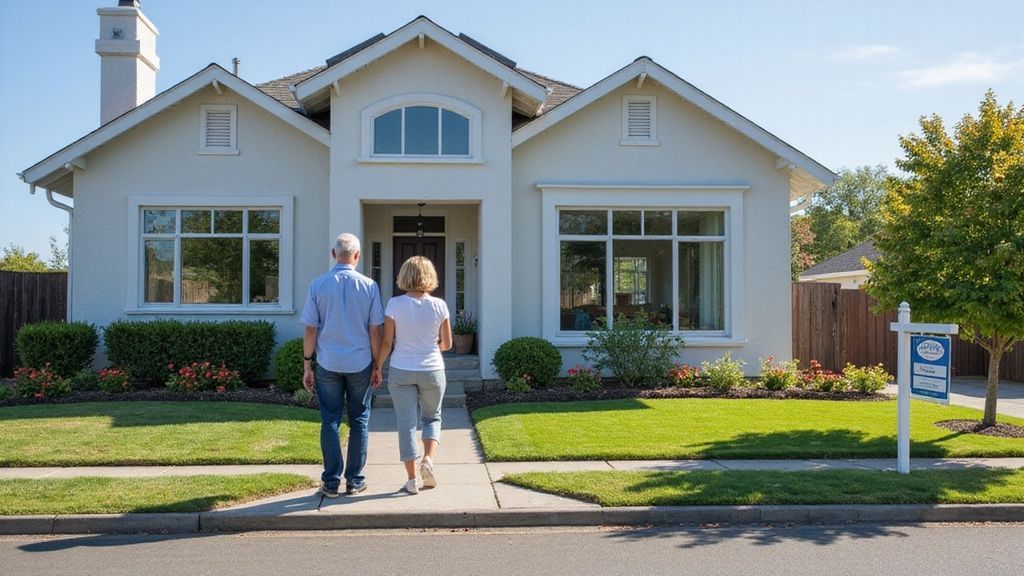

What Factors Determine What You Can List My House For in Allentown, PA?

Many sellers ask what they can list their house for and expect a single clean answer. In reality, your listing price is shaped by a combination of factors. Understanding each one helps you set a number that is both realistic and competitive.

Location, condition, and timing all play major roles. Let's look at each one closely.

Location Within Allentown, PA

Even within the same city, neighborhood matters enormously. Homes near good schools, parks, or growing commercial areas tend to sell for more. In Allentown, areas near the downtown NIZ district or the Hamilton Street corridor have seen rising buyer interest in recent years.

Proximity to highways, public transit, and shopping also affects value. A home that is five minutes from everything buyers want will almost always support a higher asking price than a similar home that is more isolated.

Home Size, Condition, and Updates

Square footage is one of the first things buyers notice. More living space generally means more value, but condition matters just as much as size. A smaller, well-maintained home can outsell a larger one that needs major repairs.

Consider these key condition factors:

  • Age and condition of the roof
  • HVAC system age and function
  • Kitchen and bathroom updates
  • Flooring condition throughout the home
  • Curb appeal and exterior condition

Even small updates, like fresh paint or new fixtures, can give your home's valuation a meaningful boost. Buyers form strong first impressions quickly, and those impressions affect what they are willing to offer.

Current Allentown Housing Market Conditions

The Allentown housing market shifts with broader economic trends. Interest rates, inventory levels, and buyer demand all change throughout the year. When inventory is low and demand is high, sellers can often list closer to the top of their range.

When the market cools down, buyers gain more leverage. Timing your sale strategically can add thousands of dollars to your final sale price. Keeping a close eye on local trends is one of the smartest things you can do as a seller.

Now that you understand the key price factors, let's look at the tools you can use to sharpen your estimate before you decide to list.


How Does a House Price Calculator Help You Find the Right Listing Price?

Online home valuation tools have gotten much better over the last few years. They use public data, recent sales, and property records to give you a quick estimate of your home's worth. These tools are a great starting point for any seller.

That said, no calculator knows your home the way you do. Combining digital tools with expert advice gives you the most accurate picture possible.

How Online Valuation Tools Work

Most house price calculators pull data from public records and recent sales in your ZIP code. They factor in square footage, bedroom and bathroom count, lot size, and sometimes recent sale prices on your street.

They are fast and free to use. Sites like Zillow, Redfin, and Realtor.com all offer some form of automated home valuation. These tools can give you a helpful ballpark for your property listing price within minutes.

The Limitations You Should Know About

Automated tools cannot see inside your home. They do not know about your new kitchen, your finished basement, or the leaky roof you have been putting off. These details can swing your actual value by tens of thousands of dollars.

Use online calculators as a starting point, not a final answer. Think of them the way you would think of a weather forecast. They are useful and generally accurate, but they do not know about the specific storm coming to your street.

How We Can Help Allentown Sellers

Working with a trusted local business in Allentown can make a real difference. We work directly with homeowners to provide honest, fast home valuations based on real local data.

Instead of relying on a generic algorithm, you get a real conversation with someone who knows the Allentown market inside and out. We specialize in helping sellers clearly understand their options without pressure or confusing paperwork.

If you want to know exactly what you can list your house for, or even explore selling directly without listing, reach out today for a no-obligation conversation about your property.

Working with local experts also means you get guidance that a national platform simply cannot provide. The Allentown housing market has its own rhythms, and knowing them can protect your bottom line.

Here are a few more practical steps you can take to sharpen your pricing strategy before you go to market.

Steps to Estimate Your Listing Price With Confidence

  • Research recent sales of similar homes in your ZIP code.
  • Use two or three different online valuation tools and average the results.
  • Walk through your home honestly and note any needed repairs.
  • Talk to a local expert who knows the Allentown market.
  • Set your seller's asking price based on data, not emotion.

Following these steps puts you in a much stronger position when it is time to have the pricing conversation with a buyer or agent.

Understanding what you can list your house for comes down to combining the right data with the right local knowledge. We have helped many Allentown homeowners do exactly that, and the process need not be complicated. With the right support, you can price your home smartly and sell with confidence.

Frequently Asked Questions

How do I figure out what price to list my house for?

Start by researching recent sales of similar homes in your area. Use online home valuation tools as a starting point, then talk to a local expert. In Allentown, working with someone who understands local market conditions gives you a more grounded, data-backed number.

Does listing price affect how quickly my home sells?

Yes, pricing directly affects how fast your home sells. Homes priced at or near real estate market value tend to attract more buyers and sell faster. Overpriced homes often sit on the market longer and may eventually sell for less than a well-priced home would have from the start.

What is a good home valuation tool for Allentown homeowners?

Sites like Zillow and Redfin offer free automated home valuations that are a useful starting point. However, for Allentown sellers, pairing those tools with a local expert gives you a more accurate and reliable picture of your true property listing price.


Mathew Pezon, co-owner of Pezon Properties

About the author

Mathew Pezon

Mathew Pezon is the founder and CEO of Pezon Properties, a cash home buying company located in Lehigh Valley, Pennsylvania. With several years of experience in the real estate industry, Mathew has become a specialist in helping homeowners sell their properties quickly and efficiently. He takes pride in providing a hassle-free, transparent, and fair home buying experience to his clients. Mathew is also an active member of his local community and is passionate about giving back. Through his company, he has contributed to various charities and causes.
By Mathew Pezon August 21, 2026
When a parent can no longer live independently, families may need to make several important care, housing, and financial decisions simultaneously. Selling a house to pay for assisted living is one of the most important financial decisions a family can make, and the pressure to get it right is real. Most families in Palmer Township , PA, have never done this before. The care decisions alone are overwhelming. Add in a property to sell and legal questions, and it becomes a lot to handle at once. Understanding the full picture before you act can save you time, money, and unnecessary stress. At Pezon Properties, we speak with families who are considering selling a parent’s home to help cover assisted-living expenses. We understand that the decision involves more than the property because care needs, legal authority, finances, and family concerns may all need to be addressed together. What Does It Actually Cost to Move a Parent Into Assisted Living? Before you think about selling anything, you need to know what you are actually paying for. Senior care costs vary widely depending on the level of care your parent needs, the facility they choose, and how long they will need support. Understanding the Tiers of Senior Care Not all elder care is the same. There is a meaningful difference between standard assisted living and a memory care facility, which provides specialized support for people living with Alzheimer's or dementia. Memory care facilities typically cost more because of the higher staff-to-resident ratio and the secure environment they maintain. Assisted-living costs vary considerably by community, apartment type, location, and level of support. Families should request a written fee schedule from each facility showing the base rate, care-level charges, medication-management fees, deposits, and other recurring costs. What Medicare and Medicaid Actually Cover Many families assume Medicare will handle most of the bill. It will not. Medicare does not cover ongoing assisted living or custodial care. Medicare may cover qualifying short-term skilled nursing care when the patient meets Medicare’s medical, admission, and facility requirements. It generally does not pay for long-term custodial care or the ongoing cost of living in an assisted-living community. Pennsylvania Medical Assistance may cover qualifying nursing-facility care and certain home- and community-based long-term services. It does not necessarily pay every charge imposed by an assisted-living or personal-care community, so families should confirm coverage with the facility and the County Assistance Office before relying on Medicaid. Estimating How Long Funding Needs to Last This is the part families often underestimate. The length of an assisted-living stay is difficult to predict. Families may want to model several scenarios based on the parent’s health, expected care needs, available income, and the facility’s projected rate increases. When you add it all up, the total funding needed can easily exceed $100,000. That is why the family home, often a family's largest asset, becomes the centerpiece of the financial plan.
By Mathew Pezon August 20, 2026
Falling behind on property taxes is more common than most homeowners realize, and the consequences can feel overwhelming fast. If you are trying to sell a house with back taxes owed in Pennsylvania, understanding exactly how the state's tax collection process works puts you in a much stronger position to protect your home and your finances. Pennsylvania uses a detailed statutory process for collecting delinquent real estate taxes and conducting tax sales. Each county follows a specific legal timeline, and missing key deadlines along the way can cost you options you did not even know you had. How Does Pennsylvania Handle Delinquent Property Taxes? Pennsylvania handles unpaid property taxes at the county level through the Tax Claim Bureau. Delinquent real estate taxes are generally administered at the county level through a Tax Claim Bureau or its authorized collection agent. The First Year: Municipal Tax Collectors In the first year a tax goes unpaid, the local school district or municipality is responsible for collecting it. They will send notices, add interest, and may add penalty fees to your balance. This stage is your earliest warning sign and the easiest point at which to resolve the debt before things escalate. If the tax still goes unpaid by the end of that year, the local collector turns the account over to the county tax claim bureau. Once that transfer happens, the rules change, and the process moves into a different gear. What the Tax Claim Bureau Does Next Once taxes become delinquent and are returned to the Tax Claim Bureau, the unpaid tax claim remains attached to the property and generally must be addressed before clear title can be transferred. A lien is a legal claim against the property. It attaches to the title, meaning you cannot sell or refinance the home without addressing it first. Pennsylvania law imposes several notice requirements before an upset sale, which may include publication, mailed notice, posting the property, and additional notification efforts when earlier attempts are unsuccessful. The exact requirements depend on the stage of the proceeding and the facts of the case. How Interest and Fees Add Up Every month, the debt sits unpaid, and interest accumulates on the original tax amount. The bureau also charges fees for filing, recording, and sending notices. A debt that started as a few thousand dollars can grow significantly over two or three years. Homeowners in Lehigh and Northampton counties, including Bethlehem Township and surrounding communities, often find that their total balance is much higher than expected once fees are factored in.
By Mathew Pezon August 19, 2026
My house didn't sell, what now? If you're sitting with that question after watching your listing expire, you're not alone. Listings in Allentown, PA, often expire for many reasons, leaving sellers unsure about what prevented the property from selling. Understanding the real reasons a listing expires is the first step toward making a smarter decision about your next move. An expired MLS listing doesn't mean your home is unsellable. It means something about the approach didn't connect with buyers during that time window. Price, presentation, marketing, and market conditions all play a role. Sometimes just one of these factors is enough to sink an otherwise solid listing. At Pezon Properties, we often speak with Allentown homeowners whose listings expired, even though they believed they had priced and prepared their homes correctly, to explore alternatives after a traditional listing did not work out. Why Do So Many Homes Sit on the Market Without Selling? Buyer activity in Allentown can be strong, but pricing, property condition, location, and current market conditions all affect how quickly an individual home attracts interest. When a home lingers, it's usually a signal that buyers noticed something they didn't like, or simply never noticed the home at all. Days on market is one of the most telling numbers in real estate because buyers pay attention to it. The longer a home sits , the more skeptical buyers become. Buyer Psychology and the Stigma of a Stale Listing As a listing accumulates more days on the market than comparable nearby homes, some buyers may begin wondering why it has not sold. Even if the home is in great shape, that perception can make it harder to generate fresh interest unless the price, presentation, or marketing strategy changes. Buyers assume other buyers already passed on it for a reason, and that assumption quietly poisons every showing that follows. Timing and Seasonal Market Shifts The time of year matters more than most sellers realize. Listing in late fall or early winter often means fewer buyers are actively searching, which naturally reduces offer activity. In Emmaus , buyer activity often increases during spring and early summer, although mortgage rates, inventory, pricing, and neighborhood-level demand can affect the best time to list. A listing that hits the market at the wrong time may expire simply because the pool of ready buyers is too small, not because the home has any real problems. Condition Issues That Buyers Can't Overlook Deferred maintenance, outdated systems, or cosmetic problems can stop a sale before it starts. Buyers in today's market have options, and most won't stretch their budget on a home that needs immediate work unless the price reflects those costs honestly. Small issues, like a leaky faucet or peeling paint, can signal to buyers that larger problems may be hiding beneath the surface.
By Mathew Pezon August 18, 2026
Selling a house as-is in PA opens the door to a very different group of buyers than a traditional home sale does. Most of these buyers are not looking for a move-in-ready property. They are investors, companies, and individuals who see value in homes that need work and are willing to pay cash to get them. Knowing who these buyers are and how they think about pricing helps you evaluate any offer you receive with clear eyes. What Types of Buyers Purchase As-Is Homes in Pennsylvania? Not every buyer who is willing to take a property in its current condition works the same way. The three most common types of as-is buyers in Pennsylvania each bring a different approach, timeline, and way of determining price. Individual Real Estate Investors Individual investors, sometimes called fix-and-flip buyers, purchase homes with the intention of renovating and reselling them for a profit. They are active across Pennsylvania, including markets such as Allentown, Reading, Bethlehem, and Philadelphia. These buyers typically use their own capital or private financing, which means they can move without delays in the mortgage approval process. Their offers are shaped entirely by the numbers. They look at what the home will be worth after repairs, subtract the cost of those repairs, and then subtract their desired profit margin. What remains is roughly what they are willing to pay. This formula can feel cold, but it reflects the real financial risk they are absorbing when they buy a home in unknown condition. iBuyers and Institutional Platforms iBuyers are technology-driven companies that generate automated offers based on market data algorithms. They tend to favor homes in relatively good shape, located in larger metro areas where they can process volume efficiently. While some Pennsylvania cities fall within their service zones, iBuyers rarely pursue properties with significant structural issues, deferred maintenance, or major systems requiring replacement. If your home qualifies, an iBuyer may move quickly, but their service fees can be substantial, sometimes reaching five to eight percent of the sale price on top of any repair credits they request. That can reduce your net proceeds more than you might expect. Local Cash Home Buying Companies Local cash home buyers like Pezon Properties are a third category. We focus specifically on homeowners who need to sell without making repairs, dealing with agents, or waiting through a lengthy closing process. We buy homes in any condition , which means the property does not have to be cleaned out, updated, or inspected for loan approval. A local cash buyer like us is often the most practical option for sellers facing inherited properties, code violations, tax liens, or structural damage that would stop a financed buyer in their tracks.
By Mathew Pezon August 17, 2026
Selling a house with a bad roof is one of the most challenging situations a homeowner in Pennsylvania can face. A damaged or leaking roof does not just create headaches during the sale process. It directly shapes what an appraiser puts on paper as your home's official value, and that number has real consequences for every offer you receive. Roof problems are the most common deal-killing repair issue in residential real estate, and in markets like Allentown, PA, where older housing stock is common, the risk is even higher. Understanding how appraisers treat roof damage, homeowner’s insurance while selling your home, and what that means for your bottom line puts you in a stronger position before you list. How Do Appraisers Factor in Roof Condition When Estimating Home Value? The home appraisal process is more structured than most sellers expect. An appraiser does not simply walk through and form a general impression. They follow specific guidelines, document observable conditions, and apply adjustments to the final number based on their findings. What Appraisers Look for During a Roof Inspection When an appraiser visits your property, they assess the roof's overall condition, remaining useful life, and any visible signs of failure. They look for missing or curling shingles, sagging areas, dark staining on interior ceilings, and moisture in the attic. These are not just cosmetic notes. Each finding can trigger a condition rating that affects the final appraised value. Most appraisers use a rating scale ranging from excellent to poor. A roof rated in poor or fair condition is flagged in the report, which signals risk to lenders and buyers alike. In many cases, a conventional lender will not approve a loan on a home with a roof in failing condition unless repairs are made before closing. How Comparable Sales Are Used to Adjust for Roof Damage Appraisers rely heavily on comparable sales, which are recent nearby sales of similar homes, to anchor your property's value. When your home has a damaged roof and those comparable homes do not, the appraiser makes a negative adjustment to your value. That adjustment reflects the estimated cost to bring your home to the same standard as the comparables. If comparable homes sold with functional roofs and yours needs replacement, the appraiser may deduct the estimated cost of a new roof, and sometimes more, to account for the added risk. In Pennsylvania, a full roof replacement for an average home can range from several thousand dollars to well over fifteen thousand, depending on the home's size and materials.
By Mathew Pezon August 14, 2026
Selling a house with mold or hidden water damage is one of the most stressful situations a homeowner can face when preparing to sell. Water problems that go unnoticed can derail a deal at the worst possible moment, often right before closing. Knowing what buyers and inspectors will look for gives you a real advantage before you ever list your home. What Are the Most Common Signs of Water Damage in a House? Water damage rarely announces itself. Most of the time, it quietly spreads behind walls, under floors, and above ceilings long before anyone notices something is wrong. By the time visible signs appear, the damage may already be extensive. Water Stains and Discoloration Water stains on ceilings are one of the first things a buyer will notice during a walkthrough. These stains typically show up as yellow, brown, or rust-colored rings on drywall or plaster. They may look small on the surface, but they almost always point to a larger moisture problem above. Staining on walls near windows or along baseboards can signal that water is entering from outside. Peeling paint, bubbling wallpaper, or soft spots in the drywall are also warning signs that moisture has been sitting behind a surface for some time. Musty Odors That Will Not Go Away A musty smell in the house is one of the clearest indicators of mold or mildew growth. This odor is caused by microbial volatile organic compounds, which are gases released as mold colonies grow and feed on damp materials. If a room smells damp or earthy even after cleaning, there is likely an active moisture source nearby. Buyers and their agents notice odors immediately when they walk through a home. A lingering musty smell will raise questions that a seller may not want to answer without a full inspection already in hand. Warped or Buckled Flooring Hardwood floors that cup, buckle, or feel soft underfoot have almost always been exposed to moisture. Laminate flooring can swell at the seams. Even tile can crack or lift if water has seeped beneath the subfloor. These are issues a buyer's inspector will document in detail. Flooring problems caused by moisture behind walls or beneath the slab are expensive to fix and will almost certainly show up in a formal inspection report.
By Mathew Pezon August 13, 2026
When a house fails inspection and the buyer backs out, your entire sale can unravel in a matter of days. That feeling of losing a deal you thought was done is genuinely disorienting, especially when you did everything right as a seller. Here in Northampton , PA, this situation happens more often than most homeowners expect. Understanding exactly why it occurred and what your options look like from here can help you move forward with a clear head instead of a spinning one. Why Did the Buyer Back Out After the Home Inspection? Most buyers do not walk away on a whim. Their ability to walk away from the deal is almost always tied to a specific clause in the purchase agreement called an inspection contingency. What an Inspection Contingency Actually Means An inspection contingency is a legal provision included in most real estate contracts. It gives the buyer a set window of time, usually several days after an accepted offer, to have the property professionally inspected. If the inspection reveals problems that the buyer is unwilling to accept, they can cancel the contract and walk away without losing their deposit. This contingency exists because buyers are purchasing something they cannot fully see or evaluate on their own. A licensed inspector goes through the home systematically, checking everything from the roof to the foundation, and documents what they find. If the findings are serious enough, the contingency gives the buyer an exit. How the Contract Language Controls the Outcome Not all inspection contingencies are written the same way. Some contracts allow a buyer to walk away for any reason discovered during the inspection. Others require the buyer to submit a formal repair request first, giving the seller a chance to respond before the buyer can legally exit. If your contract required a repair negotiation step and the buyer skipped it, that could affect their right to the deposit. However, if the contingency was broadly written, the buyer may have had full legal authority to cancel without requesting any repairs at all. Reviewing the exact contract language with a real estate attorney in Pennsylvania is always a smart first step after a deal falls apart. The Role of the Inspector's Report Buyers share inspection reports with their agents, their lenders, and sometimes their attorneys. Once a report is in hand, it becomes a negotiating document. Some buyers use it to ask for price reductions or repair credits. Others use it as a reason to exit entirely, especially when the report contains language like "immediate safety concern", "structural issues", or "system failure". A report with multiple serious findings can be enough to shake a buyer's confidence, even if many of the items are routine maintenance. The way findings are written and how the buyer's agent frames the conversation both play a role in whether a deal survives or collapses.
By Mathew Pezon August 12, 2026
How much will I actually get when I sell my house? It is one of the first questions every Pennsylvania homeowner asks, and the honest answer depends on more than just your sale price. Agent commissions alone can quietly take a large bite out of what you expected to walk away with at closing. Most sellers focus on the number their home is listed for. That makes sense. But the figure that actually lands in your bank account, called your net proceeds, is a different number entirely. Understanding the gap between gross sale price and net proceeds is the most important financial step you can take before signing a listing agreement. How Much Do Real Estate Commissions Actually Cost PA Sellers? Real estate agent fees have long been the largest single expense a seller faces in a traditional home sale. For decades, the standard total commission hovered around 5 to 6 percent of the final sale price, split between the listing agent and the buyer's agent. What a Standard Commission Looks Like on an Allentown Home Allentown, PA, home values vary by neighborhood, but consider a home that sells for $250,000. At a 5 percent total commission, that is $12,500 paid directly from your proceeds at closing. At 6 percent, that figure rises to $15,000. Neither of those amounts is a small line item. On a $350,000 sale, which is within reach for many updated homes in the Lehigh Valley area, a 6 percent commission totals $21,000. That is money that leaves your pocket before you pay off your mortgage balance, cover transfer taxes, or handle any other seller closing costs. How Commission Rates Are Structured The total commission is almost always split, with one portion going to the listing agent and another going to the buyer's agent. The listing agent is the professional you hire to market and sell your home. The buyer's agent represents the buyer. Sellers typically negotiate the listing agent commission directly, while the buyer's agent portion has historically been set by seller agreement as well. A new landscape around buyer's agent compensation has emerged following recent legal settlements in the real estate industry. Sellers should now discuss buyer's agent fees more openly with their agent before signing anything. What you agree to in the listing contract shapes your final payout. Are Commission Rates Negotiable in Pennsylvania? Commission rates are negotiable in Pennsylvania, though many agents start at their standard rate. Discount brokers may offer lower listing agent commissions, sometimes around 1 to 2 percent, but this often comes with reduced marketing support or fewer services. Every percentage point matters. On a $275,000 sale, shaving just one percent off the total commission saves you $2,750 at the closing table.
By Mathew Pezon August 11, 2026
Seller closing costs in Pennsylvania carry more weight than most homeowners expect, and agent commissions sit at the top of that list. For many sellers in Allentown, PA, and across the state, the commission paid to real estate agents is often the single largest expense at the closing table, eclipsing transfer taxes, title fees, and every other line item combined. How Do Real Estate Commissions Work for PA Home Sellers? Real estate commissions are fees paid to the agents involved in a home sale. A seller usually negotiates compensation with the listing brokerage. A seller may also agree to contribute toward the buyer’s brokerage costs, but that contribution is optional and negotiable, and it should be documented separately. The Traditional Commission Structure Historically, some listing agreements provided for the listing broker to share compensation with a cooperating broker. Current compensation arrangements may be structured differently and must be stated clearly in the applicable written agreements. The seller never had to write a separate check. The fees were simply deducted from the sale proceeds before any money reached the seller's hands. If your home sold for $300,000 and the agreed commission was 5%, you would see $15,000 leave your proceeds before calculating the seller’s final net proceeds. That math hasn't changed, even if the rules around who can require what are shifting. What the Listing Agent Actually Does Your listing agent earns their portion by preparing your home for market, setting a competitive price, coordinating showings, managing offers, and guiding you through the contract process. Sellers should review the listing agreement carefully to understand which services are included, such as pricing advice, photography, marketing, showings, negotiation, transaction coordination, and communication. What Happens to the Buyer's Agent Fee Until recently, the seller almost automatically covered the buyer agent compensation as well. The idea was that sellers benefit from attracting more buyers, and buyers are more likely to work with an agent if the other side is already paying that agent. That assumption is now being challenged.
By Mathew Pezon August 10, 2026
Updating a property deed sounds simple, but who pays the Pennsylvania realty transfer tax is a question that catches many homeowners completely off guard. Whether you are adding a spouse after a wedding, removing an ex-partner after a divorce, or correcting an ownership mistake, the state of Pennsylvania may or may not require you to pay a transfer tax, and the difference comes down to a few specific legal details. Pennsylvania generally imposes a 1% state realty transfer tax, and the applicable municipality imposes a separate local tax. On top of that, most counties and municipalities add their own local portion, which, for taxable transfers within the City of Allentown, results in a combined rate of 2.5%: a 1% Pennsylvania tax and a 1.5% Allentown tax. In Allentown, PA, that combined rate can add a meaningful cost to what feels like a simple paperwork update. Knowing the exemptions ahead of time can save you hundreds or even thousands of dollars. Do You Owe PA Realty Transfer Tax When Adding a Spouse to Your Deed? Adding a spouse to your home's deed is one of the most common reasons homeowners update their property title. The good news is that Pennsylvania law includes a clear exemption for this situation in many cases. The Spousal Exemption Explained Under Pennsylvania's Realty Transfer Tax Act, transfers between spouses are generally exempt from the realty transfer tax. This means if you are legally married and want to add your spouse's name to the deed, the transfer may qualify for the spousal exemption when the statutory requirements are satisfied and properly documented. If the transfer involves any buyout, loan payoff, or other financial exchange, the tax calculation changes. To claim this exemption, you will need to file the correct paperwork with your county recorder of deeds. Most counties require a completed Statement of Value form that explains the nature of the transfer and why it qualifies for exemption. Without this form, the recorder's office may assess the tax automatically. What Counts as a Qualifying Spousal Transfer The exemption applies to current legal spouses, not domestic partners or fiancés. If you are not yet legally married at the time of the transfer, the exemption will not apply, and you may owe the full tax based on the property's assessed value. It is also worth noting that the exemption covers adding a spouse with no consideration, meaning no payment is exchanged. If the transfer involves any buyout, loan payoff, or other financial exchange, the tax calculation changes. A real estate attorney can help you properly document the transfer so the exemption is not later challenged. Filing the Deed Correctly in Pennsylvania The Pennsylvania deed recording process requires that the deed be signed before a notary, submitted to the county recorder of deeds, and accompanied by the appropriate cover sheets and exemption forms. In Catasauqua and surrounding areas, the recorder's office has specific formatting requirements that must be met before a deed is accepted. Getting the paperwork right the first time avoids delays and unnecessary fees.