Closing Costs Breakdown: Buyer Fees Explained for First-Time Home Buyers
If you are about to buy your first home, the Closing Costs Breakdown Buyer Fees Explained in this article will save you from expensive surprises at the closing table. By the end, you will know exactly what you owe, why you owe it, and how to prepare for every dollar.
Buying a home is exciting. But many first-time buyers focus only on the down payment and forget about closing costs entirely. Then they get a document called a Closing Disclosure, a few days before closing, and feel overwhelmed. That does not have to happen to you.
What Are Closing Costs and Why Do Buyers Have to Pay Them?
Closing costs are the fees and expenses you pay to finalize a home purchase. They are separate from your down payment. Think of them as the price of doing business in a real estate transaction.
These costs arise because many parties are involved in a single home sale. Lenders, title companies, attorneys, appraisers, and local governments all play a role. Each one charges a fee for their part of the work.
Where Do Closing Costs Come From?
Real estate transaction costs come from three main sources. First, your lender charges fees to process and approve your loan. Second, third-party service providers, such as title companies and appraisers, charge for their services. Third, your local government collects taxes and recording fees.
In Reading, PA, buyers also deal with Pennsylvania-specific transfer taxes. These are split between the buyer and the seller, but they still affect your total settlement fees. Knowing who charges what helps you ask the right questions before closing day.
What Is a Loan Estimate?
When you apply for a mortgage, your lender must provide you with a Loan Estimate within 3 business days. This document breaks down every expected cost in a clear format. It is your first chance to review your home purchase expenses before they become final.
Read it carefully. Compare it to estimates from other lenders. Small differences in loan origination charges can add up to hundreds of dollars over time.
What Is a Closing Disclosure?
Three business days before closing, your lender sends a Closing Disclosure. This document shows the final numbers for every fee. It should closely match your Loan Estimate.
If something looks very different, ask your lender to explain the change right away. You have the right to understand every line before you sign anything.
What Fees Are Included in a Typical Closing Costs Breakdown?
A complete closing cost breakdown with buyer fees clearly explained will include charges in several categories. Some fees go to your lender. Others go to third parties. And some go straight to the government.
Here is a breakdown of the most common fees you will see.
Lender Fees
Lender fees cover the cost of creating and processing your mortgage. The most common ones include:
- Loan origination charges: These are the fees the lender charges to set up your loan. It is usually 0.5% to 1% of the loan amount.
- Application fee: Some lenders charge this upfront when you apply.
- Underwriting fee: This covers the cost of reviewing and approving your loan file.
- Rate lock fee: Some lenders charge a fee to lock in your interest rate while you wait to close.
Always ask your lender for a full list of their fees. Some lenders bundle them. Others list each one separately.
Third-Party Fees
Third-party fees are paid to companies other than your lender. These are real estate transaction costs that cover important services:
- Appraisal fee: A licensed appraiser visits the home and sets its market value. This usually costs between $400 and $700.
- Title search fee: A title company searches public records to make sure the seller legally owns the home.
- Title insurance: This protects you and your lender if a title issue arises after closing.
- Home inspection: You hire an inspector to assess the property's condition. This is optional but strongly recommended.
- Attorney fee: In Pennsylvania, many buyers hire a real estate attorney to review documents at closing.
These third-party services protect you. Do not skip them to save money. The cost of skipping them could be far higher later.
Government and Prepaid Fees
Government fees and prepaid housing costs are often the most confusing part of closing. Here is what they include:
- Recording fee: Your local government charges this to record the new deed and mortgage in public records.
- Transfer taxes: In Pennsylvania, the transfer tax is 2% of the sale price, split between buyer and seller.
- Prepaid property taxes: You may need to pay several months of property taxes upfront into an escrow account.
- Prepaid homeowners insurance: Lenders require you to pay the first year of insurance before closing.
- Prepaid interest: You pay interest from your closing date to the end of that month.
Prepaid housing costs are not junk fees. They are real expenses that protect both you and your lender going forward.
How Much Should a Home Buyer Budget for Closing Costs?
Now that you know the fees, you need a number to work with. Most buyers in Lititz, PA pay between 2% and 5% of the home's purchase price in total settlement fees. On a $250,000 home, that means $5,000 to $12,500 in closing costs.
That is a wide range, but your final number depends on your loan type, lender, and the specific services required. Government-backed loans like FHA, VA, and USDA loans each have their own rules about which fees apply.
How to Reduce Your Closing Costs
There are real ways to lower your home purchase expenses before closing day. You do not have to accept every fee as fixed.
Shop around for third-party services. You have the right to choose your own title company, attorney, and inspector.
Ask the seller to contribute. In some deals, the seller agrees to pay a portion of your closing costs. This is called a seller concession.
Compare loan offers from multiple lenders. Loan origination charges vary widely between lenders.
Ask about lender credits. Some lenders offer to cover part of your costs in exchange for a slightly higher interest rate.
Each of these steps requires a little effort, but they can save you thousands of dollars.
What We Can Do for You
Working with a knowledgeable buyer's agent makes the breakdown of closing costs and the process of explaining buyer fees much less stressful. We help first-time home buyers in Allentown understand every fee they will face before they sign anything. Our team has helped hundreds of local buyers navigate their home purchase expenses without surprises.
When you work with us, you get plain-language guidance from people who know the Allentown market inside and out. Reach out to our team today to start your home-buying journey on solid ground.
How to Plan Your Closing Cost Budget
Follow these steps to build a solid budget before you go under contract:
- Get a Loan Estimate from at least two lenders and compare them side by side.
- Add 10% to 15% as a buffer for unexpected costs that come up before closing.
- Ask your real estate agent to estimate transfer taxes and recording fees for your specific transaction.
- Set the money aside in a separate savings account so it is ready when closing day arrives.
- Review your Closing Disclosure carefully when it arrives three days before closing.
- Planning is the single best thing you can do to stay calm and in control on closing day.
Now that you understand how real estate transaction costs are structured, you can walk into closing with confidence instead of confusion. The fees may still feel like a lot, but none of them should be a mystery. Every line on your Closing Disclosure has a reason behind it, and now you know what those reasons are.
A full closing costs breakdown with buyer fees explained from start to finish gives you the power to ask smart questions, compare options, and budget the right way. First-time buyers in Allentown who take the time to learn this process close with fewer surprises and more confidence. We are here to help you every step of the way.
Frequently Asked Questions
How much are closing costs for a buyer in Pennsylvania?
Most buyers in Pennsylvania pay between 2% and 5% of the purchase price in closing costs. On a $250,000 home, that is roughly $5,000 to $12,500. Pennsylvania's 2% transfer tax, split between buyer and seller, is one of the largest settlement fees in the state.
Can a first-time home buyer ask the seller to pay closing costs?
Yes, a buyer can negotiate for the seller to cover some or all of their closing costs. This is called a seller concession. However, lenders often cap how much the seller can contribute depending on your loan type, so ask your lender about the limits before you make an offer.
What is the difference between closing costs and a down payment?
A down payment is the portion of the home's price you pay out of pocket upfront. Closing costs are the separate fees you pay to finalize the loan and transfer ownership. Both are due at closing, but they come from different buckets and serve very different purposes.
About the author
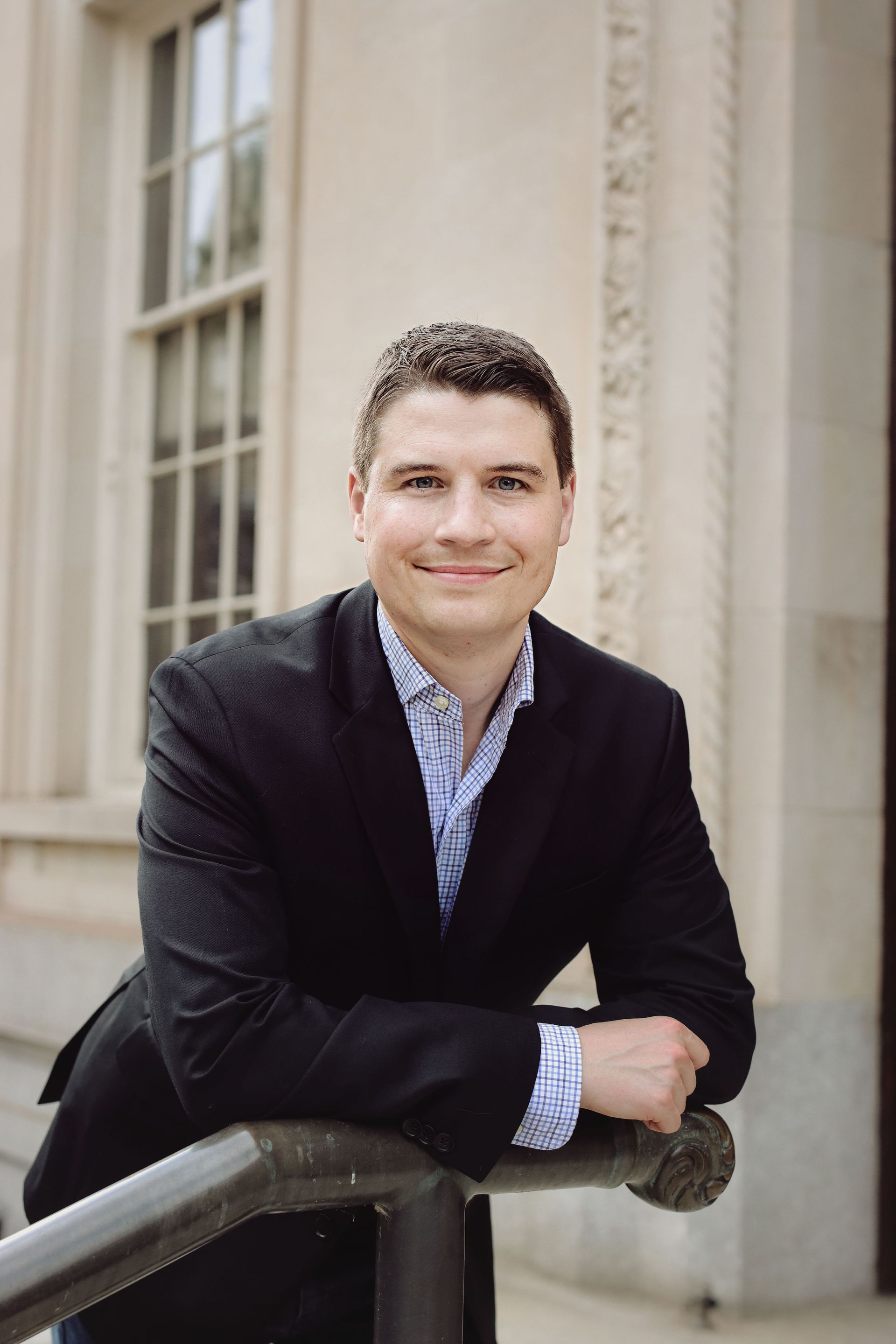
Mathew Pezon
Mathew Pezon is the founder and CEO of Pezon Properties, a cash home buying company located in Lehigh Valley, Pennsylvania. With several years of experience in the real estate industry, Mathew has become a specialist in helping homeowners sell their properties quickly and efficiently. He takes pride in providing a hassle-free, transparent, and fair home buying experience to his clients. Mathew is also an active member of his local community and is passionate about giving back. Through his company, he has contributed to various charities and causes.