Should I Buy a House in 2026? What the Market Is Telling You Right Now

Mathew Pezon • June 25, 2026

If you are asking whether you should buy a house in 2026, you are not alone. Buyers across the country, including many right here in Plainfield Township, PA, are watching the market closely and wondering if now is the right time to make a move. This article breaks down what current housing data is telling us so you can make a confident, informed decision.

The short answer is: it depends on your situation. But the longer answer requires a look at mortgage rates, home prices, and available inventory. We will walk you through each piece so you understand exactly what you are stepping into before you sign anything.

Is the 2026 Housing Market a Good Time to Buy a Home?

The housing market forecast for 2026 is cautiously optimistic for buyers. Conditions have shifted meaningfully compared to the frenzy of 2021 and 2022. That does not mean it is easy, but it does mean you have more breathing room than buyers did a few years ago.

What Shifted After the Rate Spike Years

Between 2022 and 2024, rapidly rising mortgage rates significantly slowed buyer demand. Many would-be buyers stepped back and waited. That created a pause in the market, and some of that pressure has started to ease heading into 2026. Buyer demand is picking back up in many regions, but it has not reached the frenzied levels of previous years.

In markets like Allentown, PA, that shift means you may have a better chance of getting an offer accepted without a bidding war. Sellers have become more realistic about pricing. Inspection contingencies are back on the table in many deals. That represents a real change from where things stood just a few years back.

How Inventory Levels Are Affecting Your Options

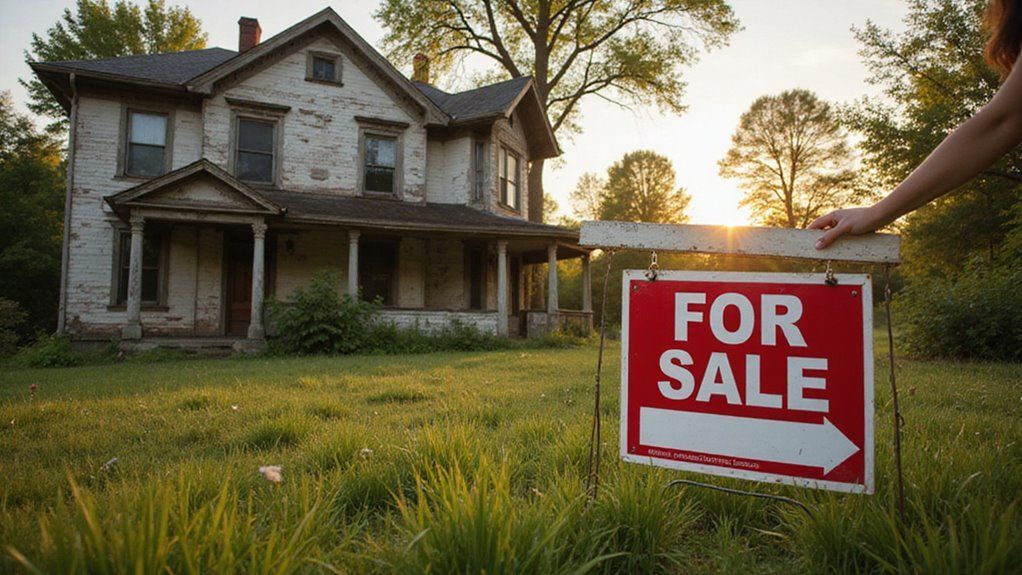
Real estate inventory remains one of the biggest factors shaping whether 2026 is a good year to buy. Nationally, inventory is still below long-term historical averages. Many homeowners locked into low rates from 2020 and 2021 are reluctant to sell and take on a higher rate for their next purchase. This is often called the "lock-in effect," and it continues to limit the number of homes available.

In practical terms, that means you will likely have fewer choices than you would in a more balanced market. Moving fast when you find the right property still matters. Working with a buyer's agent who knows your local market well is not optional; it is essential.

Is Waiting Until 2027 a Better Strategy?

Some buyers are considering waiting another year to see whether rates drop further or more homes come to market. That approach carries its own risks. If rates do fall, more buyers will re-enter the market quickly. That typically pushes prices up and brings back competition. Waiting for the "perfect" moment often means competing against more buyers later.

The best time to buy is usually when your finances are ready, your life circumstances call for it, and you have done your research. For many people reading this in 2026, that window is now.

What Are Mortgage Rates Doing in 2026 and How Does That Affect You?

Mortgage rates are the single biggest factor in what you can actually afford. Even a half-point difference in your rate can change your monthly payment by hundreds of dollars. Understanding mortgage rate trends in 2026 helps you plan more accurately.

Where Rates Stand Right Now

As of mid 2026, the 30-year fixed mortgage rate has been fluctuating in the mid-to-upper 6 percent range for many borrowers. That is lower than the peaks seen in late 2023, but still well above the historic lows of 2020 and 2021. Rates are sensitive to Federal Reserve decisions, inflation data, and broader economic signals, all of which continue to shift.

The key takeaway is that rates are not expected to fall dramatically in the near term. Most housing economists project rates staying somewhere between 6 and 7 percent through much of 2026. That range still allows for affordable purchases, especially when paired with a solid down payment and good credit.

How Your Credit Score and Loan Type Change the Picture

Your individual rate will vary based on factors within your control. A credit score above 740 typically unlocks the best available rates from lenders. The type of loan you choose, whether that is a conventional loan, an FHA loan, or a VA loan, also affects your rate and down payment requirements.

FHA loans are particularly useful for first-time buyers in markets like Scranton, PA, because they allow down payments as low as 3.5 percent. VA loans offer competitive rates with no down payment for qualifying veterans. Knowing which loan type fits your situation can make a significant difference in what you can afford.

Should You Lock In a Rate or Wait for Rates to Drop?

Trying to time the market around mortgage rates is difficult even for professionals. If you are financially ready and have found the right property, locking in your rate makes sense. If rates do drop meaningfully later, refinancing is always an option. The old real estate saying still holds: "Marry the house, date the rate."


Are Home Prices Going Up or Down in 2026?

Home price appreciation has slowed compared to the aggressive gains of 2020 through 2022, but prices have not fallen sharply in most markets. Understanding the price environment helps you set realistic expectations and negotiate more effectively.

National Price Trends vs. Local Reality

Nationally, home prices rose modestly in 2024 and 2025. Most forecasters expect continued but slower price growth in 2026, somewhere in the 2 to 4 percent range in most regions. That kind of growth is more in line with long-term historical averages.

In the Allentown, PA area specifically, the market has remained resilient. Prices have stayed relatively stable, supported by steady local employment and a population that has not swung dramatically in either direction. If you are considering buying here, modest appreciation is more likely than a sharp drop in values.

What Sellers Are Doing Differently Now

Sellers today are adjusting their expectations in ways they were not willing to two years ago. Price reductions on listings have become more common. Days on market have extended. That gives buyers more time to think and more room to negotiate on both price and terms.

At Pezon Properties, we see this firsthand when we work with sellers across the region. The market is more balanced than it was, and that benefits buyers who are patient and well-prepared.

How to Know if a Home Is Priced Fairly

Before making any offer, look at recent comparable sales in the same neighborhood. A buyer's agent can pull this data for you. You are looking for homes of similar size, condition, and location that sold within the last 90 days. If the listing price is significantly above those comps, that is your starting point for a negotiation conversation.

Ready to Make Your Move? Here Is What We Recommend

Whether you are buying your first home or your fifth, preparation makes all the difference. Start by getting pre-approved for a mortgage before you begin searching. That tells you exactly what you can afford and makes your offer more credible to sellers.

Next, get clear on your non-negotiables. How many bedrooms do you need? What neighborhoods fit your lifestyle and commute? What is your true maximum budget, not just the number a lender approves? Having those answers ready saves time and helps you move decisively when the right home comes up.

We also encourage buyers to consider more than just the purchase price. Factor in property taxes, homeowner's insurance, and maintenance costs when you calculate what you can truly afford each month. A mortgage payment you can manage comfortably is far better than one that stretches you thin.

If you also need to sell a home before buying, reach out to us at Pezon Properties. We buy homes directly in the Allentown, PA area and can give you a fair cash offer with no repairs required. That can simplify your timeline and give you more clarity as you plan your next purchase.

The question of whether I should buy a house in 2026 ultimately comes down to my personal readiness, not just market conditions. If your finances are stable and you have found a home that fits your needs at a fair price, 2026 can absolutely be the right year.

Frequently Asked Questions

Is 2026 a good year to buy a house?

For many buyers, 2026 offers more balanced conditions than the highly competitive markets of recent years. Inventory has improved modestly, sellers are more open to negotiation, and while mortgage rates remain elevated, they have pulled back from their recent peaks. Whether it is a good year for you personally depends on your financial readiness and local market conditions.

Will home prices drop in 2026?

Most housing analysts do not expect significant price drops in 2026. Prices are forecast to grow slowly, in the 2 to 4 percent range in most markets. Limited housing supply continues to support prices even as buyer demand has softened from its peak levels.

Should I wait for mortgage rates to go down before buying?

Waiting for rates to drop can mean competing against far more buyers when they do fall, which typically drives prices up. We generally advise buyers to purchase when they are financially ready and to refinance later if rates improve. Locking in a reasonable rate today on the right home often makes more sense than waiting indefinitely for ideal conditions.


Mathew Pezon

About the author

Mathew Pezon

Mathew Pezon is the founder and CEO of Pezon Properties, a cash home buying company located in Lehigh Valley, Pennsylvania. With several years of experience in the real estate industry, Mathew has become a specialist in helping homeowners sell their properties quickly and efficiently. He takes pride in providing a hassle-free, transparent, and fair home buying experience to his clients. Mathew is also an active member of his local community and is passionate about giving back. Through his company, he has contributed to various charities and causes.
By Mathew Pezon June 26, 2026
Before you tour a single home, you need to know what you can actually afford. A house affordability calculator is one of the simplest tools you can use to answer that question clearly and quickly, without guessing or overstretching your budget. In this guide, we walk you through how these calculators work, what numbers you need to enter, and why the results matter, especially for buyers in Hanover Township, PA . Whether you are buying your first home or your fifth, understanding affordability before you shop saves you time, stress, and money. What Does a House Affordability Calculator Actually Measure? A house affordability calculator does more than spit out a home price. It takes a close look at your full financial picture and tells you how much house your income can realistically support each month. It Estimates Your Monthly Payment, Not Just a Purchase Price Most buyers focus only on the listing price of a home. But the number that truly matters is your monthly payment estimate, because that is what hits your bank account every single month for the next 15 or 30 years. A good calculator breaks that monthly number into its parts: Principal and interest on your mortgage loan Property taxes, which vary by county and municipality Homeowner's insurance Private mortgage insurance, or PMI, is required if your down payment is below 20 percent Together, these four items are often called PITI. When you see a calculator output a monthly figure, it is typically adding all four of these costs together. It Applies Lending Guidelines to Your Situation Lenders do not just look at your income in isolation. They look at your debt-to-income ratio, which is the percentage of your gross monthly income that goes toward debt payments. This includes your future mortgage, car loans, student loans, credit card minimums, and any other recurring obligations. Most conventional lenders prefer a debt-to-income ratio at or below 43 percent. Some loan programs, like FHA loans, popular with first-time buyers, allow slightly higher ratios. A house affordability calculator uses this same logic to filter your results and show you a home price range that a lender would likely approve. It Helps You Avoid Overbuying Getting pre-approved for a large loan does not mean you should spend every dollar of it. Being house-rich and cash-poor is a real trap many buyers fall into. Calculators help you find the difference between what you qualify for and what actually fits your lifestyle comfortably. That gap can be surprisingly large.
By Mathew Pezon June 24, 2026
Selling your home starts long before you sign anything. If you want the best outcome, you need to know the real estate agent selection criteria questions that separate a great agent from an average one. This guide gives homeowners in Forks Township, PA a clear, step-by-step interview framework so you can walk into any first meeting with confidence and walk out with the right answers. How Do You Prepare for a Real Estate Agent Interview? Most homeowners show up to a first meeting with a realtor without a plan. That is a mistake. Preparation is what turns a casual conversation into a useful evaluation. When you treat the meeting like a real interview, you get real information. Write Down Your Goals Before You Meet Anyone Before you sit across from any agent, write down what you actually need. Ask yourself: How fast do you need to sell? Do you have a specific price in mind? Are you okay with open houses and strangers walking through your home? Do you need to coordinate your sale with the purchase of another property? Your answers will shape which agent interview tips matter most to you. An agent who is great for someone with six months to sell may be a poor fit for someone who needs to close in 30 days. Research Agents Before the Meeting Do not walk in blind. Look up each agent online before you meet them. Check their recent sales in Allentown. Look at how many homes they closed in the past 12 months and how long those homes sat on the market. Read Google and Zillow reviews carefully. Look for patterns, not just star ratings. Pull together a simple agent comparison checklist. Write each agent's name across the top and leave space to grade them on experience, communication style, local knowledge, and fees. This one tool will save you hours of second-guessing later. Know Your Non-Negotiables Every homeowner has deal-breakers. Maybe you refuse to pay more than 5% in commission. Maybe you need an agent who responds to texts within the hour. Maybe you want someone who has sold homes specifically in your neighborhood, not just somewhere in the Lehigh Valley. Write these down before your first meeting with any realtor. When you know your non-negotiables, you stop wasting time on agents who are not a good fit.
By Mathew Pezon June 23, 2026
What do real estate agents do when a buyer walks through the door ready to find a home? They do a lot more than just open doors and hand over keys. This article walks you through exactly how a buyer's agent searches for properties, schedules showings, and guides clients all the way to a signed purchase agreement. If you have ever wondered whether working with an agent is worth it or are exploring every option available to you as a buyer, this guide will give you a clear picture of what the process actually looks like. And if speed and simplicity are more important to you than the traditional route, we also offer a direct path that skips it altogether. What Do Real Estate Agents Do During a Home Search for Buyers? The home search phase is where buyers spend most of their time. A good buyer's agent acts as your guide, your filter, and your advocate all at once. Understanding this phase helps you decide whether traditional buying is right for your situation. Setting Up Your Home Search Criteria Before any searching begins, your agent sits down with you to build out your home search criteria. This includes your budget, preferred neighborhoods, must-have features, and deal-breakers. In a market like Lehigh Township, PA where neighborhoods vary widely, getting specific early saves a lot of wasted time. Your agent will also ask for your pre-approval letter from a lender. This document tells sellers you are a serious buyer with financing ready to go. Without it, many sellers will not even consider your offer. A skilled agent will not schedule a single showing until you have this in hand. Once the criteria are set, the agent loads your preferences into the MLS (Multiple Listing Service). This is the main database agents use to find available homes. You get automated alerts when new matches hit the market, sometimes hours before they appear on public sites like Zillow.
By Mathew Pezon June 22, 2026
If you want to sell your home quickly, understanding the correct home price for a fast sale is the single most important thing you can do before listing. This article breaks down what fair market value really means, how comparable sales shape your asking price, and why getting the number right from the start can mean the difference between a fast closing and a home that sits on the market for months. What Is Fair Market Value And Why Does It Matter When Selling Your Home? Fair market value is the price a buyer is willing to pay and a seller is willing to accept when both parties have all the information they need, and neither one is under pressure to act. It sounds simple, but many sellers in Allentown miss this concept entirely and end up pricing too high or too low. Getting this number wrong is expensive. Price too high, and buyers ignore your listing. Price too low, and you leave money on the table. The goal is to land on a number that reflects what the market actually supports right now, not what you paid for the home or what a neighbor claims theirs is worth. Why Overpricing Hurts More Than You Think When a home sits on the market too long, buyers start to wonder what is wrong with it. Even if nothing is wrong, a high day count creates doubt. Lenders also pay attention to this. A property in Palmer Township, PA that lingers often leads to lower offers later, which cancels out any advantage you thought you had by starting high. In Allentown, local market conditions shift faster than many sellers expect. What sold well six months ago may not sell as well today. Staying current with your real estate valuation protects you from basing your pricing on outdated information. Why Underpricing Is Not A Safe Strategy Either Some sellers think that pricing low will spark a bidding war. That can happen in a hot market, but it is not guaranteed. In many cases, underpricing simply means you close quickly at a low number with no competing offers to push the price back up. You lose money without gaining any real benefit. A fair market value price gives you the best chance of attracting serious buyers fast while still protecting your financial interest in the sale. How Appraisals Fit Into This Picture A property appraisal is a formal estimate of your home's value done by a licensed professional. Lenders require one before approving a mortgage. If your asking price is far above the appraised value, the buyer's lender may refuse to finance the deal, and the sale falls apart. This is one of the most common reasons home sales collapse even after a buyer says yes. Setting your price close to what an appraiser is likely to confirm keeps your deal on solid ground.
By Mathew Pezon June 19, 2026
What can I list my house for? If you are a homeowner thinking about selling, this is probably the first question on your mind. In this guide, you will learn exactly how listing prices are set, what factors push your number up or down, and how to walk into the market with confidence. Selling a home feels overwhelming at first. But once you understand how pricing works, the process becomes much clearer. Let's break it down step by step so you know what to expect before your home ever hits the market. What Does It Mean to List Your House, and How Is the Price Set? Listing your house in Bethlehem Township, PA means putting it up for sale at a specific asking price. That number is your seller's asking price, the starting point for every negotiation you will have with buyers. Your listing price is not just a guess. It is a number grounded in data, market conditions, and the specific features of your home. Getting it right from the start matters more than most sellers realize. The Difference Between Listing Price and Market Value Your listing price and your real estate market value are related, but not the same thing. Market value is what a willing buyer would pay for your home in the current market. Your listing price is what you decide to ask for. If you list too high, buyers may scroll right past your home. If you list too low, you could leave money on the table. The goal is to land as close to true market value as possible. What Role Does a Real Estate Agent Play? A local agent will often run something called a Comparative Market Analysis, or CMA. This report compares your home to similar homes that have recently sold in your neighborhood. It gives you a data-backed price range for your property listing. Agents who know the Lehighton, PA market well can spot trends that a national algorithm might miss. That local knowledge is one of the most valuable tools a seller can use. Can You Set the Price Yourself? Yes, you can set your own price. But without proper data, most homeowners either overestimate or underestimate their home's value. Using a combination of online tools, professional input, and local market knowledge gives you the best starting point.
By Mathew Pezon June 18, 2026
If you are buying a home, knowing where to find the best mortgage rates can save you thousands of dollars over the life of your loan. This guide breaks down exactly what mortgage rates are, what drives them, and where to start looking so you never leave money on the table. What Are Mortgage Rates and How Do They Work? A mortgage rate is the interest a lender charges you to borrow money for a home. It shows up as a percentage of your loan amount. The lower your rate, the less you pay each month and over the full loan term. Understanding this number is the first step in becoming a smart homebuyer. Many first-time buyers in Emmaus, PA skip this step and end up paying far more than they should. The Difference Between Interest Rate and APR Your loan APR (Annual Percentage Rate) is not the same as your basic interest rate. The interest rate is the cost of borrowing the principal. The APR adds in fees, points, and other lender costs, so it gives you a fuller picture. Always compare APR between lenders, not just the base rate. A loan with a low rate but high fees can cost more than a loan with a slightly higher rate and fewer fees. This is one of the most common mistakes new buyers make. Fixed Rate vs. Adjustable Rate Mortgages A fixed-rate mortgage locks your interest rate for the entire loan term, often 15 or 30 years. Your payment stays the same every single month. This is a popular choice for buyers who want stability and plan to stay in their home long-term. An adjustable rate mortgage, or ARM, starts with a lower rate that can change after a set period. If housing market rates rise, your payment goes up too. For most first-time buyers in Allentown, a fixed-rate mortgage offers the most peace of mind. How Mortgage Payments Are Calculated Your monthly mortgage payment includes principal, interest, property taxes, and insurance. Lenders combine these into one number called PITI. The interest portion of each payment is based on your home loan interest rate and your remaining balance. In the early years of a loan, most of your payment goes toward interest, not principal. Over time, that flips. Knowing this helps you understand why getting a lower rate up front matters so much. Now that you know how mortgage rates work, let's look at what actually controls whether your rate is high or low.
By Mathew Pezon June 17, 2026
First-Time Buyer Down Payment Assistance can be the key that unlocks homeownership for buyers who feel stuck on the sidelines. In this article, you will learn the real difference between grant-based and loan-based programs, what each one costs over time, and how to figure out which option fits your life in Pen Argyl, PA . Buying your first home is exciting. But saving for a down payment while paying rent can feel impossible. The good news is that dozens of programs exist to help bridge that gap. Some give you money outright. Others lend it to you on very favorable terms. Knowing the difference changes everything. What Is the Difference Between a Down Payment Grant and a Down Payment Loan? Not all assistance programs work the same way. Before you apply for anything, you need to understand the two main types of help available to first-time buyers. Down Payment Grants: Free Money With Conditions A housing grant is money you do not have to pay back. It is the most appealing form of assistance for obvious reasons. You receive funds, you close on your home, and that money is simply gone from your obligation list. However, grants almost always come with strings attached. Common conditions include: You must stay in the home for a set number of years, often 3 to 5. You must use the home as your primary residence. Your income must fall below a certain limit, usually tied to the area median income (AMI). You may be required to complete a homebuyer education course. If you sell or refinance before the time limit is up, you may have to repay all or part of the grant. So while the word "free" sounds perfect, it is important to read the fine print. Down Payment Loans: Borrowed Money on Flexible Terms A second mortgage assistance loan works differently. The lender gives you money toward your down payment, and you repay it over time. But these are not regular loans. They are designed to be affordable for buyers with modest incomes. There are two main subtypes. The first is a deferred payment loan. You borrow the money now but do not make payments until you sell, refinance, or pay off your first mortgage. The second is a forgivable loan. If you stay in the home for the required period, usually 5 to 10 years, the balance is forgiven in full. At that point, it functions like a grant.
By Mathew Pezon June 16, 2026
If you are trying to buy a home in Pennsylvania with less-than-perfect credit, understanding the FHA Credit Score Minimum Requirements could change everything for you. This article breaks down exactly what score you need, how local lenders in Allentown and beyond set their own rules, and what practical steps you can take right now. What Is the Minimum Credit Score for an FHA Loan in Pennsylvania? The federal government sets the baseline for FHA loans. Knowing this baseline is your starting point as a buyer. The Two Federal Score Tiers The FHA uses two credit score thresholds that determine how much you can borrow and how much you put down. 580 or higher: You qualify for the minimum 3.5% down payment. This is the most popular option for first-time buyers. 500 to 579: You can still get an FHA loan, but you must put down 10% of the purchase price. Below 500: The FHA will not back the loan, regardless of other factors. These numbers come directly from the U.S. Department of Housing and Urban Development. They represent the federal floor, not a guaranteed approval. What the Score Really Measures Your credit score is a snapshot of how you have handled debt in the past. It looks at your payment history, how much of your available credit you use, how long your accounts have been open, and how often you apply for new credit. A score of 580 may feel low, but it can still open the door to homeownership when you meet other state mortgage requirements and FHA guidelines. Pennsylvania-Specific Baseline Rules Pennsylvania does not add a state-level minimum credit score on top of the FHA baseline. The federal numbers apply statewide, from Philadelphia to Erie to the Lehigh Valley. However, the story does not end there. The lenders you work with in Pennsylvania, including those serving Allentown home buyers, often have their own standards that sit above the federal floor.
By Mathew Pezon June 15, 2026
Using a Monthly Payment Mortgage Calculation Tool can change everything about how you shop for a home. In this article, you will learn exactly how your down payment size affects your monthly mortgage cost, when you can drop private mortgage insurance, and how to test real numbers before you ever make an offer. How Does a Larger Down Payment Lower Your Monthly Mortgage Cost? The math behind your mortgage is simpler than most people think. Every dollar you put down up front is a dollar you never pay interest on. That single fact is why your down payment percentage matters so much over the life of your loan. The Relationship Between Down Payment and Loan Amount When you buy a home, the lender gives you money to cover the gap between the purchase price and what you put down. If you buy a $250,000 home and put down 5%, you borrow $237,500. If you put down 20%, you borrow only $200,000. That $37,500 difference in your loan balance results in a noticeably lower monthly payment and significant mortgage savings over 30 years. Here is a simple breakdown of how the down payment size changes a $250,000 loan at a 7% interest rate: 5% down ($12,500): Monthly payment near $1,581 10% down ($25,000): Monthly payment near $1,497 20% down ($50,000): Monthly payment near $1,331 The difference between 5% and 20% down is roughly $250 per month. Over 30 years, that adds up to about $90,000 in savings. How Upfront Cost Compares to Long-Term Savings Many buyers in Hellertown, PA focus only on the upfront cost of a larger down payment. It feels painful to part with more cash at closing. But when you run the numbers, paying more up front often costs far less in the long run. A larger down payment lowers your monthly interest charges for decades.
By Mathew Pezon June 12, 2026
If you are a first-time home buyer, 3 percent down is often the minimum you need to get started, and this article will walk you through exactly how that works. By the end, you will know what lenders expect, how different loan types compare, and how to figure out which option fits your situation best. Buying your first home can feel overwhelming. But once you understand how down payments work, the process gets much simpler. Let's break it down step by step. What Are the Down Payment Requirements for First-Time Home Buyers? Most first-time buyers in Northampton, PA are surprised to learn that 20 percent down is not required. That number is a myth that has stopped many people from even trying. The real minimum depends on the loan type you choose and the lender's guidelines that apply to your situation. The Basic Rules Most Lenders Follow Lenders set down payment requirements based on risk. The more money you put down, the less risk the lender takes on. That is why buyers who put less down are usually required to pay mortgage insurance, which protects the lender if you stop making payments. Here is a quick look at common minimum down payment options: Conventional loans: as low as 3 percent FHA loans: 3.5 percent minimum VA loans: 0 percent (for eligible veterans) USDA loans: 0 percent (for eligible rural properties) Each loan type has its own rules, income limits, and credit score requirements. Knowing your options gives you real power in the home-buying process. How Your Loan-to-Value Ratio Affects Your Approval Your loan-to-value ratio is the size of your loan compared to the value of the home. If you buy a home worth $200,000 and put $6,000 down (3 percent), your loan amount is $194,000. That gives you a loan-to-value ratio of 97 percent. A higher loan-to-value ratio means more risk for the lender. This is why buyers with lower down payments often face stricter credit score requirements. It is also why mortgage insurance is almost always required when you put down less than 20 percent. Why First-Time Buyers Often Have Less Saved Saving for a home while paying rent is genuinely hard. Many first-time buyers have solid incomes but have not had years to build up savings. Lenders understand this, which is why low-down-payment programs exist in the first place. The good news is that many of these programs also allow gift funds from family members. Some programs even allow grants that do not need to be repaid. Ask your lender about all the sources that count toward your down payment.