Bethlehem, PA Property Left Vacant for Over a Year: Selling for Cash Without Further Decline
If you own a vacant property in Bethlehem that has been sitting empty, you already know the weight of it. The insurance bills keep coming. The neighbors call. The city may have sent notices. Somewhere underneath all of that is a real question: will anyone still buy a house that looks like this?
The short answer is yes, but the details matter. Vacancy changes how a cash buyer evaluates a home, what they are willing to pay, and what you should do (and avoid doing) before the sale closes. Understanding those differences puts you in a much stronger position than walking in blind.
Why Does Vacancy Time Affect a Cash Offer on a Bethlehem, PA Home?
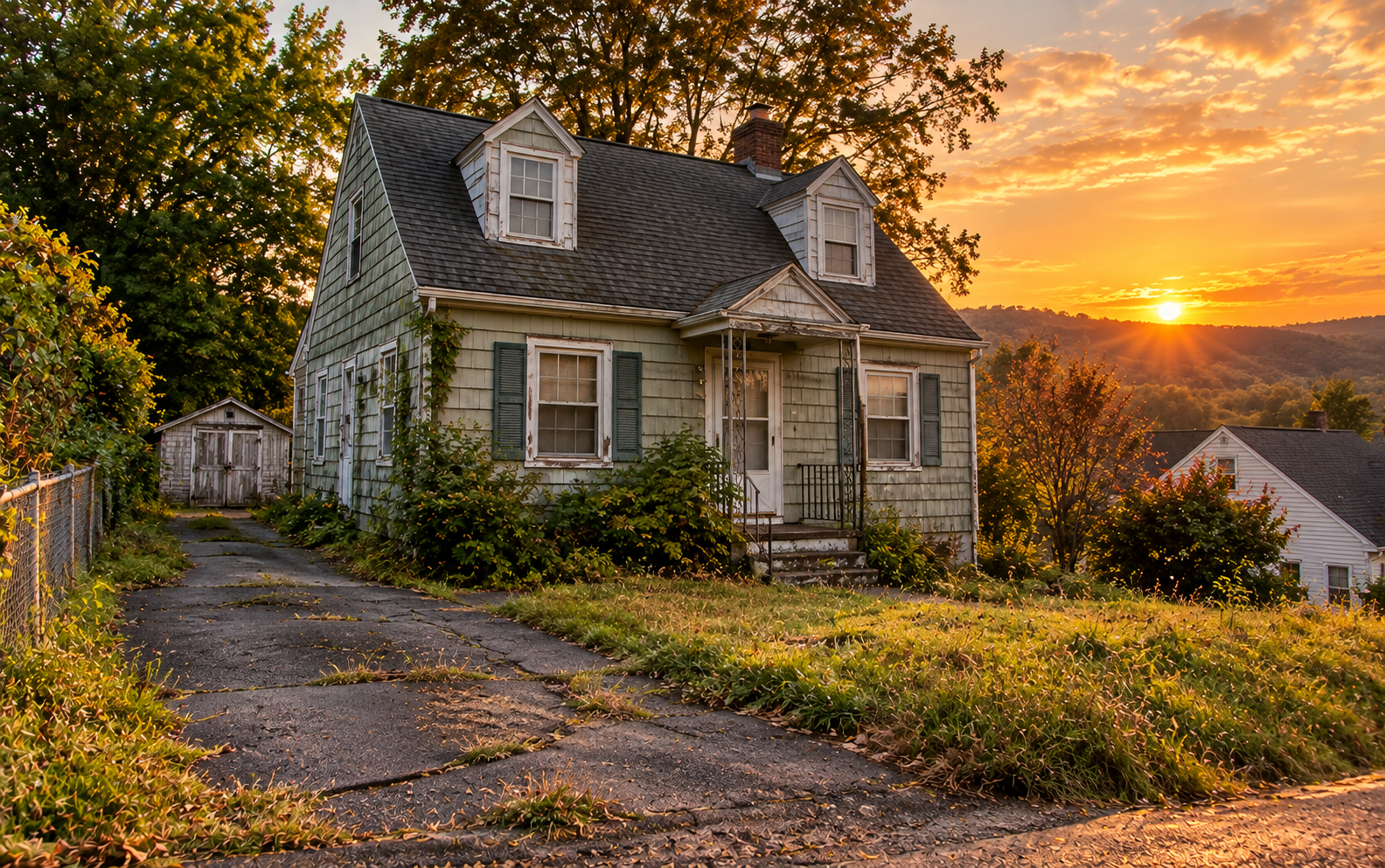
A house that has been empty for 12 months or more is not the same as one that was recently listed and didn’t sell. Vacancy creates a specific kind of risk that any serious buyer has to price into an offer.
Deferred maintenance compounds quickly. A small roof leak that a homeowner would catch in the first season can, after a year with no one inside, lead to rotted sheathing, damaged insulation, and mold on the top floor. No one is there to notice. That slide from minor issue to major repair is one of the most common cost surprises in vacant property sales.
Beyond physical deterioration, long-vacant homes in Bethlehem often come with municipal code concerns. The city may require vacant properties to be registered, and properties out of compliance can carry liens or fines that stay with the property if they aren’t resolved properly. A cash buyer will research this before making an offer.
What Does Vacancy Duration Signal to a Buyer?
Vacancy length isn’t just a timeline. It is a risk multiplier. A home vacant for four months reads very differently than one vacant for three years.
Around the twelve-month mark, buyers often expect to find at least one significant hidden system problem, such as a corroded water heater, a failed sump pump, or stripped copper plumbing. After two or more years, they usually widen the inspection to cover structural concerns, pest intrusion, and weatherproofing failures.
Say a homeowner inherited a Bethlehem property after a relative passed away and couldn’t manage the estate quickly. By the time they are ready to sell, eighteen months have gone by. The offer will reflect not only what is visibly wrong, but also what a buyer reasonably expects to find once work begins. That uncertainty costs real money, and buyers subtract it from the offer.
How Does Vacancy Create an Insurance and Liability Problem?
Many standard homeowner’s insurance policies limit or exclude coverage for vacant homes after 30 to 60 days, depending on the policy language. Owners who haven’t switched to a vacant property policy may have a coverage gap without realizing it. Check your policy or call your insurer. That gap also matters during a sale, because a fire, flood, or slip-and-fall during due diligence becomes much more complicated without proper coverage.
What Problems Do Cash Buyers Find Most Often in Long-Vacant Bethlehem Properties?
Certain issues show up again and again in vacant homes across the Lehigh Valley. Knowing what buyers look for gives you a more realistic sense of how they will evaluate your property.
Roof and water intrusion often top the list. A winter in Bethlehem, with its freeze-thaw cycles, can push a marginal flashing failure toward a ceiling collapse over several seasons.
Pest activity comes next. With no one around to deter them, squirrels, raccoons, and rodents move in easily. Once animals nest, the damage often goes beyond what you can see, including chewed wiring, which becomes a safety and insurance issue.
Vandalism can also follow vacancy. A home that looks empty for a long time may suffer broken windows, graffiti, or stripped fixtures, particularly in older rowhouse blocks.
HVAC systems that weren’t maintained or winterized often fail after a long vacancy. If the heat didn’t run during cold months, pipes may have frozen and cracked. If the system runs for months without a filter change, its components wear out faster.
Should You Make Temporary Repairs Before Selling?
Be careful here. Owners sometimes make cheap, temporary repairs to make a vacant home look better, such as patching a roof, painting over water stains, or laying new flooring over a soft subfloor. These shortcuts can complicate a sale. Cash buyers do their own inspections and will find the underlying problems. When they discover issues beneath fresh cosmetic work, it raises questions about disclosure and erodes trust quickly.
How Do You Prepare a Vacant Home for a Cash Sale Without Spending on Renovations?
Less is often more. You don’t need to renovate, stage, or deep-clean a house you are selling to a cash buyer. What you do need is documentation, access, and an accurate picture of the property’s condition. If you want to sell a vacant house as-is for cash, these steps will help the process go smoothly.
Start with a full walkthrough. Go room to room and photograph everything: every crack, every stain, every broken fixture. This isn’t about making the home look worse. It gives us an accurate baseline so we can evaluate the property fairly and avoid surprises that slow down closing.
Gather any paperwork related to the property, including recent utility bills (even if utilities are off), municipal notices or code violation letters, permits for past work, and the deed. If you know of any unpaid property taxes or liens, gather that documentation too. Sellers who arrive with organized paperwork usually move through the sale more smoothly.
Utilities and access matter more than curb appeal. If you can safely turn on the electricity for an inspection, that helps. If the water has been off for a long time, tell the buyer in advance. Surprises on inspection day cause delays, while advance disclosure usually doesn’t.
What Should You Avoid Before a Cash Sale?
Don’t spend money on new paint, carpet, or landscaping expecting a higher offer. Cash buyers price a home based on what it needs to be resalable, and cosmetic updates rarely change that math in a meaningful way.
Don’t throw away items left inside without first checking for anything of legal or financial significance, especially in estates or inherited properties. Documents, financial accounts, and personal property belonging to an estate may need to go through a proper process before disposal.
Don’t leave code violation notices unanswered while the sale is underway. Unanswered notices can lead to escalating fines, and those costs can become title issues that delay or complicate closing.
Frequently Asked Questions
Will a cash buyer purchase a Bethlehem home that has city code violations?
Often, yes. Many cash buyers purchase homes with open code violations and factor the cost of resolving them into the offer. Disclose any notices you have received so there are no surprises at the title search stage, where unresolved municipal liens will appear.
How does a vacant or abandoned house in Bethlehem affect the title search?
A vacant property may carry unpaid taxes, utility liens, or association assessments that built up during the vacancy. A title company will flag these before closing, and many can be paid from the sale proceeds at settlement. Knowing about them in advance keeps the process moving without unexpected delays.
Do I need to clean out a long-vacant Bethlehem property before a cash sale?
No. We buy homes as-is, so you don’t need to remove items beforehand. If belongings are part of an estate, confirm with an attorney whether any items need to be inventoried or distributed before the property transfers.

About the author
Mathew Pezon
Mathew Pezon is the founder and CEO of Pezon Properties, a cash home buying company located in Lehigh Valley, Pennsylvania. With several years of experience in the real estate industry, Mathew has become a specialist in helping homeowners sell their properties quickly and efficiently. He takes pride in providing a hassle-free, transparent, and fair home buying experience to his clients. Mathew is also an active member of his local community and is passionate about giving back. Through his company, he has contributed to various charities and causes.