What Is the Average Closing Costs Percentage for Home Buyers?
If you are buying a home and wondering how much extra cash you need to bring to the table, the average closing costs percentage is one of the most important numbers to understand. In this article, we break down what that percentage means, which fees make it up, and how different loan types can change what you owe at closing.
Most buyers focus on the purchase price and the down payment. Closing costs often catch people off guard. Knowing what to expect before you sit down at the closing table can save you from serious financial stress on one of the biggest days of your life.
What Does Average Closing Costs Percentage Mean for Home Buyers?
The average closing cost percentage is the total amount of transaction costs a buyer pays at closing, expressed as a percentage of the home's purchase price. In the United States, buyers typically pay between 2% and 5% of the purchase price in closing costs. On a $300,000 home, that means anywhere from $6,000 to $15,000 in additional fees due at closing.
That range might sound wide, but the exact number depends on your loan type, your lender, and the state where you are buying. Here in Hazleton, local fees and taxes can push that number toward the higher end of the range, so it pays to plan.
Why This Percentage Matters More Than a Dollar Amount
Thinking in percentages rather than fixed dollar amounts helps you plan at any price point. Whether you are buying a $150,000 starter home or a $500,000 property, applying the 2% to 5% rule gives you a reliable estimate to work with. It also helps you compare lenders, because two lenders offering the same interest rate can have very different closing cost totals.
What the Closing Costs Percentage Does Not Include
It is important to know that closing costs are separate from your down payment. Many first-time buyers assume their down payment is the only cash they need at closing. In reality, you need both. Your down payment goes toward buying equity in the home, while closing costs cover the services and fees required to complete the transaction.
When Sellers Pay Closing Costs
In some transactions, buyers can negotiate for the seller to cover part of the closing costs. This is called a seller concession. It is more common in a buyer's market, when sellers are motivated to close a deal. Even when a seller contributes, the average closing costs percentage still shapes how much total money changes hands at the table.
Which Fees Make Up the Closing Costs Percentage?
Closing costs are not one single fee. They are a collection of charges from multiple parties involved in the transaction. Understanding each one helps you review your Loan Estimate with confidence and spot anything that looks out of place.
Lender Fees and Loan Origination Charges
The largest chunk of your closing costs usually comes from your lender. The loan origination fee covers the cost of processing and underwriting your mortgage. It typically runs between 0.5% and 1% of the loan amount. You may also see charges for credit report pulls, rate lock fees, and document preparation. These are all part of the mortgage closing fees your lender requires to fund your loan.
Some lenders advertise no-origination-fee loans, but those savings are often folded into a higher interest rate. Always compare the full picture, not just one line item.
Title Insurance and Escrow Costs
Title insurance protects both you and your lender if someone challenges ownership of the home after you buy it. There are two types: lender's title insurance, which is usually required, and owner's title insurance, which is optional but strongly recommended. Title costs vary by state, but in Pennsylvania, they typically range from $500 to $2,000, depending on the purchase price.
Your lender sets up an escrow account to collect property taxes and homeowner's insurance on your behalf. At closing, you will need to fund this account with a few months of reserves. This falls under prepaid costs, which also include prepaid mortgage interest for the days between closing and your first payment due date.
Government Fees and Third-Party Charges
Beyond lender and title fees, several other charges round out the total closing costs. These include:
- Recording fees paid to the county to officially document the sale
- Transfer taxes charged by the state and sometimes the municipality
- Home inspection fees, if not paid before closing
- Appraisal fees ordered by your lender to confirm the home's value
- Attorney fees in states like Pennsylvania, where an attorney is often part of the closing process
Each of these is a real cost that adds to the average percentage of closing costs you ultimately pay.
How Does the Closing Costs Percentage Change by Loan Type?
Not all home loans are created equal. The type of mortgage you choose has a direct effect on how much you pay in closing costs. Understanding these differences helps you make a smarter borrowing decision from the start.
Conventional Loans
The government does not back conventional loans, so lenders take on more risk. They often charge higher loan origination fees and require private mortgage insurance if your down payment is below 20%. Buyers using conventional loans typically pay 2% to 3% in closing costs, though this varies by lender and loan amount.
FHA Loans
The Federal Housing Administration backs FHA loans, which are popular with first-time buyers because of their lower credit score requirements. However, they come with an upfront mortgage insurance premium that adds to your closing costs. FHA buyers often pay closer to 3% to 5% of the purchase price at closing. The escrow account requirements for FHA loans are also stricter, meaning more prepaid costs are collected at settlement.
VA and USDA Loans
VA loans, available to eligible veterans and service members, have no down payment requirement and no private mortgage insurance. However, they do include a VA funding fee that can range from 1.25% to 3.3% of the loan amount. USDA loans, designed for buyers in rural and some suburban areas, carry a similar upfront guarantee fee. Both loan types tend to have lower overall closing costs compared to conventional and FHA loans, but the specific fees depend on your situation.
How to Reduce What You Pay
No matter which loan type you choose, there are ways to lower your closing costs. You can shop around for lenders, negotiate seller concessions, ask about lender credits, or roll some costs into the loan balance. Just know that rolling costs into your loan means paying interest on them over time. Every situation is different, so weigh the short-term savings against the long-term cost.
Talk to Someone Who Understands the Full Picture
Homeowners in Catasauqua often have questions about what a real estate transaction will actually cost. Whether someone is preparing to sell, comparing options, or simply trying to understand the numbers, having a clear breakdown can make the decision feel less overwhelming.
For homeowners who want an alternative to the traditional selling process, a direct cash purchase may be worth considering. This type of sale can reduce some of the usual steps tied to repairs, agent commissions, and extended closing timelines, depending on the property and situation.
Understanding the average percentage of closing costs before making a move is one of the smartest ways to protect your bottom line. Clear, honest information helps homeowners compare their options with confidence rather than feeling pressured into a decision.
Frequently Asked Questions
What is the average closing costs percentage a home buyer should expect to pay?
Most home buyers in the U.S. pay between 2% and 5% of the home's purchase price in closing costs. The exact percentage depends on your loan type, lender, location, and the fees charged by third parties like title companies and attorneys. We always encourage buyers to request a detailed Loan Estimate early in the process to avoid surprises.
What is included in the closing costs percentage for a mortgage?
The closing costs percentage covers a wide range of fees, including the loan origination fee, title insurance, escrow account setup, prepaid costs like taxes and insurance reserves, appraisal fees, recording fees, and transfer taxes. Each lender and transaction is different, so your specific breakdown will vary based on your loan type and location.
Can closing costs be negotiated or reduced?
Yes, some closing costs can be negotiated. Buyers can ask sellers for concessions, shop multiple lenders to compare mortgage closing fees, or request lender credits in exchange for a slightly higher interest rate. Not every fee is flexible, but comparing options before you commit can lead to meaningful savings at the closing table.
About the author
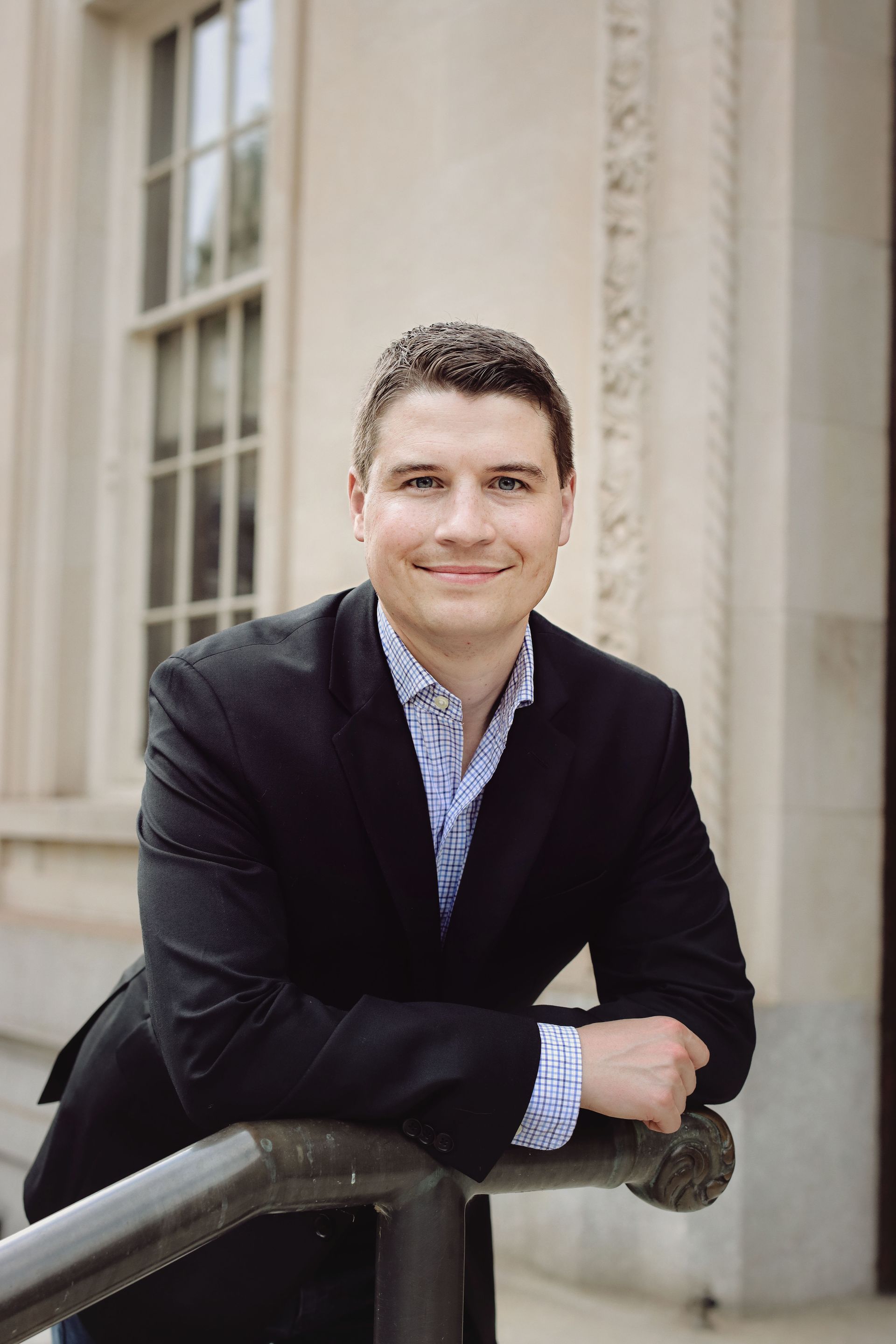
Mathew Pezon
Mathew Pezon is the founder and CEO of Pezon Properties, a cash home buying company located in Lehigh Valley, Pennsylvania. With several years of experience in the real estate industry, Mathew has become a specialist in helping homeowners sell their properties quickly and efficiently. He takes pride in providing a hassle-free, transparent, and fair home buying experience to his clients. Mathew is also an active member of his local community and is passionate about giving back. Through his company, he has contributed to various charities and causes.