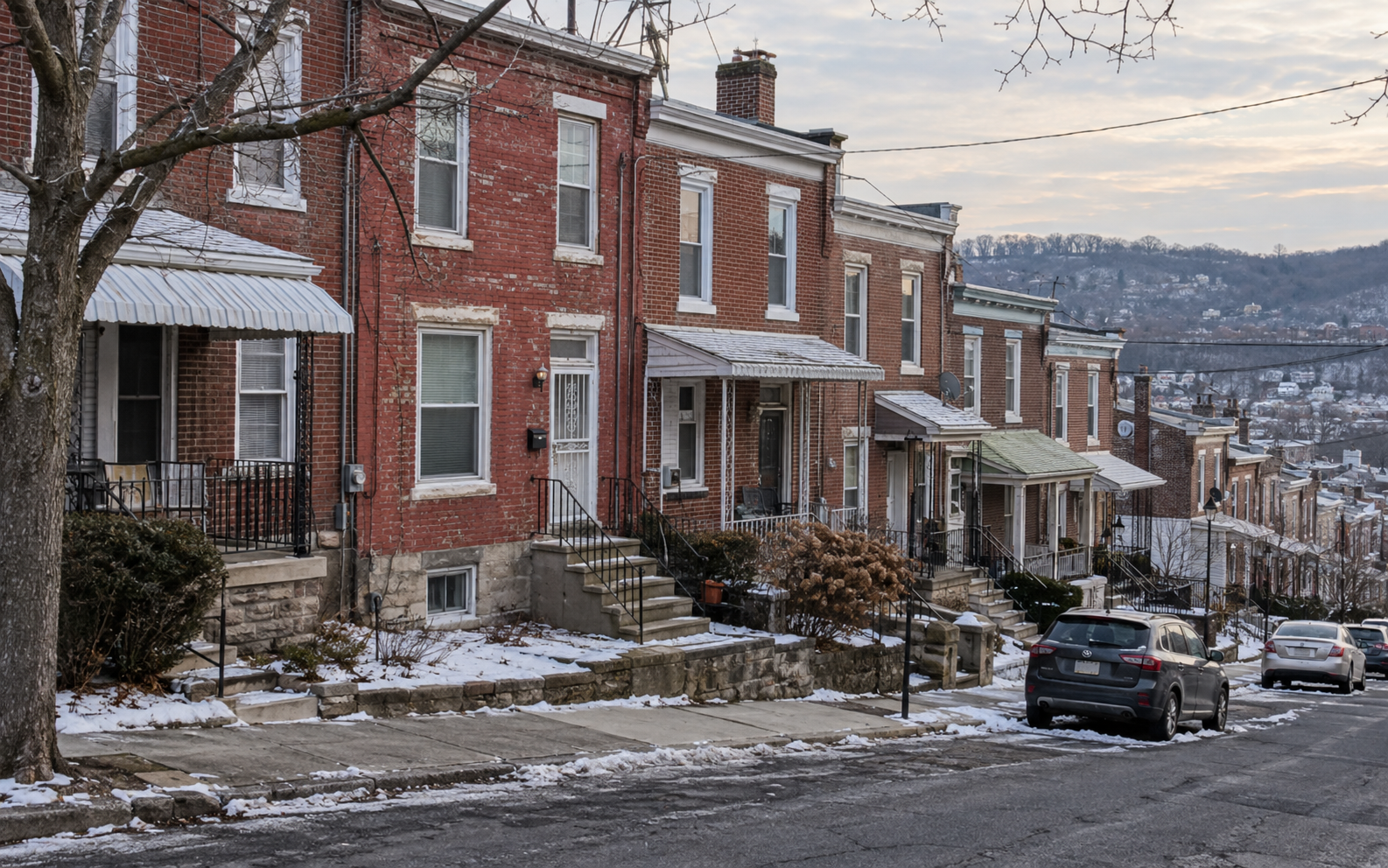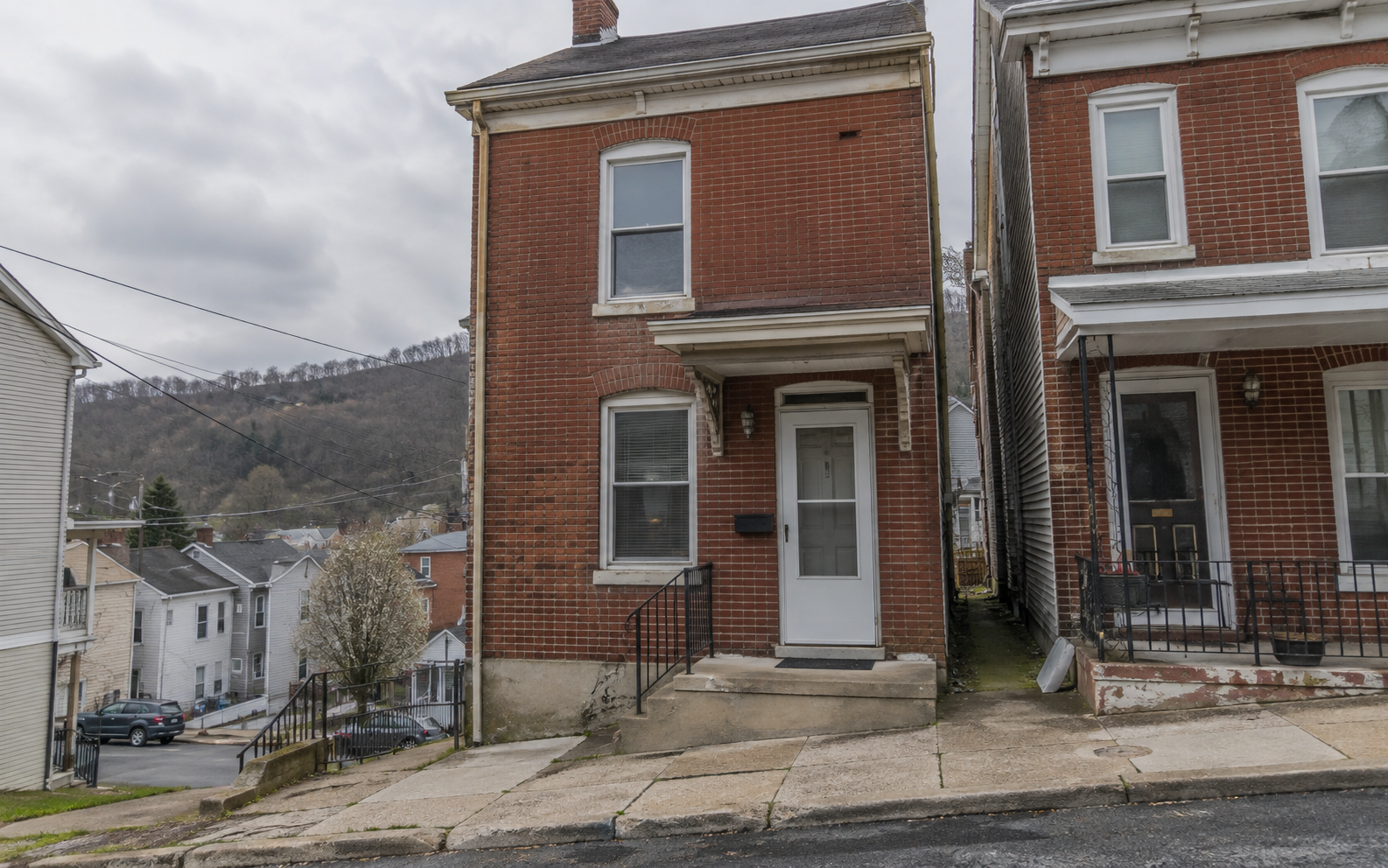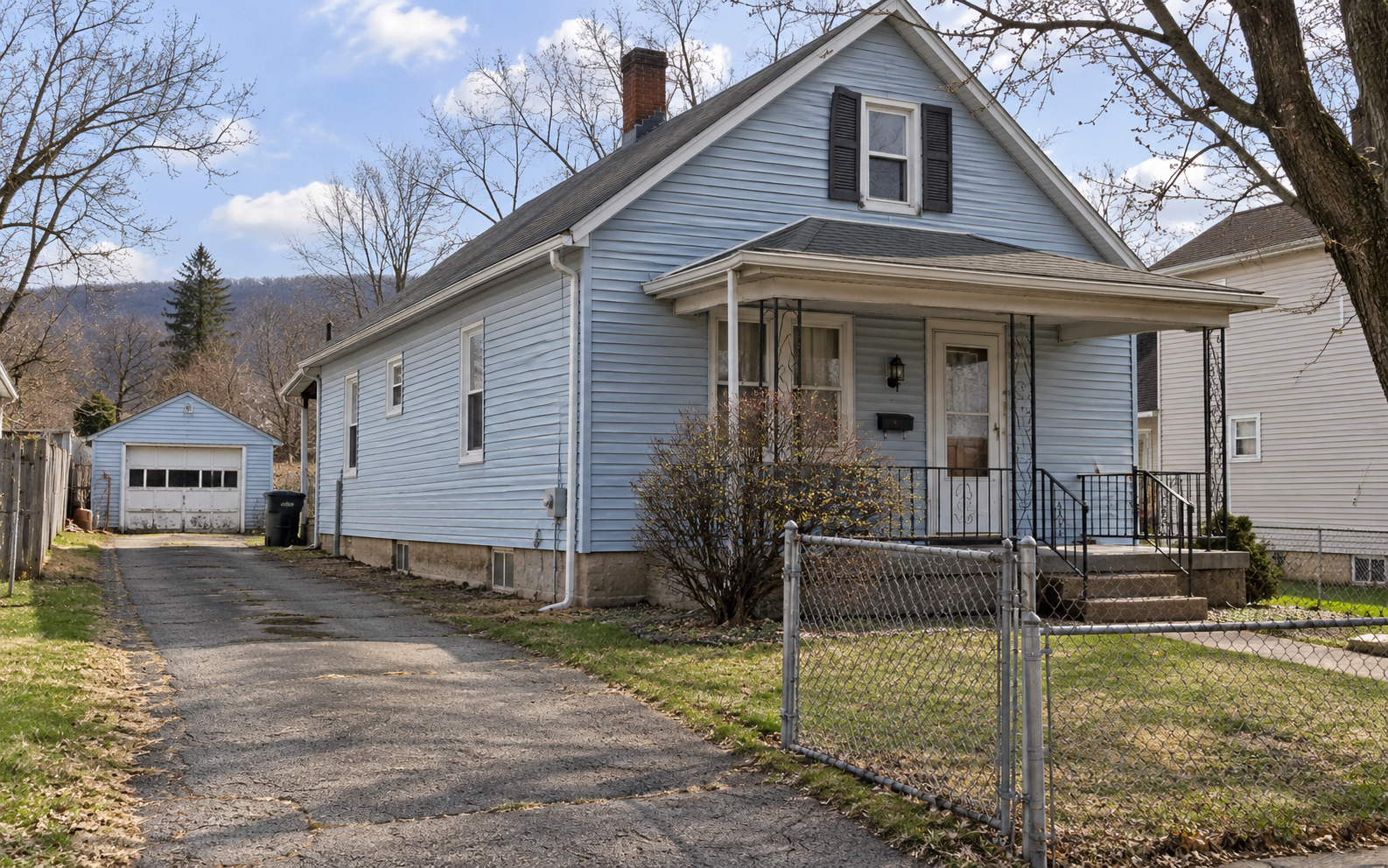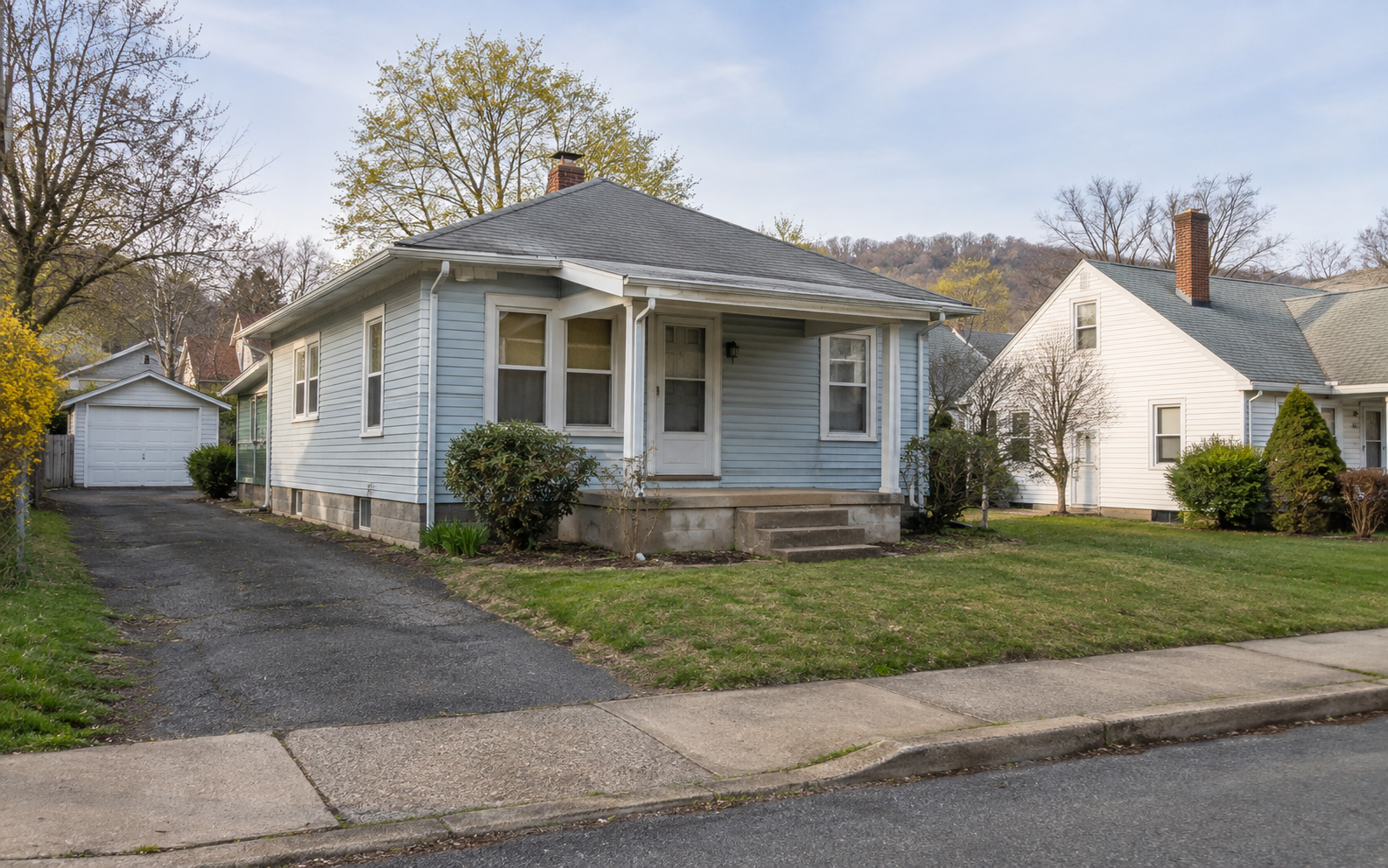
How Square Footage and Lot Size Impact What Your Allentown Home Is Worth
When sellers ask what their house is worth in Allentown, PA, size is almost always the first factor that comes to mind. Square footage and lot dimensions shape how buyers, appraisers, and cash buyers value a home — but the relationship between size and price is more nuanced than most people realize.
Does More Square Footage Always Mean a Higher Home Value in Allentown?
The short answer is no — and understanding why can save you from overpricing your home or leaving money on the table.
Square footage matters, but so does what that square footage contains. A 2,400-square-foot home with outdated systems and deferred maintenance will often appraise lower than a well-maintained 1,800-square-foot home nearby. Size is one input in the equation, not the entire formula.
Above Grade vs. Below Grade Space
Appraisers in Allentown draw a hard line between above-grade square footage and below-grade space. Above grade means any living area that sits fully above the ground level — including your main floor, upper floors, and finished rooms above the foundation.
Below-grade space, including finished basements, is counted separately and valued at a lower rate per square foot. This is a national appraisal standard, not a local quirk. A 400-square-foot finished basement adds value — but it does not add the same dollar-for-dollar value as 400 square feet of main-floor living space.
Why Finished Basements Are Valued Differently
Finished basement value is real, and buyers in the Lehigh Valley appreciate a finished lower level. However, appraisers typically assign finished basement space somewhere between 50% and 75% of the per-square-foot rate used for above-grade rooms.
The reasoning comes down to natural light, egress, and livability. A main-floor bedroom with windows and direct outdoor access is more functional than a basement bedroom with a small egress window. Both count — but they count differently on an appraisal report.
When Bigger Homes Appraise Below Expectations
Larger homes sometimes appraise lower than sellers expect for a few specific reasons. If a home has been expanded without permits, an appraiser may not recognize the added square footage. Poorly constructed additions, or ones that do not match the original home's style, can also hurt overall value.
The neighborhood also sets a ceiling. In many Allentown neighborhoods, an informal price ceiling exists based on what comparable homes have sold for. A 3,000-square-foot home in a neighborhood where most homes top out at 1,500 square feet will struggle to appraise at full market value — no matter how well it is finished.
How Is Price Per Square Foot Calculated for Allentown Homes?
Price per square foot is one of the most commonly used benchmarks in real estate, and it helps buyers and sellers compare homes on a level playing field. The calculation itself is simple.
Divide the sale price of a home by its total above-grade square footage. If a home sold for $240,000 and has 1,500 square feet of above-grade living space, the price per square foot is $160.
Comparing Comps in Allentown Neighborhoods
Appraisers and real estate professionals pull comparable sales — often called comps — from recent transactions in the same area. In Allentown, neighborhoods like the West End, South Side, and areas near Cedar Beach Park can each carry different average price-per-square-foot figures because the housing stock, lot sizes, and buyer demand vary from block to block.
A comp from a neighborhood two miles away may not be relevant. Appraisers typically look for sales within a half-mile to one-mile radius that closed within the past six to twelve months. The more similar the comp is in size, age, and condition, the more weight it carries.
Why Your Price Per Square Foot May Be Lower Than You Think
Several factors push the effective price per square foot down — even on attractive homes. Older mechanicals such as an aging furnace, outdated electrical panels, or original plumbing reduce what a buyer is willing to pay per square foot because they are pricing in future repair costs.
Condition adjustments are standard in appraisals. An appraiser may start with a neighborhood benchmark of $165 per square foot and then make downward adjustments for deferred maintenance, functional obsolescence, or an outdated kitchen. Understanding these adjustments helps sellers set realistic expectations before listing.
Does Lot Size Add to What Your House Is Worth in Lehigh County?
Lot size plays a real role in home valuation, but its weight depends heavily on location and how the land can actually be used. In dense urban blocks in Allentown, a larger lot adds modest value. In more suburban or semi-rural areas of Lehigh County and neighboring Berks County — including communities like Reading — an extra half-acre can add meaningful dollars to the sale price.
How Lot Size Appraisal Works in Practice
Lot size appraisal follows a similar logic to square footage. Appraisers compare your lot to nearby lots and adjust for differences in size, shape, and usability. A flat, rectangular lot with alley access is more useful than a steeply sloped lot of the same dimensions.
Zoning matters here too. A lot zoned for residential use only is valued differently than a lot that could support a duplex or an accessory dwelling unit. Sellers in Allentown with larger or unusually zoned lots sometimes underestimate the value that extra land creates — especially as housing density increases across the Lehigh Valley.
Usable Living Space vs. Raw Land
Usable living space extends value beyond the house. Buyers consider how much of the lot they can actually use for outdoor living, parking, or storage. A lot with a large, flat, accessible yard adds lifestyle value that buyers will pay for. A lot with the same square footage that is mostly sloped or has easements adds little practical value.
This distinction matters when sellers are weighing whether to invest in landscaping or yard improvements before selling. In some cases, a clean, usable yard makes a meaningful difference to buyers. In others, the investment may not return full value at closing.
How We Evaluate Lot Value as a Cash Buyer
We look at lot size and usability as part of a complete property assessment. When we review a home in Allentown or anywhere in our service area, we consider the livable square footage, the condition of the structure, and how the lot itself fits into the overall value picture.
We do not rely solely on automated estimates that pull raw square footage without context. Every property has a story — and the land is part of that story.
What Factors Matter Most When Asking What Your House Is Worth in Allentown?
If you are asking what your house is worth in Allentown, the most accurate answer comes from looking at several factors together — not just one number in isolation.
Above-grade square footage, finished basement space, condition, comparable sales, and lot usability all contribute to the final figure. An automated online estimate can give you a rough starting point, but it cannot account for your property's specifics.
Appraisers who work in the Lehigh Valley understand the local market deeply. They know which neighborhoods command a premium, which streets carry stigma from flood zones or traffic patterns, and how buyer demand has shifted over recent months. That local knowledge is what separates an informed valuation from a generic one.
When we evaluate a home, we bring that same neighborhood-level understanding to our assessment. We review real data from comparable sales and factor in the property's physical condition. Our offer reflects actual value — not an inflated starting point that collapses later in the process. For sellers in Allentown and the surrounding region, understanding how square footage and lot size affect your home's appraised value is the clearest first step toward a realistic, informed sale.

About the author
Mathew Pezon
Mathew Pezon is the founder and CEO of Pezon Properties, a cash home buying company located in Lehigh Valley, Pennsylvania. With several years of experience in the real estate industry, Mathew has become a specialist in helping homeowners sell their properties quickly and efficiently. He takes pride in providing a hassle-free, transparent, and fair home buying experience to his clients. Mathew is also an active member of his local community and is passionate about giving back. Through his company, he has contributed to various charities and causes.