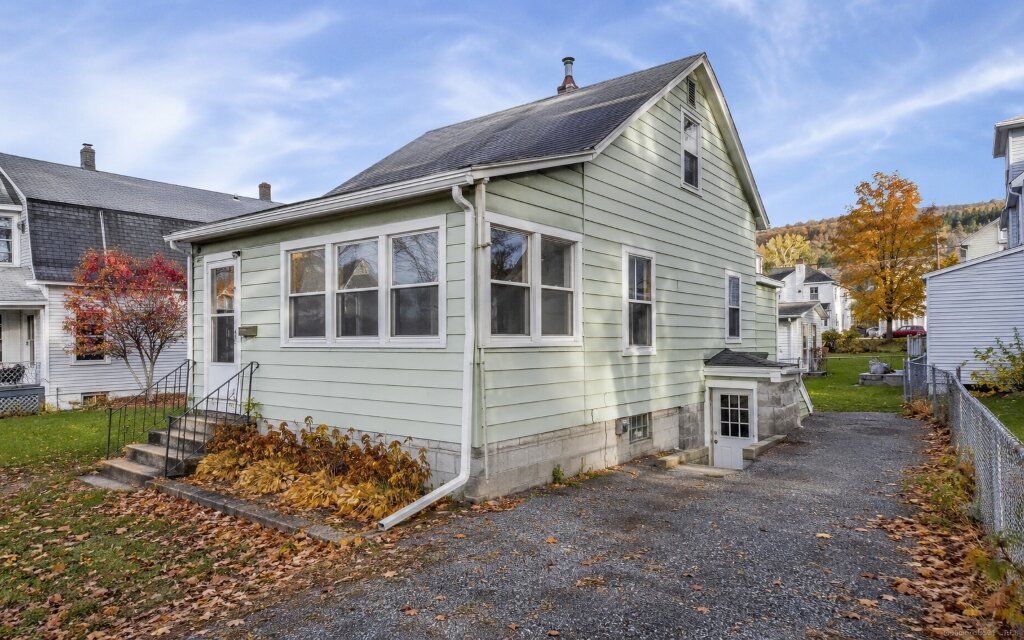
Can I Sell House During Divorce?

Divorce changes everything about your life, including what happens to your home. The marital home often represents the biggest asset in a marriage, making its fate a central concern during separation. Most couples wonder if they can sell their house while divorce proceedings are ongoing. The process involves complex legal requirements and financial considerations that vary by state.
Yes, you can sell your house during divorce, but both spouses typically must agree to the sale and sign the necessary documents. Courts can also order the sale if spouses cannot reach an agreement on property division.
In this blog post, you’ll learn your options for the marital home, key legal considerations, how mutual agreement affects the process, and what happens when spouses disagree.
Key Takeaways
• Both spouses must agree to sell the house during divorce, preferably with a written and signed agreement
• Courts can order a forced sale of home in divorce when spouses cannot agree on property division
• Pennsylvania follows equitable distribution laws, meaning property is divided fairly but not always equally
• Tax implications of selling house during divorce may favor selling before the divorce is finalized
• Professional guidance from a divorce real estate attorney and experienced real estate broker protects your interests
• One spouse can buy out the other through divorce property buyout with mortgage refinancing
• Co-owning the home temporarily requires court approval and clear terms
What Are Your Options for the Marital Home During Divorce?

Divorcing couples real estate options include three main paths for handling the family home. Each option has different financial and legal implications that affect both parties.
Sell the house and split the proceeds
Selling marital home during divorce offers the cleanest break for both parties. You and your spouse agree on a listing price and selling house during divorce terms. Splitting house proceeds in divorce follows state law guidelines for fair distribution.
The divorce home sale process requires both spouses to sign all necessary documents. A real estate broker for divorce sales can help navigate the unique challenges of these transactions. The divorce property listing should reflect current divorce housing market considerations for optimal results.
One spouse buys out the other
Divorce property buyout allows one spouse to keep the family home. The buying spouse typically needs to refinance the mortgage in their name only. This option requires a home appraisal during divorce to determine fair market value.
Home equity division in divorce must be calculated accurately for fair compensation. The spouse keeping the home pays the other their share of equity. Banks require proof that the buying spouse can afford the mortgage alone.
Co-own the home temporarily
Some couples choose to delay selling house after separation for various reasons. Children’s schooling or divorce housing market considerations may make immediate sale impractical. Court approval may be needed for this arrangement.
Clear terms must be established for mortgage payments and maintenance responsibilities. Both parties retain ex-spouse housing rights during the co-ownership period. This option works best when couples can communicate effectively about selling shared property during divorce later.
What Key Considerations Affect Selling a House During Divorce?
Legal requirements for selling house during divorce vary by state and individual circumstances. Multiple factors determine how smoothly the divorce and real estate transactions proceed.
Mutual Agreement
Both spouses must agree on dividing property in divorce before any sale can proceed. Spouses agree on price and sale terms should be documented in writing and signed. This prevents disputes later in the divorce property settlement process.
Written agreements protect both parties during real estate in divorce transactions. The agreement should cover listing price, timeline, and how to handle offers. Clear communication reduces conflict during house sale during divorce proceedings.
Court Intervention
Courts step in when spouses cannot agree on selling jointly owned property during divorce. Judges may order appraisals and appoint real estate in divorce professionals. Court ordered sale of home in divorce ensures fair property division.
The court protects both parties’ interests during contested sales. Judges consider divorce housing financial considerations when making decisions. Divorce court and property sale orders are legally binding on both spouses.
State Laws
Marital property laws differ significantly across states. In Easton, PA, divorce law follows equitable distribution—property, including the marital home, is divided fairly but not always equally. Pennsylvania Divorce Code, especially regarding equitable distribution (23 Pa.C.S.A. § 3502), governs these matters.
Divorce real estate division depends on state-specific regulations. Some states treat all marital property as community property. Pennsylvania courts look at multiple factors to determine fair distribution.
Legal Protections
Legal protections prevent unfair transactions during dividing assets in divorce. Both parties must be properly represented in all proceedings. Courts ensure neither spouse can sell or transfer property without proper authorization.
Spouse’s rights in house sale during divorce are protected throughout the process. Protecting home equity during divorce requires vigilance and proper legal counsel. Courts can void transactions that violate one spouse’s rights.
Tax Implications
Capital gains divorce house sale rules offer potential benefits for timing. Tax benefits may exist for selling before divorce is final, such as capital gains exclusions for married couples. Married couples can exclude up to $500,000 in gains.
Selling home before divorce finalized may reduce tax liability significantly. Single filers only get $250,000 capital gains exclusion. A tax professional can explain specific benefits for your situation.
Professional Guidance
Professional guidance from experts experienced in Pennsylvania divorces is essential. A divorce real estate attorney protects your legal interests throughout the process. Real estate agents familiar with divorce real estate negotiation can expedite sales.
Appraisers provide accurate valuations for home equity division in divorce. Financial advisors help you understand long-term implications of each option. Divorce rates in Northampton County (Easton’s county) align with Pennsylvania averages.
How Does Mutual Agreement Impact the Home Sale Process?

Mutual agreement dramatically simplifies selling house during divorce for both parties. Couples who agree on selling marital property during separation avoid costly legal battles. The agreement should be in writing and signed by both spouses.
Both spouses must concur on the listing price and marketing strategy. They should also agree on which real estate broker for divorce sales to hire. Written agreements prevent misunderstandings during divorce and real estate transactions.
Selling house with joint ownership divorce requires both signatures on all documents. The sales contract, deed transfer, and closing documents need both parties’ approval. Cooperation speeds up the legal process for selling marital home significantly.
Real estate in divorce transactions move faster when spouses work together. Disagreements about price or timing can stall the process indefinitely. Compromise on minor issues keeps the house sale during divorce proceedings on track.
What Happens If Spouses Cannot Agree on Selling the House?
Spouse refusing to sell house in divorce creates legal complications requiring court involvement. Courts can intervene to ensure fair property division in divorce when agreement is impossible. The court can order the sale to ensure fair distribution of marital property laws.
Judges may appoint appraisers and real estate agents to handle the transaction. Court ordered sale of home in divorce proceeds even without one spouse’s cooperation. The divorce court and property sale process protects both parties’ financial interests.
Selling house without spouse consent during divorce is only possible with court authorization. Forced sale of home in divorce ensures neither party can block fair property distribution. Courts consider children’s needs and financial circumstances before ordering sales.
Selling house during contested divorce takes longer than cooperative sales. Legal fees increase substantially when court intervention becomes necessary. All processes are subject to court oversight if conflict arises, protecting rights throughout the sale.
How Do State Laws Affect Division of Home Sale Proceeds?
State laws determine how splitting house proceeds in divorce occurs after the sale. Pennsylvania follows equitable distribution rather than community property rules. Marital property laws in Pennsylvania consider multiple factors beyond simple fifty-fifty splits.
Courts examine each spouse’s income, earning potential, and contributions to the marriage. The length of the marriage affects dividing assets in divorce decisions. Equitable distribution means fair division, not necessarily equal division.
Divorce real estate division may favor one spouse based on specific circumstances. Courts consider who paid the down payment and mortgage over the years. Contributions to home improvements and maintenance also matter in property division in divorce.
Family home divorce settlement may give one spouse a larger share for child custody reasons. The court balances financial and practical considerations in every case. Pennsylvania Divorce Code, especially regarding equitable distribution (23 Pa.C.S.A. § 3502), provides the legal framework.
What Are the Tax Benefits of Selling While Still Married?
Tax implications of selling house during divorce can significantly impact your financial outcome. Selling home before divorce finalized may allow couples to claim married filing jointly status. This status provides substantial benefits for capital gains divorce house sale scenarios.
Married couples can exclude up to $500,000 in capital gains from home sales. Single filers only receive a $250,000 exclusion after divorce is final. Selling primary residence during divorce while still married maximizes this tax benefit.
Tax benefits require meeting IRS ownership and use tests for the property. Both spouses must have lived in the home for two of the past five years. Waiting to sell house until after divorce may cost you thousands in additional taxes.
Selling underwater house during divorce may offer different tax considerations than profitable sales. Losses on home sales are not tax deductible for personal residences. A tax professional can calculate the exact divorce housing financial considerations for your situation.
Need to Sell Your House Fast During Divorce with Pezon Properties?
Pezon Properties understands the stress of selling house during divorce in Easton, PA. We are cash home buyers who specialize in quick, hassle-free transactions for divorcing couples real estate options. Our process eliminates the uncertainty of traditional sales during divorce housing transition periods.
You receive a fair cash offer within 24 hours without repairs or staging required. We handle all paperwork and work with your divorce real estate attorney to ensure proper documentation. Our team serves Easton, Allentown, Bethlehem, and surrounding communities.
Homeownership after divorce begins with closing this chapter efficiently and fairly. Contact Pezon Properties today for a no-obligation cash offer on your marital home. We provide the fast solution you need during this difficult time.
Give us a call anytime at 484-484-0971 or fill out this quick form to get started today!
Get A Fair Cash Offer On Your House

About the author
Mathew Pezon
Mathew Pezon is the founder and CEO of Pezon Properties, a cash home buying company located in Lehigh Valley, Pennsylvania. With several years of experience in the real estate industry, Mathew has become a specialist in helping homeowners sell their properties quickly and efficiently. He takes pride in providing a hassle-free, transparent, and fair home buying experience to his clients. Mathew is also an active member of his local community and is passionate about giving back. Through his company, he has contributed to various charities and causes.