5 Situations Where a Cash Offer Beats Listing With a Realtor in Allentown

Mathew Pezon • September 16, 2026

Choosing between a cash offer and listing with a realtor is one of the most important decisions you will make when selling your home. For some homeowners in Allentown, PA, the traditional MLS route makes perfect sense. But in certain life situations, skipping the open market and selling directly to a cash buyer is clearly the smarter path forward.

The five situations below are not edge cases. They happen to real people every day, and each creates pressures a traditional listing simply wasn't designed to handle.

When Financial or Legal Pressure Makes a Fast Sale the Smartest Option

Some situations leave little room for the back-and-forth of a traditional home sale. Mortgage default, a looming foreclosure, a need to act fast, or a sudden job loss can turn a slow listing process into a serious liability.

The Problem With Listing During Financial Hardship

When you list on the MLS, you commit to a process that typically runs for weeks or months. Showings, inspections, buyer financing approvals, and negotiations take time. If your financial situation is already fragile, every extra week carries real cost, whether that means additional mortgage payments, HOA fees, or property taxes piling up.

Why a Cash Sale Changes the Math

A cash buyer does not rely on bank financing. No mortgage underwriting process can stall or fall apart at the last moment. That alone removes one of the biggest sources of delay and uncertainty in a typical home sale. When financial pressure is real, certainty often matters more than the highest possible sale price.

How a Relocation Adds to the Urgency

A relocation home sale creates a different kind of pressure. When your employer moves you to another city, or when you choose to relocate for family reasons, carrying two properties at once is expensive. A cash sale can let you close on your Allentown home without waiting for the right buyer to appear on the open market.
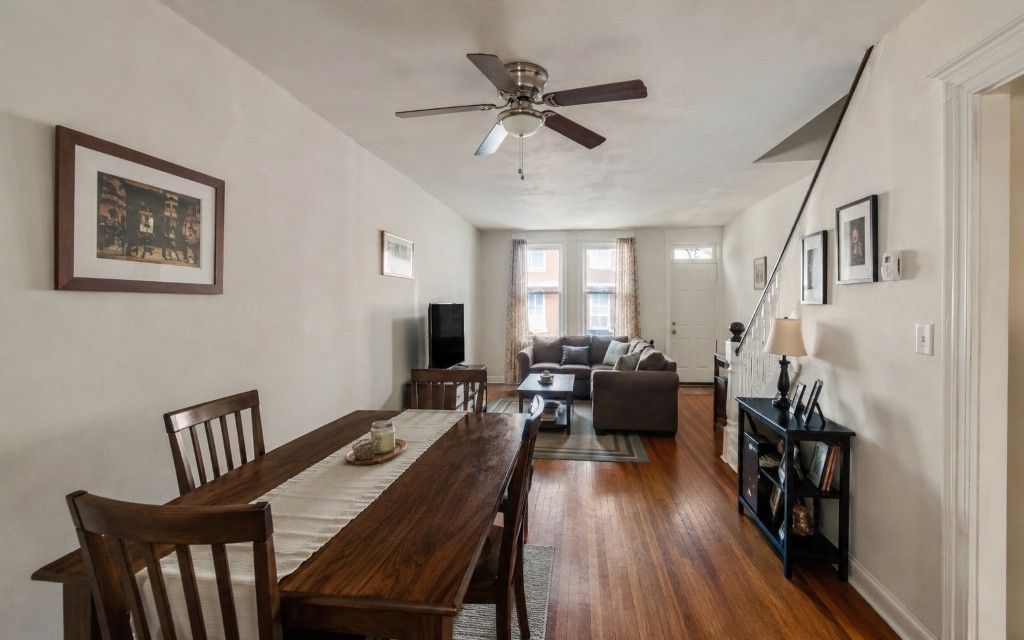

Is a Cash Sale the Right Move During a Divorce or Estate Settlement?

Few life events are as complicated as dividing property during a divorce or settling an inherited home after losing a loved one. Both situations require quick, clean decisions with as little conflict as possible. Comparing a cash offer with a listing through a realtor looks very different when emotions and legal timelines are involved.

Divorce and the Problem of Shared Decision-Making

When a couple decides to sell a home as part of a divorce settlement, every step of a traditional listing requires cooperation. Agreeing on an asking price, scheduling showings around two busy households, reviewing offers together, and negotiating repairs can stretch a painful process even longer. A cash sale removes most of those friction points. One offer, one price, one closing date.

What Happens With an Inherited Property

An inherited home often comes with its own set of complications. The property may have been sitting for months. It may need repairs the estate cannot fund. Multiple heirs may need to agree on the sale terms. Listing a property in that condition on the open market can feel overwhelming, and buyers looking at MLS listings typically expect move-in ready homes.

How We Approach These Situations

At Pezon Properties, we understand that the home itself is often tied to difficult memories or unresolved family dynamics. We buy properties as-is, so you don't need to clean out every room, repaint walls, or fix anything before we make an offer. For families navigating grief or legal separation, that simplicity carries real value.

Should You Sell for Cash If Your Home Needs Major Repairs You Cannot Afford?

A distressed property sale is one of the most common reasons homeowners look past the MLS and toward a cash buyer. If your home needs a new roof, has foundation issues, or has water damage, a traditional listing can create problems before it even starts.

What Lenders Look for During a Buyer's Inspection

Most buyers using conventional financing cannot purchase a home in poor condition. Their lender requires an appraisal, and if the home does not meet minimum property standards, the loan may be denied entirely. That means even if you find a buyer who loves your home, the deal can fall apart during the financing phase because of the property's condition.

The Hidden Cost of Fixing Before Listing

Some sellers consider making repairs before listing. On paper, that should lead to a higher sale price. In practice, repair costs often exceed initial estimates, contractors take longer than expected, and the money invested does not always come back in the final sale price. A distressed property sale handled directly with a cash buyer skips that cycle entirely.

Selling As-Is Is a Real Option

We buy homes in any condition across Pottstown and the surrounding communities. Whether a home has been vacant for years or has deferred maintenance that has stacked up over decades, we evaluate the property honestly and make an offer based on its current state. No repair contingencies and no requirement to bring the home up to a certain standard before closing.

When Does Avoiding the Open Market Protect Your Privacy and Peace of Mind?

Not every homeowner wants strangers walking through their home on a Sunday afternoon. For some sellers, the traditional listing process creates unnecessary stress and exposure. Privacy is a legitimate reason to weigh a cash offer vs listing with a realtor.

Who Chooses Privacy Over Maximum Exposure

Seniors living alone may not feel comfortable with repeated strangers entering their home. Families dealing with a sensitive health situation may not want neighbors and acquaintances knowing the home is for sale. Landlords with tenants in place may want to avoid disrupting those relationships while a sale is pending. In each case, an off-market sale protects what matters most.

How the MLS Creates Exposure You Cannot Control

Once a home is listed on the MLS, that information spreads quickly. Real estate websites pick it up automatically. Photos of the interior become public. Days on market become visible, and if the home sits for a few weeks, buyers and agents begin to wonder if something is wrong with the property. For sellers who value discretion, that kind of public scrutiny can feel invasive.

The Quiet Alternative

An off-market cash sale is handled privately between you and the buyer. No public listings, no open houses, and no negotiating through layers of agents. We work directly with the homeowner from the first conversation through closing, which keeps the process simple and contained.


Frequently Asked Questions

How do closing costs differ between a cash offer and listing with a realtor?

When you list with a realtor, you typically pay a commission of around five to six percent of the sale price, plus additional closing costs that can add up to several thousand dollars. With a cash sale, you eliminate agent commissions, and many cash buyers cover standard closing costs directly. The net amount you walk away with may be closer than you expect, depending on your home's condition and the current market.

Can I sell my home for cash during active foreclosure proceedings in Pennsylvania?

Selling your home during foreclosure is legally possible in Pennsylvania until a final sheriff sale. However, the timeline and specifics depend on where you are in the process. A cash sale can sometimes resolve the debt and stop the proceedings before they are finalized. It is worth consulting a real estate attorney alongside any cash buyer conversation to understand your full set of options.

What types of homes does Pezon Properties buy in the Allentown area?

We purchase residential properties across Allentown and the broader Lehigh Valley regardless of condition, age, or current situation. That includes inherited homes, properties in foreclosure, homes that need significant repairs, and houses being sold as part of a divorce or estate. If you own a home in the area and need to sell, we are happy to review the property and discuss what we can offer.


Mathew Pezon, co-owner of Pezon Properties

About the author

Mathew Pezon

Mathew Pezon is the founder and CEO of Pezon Properties, a cash home buying company located in Lehigh Valley, Pennsylvania. With several years of experience in the real estate industry, Mathew has become a specialist in helping homeowners sell their properties quickly and efficiently. He takes pride in providing a hassle-free, transparent, and fair home buying experience to his clients. Mathew is also an active member of his local community and is passionate about giving back. Through his company, he has contributed to various charities and causes.
By Mathew Pezon September 17, 2026
When you want to know how to sell your house fast for cash, two steps stand between you and a smooth closing: proof of funds and a title search. Both protect you as the seller. Both are non-negotiable in any legitimate cash transaction. Understanding what these steps involve, and what they reveal, puts you in a stronger position before you sign anything. What Is a Proof of Funds Letter and Why Should You Ask for One? A proof of funds letter is a document from a buyer's bank or financial institution confirming they have enough money available to complete the purchase. In a traditional financed sale, a mortgage lender takes on some of the risk. In a cash sale, the buyer uses their own money, so you need written confirmation that the money exists. Any serious cash buyer will have this document ready. If someone claims to be a cash buyer but hesitates when you ask for proof, that is a warning sign worth paying attention to. What a Proof of Funds Letter Should Include A legitimate proof of funds letter is straightforward. It should clearly show: The buyer's full name as it appears on the account The name and contact information of the financial institution A current account balance that meets or exceeds the purchase price The date the letter was issued, which should be recent A letter that is several months old may not reflect the buyer's current financial position. Always check the date. If the letter is outdated, it is reasonable to ask for a more recent one before moving forward. Why This Step Protects Sellers Specifically In a conventional sale, the mortgage approval process filters out unqualified buyers. Buyers who cannot qualify for a loan simply do not get one. Cash sales skip that filter entirely, which means the seller carries more responsibility for vetting the buyer's ability to pay. Without proof of funds, you could accept an offer, take your home off the market, and spend weeks preparing for closing, only to find out the buyer did not have the money. That wastes time and costs real money. Asking for this letter before signing a purchase agreement is one of the simplest protections a seller can take.
By Mathew Pezon September 15, 2026
Deciding to sell your house as-is for cash in Pennsylvania raises one question almost every homeowner asks first: do I still have to tell the buyer what is wrong with the property? Pennsylvania law has a clear answer, and understanding it before you close can protect you from legal trouble later. Knowing your obligations up front makes the whole process feel much less stressful. What Does Pennsylvania Law Say About Selling a Home As Is? Pennsylvania follows the Real Estate Seller Disclosure Law, which was enacted to give buyers enough information to make an informed decision. The law applies to most residential property sales, including cash transactions. Selling as-is does not exempt you from this requirement. State Law requires the Seller Disclosure Form Under Pennsylvania law, sellers must complete a Seller’s Property Disclosure Statement before finalizing the sale. This document asks you to report known material defects, which are conditions that could affect the value or safety of the home. The form covers the roof, foundation, plumbing, electrical systems, heating, water and sewer, and other key areas of the property. The word "known" matters a great deal here. You are only required to disclose what you actually know. Pennsylvania does not expect you to hire an inspector and uncover hidden problems before listing. You report your personal knowledge of the home's condition, not conduct a professional investigation on the buyer's behalf. What Counts as a Material Defect in Pennsylvania A material defect is broadly defined as any condition that has a significant, negative effect on the value of the property or that would affect a reasonable buyer's decision to purchase. This includes a leaking roof, a flooding basement, a furnace that no longer works properly, or a history of pest infestation. Cosmetic issues, such as peeling paint or worn carpet, do not typically rise to the level of a material defect. However, if peeling paint signals a moisture problem behind the wall, you would need to report that underlying damage. The physical condition beneath the surface is what drives the legal obligation. Selling As-Is in PA: What It Actually Means When you sell a home as-is in Camp Hill or anywhere else in Pennsylvania, you are communicating that you will not make repairs before closing. That is a pricing and negotiation decision, not a legal shield. As-is legal protections for sellers come from honest, complete disclosure, not from the phrase "as-is" itself. Courts in Pennsylvania have consistently found that a seller who conceals known defects can still be held liable even when the contract included as-is language. Transparency is your strongest protection.
By Mathew Pezon September 14, 2026
If you're weighing your options and trying to get a cash offer for your house, PA homeowners should understand that the difference between a cash sale and a traditional listing can save you real money and real stress. Both paths have trade-offs, and the right choice depends on your situation, your timeline, and how much uncertainty you're willing to manage. How Long Does It Take to Get a Cash Offer vs. Selling With an Agent in PA? Time matters when you're selling a home. Whether you're dealing with a job change, a divorce, an inherited property, or simply want to move on, the timeline affects everything from your finances to your peace of mind. The Traditional Listing Timeline in Pennsylvania Selling with a real estate agent in Pennsylvania follows a familiar pattern, but it's rarely quick. Once you list, your home sits on the days on market counter while buyers tour, compare, and decide. In many Pennsylvania markets, including the Lehigh Valley and surrounding areas, homes can sit for several weeks before receiving a serious offer. After an offer comes in, you still face a mortgage approval process for the buyer, a home inspection, possible repair negotiations, and an appraisal. Each step can add days or weeks. From list date to closing, a traditional sale in PA often takes two to three months under normal conditions, and longer if complications arise. How the Cash Offer Timeline Works A cash home sale moves differently. No lender is involved, which removes the biggest source of delays in a traditional deal. When a buyer pays cash, there's no waiting on underwriting, no bank-required appraisal, and no risk of a last-minute loan denial. We can review your property details and put together a written offer without requiring you to stage, clean, or repair anything. Once both parties agree to terms, the closing can happen in a fraction of the time a financed deal would take. The exact pace depends on your schedule and what works for your situation. What This Means for Your Real-World Situation If you have a flexible timeline and a home in strong condition, listing with an agent might be worth the wait. But if you need a clear end date, want to avoid an open-ended process, or simply don't want strangers walking through your home every weekend, the cash route offers something a traditional sale rarely can: certainty.
By Mathew Pezon September 11, 2026
Closing day can feel overwhelming, especially if you have never sold a home before. We buy houses for Allentown, PA homeowners who want to sell quickly and without the stress of a drawn-out traditional sale, and understanding the closing process from start to finish makes that decision much easier. The good news is that a cash closing is much simpler than most people expect. Fewer parties are involved, fewer documents need to be signed, and there's far less waiting around. Knowing what to bring, what to expect, and who pays what gives you the clarity to move forward with confidence. What Documents Do You Need to Sell Your House for Cash in Pennsylvania? Pennsylvania has specific legal requirements for transferring property from one owner to another. Whether you are selling to a neighbor or to a professional cash buyer, the documents involved follow the same basic framework. Your Deed and Proof of Ownership The deed is the most important document in any home sale. It is the legal record that proves you own the property and gives you the right to sell it. In Pennsylvania, the most common type used in a sale is a general warranty deed or a special warranty deed, depending on the situation. Before closing day, the title company will run a title search to confirm there are no unexpected liens, judgments, or ownership disputes tied to your home. If everything checks out, the deed gets prepared and signed at the settlement table. Make sure you can locate your original purchase documents. If you lose the deed, a title professional can typically pull a copy from county records. The Settlement Statement The settlement statement (sometimes called a closing disclosure or HUD-1) is a line-by-line summary of every dollar that changes hands during the transaction. It shows the sale price, any outstanding mortgage balance being paid off, taxes owed, and any closing fees. In a cash sale, this document is usually shorter and more straightforward than in a financed deal. No lender fees, loan origination charges, or appraisal costs are baked into the numbers. You review the statement before signing, so nothing should surprise you. Other Documents You May Need Depending on your situation, you might also need: A transfer tax declaration form, which is required in Pennsylvania for all property sales A seller's disclosure form, though some cash buyers purchase properties as-is and waive this requirement A power of attorney, if you are unable to attend closing in person Payoff statements from your mortgage lender, if you still owe a balance on the home The title company handles most of the coordination. Their job is to make sure every document is accurate and legally compliant before anyone signs anything.
By Mathew Pezon September 9, 2026
Being a landlord in Pennsylvania can wear you down fast. If you are dealing with tenants who stop paying rent, units that need constant repairs, or you simply want out of the rental business entirely, knowing how to sell your house fast Pennsylvania-style, without losing your mind in the process, can make all the difference. Whether you own a single-family rental in Lebanon or a multi-unit property in another part of the state, selling a tenant-occupied home is absolutely possible, and it does not have to be a legal nightmare. Can You Sell a Rental Property in Pennsylvania With Tenants Still Living There? The short answer is yes. Pennsylvania law does not require you to wait until a property is vacant before listing it for sale. What matters is how you handle the transition and what your lease agreement says. What Happens to the Lease When You Sell When a rental property changes ownership in Pennsylvania, the existing lease transfers. The new owner steps into your shoes as landlord and must honor the terms of any active lease. This means a tenant with six months left on a fixed-term lease has the legal right to stay through the end of that term, regardless of who owns the property. Month-to-month tenants have a different situation. In Pennsylvania, landlords are generally required to give 15 days' written notice to end a month-to-month rental agreement. However, even with proper notice, a tenant cannot be forced to leave immediately. They have the right to remain until that notice period expires. How Occupied Properties Affect Buyer Interest Most buyers shopping on the open market want a clean, vacant home they can move into or renovate right away. A property with problem tenants Pennsylvania buyers have to inherit is not an appealing listing. Showings become complicated. Tenants may not cooperate. Some may refuse to let buyers or agents inside at all, which is within certain rights under Pennsylvania law. This friction is real, and it significantly limits your pool of interested buyers. Traditional buyers often walk away the moment they learn a property is occupied by tenants who are behind on rent or causing damage. When Selling Occupied Is Actually Smarter In some situations, selling with tenants in place isn't just acceptable; it is the smarter move. If your tenant is current on rent and the lease has several months remaining, some investors actively want that in-place income. For landlords with a cooperative tenant, a standard investor sale can move faster than a vacant property on the open market. The challenge comes when tenants are not cooperative, and that is where the process gets complicated.
By Mathew Pezon September 8, 2026
If you have questions about how cash home buyers operate, you are not alone. The we buy houses searches people type into Google every day reflect real uncertainty about the process, and that uncertainty is completely understandable. Selling a home is a major financial decision, and knowing what to expect at each step makes it much easier to face. Pezon Properties works with homeowners across Allentown, PA who want a simpler path to selling without the delays, repairs, or surprises that traditional listings often bring. The steps below walk through the full process, from the moment you share your property details to the day you walk away with cash in hand. What Happens After You Submit Your Home Info to a Cash Buyer? The first step is the simplest one. You provide basic details about your property, including the address, the general condition of the home, and any circumstances affecting the sale, such as a pending foreclosure, an inherited property, or the need to relocate quickly. That information gives us what we need to get started. How We Review Your Property Details Once we receive your information, we research the property. We review comparable sales in your neighborhood, the home's current condition, local market trends in Harrisburg , PA, and estimated costs for any needed repairs. This is not a surface-level review. We do our homework so the offer we bring reflects reality. You do not need to prepare anything special before submitting. The home's condition, the clutter inside, or the weeds in the yard don't affect your ability to move forward. We evaluate properties as they are. The Property Walkthrough In most cases, we schedule a brief walkthrough before presenting a formal offer. This allows us to see the property firsthand and confirm the details you shared. The visit is typically low-pressure and brief. You don't need to stage anything or make the home presentable. The purpose is practical, not cosmetic. After the walkthrough, we have everything we need to finalize the numbers. Receiving a No Obligation Offer Once the review is complete, we present you with a written no-obligation offer. That phrase matters. You are under no pressure to accept, and there is no cost or commitment attached to reviewing what we put forward. The offer is transparent, meaning we can explain how we calculated each number if you have questions. Some sellers accept the offer right away. Others take a few days to think it over or consult with family. Either approach is completely fine.
By Mathew Pezon September 8, 2026
Deciding to sell your property in Pennsylvania for cash is one thing. Understanding what actually happens on closing day is another. Many homeowners in Allentown, PA, and across the state feel uncertain about the closing process, especially if they have only ever sold a home the traditional way. A cash sale works differently, and knowing what to expect makes the whole experience far less stressful. The closing process for a cash home sale is simpler and shorter than most sellers anticipate. No mortgage lender is involved, which removes a significant layer of paperwork, waiting, and potential delays. What remains is a clean, straightforward exchange between a seller and a buyer, coordinated through a neutral third party called a title company. What Documents Do You Need to Close a Cash Sale in Pennsylvania? Paperwork is unavoidable in any real estate transaction, but a cash sale keeps it manageable. You will not be signing dozens of loan-related forms. Instead, the focus is on a handful of essential documents that protect both parties and make the transfer of ownership official. The Settlement Statement The settlement statement is the financial summary of your closing. It lists every cost, credit, and payment involved in the transaction. Before signing anything, review this document carefully. It shows what you walk away with after accounting for any outstanding fees, taxes, or prorated costs. In Pennsylvania, this document is sometimes called a closing disclosure or HUD-1, depending on how the transaction is structured. The title company prepares it and sends it to both parties ahead of the closing appointment so there are no surprises. The Deed Transfer Documents Deed transfer paperwork is what formally moves ownership of the property from you to the buyer. Pennsylvania uses a deed signed in front of a notary to make this official. The deed is then recorded with the county recorder of deeds office, creating a public record of the new ownership. You will also sign an affidavit of title, which is a sworn statement confirming that you are the legal owner of the property, that there are no undisclosed liens, and that no major legal issues affect the home. This protects the buyer and gives the title company what it needs to issue a clean title insurance policy. Other Common Closing Documents Depending on your specific situation, you may also encounter: A bill of sale for personal property being transferred with the home A seller's disclosure form, if not already completed before the agreement A transfer tax statement, since Pennsylvania charges a realty transfer tax that both parties typically share Any municipal or county-specific certificates required for your area We coordinate with the title company and make sure you know what to expect before you arrive. Nothing should catch you off guard on closing day.
By Mathew Pezon September 7, 2026
Understanding the difference between a cash offer and listing with a realtor can feel overwhelming when you are staring down a major financial decision. Real estate has its own language, and if you do not know what the terms mean, it is easy to agree to something you did not fully understand. Sellers in York , PA deal with this confusion regularly. The words in a purchase agreement look straightforward until you realize each one carries legal and financial weight. Knowing what these terms actually mean before you sit down at the table puts you in a much stronger position, no matter which path you choose. What Does As-Is Mean in a Cash Home Sale? The phrase as-is comes up constantly in cash sales, but it is one of the most misunderstood terms in real estate. It sounds simple. It is not always applied simply. The Basic Definition of As-Is When a home is sold as-is, the seller is not agreeing to make any repairs before closing. The buyer accepts the property in its current condition, including all existing problems. This does not mean the buyer cannot inspect the home. It means the seller has no obligation to fix what the inspection finds. For sellers, this is one of the clearest advantages of a cash sale. If your roof has problems, the foundation has cracks, or the plumbing needs work, you don't have to spend money bringing the home up to standard before closing. Why As-Is Matters for Pricing Buyers who purchase homes as-is factor repair costs into their offer. They are taking on the risk of unknown issues, and their offer price reflects that. This is not a trick or a penalty. It is simply how the math works when someone buys a property without repair contingencies attached. Understanding this helps you evaluate an offer fairly. A lower offer on an as-is property is not necessarily a bad deal. Compare it against what you would spend on repairs, agent commissions, and carrying costs if you listed the home on the MLS instead. How As-Is Differs From a Listed Sale When you list with a realtor, buyers often expect the home to meet certain conditions. Inspections routinely lead to repair requests, and negotiations over those repairs can slow things down or cause the deal to fall apart. Selling as-is through a direct cash sale removes that back-and-forth. You know what you are getting before the deal closes.
By Mathew Pezon September 5, 2026
Opening a letter with "Sheriff Sale" printed across the top can stop a homeowner cold. If you want to sell your house before a sheriff sale, Pennsylvania law allows it; understanding that notice is the first and most important step you can take right now. What Information Is Included in a Pennsylvania Sheriff Sale Notice? A sheriff sale notice is not a simple warning letter. It is a formal legal document, and every line of it carries weight. Reading it carefully and knowing what each section means can help you figure out exactly where you stand. The Property Description and Sale Date The notice will identify your property by its legal address and parcel number. It will also list the scheduled sheriff sale date, which is the court-ordered auction date when your home could be sold to the highest bidder. That date is the clock you are working against. The Amount Owed Somewhere in the notice, you will see the total debt amount. This typically includes the unpaid mortgage balance, any missed payments, late fees, court costs, and attorney fees the lender has already charged. This figure is often larger than homeowners expect because fees accumulate quickly once the writ of execution process begins. A writ of execution is the court order that gives the sheriff legal authority to schedule and conduct the sale. The Plaintiff and the Court Case Number The notice identifies the plaintiff in the foreclosure judgment. Review the court docket and loan records if you need to determine that party’s relationship to your mortgage. It will also include a court case number. That number connects your property to the civil action filed in your county courthouse. In Lancaster County, for example, cases are filed through the Court of Common Pleas, which covers homeowners in and around Ephrata , PA. Contact Information for the Sheriff's Office Pennsylvania sheriff sale notices include the contact information for the county sheriff's office. That office manages the sheriff sale posting, meaning they are responsible for advertising the sale and confirming the auction date. Homeowners sometimes contact the sheriff's office directly to confirm dates or ask procedural questions.
By Mathew Pezon September 4, 2026
Inheriting a home in Allentown, PA, can bring legal and title questions that most families have never had to deal with before. At Pezon Properties, we encourage heirs and personal representatives first to confirm how the property was titled, who currently has authority to act for the estate, and what the title company or estate attorney requires before a sale. Pennsylvania real estate does not always need to be deeded into an heir’s individual name before it can be sold. In many estate situations, the more important question is whether an authorized executor or administrator can convey the property and whether the title, tax, lien, recording requirements, and documents required for selling inherited property have been properly addressed. How Do You Transfer a Deed After a Family Member Dies in Pennsylvania? When a homeowner passes away, the property does not automatically switch to the heir's name. Pennsylvania law requires a formal process to move ownership from the deceased to whoever inherits the home. The exact path depends on whether the decedent left a will and how the property was originally titled. When There Is a Will If your family member had a valid will, the estate goes through probate, which is Pennsylvania's court-supervised process for distributing assets. The executor named in the will files the will with the Orphans' Court in the county where the decedent lived. For Allentown homeowners, that means filing with Lehigh County. Once the court admits the will to probate and issues Letters Testamentary, the executor has legal authority to manage the estate. A new deed is then prepared, often called an executor's deed, and recorded with the Lehigh County Recorder of Deeds. That recording officially transfers ownership to the heir or heirs named in the will. When There Is No Will Dying without a will in Pennsylvania is called dying "intestate." In that situation, Pennsylvania's intestacy laws determine who inherits. A spouse, children, or other close relatives inherit in a specific legal order. The estate still goes through probate, but an administrator is appointed instead of an executor. That administrator performs the same function and ultimately records a deed transferring the property to the rightful heirs. Without a will, Pennsylvania intestacy law determines who inherits and who has priority to serve as administrator, which can add legal questions when family relationships or heirship are unclear. Joint Ownership and Right of Survivorship Some properties avoid probate entirely. If the deceased owned the home jointly with a spouse or partner under a right-of-survivorship title, ownership passes automatically to the surviving owner. A certified copy of the death certificate is recorded with the Lehigh County Recorder of Deeds, and the transfer is complete without going through court.