Title’s Role in Selling Your Home: A Must-Read Guide

Pezon Properties • August 16, 2024

Understanding the intricacies of property title and deed is crucial when selling your home, especially to cash buyers. 


Imagine you’ve decided to sell your house quickly, perhaps to alleviate financial pressure or to move on from a property you no longer need. 


You might think the process is straightforward: just find a buyer, agree on a price, and transfer ownership.


However, this process isn’t as simple as it sounds, particularly regarding the legalities surrounding the house title.


What is a house title?


Is it different from the deed?


A house title denotes ownership rights: It is the bundle of rights that dictates who has legal or equitable interest in the property. 


It also details the limitations on ownership. 


For example, depending on how the title is held, you may or may not be able to sell the home yourself, without permission from anyone else. 


While a house title is conceptual, a house deed is a physical, written document declaring a person’s legal ownership of a property. 


In real estate, the deed records a property’s title and the transfer of that title between two parties or individuals. 


Your county or municipal clerk’s office typically keeps a copy of deeds for all properties in its jurisdiction. (1)

Title’s Role in Selling Your Home: A Must-Read Guide

This distinction is especially significant when dealing with cash buyers who often prefer streamlined transactions and may be less willing to navigate complex title issues.


Here’s where the problem often lies: many homeowners are unaware of the implications of their property title when selling to cash buyers. 


The title can be encumbered by liens, claims, or other legal obstacles affecting your ability to transfer ownership smoothly. 


For instance, if you’re selling a property you inherited, the title may have restrictions or unresolved issues from previous owners. 


These can create delays or even prevent the sale if not appropriately addressed.

Additionally, selling to cash buyers typically involves a faster closing process. 


Cash buyers usually look for a quick transaction and are less interested in the lengthy traditional financing processes. 


However, this speed means that any complications with the title must be resolved swiftly to avoid jeopardizing the sale. 


If issues with the title aren’t sorted out beforehand, you might face significant hurdles at closing or, even worse, risk losing the sale altogether.

title has multiple owners

Furthermore, if multiple owners or the title has certain restrictions, such as those related to divorce settlements or estate planning, these factors can complicate the sale.


For example, if the title is held jointly with another person who must consent to the sale, you must coordinate with them to finalize the transaction.


This may cause the procedure to become even more complicated and time-consuming.


To avoid these issues, conducting a thorough title search before you put your home on the market is essential.


This involves checking for any claims, liens, or other encumbrances that could interfere with the transfer of ownership.


If you discover any issues, addressing them early on can save you time and stress later in the selling process. You may also want to consider hiring a real estate attorney or a title company to help navigate these complexities and ensure everything is in order before proceeding with the sale.

 hiring a real estate attorney

Understanding the difference between a house title and a deed and handling related issues is critical for a smooth transaction. We buy houses Bethlehem and have prepared this guide to walk you through the essentials of property titles, how they impact the sale of your home, and what steps you should take to ensure a successful sale to cash buyers.

Impacts of Title on Your Sale
Impact of Title on Your Sale

When selling your home, understanding the impacts of your property’s title is crucial to ensure a smooth transaction.


Your title not only proves ownership but also reveals any potential issues that could complicate or delay the sale.


In this section, we'll explore how your title can affect the sale of your home and provide insights into how selling to cash buyers can help you navigate the process more efficiently.

Liens and Encumbrances

Unpaid taxes

One significant impact of title issues is the presence of liens or encumbrances on your property.


Liens can result from unpaid taxes, unresolved disputes, or contractor bills, creating significant sales obstacles.


These issues must be resolved before transferring clear ownership to a buyer.


If you’re unaware of these problems or fail to address them, they can cause delays or even derail your sales. Selling to cash home buyers can mitigate this problem significantly.


Cash buyers often perform comprehensive title searches, which means they’ll discover any liens or encumbrances early in the process.


Because cash transactions don't rely on mortgage approvals or lengthy bank processes, they can move quickly to resolve these issues, often with the help of a title company or legal professional.


This can help streamline the resolution of any outstanding claims and help you sell my house fast Bethlehem.

Title Disputes

Unresolved family issues

Title disputes can arise from competing claims of ownership or unresolved family issues related to inheritance.


These disputes can be complex and take long to resolve, potentially halting your property's sale until all parties agree.


Such disputes can delay your sale and diminish the property's marketability.


Cash home buyers in Bethlehem can offer a more straightforward resolution to title disputes.


Since they are typically investors or buyers with significant financial resources, they are often willing to purchase properties with complicated title issues, provided they can clear them before closing.


This willingness can expedite the process of resolving disputes, allowing you to complete the sale without getting bogged down in lengthy negotiations or legal battles.

Unrecorded Ownership Changes 

Unrecorded Ownership Changes

If ownership changes were made without proper recording, it could lead to confusion or legal challenges during the sale.


For instance, if a transfer of ownership wasn’t adequately documented, it might not be clear who has the legal right to sell the property.


This lack of clear documentation can complicate the selling process and create uncertainties for you and potential buyers.


Cash home buyers can help alleviate this issue due to their experience and resources.


They are often familiar with navigating these problems and can work with title companies to ensure that all necessary documentation is properly recorded.


Their ability to handle complex transactions with a thorough comprehension of the legal requirements can help ensure that your ownership transfer is recognized and processed smoothly.

Clouded Titles

Clouded Titles

A clouded title occurs when unresolved issues or disputes make it unclear who the property's valid owner is.


This can occur due to incomplete or inaccurate records, past errors, or disputed claims.


A clouded title can be a significant hurdle, making it difficult to sell your property until the issues are cleared up.


Cash buyers can help mitigate the impact of a clouded title and achieve a Bethlehem quick home sale because they often have the resources and expertise to address and resolve these issues.


They typically work with title professionals who can conduct thorough investigations and clear up any discrepancies.


By handling these issues efficiently, cash buyers can help you overcome the challenges of a clouded title and proceed with the sale.

Foreclosure Risks
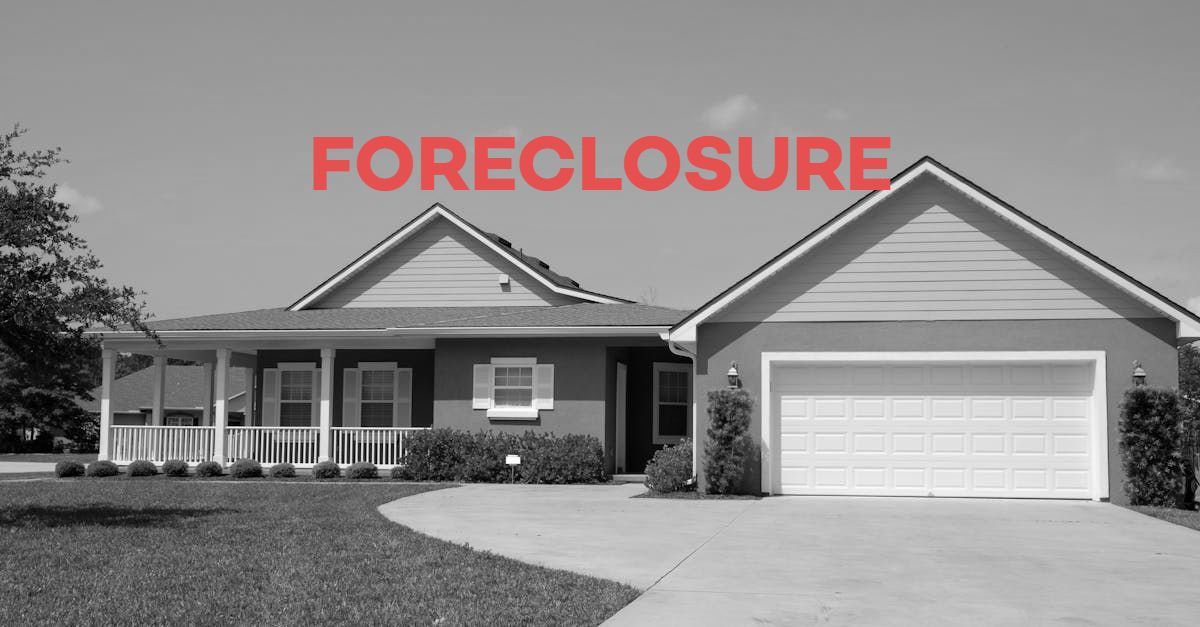
Foreclosure Risk

If your property is at risk of foreclosure, it can complicate the sale process significantly.


Foreclosure can result in legal complications and financial stress, making finding a buyer willing to navigate these risks challenging.


Potential purchasers might be hesitant to take on the risk associated with a property in foreclosure, which can limit your options.


Cash buyers are often more willing to take on properties facing foreclosure because they can move quickly and offer solutions that might not be available to traditional buyers.


Their ability to pay in cash allows them to handle foreclosure situations more effectively and expedite the sale, potentially saving you from the lengthy foreclosure process and associated risks.

Property Disputes

Property Disputes

Property disputes, such as boundary disagreements or claims of easements, can arise and complicate the sale process.


These disputes can create legal entanglements and delays, making it harder for you to finalize the sale of your home. These disputes can take a long time to resolve and may need legal intervention.


Cash buyers are often well-equipped to handle properties with ongoing disputes and facilitate a smooth cash house purchase in Bethlehem.


They typically have the financial means to cover legal costs and are experienced in dealing with complex property issues.


Their readiness to work through disputes and address legal concerns can help you sell your home more efficiently, even when disputes are present.

Inheritance Issues

Inheritance Issues

When a property is inherited, there can be complexities related to the transfer of ownership, especially if multiple heirs are involved, or the inheritance wasn't properly formalized.


These issues can delay the sale and create complications in proving ownership.


Cash buyers can ease the burden of inheritance issues by providing a straightforward purchase process.


They are often willing to work with inherited properties and can assist in clearing up any ownership or legal issues associated with the inheritance.


Their ability to manage these complexities can help you sell the property more quickly and hassle-free.

Title Insurance Concerns

Title Insurance Concern

Title insurance protects against potential issues with your title that could arise after the sale.


If there are problems with your title that weren’t discovered during the initial search, title insurance can cover these issues.


However, securing title insurance can sometimes be complicated, especially if your title has existing problems.


Cash buyers can often expedite obtaining title insurance or handle any concerns directly.


Their ability to purchase title insurance quickly can provide an added layer of protection for you and the buyer, ensuring that any unforeseen issues are addressed without causing delays in the sale.

Legal Judgments

Legal Judgments

If there are legal judgments or court orders related to your property, they can complicate the sale process.


These judgments can create additional legal hurdles and financial implications, making it harder to transfer ownership smoothly.


Cash buyers are typically more prepared to deal with properties that have legal judgments.


They often have the resources to address and resolve these issues efficiently, ensuring the sale proceeds without unnecessary delays.


Their ability to handle complex legal situations can help you overcome the challenges posed by legal judgments.

Outstanding Mortgages

Outstanding Mortgages

Outstanding mortgages or other financial obligations tied to the property can affect the sale process.


If there is a remaining mortgage balance, it needs to be paid off before the sale can be completed.


This can complicate the transaction, especially if the sale price is insufficient to pay off the mortgage.


Cash buyers can simplify this aspect of the sale.


Because they pay in cash, they can offer a straightforward solution to paying off any outstanding mortgages or financial obligations.


This means you can close the sale without worrying about the complexities of settling existing debts, making the overall process smoother and less stressful.

Steps to Ensure a Smooth Sale and Avoid Complications Related to Your Title

Tips for ensuring you get a fair deal

To achieve a seamless home sale and get cash for houses in Bethlehem, it’s essential to address potential title issues proactively before they become significant obstacles.


By taking deliberate steps to manage and resolve title-related problems, you can avoid unexpected delays and complications that might jeopardize your sale.

Obtain a Preliminary Title Report

Obtain a Preliminary Title Report

A common issue in selling your home is discovering title problems too late.


For instance, if you don't get a preliminary title report before listing your property, you might be unaware of any encumbrances, liens, or disputes that could complicate or delay the sale.


Finding out about these issues at the last minute can result in unexpected delays and financial stress.


To avoid this problem, obtain a preliminary title report as early as possible.


This report will provide a detailed overview of potential issues with your title, such as liens or unresolved claims.


Reviewing this report before listing your property, you can address any problems proactively, ensuring that you are aware of and can resolve any issues affecting the sale.

Verify Accurate Ownership Records

Verify Accurate Ownership

Errors in ownership records can create confusion and legal complications during the sale.


If there are discrepancies or inaccuracies in the documents, it may not be clear who legally owns the property, complicating the transaction.


To prevent this issue, verify that all ownership records are accurate and up-to-date before listing your property.


Review past documents and ensure that any previous ownership transfers were recorded correctly.


If you find any discrepancies, work with a title company to correct them. Ensuring accurate ownership records will help avoid disputes and facilitate a smoother sale.

Resolve Property Disputes

Buyer intentions

Property disputes, such as boundary disagreements, can complicate the sale of your home.


These disputes can lead to legal entanglements and delays, potentially scaring off potential buyers.


Address any existing property disputes before putting your home on the market.


Consult a real estate attorney to resolve disputes and clarify boundary or easement issues.


Resolving these conflicts will reduce the risk of complications during the sale and make your property more appealing to buyers.

Check for Unrecorded Ownership Changes

Check for Unrecorded Ownership Changes

Unrecorded ownership changes can lead to confusion and legal issues during the sale.


If ownership transfers aren’t adequately documented, it can be unclear who has the legal right to sell the property, creating complications in the transaction.


Ensure that all ownership changes are correctly recorded with the relevant authorities.


If there have been recent transfers or changes, verify that these are documented correctly in public records.


Maintaining up-to-date records can avoid legal complications and ensure that the sale proceeds smoothly.

Obtain Title Insurance

Obtain Title Insurance

Without title insurance, you might face unforeseen issues with your title after the sale, such as undiscovered claims or disputes.


These issues can lead to expensive lawsuits or financial losses. To protect yourself, obtain title insurance before closing the sale.


Title insurance provides coverage against any potential issues that were not discovered during the title search.


This insurance will safeguard you from future claims or disputes, ensuring a more secure and trouble-free sale.

Ensure Compliance with Local Regulations

Clear contract terms

Non-compliance with local regulations or zoning laws can complicate the sale of your property.


Unpermitted work or zoning violations can create legal challenges and deter potential buyers.


Before listing, verify that your property complies with all local regulations and zoning laws. If there are any violations or unpermitted changes, work to rectify them before proceeding with the sale.


By ensuring compliance, you can avoid complications and present your property as a legitimate and attractive option for buyers.

Prepare for a Title Search

Conducting due diligence

A title search is an essential part of the selling process, as it identifies potential issues with your property’s title.


If you’re not prepared for the title search or if problems arise during the search, it can delay the sale or cause complications.


Prepare for the title search by working with a reputable title company that can perform a thorough investigation.


Address any issues identified during the search promptly to ensure a clear title.


By being proactive and prepared, you can help avoid complications related to your title and guarantee a smooth sale to a we buy houses Reading company.

Give us a call anytime at 484-484-0971 or fill out this quick form to get started today!

Get A Fair Cash Offer On Your House

Mathew Pezon, co-owner of Pezon Properties

About the author

Mathew Pezon

Mathew Pezon is the founder and CEO of Pezon Properties, a cash home buying company located in Lehigh Valley, Pennsylvania. With several years of experience in the real estate industry, Mathew has become a specialist in helping homeowners sell their properties quickly and efficiently. He takes pride in providing a hassle-free, transparent, and fair home buying experience to his clients. Mathew is also an active member of his local community and is passionate about giving back. Through his company, he has contributed to various charities and causes.
By Mathew Pezon September 8, 2026
If you have questions about how cash home buyers operate, you are not alone. The we buy houses searches people type into Google every day reflect real uncertainty about the process, and that uncertainty is completely understandable. Selling a home is a major financial decision, and knowing what to expect at each step makes it much easier to face. Pezon Properties works with homeowners across Allentown, PA who want a simpler path to selling without the delays, repairs, or surprises that traditional listings often bring. The steps below walk through the full process, from the moment you share your property details to the day you walk away with cash in hand. What Happens After You Submit Your Home Info to a Cash Buyer? The first step is the simplest one. You provide basic details about your property, including the address, the general condition of the home, and any circumstances affecting the sale, such as a pending foreclosure, an inherited property, or the need to relocate quickly. That information gives us what we need to get started. How We Review Your Property Details Once we receive your information, we research the property. We review comparable sales in your neighborhood, the home's current condition, local market trends in Harrisburg , PA, and estimated costs for any needed repairs. This is not a surface-level review. We do our homework so the offer we bring reflects reality. You do not need to prepare anything special before submitting. The home's condition, the clutter inside, or the weeds in the yard don't affect your ability to move forward. We evaluate properties as they are. The Property Walkthrough In most cases, we schedule a brief walkthrough before presenting a formal offer. This allows us to see the property firsthand and confirm the details you shared. The visit is typically low-pressure and brief. You don't need to stage anything or make the home presentable. The purpose is practical, not cosmetic. After the walkthrough, we have everything we need to finalize the numbers. Receiving a No Obligation Offer Once the review is complete, we present you with a written no-obligation offer. That phrase matters. You are under no pressure to accept, and there is no cost or commitment attached to reviewing what we put forward. The offer is transparent, meaning we can explain how we calculated each number if you have questions. Some sellers accept the offer right away. Others take a few days to think it over or consult with family. Either approach is completely fine.
By Mathew Pezon September 8, 2026
Deciding to sell your property in Pennsylvania for cash is one thing. Understanding what actually happens on closing day is another. Many homeowners in Allentown, PA, and across the state feel uncertain about the closing process, especially if they have only ever sold a home the traditional way. A cash sale works differently, and knowing what to expect makes the whole experience far less stressful. The closing process for a cash home sale is simpler and shorter than most sellers anticipate. No mortgage lender is involved, which removes a significant layer of paperwork, waiting, and potential delays. What remains is a clean, straightforward exchange between a seller and a buyer, coordinated through a neutral third party called a title company. What Documents Do You Need to Close a Cash Sale in Pennsylvania? Paperwork is unavoidable in any real estate transaction, but a cash sale keeps it manageable. You will not be signing dozens of loan-related forms. Instead, the focus is on a handful of essential documents that protect both parties and make the transfer of ownership official. The Settlement Statement The settlement statement is the financial summary of your closing. It lists every cost, credit, and payment involved in the transaction. Before signing anything, review this document carefully. It shows what you walk away with after accounting for any outstanding fees, taxes, or prorated costs. In Pennsylvania, this document is sometimes called a closing disclosure or HUD-1, depending on how the transaction is structured. The title company prepares it and sends it to both parties ahead of the closing appointment so there are no surprises. The Deed Transfer Documents Deed transfer paperwork is what formally moves ownership of the property from you to the buyer. Pennsylvania uses a deed signed in front of a notary to make this official. The deed is then recorded with the county recorder of deeds office, creating a public record of the new ownership. You will also sign an affidavit of title, which is a sworn statement confirming that you are the legal owner of the property, that there are no undisclosed liens, and that no major legal issues affect the home. This protects the buyer and gives the title company what it needs to issue a clean title insurance policy. Other Common Closing Documents Depending on your specific situation, you may also encounter: A bill of sale for personal property being transferred with the home A seller's disclosure form, if not already completed before the agreement A transfer tax statement, since Pennsylvania charges a realty transfer tax that both parties typically share Any municipal or county-specific certificates required for your area We coordinate with the title company and make sure you know what to expect before you arrive. Nothing should catch you off guard on closing day.
By Mathew Pezon September 7, 2026
Understanding the difference between a cash offer and listing with a realtor can feel overwhelming when you are staring down a major financial decision. Real estate has its own language, and if you do not know what the terms mean, it is easy to agree to something you did not fully understand. Sellers in York , PA deal with this confusion regularly. The words in a purchase agreement look straightforward until you realize each one carries legal and financial weight. Knowing what these terms actually mean before you sit down at the table puts you in a much stronger position, no matter which path you choose. What Does As-Is Mean in a Cash Home Sale? The phrase as-is comes up constantly in cash sales, but it is one of the most misunderstood terms in real estate. It sounds simple. It is not always applied simply. The Basic Definition of As-Is When a home is sold as-is, the seller is not agreeing to make any repairs before closing. The buyer accepts the property in its current condition, including all existing problems. This does not mean the buyer cannot inspect the home. It means the seller has no obligation to fix what the inspection finds. For sellers, this is one of the clearest advantages of a cash sale. If your roof has problems, the foundation has cracks, or the plumbing needs work, you don't have to spend money bringing the home up to standard before closing. Why As-Is Matters for Pricing Buyers who purchase homes as-is factor repair costs into their offer. They are taking on the risk of unknown issues, and their offer price reflects that. This is not a trick or a penalty. It is simply how the math works when someone buys a property without repair contingencies attached. Understanding this helps you evaluate an offer fairly. A lower offer on an as-is property is not necessarily a bad deal. Compare it against what you would spend on repairs, agent commissions, and carrying costs if you listed the home on the MLS instead. How As-Is Differs From a Listed Sale When you list with a realtor, buyers often expect the home to meet certain conditions. Inspections routinely lead to repair requests, and negotiations over those repairs can slow things down or cause the deal to fall apart. Selling as-is through a direct cash sale removes that back-and-forth. You know what you are getting before the deal closes.
By Mathew Pezon September 5, 2026
Opening a letter with "Sheriff Sale" printed across the top can stop a homeowner cold. If you want to sell your house before a sheriff sale, Pennsylvania law allows it; understanding that notice is the first and most important step you can take right now. What Information Is Included in a Pennsylvania Sheriff Sale Notice? A sheriff sale notice is not a simple warning letter. It is a formal legal document, and every line of it carries weight. Reading it carefully and knowing what each section means can help you figure out exactly where you stand. The Property Description and Sale Date The notice will identify your property by its legal address and parcel number. It will also list the scheduled sheriff sale date, which is the court-ordered auction date when your home could be sold to the highest bidder. That date is the clock you are working against. The Amount Owed Somewhere in the notice, you will see the total debt amount. This typically includes the unpaid mortgage balance, any missed payments, late fees, court costs, and attorney fees the lender has already charged. This figure is often larger than homeowners expect because fees accumulate quickly once the writ of execution process begins. A writ of execution is the court order that gives the sheriff legal authority to schedule and conduct the sale. The Plaintiff and the Court Case Number The notice identifies the plaintiff in the foreclosure judgment. Review the court docket and loan records if you need to determine that party’s relationship to your mortgage. It will also include a court case number. That number connects your property to the civil action filed in your county courthouse. In Lancaster County, for example, cases are filed through the Court of Common Pleas, which covers homeowners in and around Ephrata , PA. Contact Information for the Sheriff's Office Pennsylvania sheriff sale notices include the contact information for the county sheriff's office. That office manages the sheriff sale posting, meaning they are responsible for advertising the sale and confirming the auction date. Homeowners sometimes contact the sheriff's office directly to confirm dates or ask procedural questions.
By Mathew Pezon September 4, 2026
Inheriting a home in Allentown, PA, can bring legal and title questions that most families have never had to deal with before. At Pezon Properties, we encourage heirs and personal representatives first to confirm how the property was titled, who currently has authority to act for the estate, and what the title company or estate attorney requires before a sale. Pennsylvania real estate does not always need to be deeded into an heir’s individual name before it can be sold. In many estate situations, the more important question is whether an authorized executor or administrator can convey the property and whether the title, tax, lien, recording requirements, and documents required for selling inherited property have been properly addressed. How Do You Transfer a Deed After a Family Member Dies in Pennsylvania? When a homeowner passes away, the property does not automatically switch to the heir's name. Pennsylvania law requires a formal process to move ownership from the deceased to whoever inherits the home. The exact path depends on whether the decedent left a will and how the property was originally titled. When There Is a Will If your family member had a valid will, the estate goes through probate, which is Pennsylvania's court-supervised process for distributing assets. The executor named in the will files the will with the Orphans' Court in the county where the decedent lived. For Allentown homeowners, that means filing with Lehigh County. Once the court admits the will to probate and issues Letters Testamentary, the executor has legal authority to manage the estate. A new deed is then prepared, often called an executor's deed, and recorded with the Lehigh County Recorder of Deeds. That recording officially transfers ownership to the heir or heirs named in the will. When There Is No Will Dying without a will in Pennsylvania is called dying "intestate." In that situation, Pennsylvania's intestacy laws determine who inherits. A spouse, children, or other close relatives inherit in a specific legal order. The estate still goes through probate, but an administrator is appointed instead of an executor. That administrator performs the same function and ultimately records a deed transferring the property to the rightful heirs. Without a will, Pennsylvania intestacy law determines who inherits and who has priority to serve as administrator, which can add legal questions when family relationships or heirship are unclear. Joint Ownership and Right of Survivorship Some properties avoid probate entirely. If the deceased owned the home jointly with a spouse or partner under a right-of-survivorship title, ownership passes automatically to the surviving owner. A certified copy of the death certificate is recorded with the Lehigh County Recorder of Deeds, and the transfer is complete without going through court.
By Mathew Pezon September 3, 2026
Selling a deceased parent’s house in Allentown, PA, involves more than deciding what the property is worth. At Pezon Properties, we encourage families first to confirm who has legal authority to act for the estate, how the property was titled, whether Pennsylvania inheritance tax applies, and what liens, transfer taxes, or other estate obligations may affect the sale. Pennsylvania has specific rules for inheritance tax and estate administration, but not every inherited property follows the same path. The right process depends on the deed, the will or intestacy rules, the authority of the executor or administrator, and the estate’s outstanding obligations. Does Pennsylvania Have an Inheritance Tax on a Deceased Parent's House? Pennsylvania is one of only a handful of states in the country that still charges an inheritance tax. Unlike an estate tax, which is paid by the estate itself, Pennsylvania's inheritance tax is paid by the person or people who receive the assets. The rate depends on your relationship to the person who passed away. How the Inheritance Tax Rate Affects Children of Deceased Parents When a child inherits property from a parent, the Pennsylvania inheritance tax rate is 4.5 percent of the property's value. For example, if your parent's home is valued at $200,000, you may owe around $9,000 in inheritance tax before or at the time the estate closes. This tax applies to the fair market value of the property, not the sale price, though the two figures often overlap. Spouses pay zero percent inheritance tax. Siblings pay 12 percent, and more distant relatives or non-family members pay 15 percent. Knowing your rate ahead of time helps you plan for the costs involved in the transfer. What Is the Deadline to Pay Pennsylvania Inheritance Tax? PA estate law gives you 9 months from the date of death to pay the inheritance tax in full. If you pay within 3 months of the date of death, the state offers a 5 percent discount on the amount owed. That discount can mean real savings, so many families try to move quickly even when the estate is still being sorted out. The tax is filed using Form REV-1500 through the Pennsylvania Department of Revenue. Many estates use an attorney or tax professional to help prepare inheritance-tax filings, especially when real estate, multiple beneficiaries, deductions, or valuation questions are involved.
By Mathew Pezon September 2, 2026
Many families are surprised to learn that not every inherited home triggers the Pennsylvania probate process. Pennsylvania law carves out several meaningful exceptions, and understanding which category your property falls into can save your family significant time, money, and stress. Whether you are settling a loved one's estate near Allentown, PA, or helping a relative navigate an unexpected inheritance, the rules around probate affect what happens next and how quickly it happens. When Does a House Have to Go Through Probate in Pennsylvania? Probate is the legal process through which a court validates a deceased person's will, appoints an executor, and oversees the distribution of assets. Not every estate triggers it, but certain conditions almost always do. The Deceased Owned the Home Solely in Their Name When a person dies owning Pennsylvania real estate individually, and no nonprobate ownership arrangement applies, the property generally becomes subject to estate administration. Pennsylvania law provides that legal title passes at death to the heirs or devisees, subject to the personal representative’s statutory powers and the estate’s debts and administration requirements. This is the most common scenario we see when families reach out after losing a loved one. The house is titled only in the deceased's name, there is no surviving co-owner, and no beneficiary was ever named. In those cases, probate is the only legal path to transfer ownership. Dying Without a Will in Pennsylvania When someone dies without a valid will, Pennsylvania law steps in through a set of rules called intestate succession. These rules determine which relatives inherit the estate, starting with spouses and children and moving outward to more distant family members if necessary. The probate court still oversees this process, even without a will to validate. Intestate cases can become complicated quickly, especially when multiple heirs are involved or when family members disagree about the property's value or what to do with it. A person generally needs legal authority to act for the estate before signing a sale contract or deed on its behalf. However, the estate does not necessarily have to be fully closed before the real estate is sold. Estates That Fall Below Pennsylvania's Small Estate Threshold Pennsylvania provides a simplified small-estate procedure for qualifying estates, but it is not simply a small-estate affidavit. Under 20 Pa.C.S. § 3102, the Orphans’ Court may direct distribution of certain estates with qualifying property valued at no more than $50,000, and real estate is expressly excluded from that calculation.
By Mathew Pezon August 28, 2026
Selling a house before probate is finished is one of the most common questions we hear from families dealing with inherited property in Middletown , PA. The short answer is that in most cases, you cannot transfer a deed until the estate has legal authority to do so, and that authority only comes through the probate process. Understanding how long that process takes, and which stages directly affect your ability to sell, puts you in a much stronger position from the start. What Are the Stages of Probate That Affect a Home Sale? Probate is the legal process by which a deceased person's estate is settled, debts are paid, and assets are transferred to heirs. Not every stage affects your ability to sell a home, but several of them directly control whether a deed can legally change hands. Opening the Estate and Appointing an Executor The process begins when someone files the will, or a petition in cases where there is no will, with the Register of Wills in the county where the deceased lived. After the estate is opened and the appropriate person qualifies, the Register of Wills may grant Letters Testamentary to an executor named in a will or Letters of Administration to an administrator. Once the filing is complete, the court issues Letters Testamentary (if there is a will) or Letters of Administration (if there is not). These letters are the legal documents that give the executor or administrator the authority to manage and sell estate property. Without them, no one has the legal standing to sign a deed on behalf of the estate. The ability to obtain Letters depends on the estate documents, filing requirements, qualification of the proposed personal representative, and whether any dispute affects the appointment. Creditor Notification and the Waiting Period Pennsylvania law requires that creditors be given a chance to file claims against the estate before any major assets are distributed or sold. This is done through a formal notice process, and it triggers a mandatory waiting period. Deed Transfer and Court Approval Once debts are resolved and the estate is in order, the executor can sign a deed transferring the property. Whether separate court approval is required depends on the personal representative’s authority, the will, the property interest, and any pending dispute or court proceeding. Sellers should have the estate attorney or title professional confirm the authority before signing a deed. However, if multiple heirs disagree, or if the estate is going through a formal court-supervised process, a judge may need to sign off. This adds time and unpredictability to the deed transfer timeline.
By Mathew Pezon August 27, 2026
Pennsylvania inheritance tax on a house is not automatic, and many heirs are surprised to learn their situation may be partially or fully exempt. Whether you recently inherited a property or are helping a family member navigate an estate, understanding the exemptions and edge cases can save you thousands of dollars and a significant amount of stress. Pennsylvania is one of only six states in the country that still imposes an inheritance tax, which makes knowing the rules here especially important. The tax itself is assessed on the value of assets transferred from a deceased person to their beneficiaries. Real estate is one of the most common assets involved, but the rate and whether any tax is owed at all depends heavily on your relationship to the person who passed, how the property was titled, and what the property was used for. Getting clear on these details early helps you avoid surprises down the road. Which Inherited Properties Are Exempt from PA Inheritance Tax? Not every property transfer triggers a tax bill. Pennsylvania law carves out several meaningful exemptions, and heirs who qualify can avoid paying anything at all. Transfers to a Surviving Spouse The most significant exemption is for surviving spouses. Property transferred from one spouse to another is taxed at zero percent, meaning the surviving partner owes nothing on the inherited home. This applies whether the property goes through a will, a trust, or by operation of law. This zero-rate exemption also extends to transfers between a parent and a child under the age of 21. If a parent passes away and leaves property to a minor child, no inheritance tax is owed. The rate only applies once the child reaches adulthood. Transfers to Direct Lineal Heirs Children, grandchildren, and parents who inherit from a deceased family member are classified as direct lineal heirs under Pennsylvania law. These heirs are taxed at a flat rate of 4.5 percent. While not a full exemption, this lower rate significantly reduces the tax burden compared to what more distant relatives or unrelated individuals would pay. Siblings of the deceased are taxed at 12 percent. All other beneficiaries, including nieces, nephews, and unrelated parties, are taxed at 15 percent. Understanding which class you fall into is the first step in calculating what you may owe. The Principal Residence Exemption for Certain Heirs Pennsylvania does not have a blanket principal residence exemption the way some states do, but the low rate for direct lineal heirs effectively softens the tax burden on inherited family homes. For many families, especially those inheriting a modest home in the Lehigh Valley or Hanover Township area, the 4.5 percent rate on a primary residence can still be manageable depending on the assessed value. The key is that the property's fair market value at the date of death is what gets taxed, not what was originally paid for it. Hiring a qualified appraiser to document the current value accurately can prevent overestimation and reduce the amount owed.
By Mathew Pezon August 26, 2026
Deciding whether to sell a marital home before or after a divorce can affect far more than the sale price. At Pezon Properties, we encourage homeowners in Plainfield Township , PA, to look at the tax rules, mortgage obligations, equity and property-division issues, children’s housing needs, and the terms of any separation agreement or court order before deciding what to do with the property. There is no universal point in the divorce process when selling is automatically better. The right decision depends on the couple’s legal authority to sell, their financial circumstances, the home’s condition, and how the property fits into Pennsylvania’s equitable-distribution process. Does Your Financial Situation Change When You Decide to Sell? Money is almost always the biggest driver of divorce home sale timing. Selling at the wrong moment can cost thousands of dollars in taxes or leave one spouse in financial hardship they were not prepared for. Capital Gains Tax and the Two-Year Rule The IRS allows married couples to exclude up to $500,000 in home sale profits from capital gains tax. Once you are legally divorced, that exclusion drops to $250,000 per person. If your home has appreciated significantly in value, selling before the divorce is finalized can protect a large portion of your profit. This does not mean rushing into a sale is always smart. If your home has not gained much value, the tax difference may be small enough that it does not change your timeline at all. Work with a tax professional to run the numbers for your specific situation before making a decision based on this factor alone. Mortgage Liability and Credit Protection As long as both names are on the mortgage , both credit scores are on the line. If one spouse stays in the home but misses payments during a drawn-out divorce process, the other spouse's credit takes the hit too. Selling earlier removes that shared risk. It gives both parties a clean financial break and stops the mortgage from becoming a source of ongoing conflict during an already difficult time. Equity Split and Moving Costs Whatever equity your home carries must be divided. The timing of that split affects how much each person walks away with after paying off the remaining mortgage balance, closing costs, and agent fees. Factor in that both spouses will also need temporary housing while settling into separate lives. Knowing your net proceeds number ahead of time helps both parties plan realistically.