The Tax Breakdown: Understanding Tax Implications in a Cash Sale
You could choose to sell your property in many ways, but every method comes with several tax and legal implications. A cash sale is often the most preferred method due to its speed, convenience, and cost-saving benefits. However, you must consider various implications of the cash sale to ensure you make a wise decision when selling your property. This post shares an ultimate guide on everything you need to understand if you move forward with a cash sale.
How Taxes Work When You Sell a Property
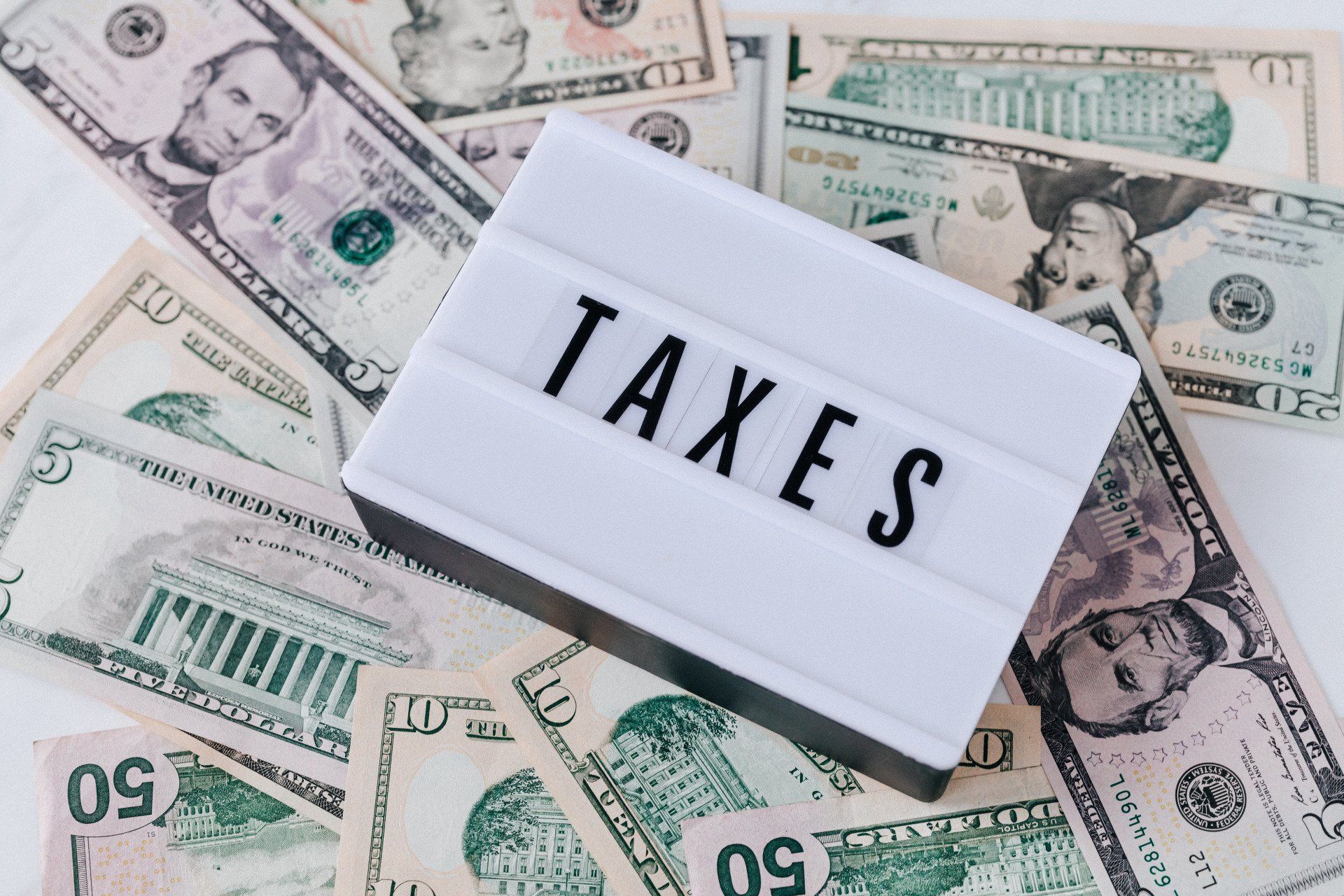
Almost all countries consider houses significant assets because they are significant pieces of property. Therefore, capital gains taxes are often charged on the profit made when selling a property. The profit is the positive difference in the selling price and the amount you originally paid for the home. It also includes all the fees incurred during the sale, including the real estate agent commissions, closing costs, and settlement fees. However, if you sell the property at a loss, you’ll sidestep capital gains taxes on the sale. This is especially true when you sell to a cash home buyer Philadelphia. The buyer will pay lower than the market value of your property because they buy the house as-is, saving you from expensive renovations and repairs.
How Much Is Capital Gains Tax on Real Estate?
To be exempt from capital gains tax on the sale of your home, the home must be considered your principal residence based on Internal Revenue Service (IRS) rules. These rules state that you must have occupied the residence for at least 24 months of the last five years. (1)
The capital gains tax in Philadelphia depends on how long you’ve owned a property before selling it. The government often taxes short-term capital gains as regular income, while the long-term capital gains are taxed at varying rates of up to 20%.
How Does the Cash Sale Process Work?
Many people consider the Philadelphia quick cash home sale as it offers many benefits. It involves selling your property directly to a buyer with readily available cash. Unlike traditional home selling, a cash buyer does not have to wait for financing to close the purchase. It enables them to close the deal in a few days, helping you move forward with your life. Besides, there are minimal risks of the deal falling through because once the buyer makes an offer, they are guaranteed to make the payment within the agreed timeframe.
What Are the Legal Requirements for a Cash Sale?
If you want to sell property for cash Philadelphia, it’s crucial to understand the legal implications for a hassle-free transaction. The legal documentation you need includes the following:
Property Disclosures
A cash home buyer Philadelphia will provide a fair cash offer on your property as-is. However, it’s best to disclose any defects, past repairs, liens, and other details that allow the buyer to know what they are purchasing.
Purchase Agreement
A purchase agreement is one of the critical factors you must consider during a cash sale. It details everything about the sale, including price, terms, and closing dates. It acts as a legally binding agreement, preventing misunderstandings during the transaction.
Title and Insurance
When looking to sell my house fast Philadelphia, a title deed is necessary. In this case, you must have documentation for a thorough title search to prove property ownership. Title insurance could also be required to protect the buyer against any issues after the transaction.
Closing Documents
Paperwork is part of every cash sale. In this case, a knowledgeable cash buyer will help you navigate the complicated paperwork when closing the sale.
What Are the Tax Implications in a Cash Sale
Selling your property to a fast buyer is a huge step, and that’s why you must ensure that you make well-informed decisions. It includes understanding the tax implications and working with a reputable cash home buyer Philadelphia to avoid surprises. The implications you could expect include the following:
Capital Gains Taxes
Capital gains taxes are calculated as the profits you make from a cash sale. The taxes vary depending on how long you’ve owned the property, your income level, and other exemptions. However, if you lived in the property for a specified time, you could be eligible for tax benefits.
Reporting to the IRS
You must fill out all the necessary forms and report your cash sale to the IRS. You should include the selling price and any adjustments when reporting the sale. A company specializing in Philadelphia cash house purchases will guide you throughout the reporting process while ensuring compliance to prevent audits. An experienced buyer could also link you with a qualified tax advisor to ensure you report the sale correctly.
Tax Deductions and Exemptions
Selling a primary residence in a cash sale opens you up to tax deductions and exemptions. This is because not all profit from a cash sale is taxable. You could be qualified for tax exemptions on profits within a specified range. The exemption applies to all married taxpayers, regardless of their age. This is especially true when you have lived in the property for two years out of the five years prior to the sale.
State and Local Taxes
Always consider federal, state, and local taxes that apply to your property before moving forward with a cash sale. You can enlist top-notch services from a reputable tax professional to help you sidestep potential tax liabilities. They can also tailor the best tax-saving strategies to help you minimize your tax burden.
Maneuver Your Cash Sale with Optimal Convenience Today!
A cash home buyer Philadelphia is often the most viable option when planning to sell your property fast for cash. However, it’s also essential to research the tax and legal implications of a cash sale to avoid inconveniences. You will be better prepared for the process by ensuring you have all the relevant documents and that you’ve met all the requirements for a cash sale. This way, you can sell the property in the most streamlined way possible while minimizing your tax burden.
Give us a call anytime at 484-484-0971 or fill out this quick form to get started today!
Get A Fair Cash Offer On Your House

About the author
Mathew Pezon
Mathew Pezon is the founder and CEO of Pezon Properties, a cash home buying company located in Lehigh Valley, Pennsylvania. With several years of experience in the real estate industry, Mathew has become a specialist in helping homeowners sell their properties quickly and efficiently. He takes pride in providing a hassle-free, transparent, and fair home buying experience to his clients. Mathew is also an active member of his local community and is passionate about giving back. Through his company, he has contributed to various charities and causes.