Renting Back Your Home After a Cash Sale: What You Need to Know
Selling your home for cash is a quick and easy real estate transaction. But what if you're not ready to go right after the sale? Then, consider renting your home after cash to allow you to stay around for some time.
In this article,
cash home buyer Allentown covers all the bases on renting your own house again, including reasons, steps involved, key considerations, and possible setbacks. This will help you make a well-informed choice.
Understanding Rent-Back Agreements
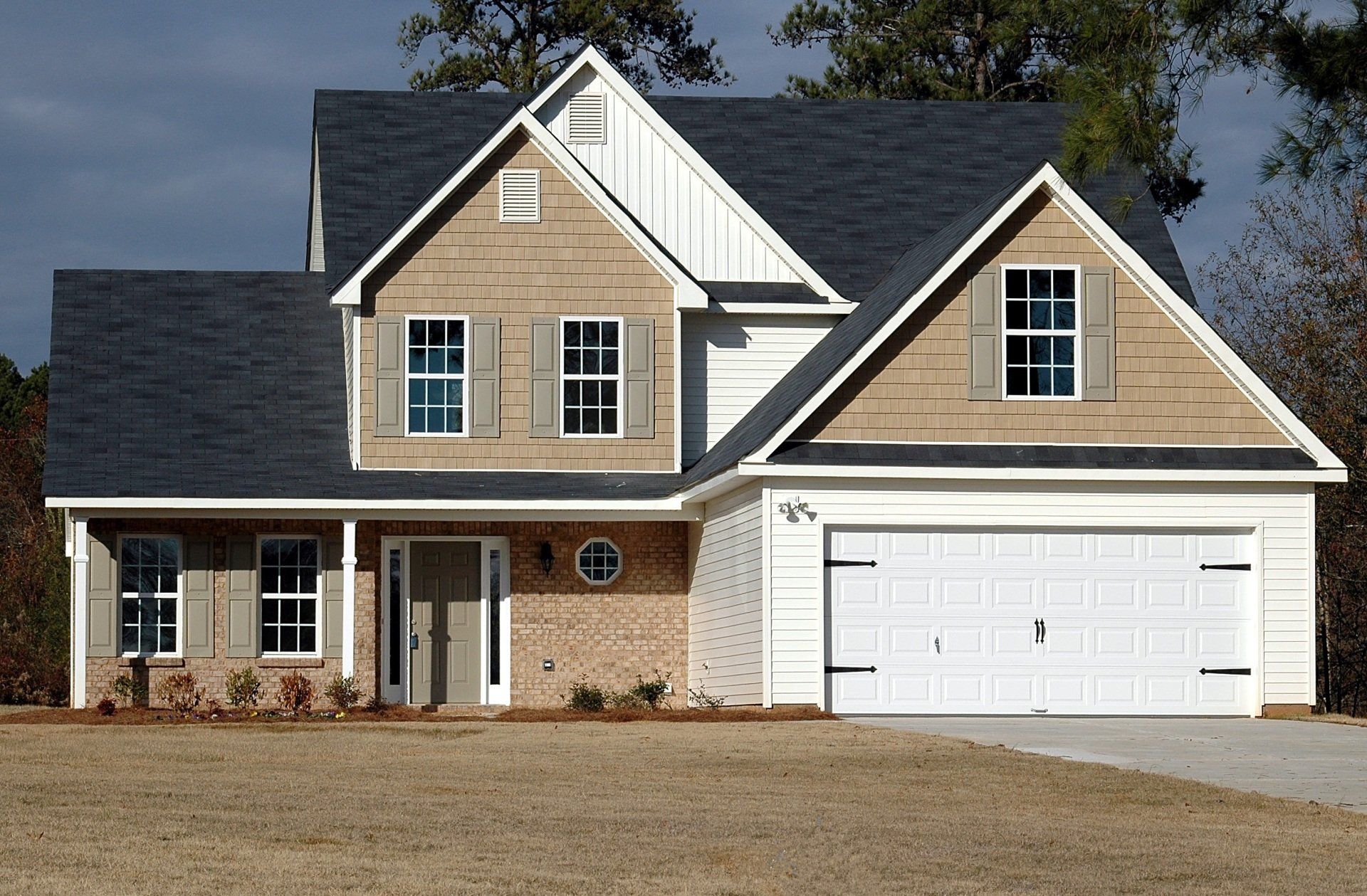
Seller rent-back agreements (also known as seller lease-backs), in which the seller rents back the home from the buyer for an agreed-to term, have become increasingly common in this market. In the past, agents have steered their clients away from rent-backs to avoid potential complications. Still, many agents now embrace them as a temporary solution in a tough housing climate. (1)
In seller lease-backs, the seller takes on the role of renter and remains in residence after the sale closes for a set term. The parties can agree on a time frame ranging from a few days to several months.
Why Consider Renting Back Your Home
After a cash transaction, renting the home back out can be an attractive choice because of the many advantages it provides to both the seller and the tenant.
Transitional Period
Obtaining more time during a changeover is a major advantage of a rent-back arrangement. It can take a long time to find a new place to live that suits your needs, desires, or preferences after a move.
By renting out your previously owned property, you can decide what to do next without feeling rushed.
Convenience
There's no denying the ease of staying put at your current residence. It removes the need for last-minute packing, frantic hotel-room hunting, and the other logistical headaches that come with a sudden relocation. If you have unique needs or desires in a new home, this service will be invaluable.
Eliminates Double Moves
Moving your belongings twice (from temporary housing to your permanent residence and back again) is an unnecessary hassle and financial burden that may be avoided with a rent-back arrangement.
What Steps Are Included in A Rent-Back Arrangement?
Following a cash transaction, you can rent back your home by following these steps:
Negotiations
Before the finalization of a sale, negotiations take place. The seller and the buyer have agreed on all of the rent-back agreement's provisions. Details such as the rent-back period's length, the amount of each month's rent, and the terms of any required security deposits or escrow accounts must be agreed upon.
Binding Contract
A legally binding contract is then negotiated, drafted, and signed by all parties involved. All terms and conditions, such as who is responsible for what in terms of upkeep and utility costs, are detailed in this contract.
Closing
The home sale continues normally as the cash buyer closes on the property. In most cases, the rent-back contract is a separate instrument only activated after the sale has been finalized.
Rent Payments
Now that the seller is technically the tenant, she must start handing out rent money to the buyer each month. During the rent-back period, these payments often cover the cost of using utilities.
Occupancy
The seller continues to live in the property for the life of the lease. They must keep the property in good condition and follow the regulations outlined in the lease during this time.
Move-Out
After the rent-back term ends, the seller no longer occupies the property, and the buyer becomes the legal owner. Unless there are deductions for damage or overdue rent, the seller will get back their whole escrow or security deposit.
Factors to Consider When Renting Back
There are several things to think about before signing a rent-back arrangement, including:
Rent Amount
Be reasonable in your monthly rent negotiations. It should be reasonable and in line with what people are willing to pay for rent in your neighborhood.
Buyer’s Willingness
However, not all cash buyers are willing to negotiate rent-back terms. Finding a buyer who agrees to your terms for a rent-back time is essential.
Security Fund
Find out if the buyer needs to put money in escrow in case of damage or rent nonpayment. Find out what criteria would be used to withhold this cash.
Duration
Set the duration of the rent-back agreement. Ensure it's long enough to settle into your new home without feeling rushed.
Insurance
During the rent-back period, ensure you and the landlord have proper insurance coverage. The new buyer may need to change their house insurance policy to reflect the change in occupancy.
Repairs and Upkeep
Determine who pays for what in the event of a repair or replacement needing to be made within the rent-back period.
Possible Problems and Dangers with Rent-Back Contracts
Rent-back agreements provide a measure of freedom, but they also carry with them certain potential dangers and difficulties;
Customer Turnaround
There is always the risk that the buyer will change their mind and decide not to go through with the sale or the rent-back acceptance, putting you in an awkward position.
Legal Obligations
It's crucial to keep up with regular rent payments and proper property upkeep as specified in the lease. A quarrel or legal trouble may arise if this is not done.
Disputes
Property damage, rent nonpayment, and contrasting interpretations of contractual obligations are only potential sources of contention. These dangers can be lessened with the use of a well-defined contract.
Changing Market Conditions
Major shifts in the housing market through the rent-back period could affect your ability to find a new place to live while staying within your means.
Conclusion
If you want to sell your home for cash but need some extra time to find a new place to live, renting it back may be a good option to explore. However, it weighs the benefits against the hazards and other options to be sure it is the best choice for your needs.
Even better, consult cash home buyer Bethlehem or get legal guidance, negotiate reasonable conditions, and keep lines of communication open. Doing so will allow you to safely and smoothly go through this transitional period while taking advantage of the rent-back arrangement's inherent flexibility.
Give us a call anytime at 484-484-0971 or fill out this quick form to get started today!
Get A Fair Cash Offer On Your House

About the author
Mathew Pezon
Mathew Pezon is the founder and CEO of Pezon Properties, a cash home buying company located in Lehigh Valley, Pennsylvania. With several years of experience in the real estate industry, Mathew has become a specialist in helping homeowners sell their properties quickly and efficiently. He takes pride in providing a hassle-free, transparent, and fair home buying experience to his clients. Mathew is also an active member of his local community and is passionate about giving back. Through his company, he has contributed to various charities and causes.