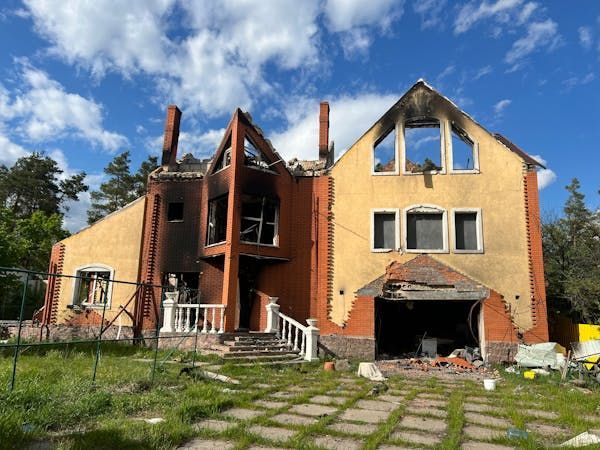
How to Sell Fire Damaged House

Mathew Pezon • October 18, 2024

Fire-damaged homes in Pennsylvania face unique selling challenges. Each year, over 350,000 house fires occur in the US, causing significant property damage. Homeowners with fire-damaged houses often struggle to find buyers and secure fair prices. The emotional and financial stress can be overwhelming for those planning to sell.
 
In Pennsylvania, fire-damaged properties often fetch much lower prices. Smoke damage, structural issues, and safety concerns deter many potential buyers. Homeowners must navigate complex repairs, inspections, and disclosures to achieve a successful sale.
 
In this blog I'll explore the solutions for selling your fire-damaged home in Pennsylvania. We'll explore options like selling as-is, making repairs, or working with cash buyers.

Pezon Properties specializes in purchasing fire-damaged properties at a fair price.


What Exactly is Considered a Fire-Damaged House?


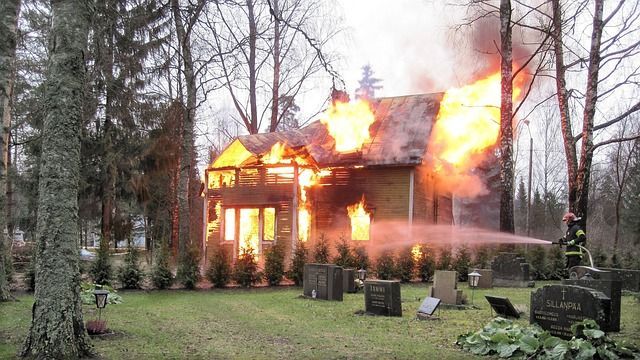
A fire-damaged house has sustained harm from flames, smoke, or firefighting efforts. The extent of damage can vary significantly, affecting the property's value and sellability.


Minor Fire Damage:


• Localized damage to a small area
• Minimal structural impact
• Mostly cosmetic issues like soot or smoke stains


Moderate Fire Damage:


• Damage extends beyond a single room
• Some structural concerns may be present
• Significant smoke and water damage throughout


Severe Fire Damage:


• Extensive structural compromise
• Major portions of the house may be destroyed
• Widespread smoke and water damage


Common Types of Damage:


1. Structural: Weakened walls, floors, or roof
2. Smoke: Pervasive odors and discoloration
3. Water: Moisture issues from firefighting efforts


Fire-damaged homes often require additional inspections by specialists. These assessments can cost between $300 and $1,000, depending on the damage extent.
 
Inspectors evaluate structural integrity, electrical systems, and potential hidden issues. Their reports help determine the necessary repairs and renovation costs.
 
Selling a house with fire damage involves unique challenges. Homeowners must disclose the damage to potential buyers and may face reduced market value.


How Does Fire Damage Affect the Value of a House in Pennsylvania?


Fire-damaged homes in Pennsylvania often sell for much less than undamaged properties. The discount can be substantial, sometimes reaching up to 50% or more off the pre-damage value. Several factors influence the final selling price of a fire-damaged house.
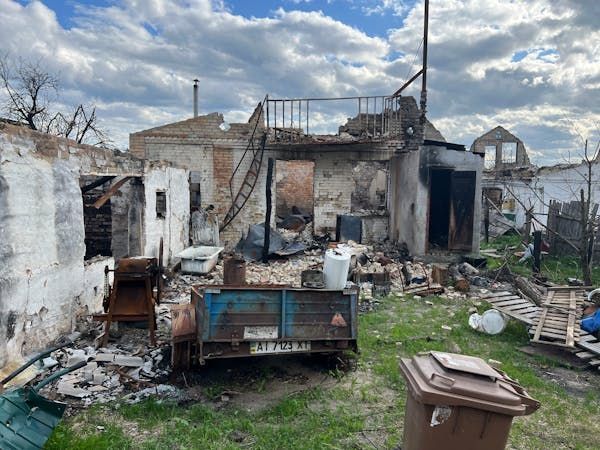
Extent of Damage


The severity of fire damage plays a crucial role in determining the property's value. Minor damage may have less impact, while extensive damage can significantly reduce the price.


Cost of Repairs


Buyers consider the expenses required to restore the home. Higher repair costs typically result in a lower selling price for the fire-damaged property.


Perceived Risk


Some buyers may hesitate to purchase a fire-damaged home due to concerns about hidden issues or future problems. This perception can further decrease the property's value.


Restoration Potential


Properly repaired fire-damaged homes can approach the value of undamaged properties. However, the restoration process must be thorough and well-documented to regain buyer confidence.


Selling Options


Homeowners can choose to sell their house as-is or make the repairs before listing. Each option has its pros and cons, affecting the final sale price.
 
Real estate agents and investors often provide cash offers for fire-damaged homes. These options may be attractive for sellers looking to avoid the hassle of repairs.


Legal Requirements for Selling a Fire-Damaged House in Pennsylvania


Disclosure Laws in Pennsylvania


Pennsylvania law mandates sellers to disclose known defects in their property. This includes fire damage and any subsequent repairs. Honesty about the home's condition is crucial for a smooth home sale process.


Necessary Permits for Repairs


Before selling a fire-damaged house, obtaining proper permits is essential. These documents ensure all repair work meets local standards. Failure to secure permits can lead to complications during the home sale.


Compliance with Building Codes


Local building codes must be followed when repairing fire damage. These regulations ensure the safety and structural integrity of the property. Adherence to codes is vital for selling a home in Pennsylvania.


Legal Risks of Non-Compliance


Sellers face potential legal consequences for non-compliance with regulations. Buyers may pursue legal action if undisclosed issues arise after the sale. To avoid these risks, sellers should document all repairs and disclosures.
 
Selling a fire-damaged house requires careful attention to legal requirements. Proper documentation and compliance can help sellers avoid future legal troubles. Upfront honesty about the property's condition is key to a successful home sale.


Can You Sell a Fire-Damaged House As-Is in Pennsylvania?


Yes, you can sell a fire-damaged house as-is in Pennsylvania. Selling a house "as-is" means offering the property in its current condition without repairs. This option appeals to homeowners who want to sell quickly or avoid renovation costs.
We at Pezon Properties can help you sell houses in Easton, PA and surrounding areas. We buy houses for cash, offering a quick and hassle-free selling process.We buy houses in Easton,Bethlehem, and other neighborhood areas of PA, providing homeowners with a convenient option to sell their properties without the need for repairs or renovations. Our cash offers allow sellers to avoid the complexities of traditional real estate transactions and move forward with their lives quickly.


Pros of selling a fire-damaged house as-is include:


●    Faster sale process
 

●    No repair expenses
 

●    Reduced stress from managing renovations


Cons to consider:


●    Lower selling price
 

●    Smaller pool of potential buyers
 

●    Possible difficulty in securing traditional financing


Investors often show interest in purchasing fire and smoke damaged properties as-is. These buyers typically have the resources to handle extensive repairs and renovations. They may see potential in restoring the fire-damaged house for profit.
 
Before deciding to sell the property as-is, homeowners should assess the extent of the damage. A professional damage assessment can provide valuable insights. This information helps sellers determine if selling as-is is the best option for their situation.
 
Ultimately, selling a fire-damaged house as-is offers a viable solution for those who want to sell quickly without investing in repairs.


How to Prepare a Fire-Damaged House for Sale in Pennsylvania


Assessment


The first step involves evaluating the extent of the fire damage. A professional inspector should examine the property thoroughly. This assessment will determine the necessary repairs and their costs. The inspector's report helps prioritize tasks for selling a fire-damaged house.


Clean-up


After assessment, thorough cleaning is crucial for the selling process. Removing debris, soot, and smoke odors is essential. Professional cleaning services specializing in fire restoration can handle this task effectively. Proper clean-up improves the home's appearance and potential sale value.


Repairs


Common repairs for fire-damaged homes include structural fixes and smoke damage restoration. Water damage repair is often necessary due to firefighting efforts. The average cost of repairs ranges from $8,000 to $18,000. Addressing these issues can significantly impact property value and buyer interest.


Documentation


Keeping detailed records of all repairs and restoration work is vital. This documentation provides transparency for potential buyers. It also helps when you need to disclose the fire damage history. Proper paperwork gives buyers peace of mind about the home's condition.
 
Preparing a fire-damaged house for sale requires careful planning and execution. The process may seem daunting, but it's crucial for a successful sale. By following these steps, you can maximize your chances of selling the fire-damaged property. Remember, professional help can make the selling process smoother and more efficient.


What are the Best Ways to Market a Fire-Damaged House in Pennsylvania?


Marketing a fire-damaged house in Pennsylvania requires a strategic approach. Honest and transparent communication is crucial when selling a property affected by fire. Sellers should disclose the home's condition upfront to attract serious buyers.
 
Highlighting the property's potential can spark interest among investors. Emphasize the home's location, lot size, and structural integrity if it remains intact. These factors often outweigh fire damage for savvy buyers.
 
Targeting investors and renovation enthusiasts is a smart move. These buyers often see opportunities in fire-damaged properties. They may be interested in a fire-damaged house for its potential profit after repairs.
 
Professional photography plays a vital role in marketing these homes. High-quality images can showcase the property's best features despite the damage. Virtual tours empower homeowners to make informed decisions without visiting in person.
 
Real estate investors often seek properties in as-is condition. Emphasizing an as-is sale can attract buyers looking for fixer-uppers. This approach may lead to a quicker sale without extensive repairs.
 
An experienced real estate agent can help navigate the challenges of selling fire-damaged homes. They understand how fire may impact property value and can advise on pricing strategies. Their expertise ensures sellers get a fair price for their damaged property.


Who are the Most Likely Buyers for Fire-Damaged Houses in Pennsylvania?


Investors dominate the market for fire-damaged properties in Pennsylvania. These buyers often seek opportunities to purchase homes at discounted prices. Fix-and-flip investors find particular appeal in houses damaged by fire. They see potential in properties that others might overlook.
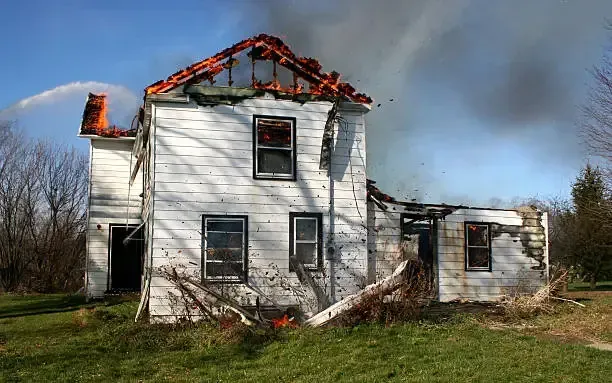
Fire-damaged homes offer a chance for substantial profits after repairs. Investors can often acquire these properties below market value. After renovation, they can sell the house for a significant return. This strategy attracts many real estate professionals to the "as-is" market.
 
Some individual buyers might also show interest in fire-damaged homes. These buyers typically look for a deal on a fixer-upper property. They may have the skills or resources to repair the home themselves. However, such buyers are less common in this market segment.
 
Primary residence buyers rarely consider severely damaged houses. The investment of time and money required often deters them. Concerns about the property's history and potential lingering issues also play a role. Most homeowners prefer move-in ready properties without extensive repair needs.


How Long Does it Typically Take to Sell a Fire-Damaged House in Pennsylvania?


Standard homes in Pennsylvania typically sell within 29 days. Fire-damaged properties, however, often require more time to find buyers. The sale duration for these homes can vary significantly.


Key Factors Affecting Sale Time


Extent of damage plays a crucial role in determining sale speed. Minor smoke damage may have less impact on property value. Severe structural issues can make a house harder to sell.
 
Pricing strategy is another key factor. An appropriate asking price can attract potential buyers faster. Overpricing may lead to prolonged market time.
 
Market conditions also influence sale duration. A seller's market might expedite the process. A buyer's market could extend the timeline for fire-damaged homes.


How to Speed Up the Selling Process


To potentially accelerate the sale, consider these strategies:
 
1. Price competitively based on the home's condition
2. Obtain a thorough home inspector report
3. Be transparent about the fire damage
4. Consider selling your house as-is to investors
5. Address cosmetic issues like smoke odor
 
Remember, there's no guarantee of a quick sale for fire-damaged properties. Patience and realistic expectations are essential in this process.


Pros and Cons of Selling a Fire-Damaged House to an Investor


Pros of Selling a Fire-Damaged House to an Investor:
 
• Quick sale process, often closing within days or weeks
• Investors typically purchase homes "as-is," reducing repair costs
• Cash offers eliminate financing contingencies and delays
• No need for staging or multiple showings
 
Cons of Selling a Fire-Damaged House to an Investor:
 
• Lower sale price compared to traditional market value
• Potential for unfair deals if homeowners are uninformed
• Limited negotiation power due to the property's condition
 
Investors often show interest in fire-damaged properties for various reasons. These properties present opportunities for significant profits after renovation. Approximately one-third of home sales nationally are cash transactions, many involving investors.
 
To protect yourself when dealing with investors:
 
• Research local market values for fire-damaged homes
• Obtain multiple offers from different investors
• Consult with a real estate attorney before signing contracts
• Verify the investor's credentials and track record
 
Investors can provide a viable option for selling a home after a fire. They often purchase houses without extensive repairs, even if load-bearing walls are affected. However, homeowners should carefully consider their options before deciding to sell their house or sell to an investor.


Is it Worth Repairing a Fire-Damaged House Before Selling in Pennsylvania?


The decision to repair a fire-damaged house before selling depends on several factors. Homeowners should consider the extent of damage caused by the fire started. Minor damage might be worth fixing, while extensive damage could be costly. Market conditions in Pennsylvania also play a crucial role in this decision.
 
The cost of repairs versus potential return on investment is another important consideration. Extensive renovations might not yield proportional increases in home value. However, well-executed repairs can significantly boost the property's appeal to potential buyers.
 
Properly restored homes can approach the value of undamaged properties in some cases. This outcome depends on the quality of repairs and market demand. Buyers often prefer move-in ready homes, which could justify the investment in repairs.
 
Selling a fire damaged house "as-is" might be preferable if repair costs outweigh potential gains. Market conditions and buyer preferences in Pennsylvania should guide this decision. Homeowners must weigh these factors carefully to determine the best course of action for their situation.


How to Choose Between a Real Estate Agent and a Cash Home Buyer for Your Fire-Damaged House


Choosing between a real estate agent and a cash home buyer for your fire-damaged house requires careful consideration. Real estate agents offer market expertise and wide exposure for your property. They can potentially secure higher offers but may take longer to sell your home. Commissions and fees are typically associated with agent services.
 
Cash home buyers, like Pezon Properties, provide a faster selling process for fire-damaged properties. These buyers often purchase homes "as-is," eliminating the need for repairs. Quick closings and guaranteed sales are major advantages of this option. However, cash offers might be lower than market value.
 
Most homes, including those affected by fires, are traditionally sold through real estate agents. This method is familiar to many sellers and can provide a sense of security. Agents handle paperwork and negotiations, reducing stress for homeowners.
 
Your decision should be based on your specific circumstances. If time is critical or repairs are extensive, a cash buyer might be ideal. For those seeking maximum value and willing to wait, an agent could be the better choice. Consider your financial situation, timeline, and the extent of fire damage when making your decision.


Common Mistakes to Avoid When Selling a Fire-Damaged House


Overpricing the Property


Sellers often overestimate the value of their fire-damaged homes. Realistic pricing is crucial for attracting potential buyers in this situation.


Inadequate Disclosure


Failing to disclose the full extent of fire damage can lead to legal issues. Transparency about the property's condition is essential for a smooth sale.


Skipping Inspections


Professional inspections are vital for assessing the true extent of damage. Bypassing this step can result in unforeseen problems during negotiations.


Improper Documentation


Thorough documentation of the fire incident and subsequent repairs is necessary. Lack of proper records can deter buyers and complicate the selling process.


DIY Repairs Without Permits


Attempting repairs without proper permits can affect home value negatively. Unpermitted work may lead to issues during inspections or appraisals.


Tips to Avoid These Mistakes


1. Consult a real estate professional experienced in selling damaged properties.


2. Obtain a comprehensive inspection report from a qualified inspector.


3. Maintain detailed records of all repairs and communications with insurance companies.


4. Consider selling the property "as-is" to avoid potential repair-related complications.


5. Be upfront about the property's condition to build trust with potential buyers.


Conclusion


Selling a fire-damaged house in Pennsylvania presents unique challenges for homeowners. Cash home buyers offer a viable solution for those seeking a quick, hassle-free sale. Considering all available options remains crucial for making an informed decision.
 
For a stress-free sale of your fire-damaged property, contact Pezon Properties today. Our team specializes in purchasing homes "as-is," eliminating the need for costly repairs or renovations. We understand the complexities of dealing with properties affected by home fires.
 
Pezon Properties provides a fair cash offer within 24 hours of property assessment. Our streamlined process ensures a fast closing, allowing you to move forward without delays. By choosing a reputable cash home buyer, you avoid real estate agent commissions and lengthy listing periods.
 
Don't let your fire-damaged property burden you any longer. Reach out to
Pezon Properties now for a no-obligation offer and experience the benefits of working with Pennsylvania's trusted cash home buyer. 


Give us a call anytime at 484-484-0971 or fill out this quick form to get started today!

Get A Fair Cash Offer On Your House

Mathew Pezon

About the author

Mathew Pezon

Mathew Pezon is the founder and CEO of Pezon Properties, a cash home buying company located in Lehigh Valley, Pennsylvania. With several years of experience in the real estate industry, Mathew has become a specialist in helping homeowners sell their properties quickly and efficiently. He takes pride in providing a hassle-free, transparent, and fair home buying experience to his clients. Mathew is also an active member of his local community and is passionate about giving back. Through his company, he has contributed to various charities and causes.
By Mathew Pezon April 17, 2026
Selling your house for cash sounds simple, but many homeowners wonder exactly how the process works. If you are thinking about selling to a company like Pezon Properties in Allentown, PA, you want to know what happens at each step. This guide breaks down the entire cash sale process from your first phone call to the day you get paid. Understanding how to sell a house for cash helps you feel confident about your decision. You will see exactly what to expect, how long things take, and how cash sales differ from regular home sales. Let's walk through every part of this process together. What Makes Cash Home Sales Different From Traditional Sales When you sell your house the traditional way, you list it with a real estate agent. You clean, repair, and stage your home. Then you wait for buyers to schedule showings. After someone makes an offer, they usually need to get a mortgage loan approved. This whole process takes months and costs you money in commissions and repairs. Cash home sales work completely differently. A cash buyer, like Pezon Properties, buys your house directly from you. No real estate agents are involved. You do not need to fix anything or clean up. The buyer does not need bank approval because they pay in cash or through quick funding. This means the sale can happen in days instead of months. Another big difference is certainty. Traditional sales can fall through when a buyer's loan gets denied. This happens more often than you might think. About 8% of all home sales fail right before closing because of financing problems. With a cash sale, there is no loan to worry about. Once you accept an offer, the deal almost always goes through. You also avoid many traditional selling costs. No agent commissions (which usually cost 5% to 6% of your sale price). No closing costs in most cases. No money spent on repairs or upgrades. What you see in the offer is what you actually get. The trade-off is usually a lower sale price than market value. Cash buyers need to make a profit when they resell or rent your property. They also assume all repair costs and risks. For many homeowners facing foreclosure, going through a divorce, or needing to move quickly, this trade-off makes perfect sense.
By Mathew Pezon April 16, 2026
Selling your house for cash is much faster than a regular sale. But many homeowners wonder: how does selling a house for cash work, and what exactly happens each step of the way? When you sell to a cash buyer like Pezon Properties, you skip most of the waiting that comes with traditional home sales. There are no bank approvals, no buyer financing falling through, and no months of uncertainty. Instead, you get a clear timeline from start to finish. This guide walks you through every step of the cash offer process. You will learn what happens in the first 24 hours, what to expect during the first week, and how quickly you can get to closing day. By the end, you will understand the entire timeline and know exactly what to expect when you sell your house for cash in Allentown, PA. How Long Does It Take to Sell a House for Cash The typical cash home sale takes 7 to 14 days from start to finish. This is dramatically faster than traditional sales, which usually take 30 to 60 days or longer. Why the big difference? Traditional buyers need to get a mortgage. That means the bank must approve the loan, order an appraisal, and review mountains of paperwork. Any hiccup can delay closing by weeks or even cause the deal to fall apart completely. Cash buyers skip all of that. They have the money ready to go. Once you accept the offer, the only things left are paperwork and a title search to ensure the property is clear to sell. Here is the basic timeline breakdown: Day 1: You contact a cash buyer and share basic details about your home. Most companies respond within hours with an initial estimate or to schedule a viewing. Days 2 to 3: The buyer visits your property or reviews photos. Some companies make offers without even seeing the house in person, though most prefer a quick walkthrough. Days 3 to 5: You receive a written cash offer. This offer is usually good for 7 days, giving you time to think it over or compare with other buyers. Days 7 to 10: Once you accept, the title company starts working. They run a title search to check for liens, unpaid taxes, or other issues that could block the sale. Days 10 to 14: Closing day arrives. You sign papers, hand over keys, and get your cash payment. In some urgent cases, companies like Pezon Properties can close in as little as 7 days if you need to move quickly. The exact timeline depends on your situation. If there are title issues or you need more time to move out, closing might take a bit longer. But most cash sales wrap up in under two weeks from first contact to final payment.
By Mathew Pezon April 15, 2026
Selling a house the traditional way can feel overwhelming. You might worry about repairs, showings, and waiting months for the right buyer. But there is another option. You can sell your house for cash. This process is faster and much simpler. So, how does selling a house for cash work? It breaks down into five easy steps. Each step is clear and straightforward. You do not need to fix anything. You do not need to wait for bank approvals. And you can often close in just days or weeks. Pezon Properties helps homeowners in Allentown sell their houses quickly for cash. We have helped hundreds of people skip the stress of traditional selling. This guide will walk you through each step of our process. By the end, you will know exactly what to expect. Let's get started. Step 1: Contact Us and Share Basic Information The first step is the easiest. You reach out to us. You can call, fill out a form on our website, or send an email. We make it simple to get started. When you contact Pezon Properties, we will ask you a few basic questions. We want to know about your house and your situation. Do not worry, this is not a long interview. We keep it short and simple. Here is what we typically ask: Where is your house located? How many bedrooms and bathrooms does it have? What condition is the house in? When do you need to sell? Why are you selling? You do not need to know every detail. Just give us your best answers. We are not trying to trick you or catch you in a mistake. We just want to understand your situation. Some people worry about sharing too much information. But remember, we are here to help. The more we know, the better we can serve you. Maybe you inherited a house you do not want. Maybe you are going through a divorce. You may be behind on payments. Whatever your reason, we have seen it before. This first conversation usually takes about 10 to 15 minutes. You can do it from your couch. No pressure. No obligation. Just a simple chat about your house and what you need. After we talk, we will schedule a time to see your property. That leads us to step two.
By Mathew Pezon April 14, 2026
Selling your house is a big decision. You want to make the right choice for your situation. Two main options exist: selling for cash or listing with a real estate agent. Each path works differently. Understanding these differences helps you pick what works best for you. Many homeowners in Allentown, PA, wonder how selling a house for cash works compared to the traditional route. The answer involves looking at speed, costs, and the condition your home needs to be in. Cash sales move faster and incur lower fees. Traditional sales often bring higher prices but take longer and require more work. This guide breaks down the key differences. You will learn how each process works. You will see the pros and cons of both options. By the end, you will know which path makes sense for your needs. How Cash Sales Are Faster Than Traditional Listings Time matters when selling a house. Cash sales finish much quicker than traditional listings. Here is why. When you list with a real estate agent, you start a long process. First, you prepare your home for sale. This means repairs, cleaning, and staging. This preparation alone can take weeks or even months. Next, your agent lists the property and schedules showings. You wait for buyers to tour your home. This waiting period varies, but the average home sits on the market for 30 to 60 days in many areas. After you get an offer, more waiting begins. The buyer needs to secure financing from a bank. Mortgage approval takes 30 to 45 days on average. During this time, the bank orders an appraisal. If the appraisal comes in low, the deal might fall through. You start over from square one. The buyer also orders a home inspection. Problems found during inspection often lead to more negotiations or repair requests. Each step adds time to the timeline. Cash sales work completely differently. Companies like Pezon Properties can make an offer within 24 to 48 hours of seeing your home. You do not wait for bank approvals because there is no mortgage involved. The buyer already has the money ready to go. No appraisal is required. No financing contingencies exist to slow things down. You can often close in as little as 7 to 14 days with a cash buyer. Some sellers close even faster if they need to. You pick the closing date that works for your schedule. This speed helps people facing foreclosure, relocating for work, or dealing with inherited property. When life throws you a curveball, waiting four months to sell is not always possible. The inspection process is simpler, too. Cash buyers do a quick walkthrough to assess the property. They are not looking for reasons to back out. They already plan to buy your house in whatever condition it is in. This removes a major source of delays and stress from the selling process.
By Mathew Pezon April 13, 2026
Selling your house for cash is faster than a traditional sale. But you still need paperwork. Many homeowners in Allentown worry about this part. They wonder what documents they need and if the process is complicated. The good news? A cash sale actually requires less paperwork than a regular sale. You skip the mortgage process, which eliminates many forms. Still, you need certain documents to prove you own the home and to transfer it legally. This guide walks you through every piece of paper you will touch during a cash sale. We will break down what you provide, what the buyer gives you, and what happens at closing. By the end, you will know exactly what to expect. Documents You Need to Provide as the Seller When you sell your house for cash, you prove that you own it and that it is ready to sell. The buyer needs to see certain documents before they hand over money. Here is what you typically need to gather. First, you need your property deed. This document shows that you are the legal owner. If you cannot find your original deed, do not panic. You can get a copy from the Lehigh County Recorder of Deeds office. The buyer will check this to make sure no one else has a claim to your property. Next, you should provide a recent mortgage statement if you still owe money on the house. This shows exactly how much you need to pay off. The title company uses this number to calculate your final proceeds. If you own the home free and clear, you will not need this document. Property tax records are also important. The buyer wants to know if your taxes are current. Unpaid property taxes can become the new owner's problem, so buyers check this carefully. You can get these records from your local tax office or online through the Lehigh County website. You may need to show proof of identity, like a driver's license or passport. This prevents fraud and proves you are who you say you are. Some states require notarization for real estate documents, so a valid ID is a must. Disclosure forms are required in Pennsylvania. You must tell buyers about any known problems with the house. This includes issues with the roof, foundation, plumbing, or electrical systems. Honest disclosure protects you from legal trouble later. Companies like Pezon Properties often buy houses as-is, but you still need to be upfront about major issues. If you have made recent repairs or improvements, gather those receipts. While not always required, they show the buyer what work has been done. This can be especially helpful if you replaced the roof, HVAC system or made other major updates. Finally, if your home is part of a homeowners' association, you need HOA documents. These include bylaws, recent meeting minutes, and proof of payment of your dues. The buyer needs to know which rules apply to the property. Most cash buyers in Poconos will tell you exactly what documents they need. Companies that specialize in cash purchases often help you gather missing paperwork. They want the process to move quickly so that they can guide you through each step.
By Mathew Pezon April 10, 2026
Selling your home for cash can feel scary at first. You might wonder if the offer is real or if someone is trying to trick you. These worries are normal. Your home is probably your biggest asset. You want to protect yourself and make smart choices. The good news is that selling to a legitimate cash buyer like Pezon Properties is safe when you know what to look for. Cash sales happen every day in Allentown, PA, and across the country. Most go smoothly because sellers take time to understand the process and spot warning signs. This guide will show you exactly how to protect yourself when selling your house for cash. You will learn how to tell if an offer is fair, what legal protections you have, and which red flags mean you should walk away. By the end, you will feel confident about whether a cash sale is right for you. How to Know If a Cash Offer Is Fair Getting a cash offer is exciting, but you need to make sure the price is reasonable. A fair offer reflects your home's true value, even if it is lower than the retail market price. Here is how to check if the number makes sense. Start by researching your home's value. Look at recently sold homes in your neighborhood that are similar in size and condition. Websites like Zillow can give you a rough estimate, but they are not always accurate. For a better picture, consider getting a professional appraisal. This costs around $300 to $500 but gives you solid numbers to work with. Cash buyers typically offer 70% to 85% of your home's after-repair value. This means they calculate what your house would sell for if it were in perfect condition, then subtract repair costs and their profit margin. If your home needs a new roof, updated kitchen, or major repairs, expect offers on the lower end of that range. Homes in good condition get higher offers. Ask the buyer to explain their offer in writing. Legitimate companies like Pezon Properties will break down the numbers for you. They should show you the estimated market value, the cost of needed repairs, and how they arrived at their final offer. If a buyer refuses to explain their pricing, that is a bad sign. Compare multiple offers if possible. Talk to two or three cash buyers in Allentown. This gives you leverage and helps you understand the going rate for your property. Just because one company offers less does not mean they are dishonest. They might have different business models or see different repair needs. Remember that cash offers are lower than traditional sales for good reasons. You save on realtor commissions (usually 6% of the sale price), closing costs, repair expenses, and months of mortgage payments. You also avoid the risk of buyer financing falling through. When you add up these savings, a cash offer often nets you the same amount with far less hassle.
By Mathew Pezon April 9, 2026
Selling your home for cash can be fast and easy. But it can also feel scary if you don't know what to look for. Not all cash buyers are honest. Some might try to trick you or pressure you into a bad deal. The good news is that you can protect yourself. You just need to know the warning signs. You also need to ask the right questions. This guide will help you spot scams and find a trustworthy cash buyer in Pennsylvania. What Are the Red Flags of a Cash Buyer Scam? Scammers use tricks to confuse sellers. They want you to act fast before you have time to think. Here are the biggest warning signs to watch for. They Ask for Money Upfront A real cash buyer never asks you to pay anything. If someone wants a fee before they buy your house, walk away. This is one of the clearest signs of a scam. Honest companies like Pezon Properties cover all their own costs. You should not pay for inspections, appraisals, or paperwork. They Pressure You to Sign Quickly Scammers create fake urgency. They might say the offer expires in 24 hours. Or they tell you someone else wants to buy your house. Real buyers give you time to think. They want you to feel comfortable with the deal. If someone rushes you, that is a red flag. They won't put the Offer in writing. Verbal promises mean nothing. A legitimate buyer will give you a written offer. This document should include the price, timeline, and any conditions. If a buyer refuses to write things down, something is wrong. They Have No Online Presence Most real businesses have a website and reviews. They show up in online searches. If you cannot find any information about a company, be careful. Scammers often use fake names and disappear after the deal. They Change the Price at Closing Some dishonest buyers offer a good price at first. Then they find reasons to lower it right before closing. They might claim they found problems with the house. A trustworthy buyer sticks to their offer or explains changes clearly and early. They Ask You to Leave Before Closing Never move out before the sale is complete. Some scammers ask sellers to leave early. Then they back out of the deal or delay closing. You could lose your home if you don't make a payment. Always wait until the money is in your account.
By Mathew Pezon April 8, 2026
Selling your home is a big decision. When you need to sell fast, cash buyers are a great option. But many homeowners worry about hidden fees. They wonder what they will really pay when the deal closes. The good news is that cash sales are often simpler than traditional sales. Most cash buyers cover many of the costs that sellers usually pay. However, you should still understand what to expect. This guide breaks down all the fees and costs when you sell to a cash buyer in Pennsylvania. We will look at what cash buyers charge, what closing costs you might pay, and how this compares to working with a real estate agent. By the end, you will know exactly what to expect when you sell your house fast in Pennsylvania. What Fees Do Most Cash Buyers Charge? When you sell to a cash buyer, the fee structure is usually simple and clear. Most reputable cash buyers do not charge any fees. That is right. Zero fees from the buyer to you. Companies like Pezon Properties in Allentown, PA, typically make their money by buying your house below market value. They fix it up and resell it later. They do not add extra charges to their offer. The offer you see is the money you get at closing (minus any costs you agreed to pay). Some cash buyers might charge a small fee for processing paperwork. This is rare, but you should always ask up front. Get everything in writing before you sign any agreement. A good cash buyer will be transparent about all costs from the start. Watch out for cash buyers who add surprise fees at closing. These might include "administrative fees," "processing fees," or "assignment fees." If a buyer mentions these after giving you an offer, that is a red flag. Walk away and find someone more honest. Most legitimate cash buyers will not charge you for a home inspection either. They will do their own inspection to determine the offer price. But they pay for it themselves. You should not see a bill for the inspector. Another thing cash buyers usually do not charge for is marketing or showing your home. Unlike a real estate agent who lists your property, cash buyers just make a direct offer. There are no open houses, no staging, and no professional photos to pay for. The bottom line is this: if a cash buyer is asking you to pay fees before closing, ask questions. Get a detailed breakdown of what those fees are for. Compare their total net offer with other buyers. The best cash buyers keep things simple with no extra charges.
By Mathew Pezon April 7, 2026
Many homeowners in Pennsylvania wonder whether they need to spend money on repairs before selling. The short answer is no. When you sell to a cash buyer like Pezon Properties, you can sell your home exactly as it is. No repairs, no painting, and no deep cleaning required. This sounds too good to be true, right? But it is real. Cash home buyers purchase properties in any condition. They have seen it all: broken windows, old roofs, damaged floors, and homes that need serious work. Understanding what cash buyers accept can save you time, money, and stress. In this guide, we will answer the most common questions about selling your house fast in Pennsylvania without making repairs. You will learn what "as-is" really means, what problems cash buyers will handle, and whether making any fixes actually helps you get more money. What Does Selling As-Is Really Mean? When you sell a house "as-is," you are selling it in its current condition. You do not have to fix anything or replace broken items. You do not even have to clean out the junk in the basement. Traditional home sales work differently. Regular buyers usually want a move-in-ready home. They expect fresh paint, working appliances, and no major problems. If they find issues during the inspection, they often ask you to fix them or lower the price. This creates extra work and unexpected costs for sellers. Cash buyers operate on a different model. Companies like Pezon Properties buy houses in any condition because they plan to fix them up themselves. They have contractors ready to handle repairs. They know how much work the house needs, and they factor that into their offer price. This means you can skip the entire repair process. You do not need to hire contractors. You do not need to wait for work to be completed. You do not need to worry about passing inspections. The cash buyer handles all of that after they buy your house. Selling as-is also means you can leave behind items you do not want. Have old furniture in the attic? Boxes of stuff in the garage? Most cash buyers will clear out these items for you. This is especially helpful if you are moving quickly or dealing with an inherited property. The main benefit is speed. Without repairs to make, you can close much faster. Traditional sales take months because of repairs, inspections, and financing delays. Cash sales can close in as little as seven days in Pennsylvania. However, understand that selling as-is usually means accepting a lower price than a fully renovated home would get. Cash buyers need to make a profit when they resell or rent the property. They subtract repair costs from what they offer you. This trade-off makes sense for many sellers who value speed and convenience over top dollar.
By Mathew Pezon April 6, 2026
Selling your house for cash can feel confusing. How do these buyers come up with their numbers? You may want to know if you can get a fair deal. This guide will help you understand how cash offers work in Pennsylvania. You will learn what affects the price and why these offers look different from traditional sales. How Do Cash Buyers Decide What to Offer? Cash buyers use a clear formula to calculate their offers. They start by looking at your home's after-repair value (ARV). This is what your house could sell for if it were in perfect condition. They research recent sales of similar homes in your neighborhood. These are called comparable sales or "comps." After finding the ARV, cash buyers subtract the cost of needed repairs. They walk through your home and note everything that needs fixing. This includes small items like broken tiles and big issues like roof damage. They get estimates from contractors to figure out the exact repair costs. Next, they subtract their business expenses. Cash buyers need to cover holding costs, such as property taxes and insurance, while they own the home. They also factor in closing costs, which can be 2% to 3% of the sale price. Marketing costs to resell the home are part of the equation, too. Finally, cash buyers include their profit margin. Most aim for 10% to 20% profit. This might sound high, but remember, they take on all the risk. If repairs cost more than expected or the market drops, they lose money. Here is a simple example. Say your home's ARV is $200,000. Repairs will cost $30,000. Business expenses total $10,000. The buyer wants a $20,000 profit. The offer would be $140,000 ($200,000 minus $30,000, $10,000, and $20,000). Companies like Pezon Properties follow this type of formula. They aim to be transparent about how they calculate offers. The goal is to give you a fair cash price while covering their costs and risks. Location affects offers, too. Homes in popular Pennsylvania neighborhoods get higher offers. Properties in areas with strong demand are easier to resell. Cash buyers can pay more when they know the home will sell quickly.