How to Handle a Property with Liens When Selling to a Cash Buyer

Pezon Properties • June 9, 2023

A lien is a legal right or claim against a property by a creditor. Liens are commonly placed against property such as homes and cars so that creditors, such as banks and credit unions, can collect what is owed to them. Liens can also be removed, giving the owner full and clear title to the property.(1)


Selling a property can be a complex process, especially if there are liens on the property. A lien is a legal claim against a property by a creditor, typically a bank or credit union, to collect what is owed to them. When you're looking to sell my house fast bethlehem PA, it's essential to understand how to handle liens and ensure a smooth transaction with a cash buyer. In this blog post, we will discuss the steps involved in managing a property with liens when selling to a cash buyer.
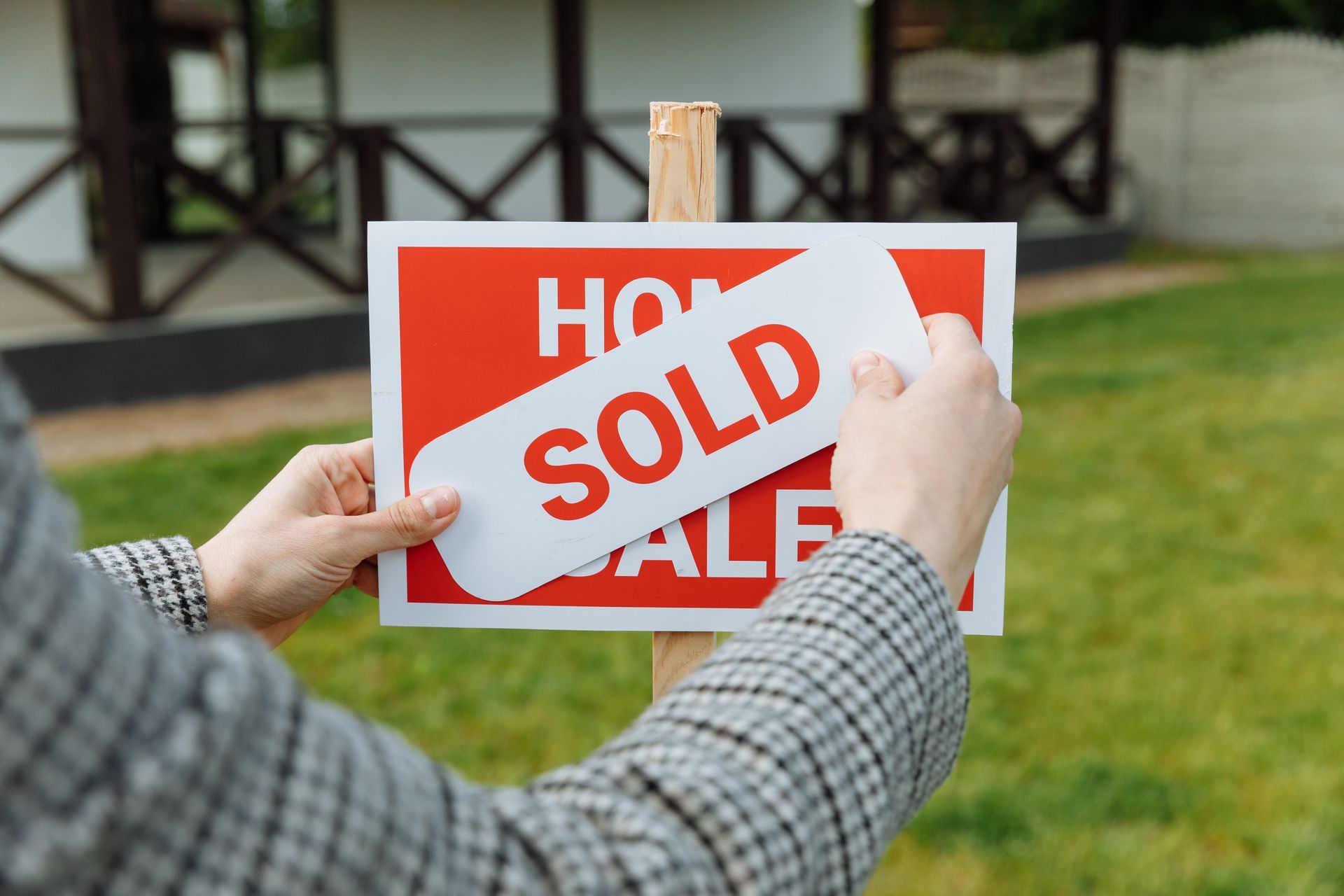
sell my house fast bethlehem pa

1. Identify and Understand the Liens

The first and most crucial step in handling a property with liens when selling to a cash buyer is to identify and thoroughly understand the liens on your property. Conducting a comprehensive title search or seeking assistance from a knowledgeable real estate attorney is essential to determine all existing liens.


During the title search, various types of liens may be uncovered, such as mortgages, tax liens, mechanic's liens, or any other outstanding debts or judgments against the property. It's crucial to have a clear understanding of the type and amount of each lien to navigate the selling process effectively.


A thorough title search will reveal the liens recorded against the property, including the name of the lienholder, the amount owed, and any associated terms or conditions. This information will help you make informed decisions and take appropriate steps to address the liens during the sale process.


Consulting with a real estate attorney can provide valuable guidance and expertise in interpreting the findings of the title search. They can help you understand the legal implications of the liens and provide advice on the best course of action.


By identifying and understanding the liens, you will be well-prepared to address them appropriately when dealing with potential cash buyers. This knowledge will enable you to provide accurate information to interested parties and negotiate the sale more effectively.


Remember, transparency and full disclosure regarding the liens on your property are crucial when engaging with cash buyers. Providing accurate information and being proactive in addressing the liens will help build trust and facilitate a smoother transaction.

2. Communicate with the Lienholders

Once you have identified the liens, it's crucial to establish open lines of communication with the lienholders. Contact each creditor to discuss the outstanding debts and inform them of your intention to sell the property. Transparency and communication are essential to ensure a smooth and successful transaction. Discuss the possibility of lien satisfaction or lien release to clear the title.

3. Assess the Property's Value

Before proceeding with the sale, it is essential to determine the current market value of your property. This step is crucial in assessing the feasibility of satisfying the liens and ensuring you can still make a profit. Hiring a professional appraiser or consulting with a reputable real estate agent is highly recommended for an accurate valuation.


A professional appraiser will conduct a thorough evaluation of your property, considering factors such as location, size, condition, comparable sales in the area, and any unique features. Their expertise will provide you with an objective and reliable estimate of your property's value. Alternatively, a real estate agent with experience in your local market can also provide a comprehensive market analysis. They will assess recent sales data, market trends, and property features to arrive at a fair market value.


Knowing the property's value allows you to negotiate confidently with potential cash buyers. It provides you with a benchmark to determine a reasonable asking price that accounts for both the liens and your desired profit margin.

By understanding the property's value, you can assess whether the sale proceeds will be sufficient to satisfy the liens and cover any additional expenses. This knowledge empowers you to make informed decisions and navigate the selling process more effectively.

4. Negotiate with Cash Buyer

When selling a property with liens, cash buyers can often provide a quick and hassle-free solution. Cash buyers are typically real estate investors who have the resources to purchase properties as-is, including those with liens. Seek out reputable cash buyers in the Bethlehem, PA or Easton, PA area who have experience handling properties with liens. Discuss your situation and negotiate a fair price for your property, considering the outstanding liens.

5. Proceeding with the Sale

Once you have agreed upon a price with a cash buyer, you'll need to work on resolving the liens. There are several options available:


  • Pay Off the Liens: If you have sufficient funds, you can pay off the liens before the closing date. This will ensure the property has clear title and can be transferred to the buyer.
  • Negotiate Lien Settlement: In some cases, lienholders may be willing to negotiate a reduced payoff amount or a settlement agreement. This can be an effective way to satisfy the liens while still selling the property.
  • Use Sale Proceeds to Satisfy Liens: If the sale price of your property is higher than the total amount of liens, you can use the proceeds from the sale to satisfy the outstanding debts.

6. Seek Professional Assistance

Dealing with liens during a property sale can be complex. It's highly recommended to seek professional assistance from a real estate attorney or a title company specializing in lien resolution. These professionals can guide you through the process, ensure all legal requirements are met, and help you navigate any challenges that may arise.

Conclusion

Selling a property with liens can seem daunting, but with the right approach and professional guidance, it can be successfully accomplished. When looking to sell my house fast easton pa to a cash buyer, it's crucial to identify and understand the liens, communicate with lienholders, assess the property's value, negotiate with cash buyers, and resolve the liens before the closing. Remember to seek assistance from professionals to ensure a smooth and legally compliant transaction. With careful planning and the right resources, you can sell your property efficiently, even with existing liens.

Give us a call anytime at 484-484-0971 or fill out this quick form to get started today!

Get A Fair Cash Offer On Your House

Mathew Pezon

About the author

Mathew Pezon

Mathew Pezon is the founder and CEO of Pezon Properties, a cash home buying company located in Lehigh Valley, Pennsylvania. With several years of experience in the real estate industry, Mathew has become a specialist in helping homeowners sell their properties quickly and efficiently. He takes pride in providing a hassle-free, transparent, and fair home buying experience to his clients. Mathew is also an active member of his local community and is passionate about giving back. Through his company, he has contributed to various charities and causes.
By Mathew Pezon June 12, 2026
If you are a first-time home buyer, 3 percent down is often the minimum you need to get started, and this article will walk you through exactly how that works. By the end, you will know what lenders expect, how different loan types compare, and how to figure out which option fits your situation best. Buying your first home can feel overwhelming. But once you understand how down payments work, the process gets much simpler. Let's break it down step by step. What Are the Down Payment Requirements for First-Time Home Buyers? Most first-time buyers in Northampton, PA are surprised to learn that 20 percent down is not required. That number is a myth that has stopped many people from even trying. The real minimum depends on the loan type you choose and the lender's guidelines that apply to your situation. The Basic Rules Most Lenders Follow Lenders set down payment requirements based on risk. The more money you put down, the less risk the lender takes on. That is why buyers who put less down are usually required to pay mortgage insurance, which protects the lender if you stop making payments. Here is a quick look at common minimum down payment options: Conventional loans: as low as 3 percent FHA loans: 3.5 percent minimum VA loans: 0 percent (for eligible veterans) USDA loans: 0 percent (for eligible rural properties) Each loan type has its own rules, income limits, and credit score requirements. Knowing your options gives you real power in the home-buying process. How Your Loan-to-Value Ratio Affects Your Approval Your loan-to-value ratio is the size of your loan compared to the value of the home. If you buy a home worth $200,000 and put $6,000 down (3 percent), your loan amount is $194,000. That gives you a loan-to-value ratio of 97 percent. A higher loan-to-value ratio means more risk for the lender. This is why buyers with lower down payments often face stricter credit score requirements. It is also why mortgage insurance is almost always required when you put down less than 20 percent. Why First-Time Buyers Often Have Less Saved Saving for a home while paying rent is genuinely hard. Many first-time buyers have solid incomes but have not had years to build up savings. Lenders understand this, which is why low-down-payment programs exist in the first place. The good news is that many of these programs also allow gift funds from family members. Some programs even allow grants that do not need to be repaid. Ask your lender about all the sources that count toward your down payment.
By Mathew Pezon June 11, 2026
Understanding the Requirements for a Mortgage Pre-Approval Letter can save you time, money, and stress when buying a home. In this article, you will learn exactly how pre-approval and pre-qualification differ, and why that difference matters when you are ready to make an offer in Slatington, PA . Many buyers use these two terms as if they mean the same thing. They do not. Mixing them up can slow down your home search or cause a seller to pass on your offer entirely. Let's break each one down clearly so you know exactly where you stand. What Does Mortgage Pre-Qualification Actually Mean? Prequalification is usually the very first step in the home-buying process. It gives you a rough idea of how much you might be able to borrow based on basic financial information you share with a lender. Think of pre-qualification as your buyer's financial snapshot. It is a quick snapshot of your finances, but not a deep dive. What Information Do You Provide? During pre-qualification, the lender typically asks for: Your estimated income Your monthly debt payments Your general credit score range Your down payment savings You share this information verbally or through a short online form. The lender does not verify any of it at this stage. No pay stubs. No bank statements. No tax returns. Does Pre-Qualification Affect Your Credit Score? Most lenders run a soft credit inquiry during pre-qualification. A soft credit inquiry does not hurt your credit score. It is a surface-level look at your credit history, not a full pull. This makes prequalification a low-risk step you can take early, even before you are fully ready to buy. What Do You Get at the End? At the end of pre-qualification, the lender gives you a general price range you may qualify for. Some lenders also provide an informal loan estimate, which is a rough idea of your interest rate and monthly payment. This is not a guaranteed number. It is simply a starting point to guide your home search. Prequalification helps set your budget, but it carries very little weight with sellers. That is an important distinction we will cover next.
By Mathew Pezon June 10, 2026
Find the Best Real Estate Agents Ratings, and you already have a head start on most homeowners in the Lehigh Valley. In this guide, you will learn exactly how to search for, compare, and choose a top local agent so your home sale goes smoothly from day one. Selling or buying a home is one of the biggest financial moves most people ever make. The agent you pick can mean the difference between a fast sale at a great price and months of frustration. Fountain Hill, PA has no shortage of agents, but not all of them deliver the same results. Knowing where to look and what to check makes the whole process much easier. How Do I Find the Best Real Estate Agents Near Me in Allentown, PA? Starting your local realtor search in the right places saves you time and protects your money. Many homeowners make the mistake of going with the first name they see on a yard sign. A smarter approach uses multiple sources to compile a shortlist of proven professionals. Use Verified Online Platforms First Start with platforms that pull public data and verified reviews together in one place. Sites like Zillow, Realtor.com, and Google Business Profiles show agent transaction history, ratings, and recent activity. Look for agents who have closed deals specifically in Allentown neighborhoods, not just the broader Lehigh Valley. Check how many homes they sold in the last 12 months. Look at their average days on market. Read at least 10 reviews before forming an opinion. The number of transactions matters more than a flashy website or a polished photo. Check the Pennsylvania Real Estate License Lookup Every licensed agent in Pennsylvania must hold an active real estate license. The Pennsylvania State Real Estate Commission maintains a public database where you can verify any agent's credentials. This real estate license lookup step takes about two minutes and confirms the agent is legally allowed to practice. Search by name or license number at the PALS (Pennsylvania Licensing System) portal. Look for any disciplinary actions or license suspensions. A clean record is a basic requirement, not a bonus feature. Ask Your Network for Direct Referrals Word of mouth still carries serious weight in Allentown's real estate market. Ask neighbors, coworkers, and family members if they have worked with a strong seller's agent recently. A personal referral often comes with honest details you would never find in an online bio. When you get a referral, ask the person these three questions: Did the agent communicate clearly throughout the process? Did the home sell at or above the listing price? Would you hire that agent again today? Those three answers tell you almost everything you need to know.
By Mathew Pezon June 9, 2026
Current 30-year fixed mortgage rates are among the most-searched terms in real estate right now, and for good reason. This article breaks down exactly how the 30-year fixed rate stacks up against other popular loan options so you can make a smarter, more confident borrowing decision. Choosing the wrong loan type can cost you tens of thousands of dollars over time. Whether you are buying your first home in Catasauqua, PA or refinancing an investment property, understanding your options is the first step toward keeping more money in your pocket. How Does the Current 30 Year Fixed Rate Compare to a 15 Year Fixed Loan? The 30-year fixed and the 15-year mortgage rates are the two most common loan terms in the country. They share a lot in common, but their differences can have a massive impact on your finances. Monthly Payment Differences The biggest difference most buyers notice first is the monthly payment. A 30-year loan spreads your balance over 360 payments. A 15-year loan compresses that same balance into 180 payments. Here is a simple example using a $250,000 loan: 30-year fixed at 7.00%: Roughly $1,663 per month 15-year fixed at 6.40%: Roughly $2,175 per month That is about $512 more per month on the 15-year loan. For many buyers, that difference is a dealbreaker. For others, it is worth every penny. Total Interest Cost Over the Life of the Loan This is where the loan term comparison gets eye-opening. The total interest cost over a 30-year loan at 7.00% on $250,000 is nearly $349,000. On a 15-year loan at 6.40%, you pay closer to $141,000 in total interest. That is a difference of more than $200,000. You could buy a second property with those savings. The 15-year loan almost always wins on total interest cost, but the higher monthly payment means you need a higher income to qualify. Which Borrower Benefits Most From Each Term? The 30-year term works best for buyers who need lower payments to qualify or who want more monthly cash flow. The 15-year term is better for buyers with extra income who want to build equity quickly. A good way to think about it: choose the 30-year loan if cash flow is tight, and choose the 15-year loan if paying off debt fast is your priority. Now that you understand how these two terms compare, it is worth looking at a completely different type of loan structure.
By Mathew Pezon June 8, 2026
If you are about to buy your first home, the Closing Costs Breakdown Buyer Fees Explained in this article will save you from expensive surprises at the closing table. By the end, you will know exactly what you owe, why you owe it, and how to prepare for every dollar. Buying a home is exciting. But many first-time buyers focus only on the down payment and forget about closing costs entirely. Then they get a document called a Closing Disclosure, a few days before closing, and feel overwhelmed. That does not have to happen to you. What Are Closing Costs and Why Do Buyers Have to Pay Them? Closing costs are the fees and expenses you pay to finalize a home purchase. They are separate from your down payment. Think of them as the price of doing business in a real estate transaction. These costs arise because many parties are involved in a single home sale. Lenders, title companies, attorneys, appraisers, and local governments all play a role. Each one charges a fee for their part of the work. Where Do Closing Costs Come From? Real estate transaction costs come from three main sources. First, your lender charges fees to process and approve your loan. Second, third-party service providers, such as title companies and appraisers, charge for their services. Third, your local government collects taxes and recording fees. In Reading, PA , buyers also deal with Pennsylvania-specific transfer taxes. These are split between the buyer and the seller, but they still affect your total settlement fees. Knowing who charges what helps you ask the right questions before closing day. What Is a Loan Estimate? When you apply for a mortgage, your lender must provide you with a Loan Estimate within 3 business days. This document breaks down every expected cost in a clear format. It is your first chance to review your home purchase expenses before they become final. Read it carefully. Compare it to estimates from other lenders. Small differences in loan origination charges can add up to hundreds of dollars over time. What Is a Closing Disclosure? Three business days before closing, your lender sends a Closing Disclosure. This document shows the final numbers for every fee. It should closely match your Loan Estimate. If something looks very different, ask your lender to explain the change right away. You have the right to understand every line before you sign anything.
By Mathew Pezon June 5, 2026
Using an online house affordability calculator can feel like magic, but the math behind it is simpler than you think. In this article, you will learn exactly how these tools calculate your home buying power and which inputs matter most for getting accurate results. If you have ever typed your salary into one of these calculators and wondered why it spat out a number, you are not alone. Most buyers in Easton, PA use these tools without fully understanding what is happening under the hood. Once you understand the logic, you can use any affordability calculator with much more confidence. What Does a House Affordability Calculator Online Tool Actually Measure? At its core, an online house affordability calculator does one thing: compare your income to your debts. It uses that comparison to estimate the largest monthly payment you can safely handle. From there, it works backward to find a home price range. The tool is not guessing. The following rules are the ones lenders use when reviewing mortgage applications. Knowing those rules helps you understand why your result looks the way it does. The Role of Gross Annual Income Every affordability calculator starts with your gross annual income. This is your income before taxes and deductions are taken out. Lenders do not use your take-home pay because they want a consistent, easy-to-verify number. If you earn $75,000 per year, the calculator divides that by 12 to get your gross monthly income of $6,250. This single number drives almost every other calculation in the tool. Getting this input right is the most important step you can take.
By Mathew Pezon June 4, 2026
If you are wondering, "Should I Buy a House in the 2026 Market?", you are not alone. This article breaks down exactly what is happening with home prices right now, so you can make a smarter decision with your money. The short answer is this: prices are still rising in most areas, but the pace has slowed down. That matters a lot if you are a buyer in Bethlehem, PA waiting on the sidelines. Let's dig into the details so you know exactly what you're dealing with. Are Home Prices Going Up or Down in 2026? Home prices in 2026 are going up, but not as fast as they were in 2021 and 2022. That rapid spike is over. What we have now is a slower, steadier climb that looks more like a normal market. National Price Trends Right Now The national median home price sits around $415,000 as of early 2026. That is up roughly 4 to 5 percent from 2025. Buyers are paying more than they were a year ago, but not dramatically more. The housing affordability index has improved slightly compared to late 2024. That means buying a home is a little more manageable for average earners. Lower mortgage rates have helped more than price drops have. What Is Happening With Price Per Square Foot The price per square foot nationally is hovering around $215 to $235, depending on the region. In suburban and rural markets, you can still find homes well below that range. Urban cores and high-demand suburbs push that number much higher. Here is why this number matters: It lets you compare homes of different sizes fairly It shows you where value is hiding in a market It helps you spot overpriced listings quickly It is a great negotiation tool when making an offer Are Sellers Still in Control? In most markets, sellers still have the upper hand, but not by much. Inventory has grown compared to 2022 and 2023. Buyers are seeing more choices, and that has created some breathing room. Seller concessions are becoming more common. Sellers are offering to pay closing costs, buy down interest rates, or cover repair credits. This is a real shift from the take-it-or-leave-it attitude of just a few years ago. Now that you understand the big picture, let's look at which specific markets are moving the fastest.
By Mathew Pezon June 3, 2026
If you need to sell your home fast, getting a 24 Hour Cash offer for your house might be the smartest move you can make. This article walks you through every step of the process so you know exactly what to expect and can move forward with total confidence. Selling a home the traditional way can take months. You deal with showings, repairs, lender delays, and deals that fall through at the last minute. But cash home buyers in Allentown, PA work differently. We cut out the noise and give you a real offer fast, sometimes within a single business day. How Does the 24 Hour Cash Offer Process Work From Start to Finish? The process is simpler than most homeowners expect. Once you understand each step, the whole experience feels a lot less stressful and a lot more manageable. Step One: You Reach Out and Share Basic Details Everything starts when you contact us. You fill out a short form or make a quick phone call. You share basic facts about your home, including the address, the property type, and a rough idea of its current condition. This first step takes less than five minutes. There is no pressure, no commitment, and no obligation offer required on your end at this stage. You are simply opening the door to a conversation. Step Two: The Property Evaluation Begins Once we receive your information, the property evaluation process begins immediately. A local home buying specialist reviews your details and researches your neighborhood. We review recent sales in Allentown, PA, to determine your home's value in today's market. This research phase is thorough but fast. The goal is to understand your home's value without wasting your time. You will not wait days just to hear back. We move quickly so you can make an informed decision as soon as possible.
By Mathew Pezon June 2, 2026
If you are thinking about selling your home for cash, knowing how to spot legitimate cash home buyers and avoid scams is the most important skill you can have. This article breaks down five clear signs a buyer is real, so Pennsylvania homeowners can protect themselves before signing anything. Selling your home fast sounds appealing. But scammers know that too. They target homeowners who are stressed, behind on payments, or just want a quick sale. The good news is that spotting a fake buyer is easier than you think once you know what to look for. What Are the Biggest Warning Signs of a Cash Buyer Scam? Before we talk about what makes a buyer legitimate, let us first cover the red flags. Knowing the bad signs helps you recognize the good ones faster. They Pressure You to Sign Immediately Real buyers give you time to review a contract. If we ever rush you to sign before you can read anything, that is a serious problem. Pressure tactics are among the most common red flags for cash buyers in real estate. Legitimate buyers understand that selling a home is a big decision. We welcome questions and want you to feel comfortable with every step. No trustworthy company should threaten to make an offer expire in the next hour. They Cannot Provide Written Documentation Any serious buyer should be able to hand over paperwork without hesitation. If someone cannot show you a signed purchase agreement or basic business documents, walk away. A real company has nothing to hide. Scammers rely on vague promises and verbal agreements. They avoid paper trails because paper trails expose them.
By Mathew Pezon May 29, 2026
If you want to sell your house fast without repairs, you are not alone, and this article will show you exactly which situations make an as-is home sale the smartest decision. Thousands of homeowners in Fleetwood face moments when fixing up a property simply isn't possible, and knowing your options can save you time, money, and serious stress. Selling a home the traditional way sounds simple on the surface. But the reality often includes costly repairs, picky buyers, and months of waiting. For many people, a faster and cleaner path exists. Understanding when to take that path is what separates a good outcome from a painful one. What Life Situations Push Homeowners to Sell Without Repairs? Life rarely gives warning before it gets complicated. A job loss, a health crisis, a divorce, or a sudden move can make the idea of renovating a home feel completely out of reach. These are the moments when homeowners in Allentown, PA, start asking whether selling as-is makes sense. Job Loss and Financial Pressure When income disappears, monthly bills pile up fast. Homeowners who are behind on mortgage payments cannot afford to spend thousands on new flooring or a roof replacement. Every dollar matters. Selling quickly without repairs lets families protect their credit and move forward without extra debt. Buyers who purchase homes as-is, like the team at Pezon Properties, expect properties in imperfect condition. We factor repair costs into their offer, which means you never have to open your wallet for a single fix. That straightforward process helps people in financial hardship, in home-sale situations, avoid foreclosure and other long-term damage. Divorce and Relationship Changes Divorce is one of the most common reasons people need to sell a home quickly. When two people split, neither party usually wants to coordinate repairs, contractors, or showings. The goal becomes moving on as fast as possible. An as-is sale removes that friction entirely. Both parties agree to sell the property in its current condition, receive a fair cash offer, and divide the proceeds. No arguments about who pays for the kitchen remodel. No delays waiting for permits or inspections to clear. Sudden Relocation for Work or Family Relocation timelines are rarely flexible. When a new job starts in six weeks or a family member needs care in another state, you cannot spend three months fixing up a house. You need a buyer who moves at your pace. Selling as-is to a cash buyer like Pezon Properties in Allentown, PA, can close in as few as 7 to 14 days. That speed gives you breathing room to focus on the move itself rather than managing a renovation project from a distance. Now that you understand how life events drive these decisions, let us look at what happens when financial pressure reaches a critical point and whether an as-is sale can provide real relief.