Swift Home Sale Mastery: Transform Your Space

Pezon Properties • February 16, 2024

Selling a house requires strategic choreography, and a poorly orchestrated presentation can lead to a lackluster performance on the market. The key lies in the art of home makeover mastery—an essential skill for transforming your space into a buyer's dream retreat. The challenge? Making each room a harmonious symphony of purpose and functionality.


Make sure that each room has a single, defined purpose. And make sure that every space within each room has a purpose. This will help buyers see how to maximize the home’s square footage. If you have a finished attic, make it into an office. A finished basement can become an entertainment room, and a junk room can be transformed into a guest bedroom. (1)


Herein, we will share tips and tricks on transforming your space into an inviting and functional home, ready to entice potential buyers.
we buy houses Philadelphia

Simplify Your Space for a Fresh Start

Clutter has a way of overshadowing a home's true potential, leaving potential buyers overwhelmed and unable to envision their own lives within its walls. By embracing simplicity and decluttering each room, you create a canvas where cash home buyer Reading can project their dreams. A clutter-free space not only appears more spacious but also allows your home's unique features to shine, making it more attractive and inviting. It's about fostering a sense of openness that helps potential buyers move in and mentally make the space their own.


Start with a room-by-room assessment to successfully implement this transformative tip and achieve a Quick cash home sale Reading. Identify items that serve no purpose or add unnecessary visual noise. Consider storage solutions like stylish baskets or shelves to organize essential items. Pack away personal items to depersonalize the space, enabling potential buyers to envision the home as their own. Focus on creating a clean, streamlined aesthetic by removing excessive furniture and decor.

Define Each Room's Purpose

Potential buyers often struggle to visualize how they would utilize a space if it lacks a clear and defined purpose. Ambiguous rooms can leave them uncertain about the functionality of a home and might even deter their interest. By assigning a specific purpose to each room, you provide clarity and showcase your property's full potential. This tip ensures that every square foot of your home contributes to the overall functionality and appeals to a broad spectrum of prospective buyers.


Designate a clear purpose for each space, such as a home office, entertainment room, or guest bedroom. Remove any furniture or decor that deviates from the designated purpose to create a cohesive and purposeful atmosphere. Consider utilizing versatile furniture and strategic layouts to accentuate the room's intended function. For instance, transform a finished attic into a functional home office or a basement into an inviting entertainment haven. Make sure each room tells a compelling story of its potential, enticing potential buyers to envision how they could maximize the space in their daily lives.

Make a Good First Impression

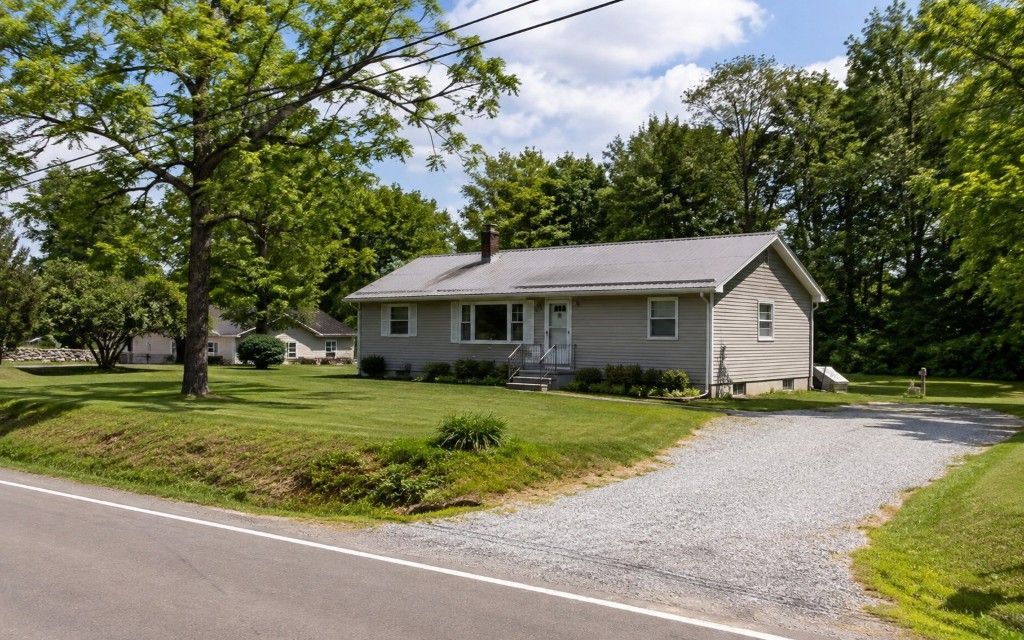
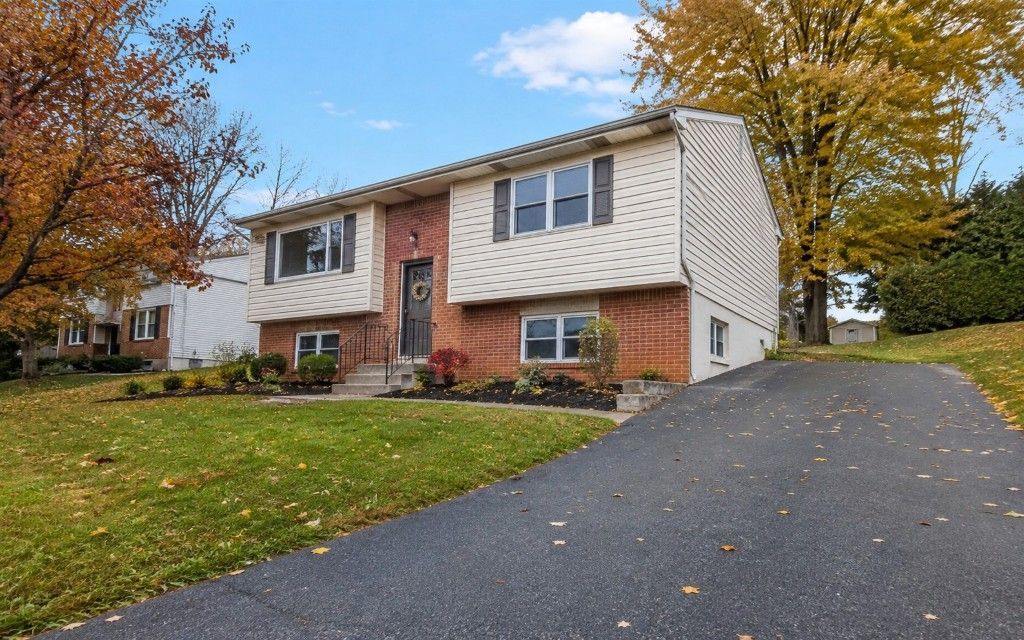
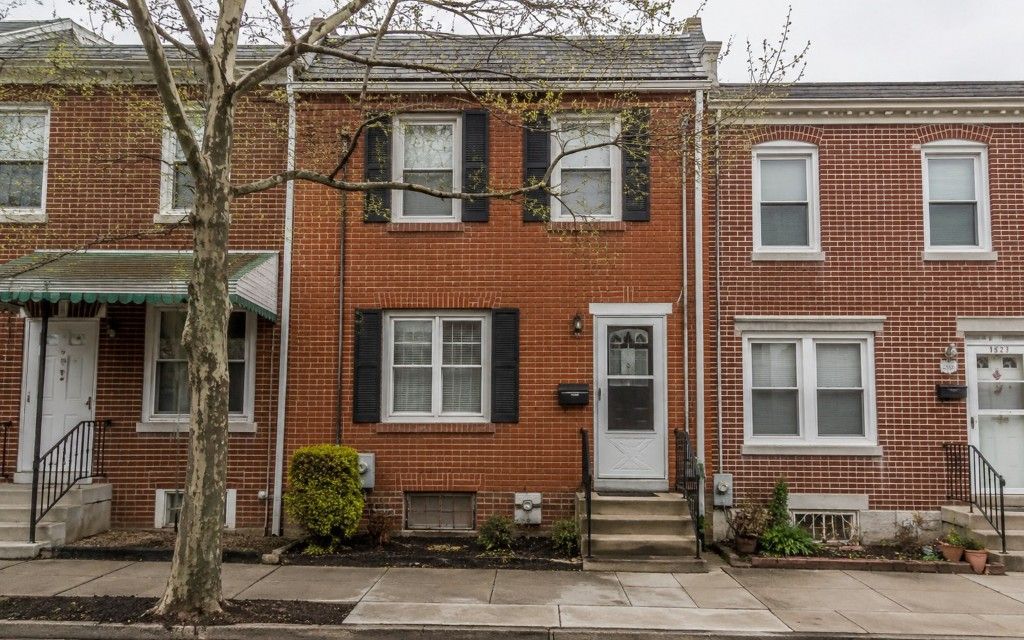
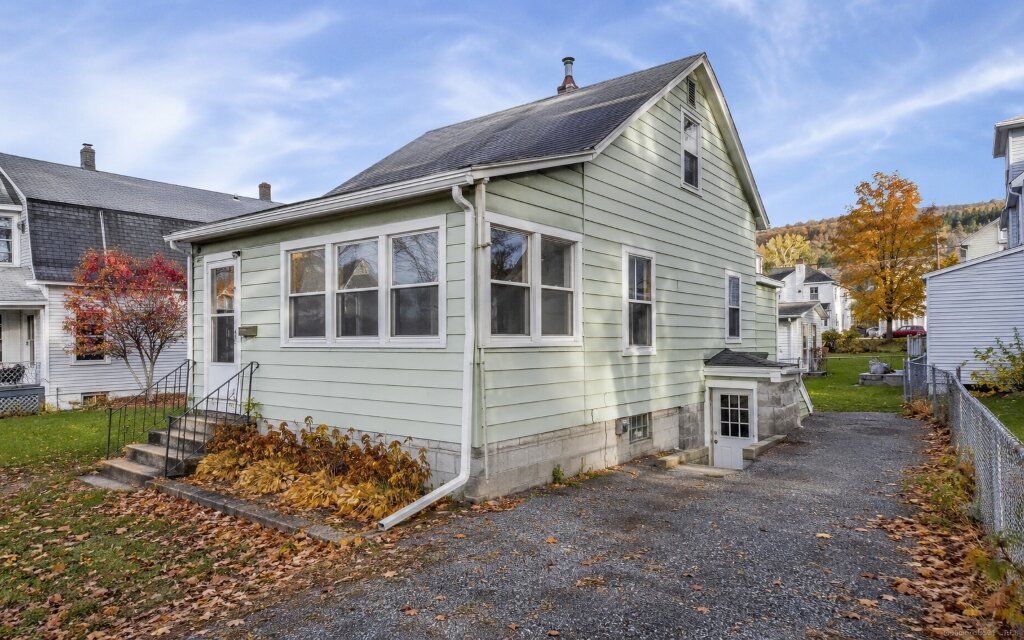
The exterior of your home serves as the first glimpse potential buyers have into the lifestyle your property could offer. A neglected or uninspiring exterior can instantly turn away prospective buyers before they even step inside. Investing time and energy into improving curb appeal entices people to explore further and sets a positive tone for their viewing experience. The initial impression created by a well-maintained and aesthetically pleasing exterior can significantly influence a buyer's perception of the property's overall value and care.


Ensure the lawn is well-manicured, and consider adding vibrant flowers or greenery to create a welcoming atmosphere. Address any exterior repairs or paint touch-ups to present a polished facade. Upgrade the front door, as it serves as a central point; a fresh coat of paint or a stylish new door can elevate the overall aesthetic. Lastly, consider adding a few tasteful outdoor accessories or furniture to create a visually appealing and comfortable entryway. 

Utilize Natural and Artificial Lighting

Light has a transformative effect on a space, influencing its atmosphere and perceived size. A well-lit home feels more open, airy, and inviting, while insufficient lighting can make it appear gloomy and cramped. Harnessing natural and artificial lighting sources strategically can accentuate the architectural elements of your home, emphasize its positive attributes, and create an overall positive impression. Adequate lighting contributes to a welcoming ambiance that resonates with potential buyers, helping you fulfill your desire to get cash for houses Reading.


Clean windows, remove heavy drapes, trim any foliage obstructing sunlight, and strategically utilize mirrors to reflect natural light and amplify its impact. For artificial lighting, invest in fixtures that complement the style of each room and provide ample illumination. Consider integrating a mix of ambient, task, and accent lighting to build layers of light that enhance different areas. Pay attention to the color temperature of light bulbs, opting for a warm and inviting tone. Finally, ensure that all light fixtures are in good working condition and strategically placed to minimize shadows and create an overall bright and inviting atmosphere.

Upgrade and Update

In the competitive realm of house sales, minor, strategic updates can significantly elevate the overall appeal of your property and help you sell your property for cash Reading. Outdated fixtures, worn-out finishes, or obsolete appliances can leave potential buyers questioning the maintenance and value of a home. By investing in simple yet impactful upgrades, you modernize the space and convey a sense of care and attention to detail. These modifications can make your property stand out in a crowded market, enticing potential buyers with a fresh and appealing environment that requires minimal effort.


To successfully carry out this tip, thoroughly assess your home's features and identify areas that could benefit from an upgrade. Focus on high-impact spaces like the kitchen and bathroom, where minor changes can yield substantial returns and help you sell my house fast Reading. Consider replacing dated hardware, updating light fixtures, or applying a mint coat of neutral paint to create a modern and cohesive aesthetic. Ensure that appliances are in adequate working condition and match the space's overall style and don't overlook small details like door handles, faucets, or cabinet pulls. 

Give us a call anytime at 484-484-0971 or fill out this quick form to get started today!

Get A Fair Cash Offer On Your House

Mathew Pezon, co-owner of Pezon Properties

About the author

Mathew Pezon

Mathew Pezon is the founder and CEO of Pezon Properties, a cash home buying company located in Lehigh Valley, Pennsylvania. With several years of experience in the real estate industry, Mathew has become a specialist in helping homeowners sell their properties quickly and efficiently. He takes pride in providing a hassle-free, transparent, and fair home buying experience to his clients. Mathew is also an active member of his local community and is passionate about giving back. Through his company, he has contributed to various charities and causes.
By Mathew Pezon July 22, 2026
First-time buyer down payment assistance is money given or lent to homebuyers to help cover the upfront cost of purchasing a home. For many people in Lehigh Township that upfront cost is the single biggest barrier standing between renting and owning. These programs exist specifically to close that gap, offering grants, low-interest loans, or forgivable funds that reduce what you need to bring to the closing table. Buying your first home involves more than just a monthly mortgage payment. Before you even get the keys, you may owe anywhere from 3% to 20% of the purchase price as a down payment, plus additional closing costs that can run another 2% to 5%. On a $200,000 home, that could easily mean $10,000 to $50,000 out of pocket. That kind of number stops a lot of people before they even start. Down payment assistance programs were designed to change that. What Does First-Time Buyer Down Payment Assistance Actually Cover? The term "down payment assistance" can mean several different things depending on the program. Some programs cover only the down payment itself. Others extend to closing costs, which include lender fees, title insurance, appraisal costs, and prepaid taxes or insurance. Knowing the difference matters before you apply. Grants vs. Forgivable Loans A homebuyer grant is money you do not have to pay back. State housing agencies, nonprofits, or local governments often provide these. Grants are typically smaller in size but come with no repayment strings attached as long as you meet the program's occupancy requirements. A forgivable loan works differently. The lender provides funds that are forgiven over a set number of years, usually 5 to 10, as long as you stay in the home. If you sell or move before that period ends, you may have to repay part of the balance. Both options reduce what you need upfront. Second Mortgage Programs Some assistance comes in the form of a second mortgage with deferred payments. You borrow the down payment amount as a separate loan, and repayment does not begin until you sell, refinance, or pay off your primary mortgage. This is a common structure in Pennsylvania's state-run affordable housing initiatives and keeps your monthly costs manageable during those early years of homeownership. What Counts as an Eligible Expense Most programs are specific about how the funds can be used. Eligible expenses typically include the down payment, loan origination fees, title-related costs, and prepaid interest. Personal moving expenses, furniture, or home repairs generally do not qualify. Reading the fine print before accepting any mortgage assistance funds can save you from surprises later.
By Mathew Pezon July 21, 2026
The FHA 3.5 percent down payment makes homeownership possible for millions of buyers who cannot afford a large upfront sum. Backed by the Federal Housing Administration, this program was designed to lower the barrier to entry for people who have a steady income but limited savings. Learning how it works, who qualifies, and what it costs can help you make a smarter decision before you ever sign a purchase agreement. What Is the FHA 3.5 Percent Down Payment Rule? The FHA down payment rule sets the minimum amount a buyer must put down when using a government-backed FHA loan. Rather than the traditional 20 percent required by many conventional lenders, the Federal Housing Administration allows qualified buyers to put down as little as 3.5 percent of the purchase price. On a $250,000 home, that is $8,750 instead of $50,000. That difference changes everything for buyers who are saving money while also paying rent. Where the 3.5 Percent Rule Comes From Congress created the Federal Housing Administration in 1934 during the Great Depression to stabilize the housing market. The agency insures FHA loans, meaning if a borrower defaults, the lender is protected. That government backing is what allows lenders to accept a lower down payment without taking on excessive risk. The 3.5 percent floor has remained a defining feature of the program for decades. It is not a promotional rate or a temporary offer. It is built into federal housing policy and applies to FHA-approved lenders nationwide, including those serving buyers in Palmer Township , PA. How the Down Payment Amount Is Calculated The minimum down payment is based on the lesser of the purchase price or the appraised value. If a home is listed at $200,000 but appraised at $190,000, the FHA uses $190,000 as the base. Three and a half percent of that would be $6,650. This matters because buyers sometimes offer more than the appraised value in competitive markets. The FHA will not adjust its down payment calculation upward to match an inflated offer. That gap becomes the buyer's responsibility outside the loan. Mortgage Insurance Is Part of the Deal One trade-off with any low-down-payment mortgage is the cost of mortgage insurance. FHA loans require two types of premiums: an upfront mortgage insurance premium paid at closing and an annual premium spread across monthly payments. The upfront premium is currently 1.75 percent of the loan amount. The annual premium varies based on loan term, loan amount, and down payment size. These costs protect the lender, not the buyer, so it is worth factoring them into your overall budget.
By Mathew Pezon July 20, 2026
Seeing how your mortgage is structured can mean the difference between paying tens of thousands of dollars more than necessary and making smart, confident decisions about your loan. Using a mortgage amortization calculator early in the process gives you a clear picture of exactly how much your home will cost over time, not just what your monthly payment looks like on the surface. Most homeowners focus on the monthly payment when shopping for a loan. That number matters, but it only tells part of the story. The real cost of your mortgage is determined by an amortization schedule, which maps out every payment you will make from the first month to the last. Each payment is split between principal, which reduces what you owe, and interest, which is the fee you pay the lender for borrowing the money. In the early years of a loan, the split is heavily weighted toward interest. That means you are paying the bank a lot before you are really paying down your home. How Much Interest Will You Pay Over the Life of Your Mortgage? The total interest paid on a mortgage can be shocking when you see it laid out clearly. A mortgage amortization calculator makes that number visible so you are not caught off guard. The Front-Heavy Nature of Amortization On a 30-year mortgage at a 7% interest rate for a $250,000 loan, your monthly payment would be roughly $1,663. Over 30 years, you would pay approximately $598,680. That means you paid around $348,680 in interest alone on a $250,000 home. The home did not cost $250,000. It costs close to $600,000 when you include the full cost of borrowing. This happens because of how amortization works. In the first month of that same loan, about $1,458 of your payment goes toward interest, and only around $205 goes toward reducing what you owe. By month 12, the split has barely moved. You are still paying the bank far more than you are paying down the debt. Why Early Payments Feel Like They Go Nowhere This front-heavy structure is intentional. Lenders calculate interest on your remaining balance each month. Since that balance is highest at the start of the loan, interest charges are highest then, too. As the years go by and the balance slowly drops, more of each payment shifts toward principal. The practical effect is that it can take more than 20 years of a 30-year loan before you are paying more principal than interest each month. That is a long time to feel like you are barely making a dent. Using a Calculator to See Your Own Numbers Plugging your loan details into a mortgage amortization calculator changes how you see your debt. You can input your loan amount, interest rate, and term to get a month-by-month breakdown of every payment. Seeing the full amortization schedule helps you understand not just what you owe today, but what you are committing to over the life of the loan. For Bethlehem Township homeowners considering a home purchase or refinance, that transparency is powerful.
By Mathew Pezon July 17, 2026
Why are mortgage rates going up faster than most homeowners expected? Inflation is one of the biggest forces driving this shift, and seeing the connection between rising prices and higher borrowing costs can help you make smarter decisions about your home. Why Does Inflation Make Mortgage Rates Go Up? Inflation and mortgage rates move together more closely than most people realize. When the cost of everyday goods rises, lenders respond by raising the cost of borrowing. The two are deeply connected, and ignoring that relationship can leave homeowners caught off guard. How Lenders Protect Themselves Against Rising Prices Lenders make money by collecting interest over time. When inflation is high, every dollar repaid in the future is worth less than it is today. To protect their profits, lenders raise interest rates so that the money they earn keeps up with the declining value of the dollar. Think of it this way: if a lender gives you $300,000 today and inflation runs at 6% per year, the money they collect back over 30 years is worth far less in real terms. Higher mortgage rates are their way of offsetting that loss of purchasing power. The Federal Reserve's Role in the Cycle The Federal Reserve, often called the Fed, does not directly set mortgage rates. But it does set the federal funds rate, which is the interest rate banks charge each other for overnight loans. When inflation runs high, the Fed raises this rate to cool down spending across the economy. As borrowing becomes more expensive for banks, those costs flow downstream to consumers. That means auto loans, credit cards, and home loans all get pricier. Mortgage lenders also closely watch the yield on 10-year Treasury bonds. When Treasury yields rise alongside Fed rate hikes, mortgage rates follow. The Consumer Price Index and What It Signals The consumer price index, or CPI, measures how much everyday goods and services cost compared to a previous period. It tracks categories like housing, food, transportation, and medical care. When the CPI rises sharply, it tells the market that inflation is accelerating. Mortgage investors, especially those who buy mortgage-backed securities, pay close attention to CPI reports. A hot CPI reading often triggers an immediate spike in mortgage rates because investors demand higher returns to offset expected inflation. This is one reason mortgage rates can jump within days of a government data release.
By Mathew Pezon July 16, 2026
Selling your home is one of the biggest financial decisions you will ever make, and understanding your options can save you thousands of dollars. A fair cash offer for home sellers in Pennsylvania means getting a real, no-obligation offer based on your property's actual value, without the delays and fees that come with traditional real estate sales. What Does a Fair Cash Offer for a Home Actually Mean? A fair cash offer is not a lowball number pulled out of thin air. It is a carefully calculated figure that reflects your home's current market value, its condition, and the prices at which comparable homes in your area have recently sold. The goal is to give you a number that makes sense for both sides. Cash Offers vs. Traditional Listing Prices When you list a home on the open market, you often see a higher asking price on paper. But that number rarely tells the whole story. After realtor commissions, closing costs, inspection repairs, and months of carrying costs like mortgage payments and utilities, your actual take-home amount can drop significantly. A cash offer skips most of those deductions. There are no agents taking a 5- to 6-percent commission, no lender-required repairs, and no waiting for buyer financing to be approved. What you are offered is much closer to what you actually walk away with. Why "Fair" Matters More Than "High" The word fair is important here. A genuinely fair offer accounts for the real costs involved in buying, holding, and reselling a property. It is not inflated to win your attention, nor so low that it takes advantage of your situation. For homeowners in Pen Argyl dealing with job loss, divorce, inherited property, or looming foreclosure, a fair offer means being treated with respect. It means receiving a transparent number backed by real data, not pressure tactics. The Role of As-Is Condition in Cash Offers One of the biggest advantages of a cash home sale is that your property is evaluated as-is. You do not need to repaint rooms, replace a worn roof, or update an outdated kitchen before selling. The offer already accounts for the home's condition, so you can move forward without spending another dollar on the property. This is especially helpful for homeowners dealing with aging homes, deferred maintenance, or properties that would struggle to pass a traditional buyer's inspection.
By Mathew Pezon July 15, 2026
Searching for homes for sale by price range in Allentown, PA, can feel overwhelming if you do not know where to start. The Allentown housing market has changed a lot over the past few years. Prices have climbed, inventory has tightened, and buyers who walk in without a clear budget often lose out to more prepared offers. Knowing your number before you search is not just helpful; it's essential. It is essential. What Price Ranges Are Available for Homes For Sale in Allentown, PA? Understanding the full spectrum of property listings in Allentown gives you a realistic picture before you fall in love with something out of reach. Here is how the market generally breaks down. Entry-Level Homes: Under $200,000 This price tier exists in Allentown, but it is shrinking fast. Homes under $200,000 are typically older row houses or small single-family properties, often in the western or northern parts of the city. Many need work. Some need significant repairs. If you are shopping in this range, your buyer budget needs to account for renovation costs in addition to the purchase price. A home listed at $150,000 could easily need another $30,000 to $50,000 in repairs to be move-in ready. Go in with open eyes and a trusted contractor. Mid-Range Homes: $200,000 to $500,000 This is where most of the action is in Allentown. The $200,000 to $500,000 range covers a wide variety of properties, from updated row homes and Cape Cods to modest single-family houses with yards. At the lower end of this range, expect smaller square footage or properties that need cosmetic updates. At the higher end, you will find move-in-ready homes in more desirable pockets of the city. Competition in this band is strong, and good homes move fast. Upper-Range Homes: $500,000 and Above Allentown's upper tier is expanding as the Lehigh Valley real estate market has appreciated overall. Homes above $500,000 in the city often offer more space, updated kitchens and baths, and quieter residential streets. Above $550,000, you start crossing into the suburbs and neighboring communities like Wescosville, South Whitehall Township, and Upper Macungie. If your budget reaches this level, you have the flexibility to compare Allentown proper against surrounding townships.
By Mathew Pezon July 14, 2026
Which Home Improvements Show Up in a Home Value Estimator? A home value estimator is an online tool that uses recent sales data, square footage, location, and condition to generate a price range for your property. Tools like Zillow's Zestimate or Redfin's estimate pull from public records and listing data. They're fast and free, but they have real limits. Most automated tools can't walk through your front door. They don't see your new countertops or your freshly painted walls. What they do respond to is changes in recorded data, such as a permitted addition that increases your square footage or a basement finish logged in public records. What Data These Tools Actually Use Automated estimators look at a handful of measurable factors. These typically include: Square footage reported in public records Number of bedrooms and bathrooms Lot size and location Recent comparable home sales in your area Year built and any permitted additions If your renovation doesn't change any of these recorded data points, the tool may not reflect your work at all. Permitted vs. Unpermitted Renovations This is where many homeowners get caught off guard. If you add a bathroom or finish your basement and pull the proper permits, that work often gets updated in county records. A home value estimator may then pick up the change the next time it syncs data. Unpermitted work, no matter how beautiful, rarely shows up in these tools. It also creates headaches during appraisals and buyer inspections. Permitted improvements give you the best shot at seeing your renovations reflected in an estimated value. Cosmetic Upgrades vs. Structural Changes Painting your living room or replacing cabinet hardware looks great in photos. But cosmetic upgrades rarely change what an automated estimator reports. They don't change your square footage, bedroom count, or any other data field the algorithm uses. Structural changes, like adding a bedroom, converting a garage, or building an addition, are the moves that tend to register. If your goal is to raise your estimated value before listing, focus on improvements that change your home's recorded specs.
By Mathew Pezon July 13, 2026
If you are trying to figure out where to find the best mortgage rates, you are asking exactly the right question. Understanding what a competitive rate looks like and how to tell if a lender is giving you a fair deal can save you tens of thousands of dollars over the life of your loan. We work with homeowners across Hershey every day, and a common question we hear is: "Is the rate I was quoted actually good?" The answer depends on several factors, and this article will walk you through all of them clearly. What Does a Good Mortgage Rate Actually Look Like Right Now? Mortgage rates change constantly. What counted as a great rate five years ago may look very different from what is available today. Before you can judge a rate, you need to understand the landscape. The Role of the Federal Funds Rate The Federal Reserve does not set mortgage rates directly, but its decisions heavily influence them. When the Fed raises its benchmark rate, lenders typically raise mortgage rates too. When the Fed cuts rates, home financing costs often come down with them. This means the definition of a "good" mortgage rate shifts with the economic environment. In a high-rate environment, a rate that feels expensive may still be competitive. Context matters more than the number itself. What Benchmarks Should You Use? A mortgage rate benchmark gives you a starting point for comparison. Freddie Mac publishes a weekly survey of average 30-year and 15-year fixed mortgage rates across the country. This is one of the most widely used references for buyers and lenders alike. Here are a few things to keep in mind when using benchmarks: National averages reflect a mix of borrower profiles. Your rate will vary based on your credit score, down payment, and loan type. A rate within 0.25% of the national average for your loan type is generally considered competitive. A rate more than 0.5% above the average deserves a closer look before you commit. How Credit Score Affects What Is "Good" for You Not every borrower gets the same rate. Lenders price loans based on risk, and your credit score is one of the biggest factors they consider. A borrower with a 760 credit score will almost always receive a lower rate than someone with a 640 credit score. So when you hear that the average 30-year fixed rate is a certain number, understand that number assumes a strong credit profile. If your score is lower, your personal benchmark shifts accordingly.
By Mathew Pezon July 10, 2026
Figuring out how much home you can comfortably afford is one of the most important steps you can take before starting your home search. A mortgage calculator gives you a fast, practical way to work backward from your monthly income and expenses to find a home price that actually fits your life. Most people use these tools after they fall in love with a house. The smarter move is to use one before you ever set foot inside an open house. How Do You Use a Mortgage Calculator to Find Out What You Can Afford? A mortgage calculator is not just for checking what your payment would be on a specific house. Used in reverse, it becomes a powerful home affordability tool that helps you set a realistic ceiling before you start shopping. Here is how to approach it the right way. Start With Your Monthly Take-Home Income Before you touch any calculator, you need one number: your actual monthly income after taxes. This is not your salary on paper. It is the money that lands in your bank account each month. If you are salaried, this is straightforward. If you are self-employed or have variable income, use an average of the last 12 to 24 months. Lenders will do the same thing, so you might as well start there. Once you have that number, multiply it by 0.28. That gives you your maximum suggested monthly housing payment, which includes your mortgage principal, interest, taxes, and insurance. We will explain why 0.28 matters in the next section. Plug the Numbers Into the Calculator Now open a mortgage calculator and enter the payment you just calculated as your target monthly amount. Then adjust for: Interest rate: Use a realistic current rate, not a best-case scenario. Check what lenders are offering right now for a 30-year fixed loan. Loan term: Most buyers choose a 30-year term, but a 15-year term means higher payments and lower total interest. Down payment: Enter what you can actually put down today, not what you hope to save later. The calculator will show you an estimated loan amount. Add your down payment to that number, and you have your target home price. That is your budget ceiling. Adjust Until the Numbers Feel Comfortable A tool gives you a number, but comfort is something only you can judge. Run the calculator a few times with slightly different rates and down payment amounts. See how the monthly payment shifts. If a $1,400 payment feels manageable but $1,700 keeps you up at night, that difference matters. Build a housing budget around what is genuinely sustainable, not the absolute maximum a lender might approve you for. Lenders approve based on risk. You need to plan based on your actual life.
By Mathew Pezon July 9, 2026
If you are trying to figure out what you can afford before buying or selling a home, a mortgage rate calculator is one of the most useful tools you can use. Understanding your monthly payment estimate gives you real power. Whether you are weighing a new purchase or thinking about what your current home is worth in today's market, knowing how to read these numbers puts you in a much stronger position. What Is a Mortgage Rate Calculator and How Does It Work? A mortgage rate calculator is a simple online tool that estimates your monthly mortgage payment based on a few key inputs. You enter your loan details, and the calculator does the math for you in seconds. Most of these tools are free and easy to find. Banks, real estate websites, and financial services sites all offer versions of this calculator. The outputs may look slightly different from one site to another, but they all work using the same basic formula. The Math Behind the Calculator The formula used is called an amortization formula. It sounds technical, but the idea is straightforward. It calculates how much you owe each month based on your loan amount, interest rate, and the number of months you have to repay the loan. Each monthly payment covers two things: a portion of the money you originally borrowed (called the principal) and a portion of the interest your lender charges. In the early years of a loan, most of your payment goes toward interest. Over time, more of it goes toward paying down the principal. Fixed Rate vs. Adjustable Rate Most home loan calculators let you choose between a fixed interest rate and an adjustable rate. A fixed interest rate stays the same for the entire loan term, so your monthly payment never changes. An adjustable rate starts lower but can rise or fall over time based on market conditions. For most homeowners who want predictable payments, fixed rates are the more comfortable option. If you are in Fountain Hill and comparing different loan types, running both through the calculator can help you see the difference clearly. What the Results Tell You Once you enter your numbers, the calculator shows your estimated monthly payment. Some tools also show a full amortization schedule, which is a month-by-month breakdown of how your payments are split between principal and interest over the life of the loan. This is helpful because it shows you the total cost of the loan, not just the monthly payment. A loan with a lower monthly payment but a longer term often costs significantly more in interest over time.