Cash Home Buyers: A Solution for Homeowners in Difficult Situations

Pezon Properties • December 1, 2023

Completing certain repairs and improvements is essential in attracting multiple buyers when selling a house. There are undoubtedly a lot of opinions out there about what improvements are most important when it comes to selling your home. These upgrades can quickly pile up into an overwhelming to-do list that’s easier to put off than face. First, it’s worth knowing that you don’t need to do everything. 


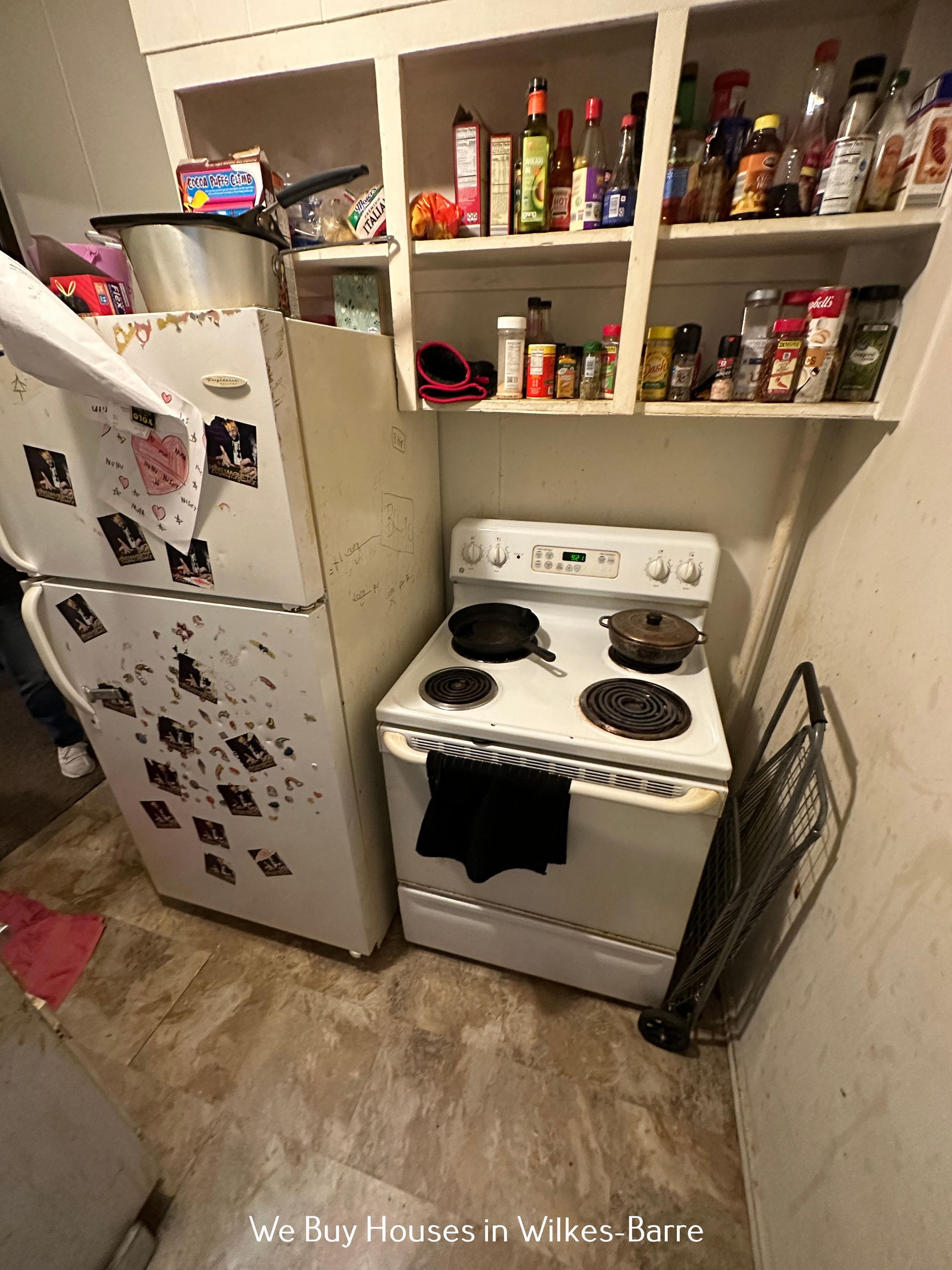
As Diana Rodgers, a Realtor with Keller Williams Main Line in Ardmore, PA, notes, it all comes down to just “figuring out a few key elements.” (1) However, if you’re selling an old house or a house that needs major repairs, you can save money and energy by selling it to we buy houses Wilkes-Barre companies. These companies buy houses in difficult situations and can help you enjoy the following benefits.
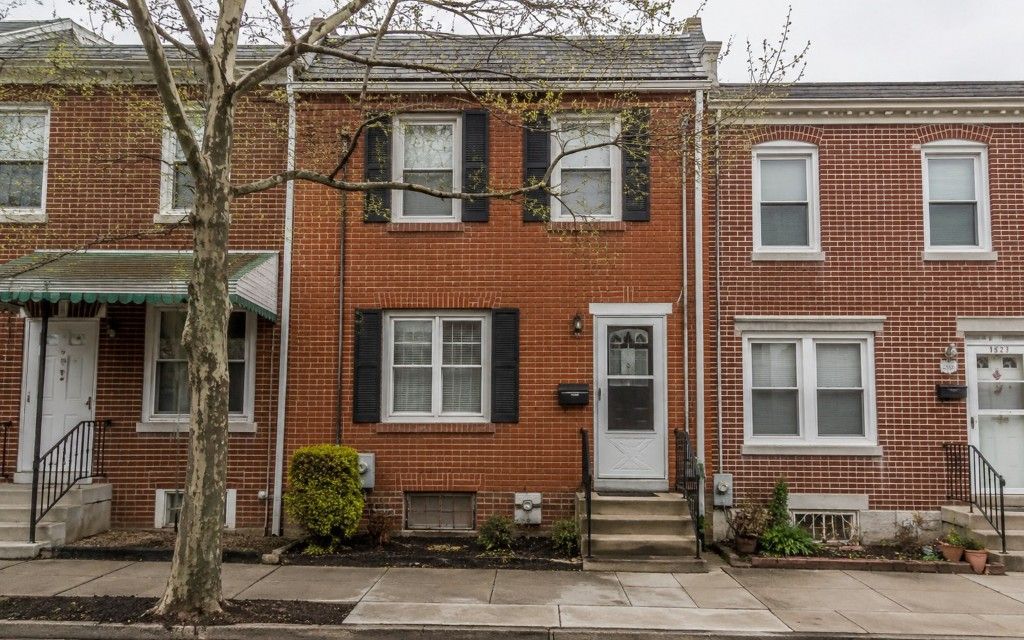
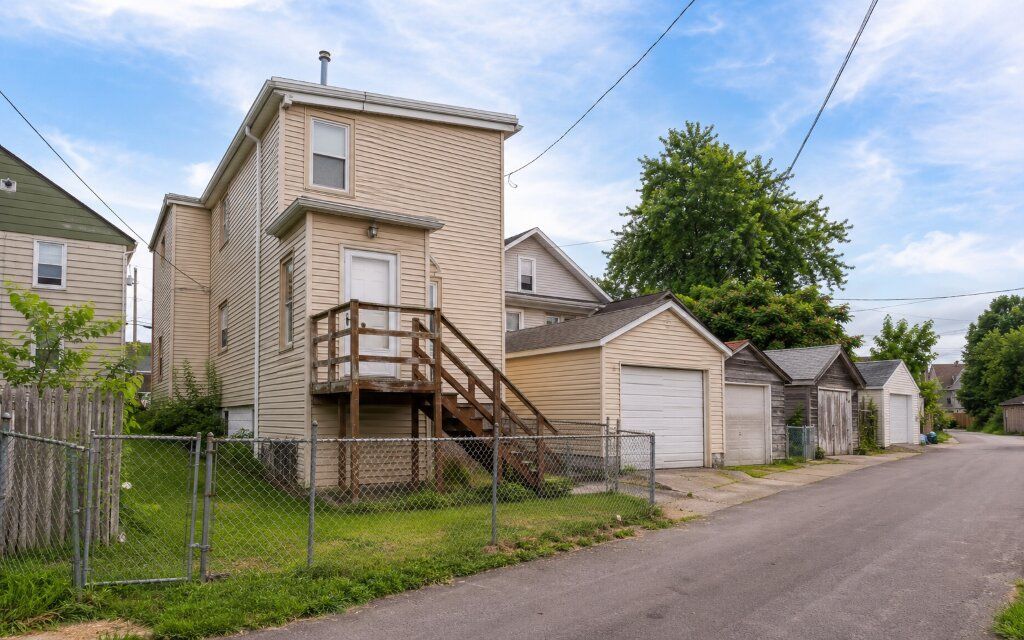
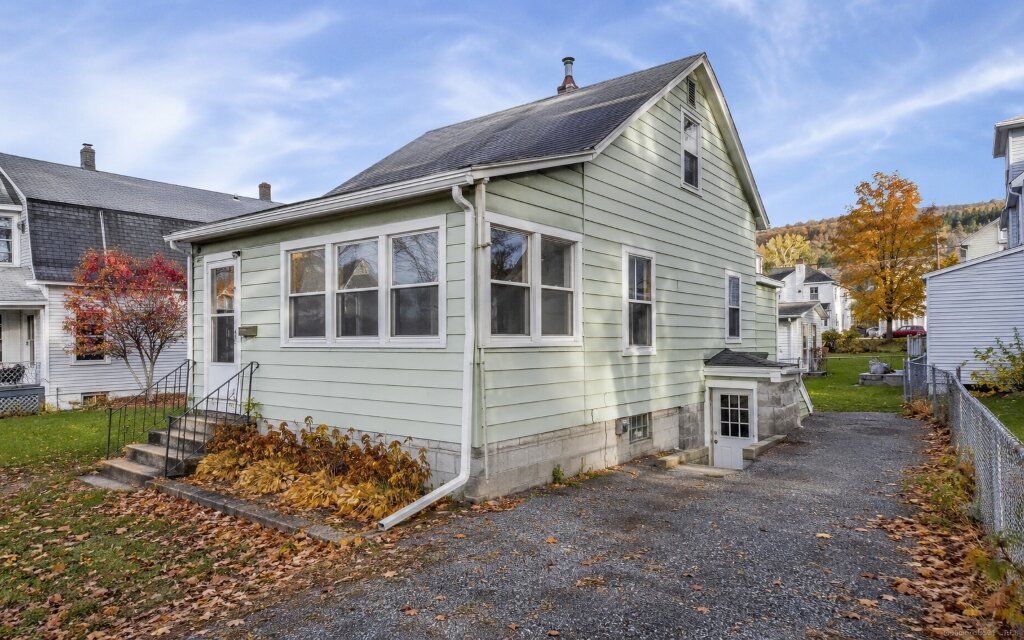
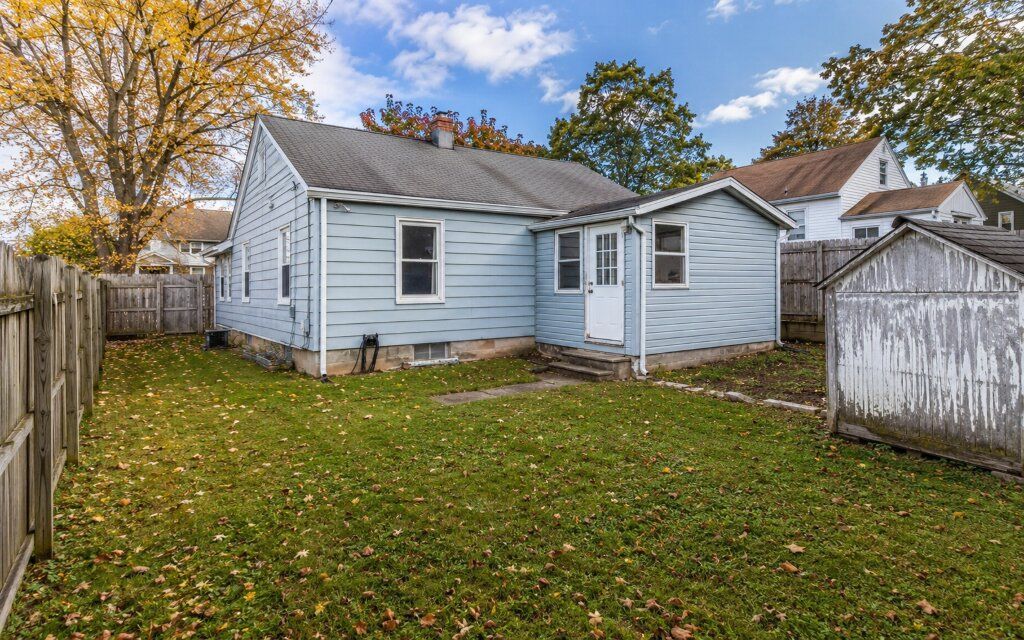
sell my house fast Wilkes-Barre

Avoid Paying Agent Commissions

Homeowners can avoid paying agent commissions entirely by selling to cash house buyers. Because cash home buyers do not use real estate agents in the transaction, there are no commissions to pay. Furthermore, cash home purchasers frequently cover closing expenses, freeing homeowners of these financial commitments. This results in huge savings for homeowners, allowing them to keep a larger portion of the sale revenues. 


The lack of commissions and fees simplifies the financial part of selling a house. Homeowners can better know how much money they will get from the sale without deducting agency commissions or closing costs. The option to sell my house fast Wilkes-Barre is an appealing alternative for people trying to maximize their return on investment due to the transparency and financial gain.

Quicker Closing

When you sell my house fast Scranton, you can be guaranteed a faster closing time. A fast closing can give homeowners a sense of security and relief. They can complete the sale of your property quickly so you can move on. Whether you are migrating, downsizing, or in a financial circumstance that necessitates a quick sale, the speed with which cash house purchasers close is crucial. 


Furthermore, a faster closure means homeowners can access the sale proceeds sooner. This is especially significant for people who need to use the sale proceeds for immediate financial needs or to put down a deposit on a new home. Homeowners can speed up the process and receive access to finances more quickly by selling to cash house buyers.

Minimal Stress

The ease of selling to cash home purchasers adds to lower stress levels. The lack of contingencies, such as house inspections or appraisals, removes the possibility of unanticipated delays or deal-breakers. Homeowners can be confident in the transaction because it is not contingent on any additional conditions. The reliability and simplicity of the process can reduce stress and give homeowners a sense of control. 

Essentially, selling to cash house buyers provides a more streamlined and stress-free procedure than typical home sales. The shortened process, elimination of ambiguities, and ease of the transaction all contribute to lower stress levels among homeowners.

Availability of Flexible Payment Options

When selling a home to investors, homeowners benefit from numerous payment choices. Unlike traditional buyers, who frequently rely on mortgage financing, cash home buyers can provide various payment options suited to the homeowner’s preferences. The most popular and straightforward payment option offered by cash home buyers is cash. During the completion of a cash transaction, the homeowner receives the full agreed-upon purchase price in cash. 


This instant access to funds can be extremely beneficial for homeowners who need to fulfill unexpected financial obligations or make timely investments. Cash home buyers may also give certified money as a payment alternative. Certified funds are guaranteed payment methods, such as cashier’s checks or money orders. Because the issuing banking institution supports them, these payment methods give homeowners an extra layer of protection and assurance. 


At the closing, homeowners can get verified monies, enabling a smooth and dependable payment process. Another frequent payment method used by cash home buyers is wire transfer. Funds are electronically transferred from the buyer’s account to the homeowner’s account via wire transfer. This technology enables speedy and secure transactions by removing the need for physical checks or cash handling. 


The availability of numerous payment methods allows homeowners to select the one that meets their needs and interests. To ensure a smooth and satisfactory transaction, homeowners can discuss and negotiate payment choices with the cash house buyer.

Improved Privacy and Security

Privacy and security are vital when selling a home, and cash home buyers provide major advantages in this area. Unlike regular home sales, selling to a cash house buyer allows homeowners to keep a higher amount of privacy during the entire process. Traditional home sales frequently necessitate homeowners opening their residences to numerous showings, open houses, and walkthroughs by interested purchasers and their brokers. This exposure may generate privacy and security concerns. 


Strangers accessing the property, scrutinizing personal possessions, and maybe photographing them can be distressing for homeowners. Selling to cash home buyers minimizes these privacy concerns. Cash home buyers generally schedule private, one-on-one viewing visits. This means that only a few people will have access to the property, giving residents more privacy. 


There will be no open houses or public showings, which could jeopardize security or expose the property to many people. Furthermore, cash home purchasers frequently value discretion and confidentiality. They recognize the significance of protecting the homeowner’s privacy and keeping the transaction private. This is especially useful for homeowners who respect their privacy or have specific reasons why they do not want the sale of their property made public.

No Contingencies

The absence of contingencies such as home inspections or appraisals is one of the benefits of selling to cash house buyers. In traditional house transactions, buyers frequently include contingencies in their bids to protect themselves if certain conditions are not satisfied. These possibilities, however, might generate uncertainty and significant delays in the selling process. Cash home purchasers, on the other hand, rarely require contingencies. 


There is no need for costly house inspections or appraisals because they are purchasing the property in its current state. This expedited approach removes possible roadblocks that could derail the sale or force renegotiations.

Give us a call anytime at 484-484-0971 or fill out this quick form to get started today!

Get A Fair Cash Offer On Your House

Mathew Pezon

About the author

Mathew Pezon

Mathew Pezon is the founder and CEO of Pezon Properties, a cash home buying company located in Lehigh Valley, Pennsylvania. With several years of experience in the real estate industry, Mathew has become a specialist in helping homeowners sell their properties quickly and efficiently. He takes pride in providing a hassle-free, transparent, and fair home buying experience to his clients. Mathew is also an active member of his local community and is passionate about giving back. Through his company, he has contributed to various charities and causes.
By Mathew Pezon June 18, 2026
If you are buying a home, knowing where to find the best mortgage rates can save you thousands of dollars over the life of your loan. This guide breaks down exactly what mortgage rates are, what drives them, and where to start looking so you never leave money on the table. What Are Mortgage Rates and How Do They Work? A mortgage rate is the interest a lender charges you to borrow money for a home. It shows up as a percentage of your loan amount. The lower your rate, the less you pay each month and over the full loan term. Understanding this number is the first step in becoming a smart homebuyer. Many first-time buyers in Emmaus, PA skip this step and end up paying far more than they should. The Difference Between Interest Rate and APR Your loan APR (Annual Percentage Rate) is not the same as your basic interest rate. The interest rate is the cost of borrowing the principal. The APR adds in fees, points, and other lender costs, so it gives you a fuller picture. Always compare APR between lenders, not just the base rate. A loan with a low rate but high fees can cost more than a loan with a slightly higher rate and fewer fees. This is one of the most common mistakes new buyers make. Fixed Rate vs. Adjustable Rate Mortgages A fixed-rate mortgage locks your interest rate for the entire loan term, often 15 or 30 years. Your payment stays the same every single month. This is a popular choice for buyers who want stability and plan to stay in their home long-term. An adjustable rate mortgage, or ARM, starts with a lower rate that can change after a set period. If housing market rates rise, your payment goes up too. For most first-time buyers in Allentown, a fixed-rate mortgage offers the most peace of mind. How Mortgage Payments Are Calculated Your monthly mortgage payment includes principal, interest, property taxes, and insurance. Lenders combine these into one number called PITI. The interest portion of each payment is based on your home loan interest rate and your remaining balance. In the early years of a loan, most of your payment goes toward interest, not principal. Over time, that flips. Knowing this helps you understand why getting a lower rate up front matters so much. Now that you know how mortgage rates work, let's look at what actually controls whether your rate is high or low.
By Mathew Pezon June 17, 2026
First-Time Buyer Down Payment Assistance can be the key that unlocks homeownership for buyers who feel stuck on the sidelines. In this article, you will learn the real difference between grant-based and loan-based programs, what each one costs over time, and how to figure out which option fits your life in Pen Argyl, PA . Buying your first home is exciting. But saving for a down payment while paying rent can feel impossible. The good news is that dozens of programs exist to help bridge that gap. Some give you money outright. Others lend it to you on very favorable terms. Knowing the difference changes everything. What Is the Difference Between a Down Payment Grant and a Down Payment Loan? Not all assistance programs work the same way. Before you apply for anything, you need to understand the two main types of help available to first-time buyers. Down Payment Grants: Free Money With Conditions A housing grant is money you do not have to pay back. It is the most appealing form of assistance for obvious reasons. You receive funds, you close on your home, and that money is simply gone from your obligation list. However, grants almost always come with strings attached. Common conditions include: You must stay in the home for a set number of years, often 3 to 5. You must use the home as your primary residence. Your income must fall below a certain limit, usually tied to the area median income (AMI). You may be required to complete a homebuyer education course. If you sell or refinance before the time limit is up, you may have to repay all or part of the grant. So while the word "free" sounds perfect, it is important to read the fine print. Down Payment Loans: Borrowed Money on Flexible Terms A second mortgage assistance loan works differently. The lender gives you money toward your down payment, and you repay it over time. But these are not regular loans. They are designed to be affordable for buyers with modest incomes. There are two main subtypes. The first is a deferred payment loan. You borrow the money now but do not make payments until you sell, refinance, or pay off your first mortgage. The second is a forgivable loan. If you stay in the home for the required period, usually 5 to 10 years, the balance is forgiven in full. At that point, it functions like a grant.
By Mathew Pezon June 16, 2026
If you are trying to buy a home in Pennsylvania with less-than-perfect credit, understanding the FHA Credit Score Minimum Requirements could change everything for you. This article breaks down exactly what score you need, how local lenders in Allentown and beyond set their own rules, and what practical steps you can take right now. What Is the Minimum Credit Score for an FHA Loan in Pennsylvania? The federal government sets the baseline for FHA loans. Knowing this baseline is your starting point as a buyer. The Two Federal Score Tiers The FHA uses two credit score thresholds that determine how much you can borrow and how much you put down. 580 or higher: You qualify for the minimum 3.5% down payment. This is the most popular option for first-time buyers. 500 to 579: You can still get an FHA loan, but you must put down 10% of the purchase price. Below 500: The FHA will not back the loan, regardless of other factors. These numbers come directly from the U.S. Department of Housing and Urban Development. They represent the federal floor, not a guaranteed approval. What the Score Really Measures Your credit score is a snapshot of how you have handled debt in the past. It looks at your payment history, how much of your available credit you use, how long your accounts have been open, and how often you apply for new credit. A score of 580 may feel low, but it can still open the door to homeownership when you meet other state mortgage requirements and FHA guidelines. Pennsylvania-Specific Baseline Rules Pennsylvania does not add a state-level minimum credit score on top of the FHA baseline. The federal numbers apply statewide, from Philadelphia to Erie to the Lehigh Valley. However, the story does not end there. The lenders you work with in Pennsylvania, including those serving Allentown home buyers, often have their own standards that sit above the federal floor.
By Mathew Pezon June 15, 2026
Using a Monthly Payment Mortgage Calculation Tool can change everything about how you shop for a home. In this article, you will learn exactly how your down payment size affects your monthly mortgage cost, when you can drop private mortgage insurance, and how to test real numbers before you ever make an offer. How Does a Larger Down Payment Lower Your Monthly Mortgage Cost? The math behind your mortgage is simpler than most people think. Every dollar you put down up front is a dollar you never pay interest on. That single fact is why your down payment percentage matters so much over the life of your loan. The Relationship Between Down Payment and Loan Amount When you buy a home, the lender gives you money to cover the gap between the purchase price and what you put down. If you buy a $250,000 home and put down 5%, you borrow $237,500. If you put down 20%, you borrow only $200,000. That $37,500 difference in your loan balance results in a noticeably lower monthly payment and significant mortgage savings over 30 years. Here is a simple breakdown of how the down payment size changes a $250,000 loan at a 7% interest rate: 5% down ($12,500): Monthly payment near $1,581 10% down ($25,000): Monthly payment near $1,497 20% down ($50,000): Monthly payment near $1,331 The difference between 5% and 20% down is roughly $250 per month. Over 30 years, that adds up to about $90,000 in savings. How Upfront Cost Compares to Long-Term Savings Many buyers in Hellertown, PA focus only on the upfront cost of a larger down payment. It feels painful to part with more cash at closing. But when you run the numbers, paying more up front often costs far less in the long run. A larger down payment lowers your monthly interest charges for decades.
By Mathew Pezon June 12, 2026
If you are a first-time home buyer, 3 percent down is often the minimum you need to get started, and this article will walk you through exactly how that works. By the end, you will know what lenders expect, how different loan types compare, and how to figure out which option fits your situation best. Buying your first home can feel overwhelming. But once you understand how down payments work, the process gets much simpler. Let's break it down step by step. What Are the Down Payment Requirements for First-Time Home Buyers? Most first-time buyers in Northampton, PA are surprised to learn that 20 percent down is not required. That number is a myth that has stopped many people from even trying. The real minimum depends on the loan type you choose and the lender's guidelines that apply to your situation. The Basic Rules Most Lenders Follow Lenders set down payment requirements based on risk. The more money you put down, the less risk the lender takes on. That is why buyers who put less down are usually required to pay mortgage insurance, which protects the lender if you stop making payments. Here is a quick look at common minimum down payment options: Conventional loans: as low as 3 percent FHA loans: 3.5 percent minimum VA loans: 0 percent (for eligible veterans) USDA loans: 0 percent (for eligible rural properties) Each loan type has its own rules, income limits, and credit score requirements. Knowing your options gives you real power in the home-buying process. How Your Loan-to-Value Ratio Affects Your Approval Your loan-to-value ratio is the size of your loan compared to the value of the home. If you buy a home worth $200,000 and put $6,000 down (3 percent), your loan amount is $194,000. That gives you a loan-to-value ratio of 97 percent. A higher loan-to-value ratio means more risk for the lender. This is why buyers with lower down payments often face stricter credit score requirements. It is also why mortgage insurance is almost always required when you put down less than 20 percent. Why First-Time Buyers Often Have Less Saved Saving for a home while paying rent is genuinely hard. Many first-time buyers have solid incomes but have not had years to build up savings. Lenders understand this, which is why low-down-payment programs exist in the first place. The good news is that many of these programs also allow gift funds from family members. Some programs even allow grants that do not need to be repaid. Ask your lender about all the sources that count toward your down payment.
By Mathew Pezon June 11, 2026
Understanding the Requirements for a Mortgage Pre-Approval Letter can save you time, money, and stress when buying a home. In this article, you will learn exactly how pre-approval and pre-qualification differ, and why that difference matters when you are ready to make an offer in Slatington, PA . Many buyers use these two terms as if they mean the same thing. They do not. Mixing them up can slow down your home search or cause a seller to pass on your offer entirely. Let's break each one down clearly so you know exactly where you stand. What Does Mortgage Pre-Qualification Actually Mean? Prequalification is usually the very first step in the home-buying process. It gives you a rough idea of how much you might be able to borrow based on basic financial information you share with a lender. Think of pre-qualification as your buyer's financial snapshot. It is a quick snapshot of your finances, but not a deep dive. What Information Do You Provide? During pre-qualification, the lender typically asks for: Your estimated income Your monthly debt payments Your general credit score range Your down payment savings You share this information verbally or through a short online form. The lender does not verify any of it at this stage. No pay stubs. No bank statements. No tax returns. Does Pre-Qualification Affect Your Credit Score? Most lenders run a soft credit inquiry during pre-qualification. A soft credit inquiry does not hurt your credit score. It is a surface-level look at your credit history, not a full pull. This makes prequalification a low-risk step you can take early, even before you are fully ready to buy. What Do You Get at the End? At the end of pre-qualification, the lender gives you a general price range you may qualify for. Some lenders also provide an informal loan estimate, which is a rough idea of your interest rate and monthly payment. This is not a guaranteed number. It is simply a starting point to guide your home search. Prequalification helps set your budget, but it carries very little weight with sellers. That is an important distinction we will cover next.
By Mathew Pezon June 10, 2026
Find the Best Real Estate Agents Ratings, and you already have a head start on most homeowners in the Lehigh Valley. In this guide, you will learn exactly how to search for, compare, and choose a top local agent so your home sale goes smoothly from day one. Selling or buying a home is one of the biggest financial moves most people ever make. The agent you pick can mean the difference between a fast sale at a great price and months of frustration. Fountain Hill, PA has no shortage of agents, but not all of them deliver the same results. Knowing where to look and what to check makes the whole process much easier. How Do I Find the Best Real Estate Agents Near Me in Allentown, PA? Starting your local realtor search in the right places saves you time and protects your money. Many homeowners make the mistake of going with the first name they see on a yard sign. A smarter approach uses multiple sources to compile a shortlist of proven professionals. Use Verified Online Platforms First Start with platforms that pull public data and verified reviews together in one place. Sites like Zillow, Realtor.com, and Google Business Profiles show agent transaction history, ratings, and recent activity. Look for agents who have closed deals specifically in Allentown neighborhoods, not just the broader Lehigh Valley. Check how many homes they sold in the last 12 months. Look at their average days on market. Read at least 10 reviews before forming an opinion. The number of transactions matters more than a flashy website or a polished photo. Check the Pennsylvania Real Estate License Lookup Every licensed agent in Pennsylvania must hold an active real estate license. The Pennsylvania State Real Estate Commission maintains a public database where you can verify any agent's credentials. This real estate license lookup step takes about two minutes and confirms the agent is legally allowed to practice. Search by name or license number at the PALS (Pennsylvania Licensing System) portal. Look for any disciplinary actions or license suspensions. A clean record is a basic requirement, not a bonus feature. Ask Your Network for Direct Referrals Word of mouth still carries serious weight in Allentown's real estate market. Ask neighbors, coworkers, and family members if they have worked with a strong seller's agent recently. A personal referral often comes with honest details you would never find in an online bio. When you get a referral, ask the person these three questions: Did the agent communicate clearly throughout the process? Did the home sell at or above the listing price? Would you hire that agent again today? Those three answers tell you almost everything you need to know.
By Mathew Pezon June 9, 2026
Current 30-year fixed mortgage rates are among the most-searched terms in real estate right now, and for good reason. This article breaks down exactly how the 30-year fixed rate stacks up against other popular loan options so you can make a smarter, more confident borrowing decision. Choosing the wrong loan type can cost you tens of thousands of dollars over time. Whether you are buying your first home in Catasauqua, PA or refinancing an investment property, understanding your options is the first step toward keeping more money in your pocket. How Does the Current 30 Year Fixed Rate Compare to a 15 Year Fixed Loan? The 30-year fixed and the 15-year mortgage rates are the two most common loan terms in the country. They share a lot in common, but their differences can have a massive impact on your finances. Monthly Payment Differences The biggest difference most buyers notice first is the monthly payment. A 30-year loan spreads your balance over 360 payments. A 15-year loan compresses that same balance into 180 payments. Here is a simple example using a $250,000 loan: 30-year fixed at 7.00%: Roughly $1,663 per month 15-year fixed at 6.40%: Roughly $2,175 per month That is about $512 more per month on the 15-year loan. For many buyers, that difference is a dealbreaker. For others, it is worth every penny. Total Interest Cost Over the Life of the Loan This is where the loan term comparison gets eye-opening. The total interest cost over a 30-year loan at 7.00% on $250,000 is nearly $349,000. On a 15-year loan at 6.40%, you pay closer to $141,000 in total interest. That is a difference of more than $200,000. You could buy a second property with those savings. The 15-year loan almost always wins on total interest cost, but the higher monthly payment means you need a higher income to qualify. Which Borrower Benefits Most From Each Term? The 30-year term works best for buyers who need lower payments to qualify or who want more monthly cash flow. The 15-year term is better for buyers with extra income who want to build equity quickly. A good way to think about it: choose the 30-year loan if cash flow is tight, and choose the 15-year loan if paying off debt fast is your priority. Now that you understand how these two terms compare, it is worth looking at a completely different type of loan structure.
By Mathew Pezon June 8, 2026
If you are about to buy your first home, the Closing Costs Breakdown Buyer Fees Explained in this article will save you from expensive surprises at the closing table. By the end, you will know exactly what you owe, why you owe it, and how to prepare for every dollar. Buying a home is exciting. But many first-time buyers focus only on the down payment and forget about closing costs entirely. Then they get a document called a Closing Disclosure, a few days before closing, and feel overwhelmed. That does not have to happen to you. What Are Closing Costs and Why Do Buyers Have to Pay Them? Closing costs are the fees and expenses you pay to finalize a home purchase. They are separate from your down payment. Think of them as the price of doing business in a real estate transaction. These costs arise because many parties are involved in a single home sale. Lenders, title companies, attorneys, appraisers, and local governments all play a role. Each one charges a fee for their part of the work. Where Do Closing Costs Come From? Real estate transaction costs come from three main sources. First, your lender charges fees to process and approve your loan. Second, third-party service providers, such as title companies and appraisers, charge for their services. Third, your local government collects taxes and recording fees. In Reading, PA , buyers also deal with Pennsylvania-specific transfer taxes. These are split between the buyer and the seller, but they still affect your total settlement fees. Knowing who charges what helps you ask the right questions before closing day. What Is a Loan Estimate? When you apply for a mortgage, your lender must provide you with a Loan Estimate within 3 business days. This document breaks down every expected cost in a clear format. It is your first chance to review your home purchase expenses before they become final. Read it carefully. Compare it to estimates from other lenders. Small differences in loan origination charges can add up to hundreds of dollars over time. What Is a Closing Disclosure? Three business days before closing, your lender sends a Closing Disclosure. This document shows the final numbers for every fee. It should closely match your Loan Estimate. If something looks very different, ask your lender to explain the change right away. You have the right to understand every line before you sign anything.
By Mathew Pezon June 5, 2026
Using an online house affordability calculator can feel like magic, but the math behind it is simpler than you think. In this article, you will learn exactly how these tools calculate your home buying power and which inputs matter most for getting accurate results. If you have ever typed your salary into one of these calculators and wondered why it spat out a number, you are not alone. Most buyers in Easton, PA use these tools without fully understanding what is happening under the hood. Once you understand the logic, you can use any affordability calculator with much more confidence. What Does a House Affordability Calculator Online Tool Actually Measure? At its core, an online house affordability calculator does one thing: compare your income to your debts. It uses that comparison to estimate the largest monthly payment you can safely handle. From there, it works backward to find a home price range. The tool is not guessing. The following rules are the ones lenders use when reviewing mortgage applications. Knowing those rules helps you understand why your result looks the way it does. The Role of Gross Annual Income Every affordability calculator starts with your gross annual income. This is your income before taxes and deductions are taken out. Lenders do not use your take-home pay because they want a consistent, easy-to-verify number. If you earn $75,000 per year, the calculator divides that by 12 to get your gross monthly income of $6,250. This single number drives almost every other calculation in the tool. Getting this input right is the most important step you can take.